Things to do in Wuwei
Wuwei, located in Gansu Province, China, is a city rich in history and cultural significance. Known for its ancient Silk Road heritage, Wuwei offers visitors a glimpse into China's past through its well-preserved historical sites and artifacts.The city is surrounded by beautiful landscapes, including mountains and deserts, making it an interesting destination for both history enthusiasts and nature lovers. Wuwei's neighborhoods blend traditional Chinese culture with modern developments, providing a unique travel experience.Mogao Caves (Dunhuang Grottoes)
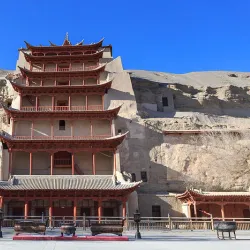
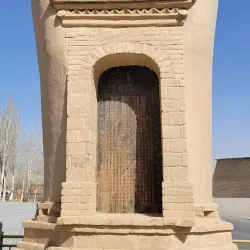
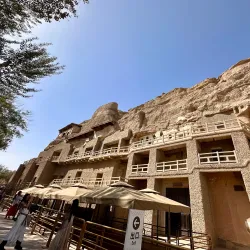
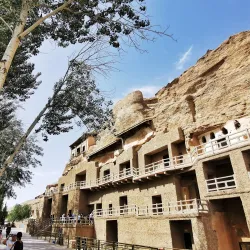
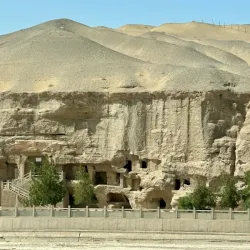
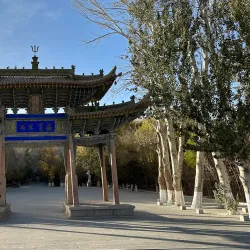
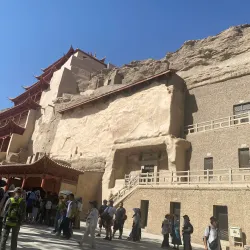
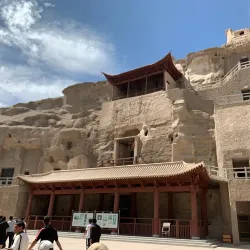
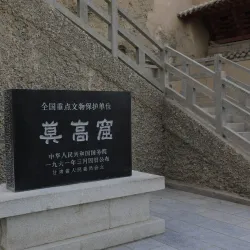
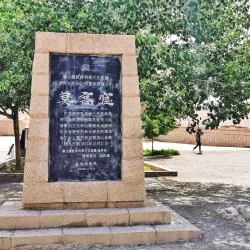
Although technically closer to Dunhuang, the Mogao Caves are often associated with the broader Gansu region including Wuwei. These caves are famous for their exquisite Buddhist art and murals dating back to the 4th century.
The site is a UNESCO World Heritage Site and offers visitors a chance to see some of the finest examples of ancient Chinese religious art and manuscripts.
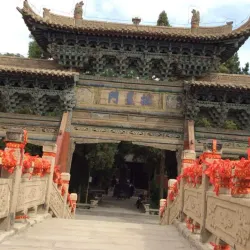
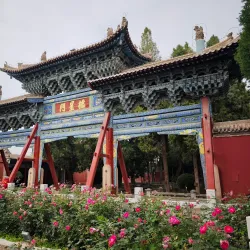
Wuwei Confucian Temple
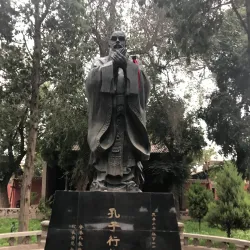
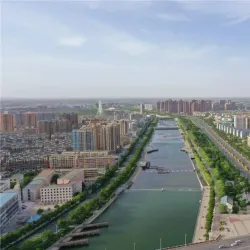
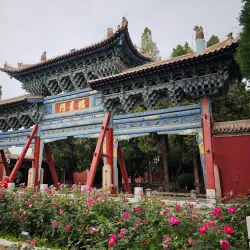
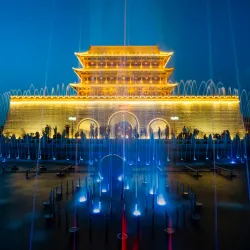
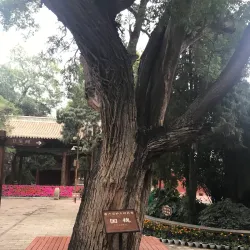
This temple is one of the largest and best-preserved Confucian temples in China. It dates back to the Ming Dynasty and serves as a significant cultural and historical site in Wuwei.
Visitors can explore the temple's ancient architecture, stone carvings, and tranquil courtyards, gaining insight into Confucian traditions and Chinese history.
Liangzhou Museum
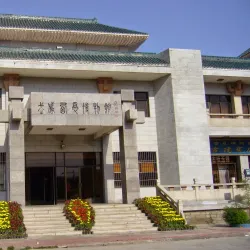
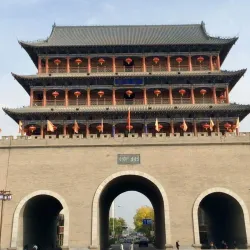
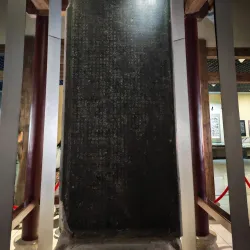
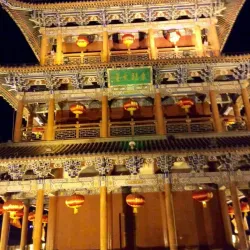
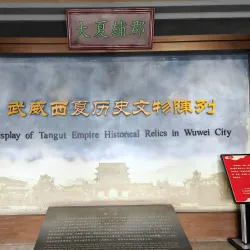
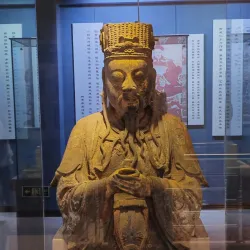
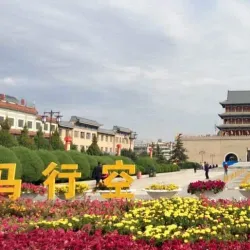
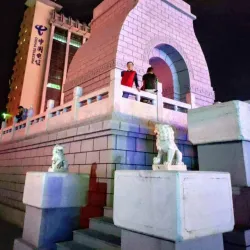
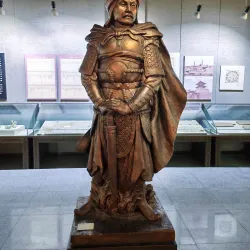
The Liangzhou Museum in Wuwei showcases a vast collection of artifacts from the region's long history, including relics from the Silk Road era.
The museum provides educational exhibits on the cultural exchanges that took place in Wuwei and the surrounding areas, highlighting the city's role as a historical crossroads.
Anxi Great Mosque
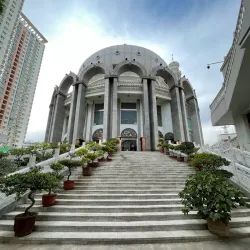
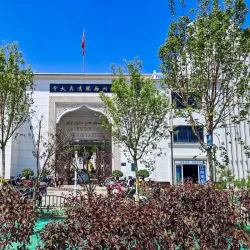
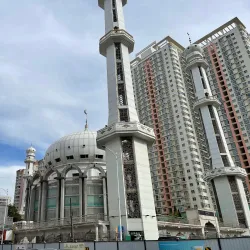
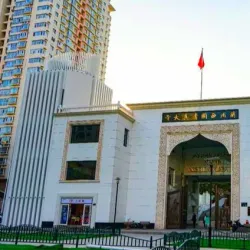
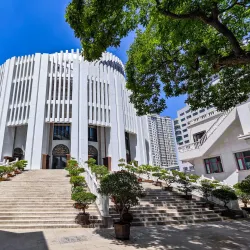
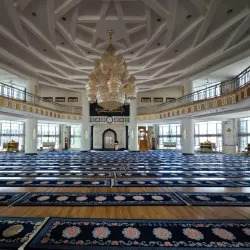
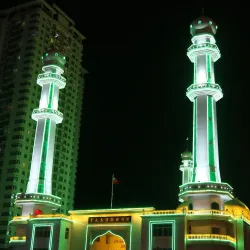

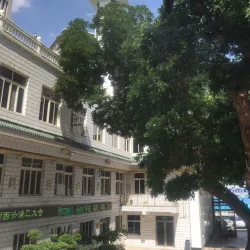
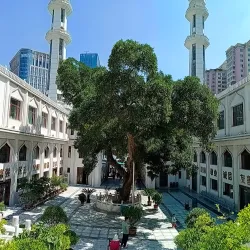
An important religious site in Wuwei, the Anxi Great Mosque reflects the Islamic heritage of the region. It is one of the oldest mosques in China and features traditional Chinese and Islamic architectural styles.
The mosque is a symbol of the cultural diversity in Wuwei and offers visitors a unique perspective on the city's religious history.
Wuwei Iron Cannon Site
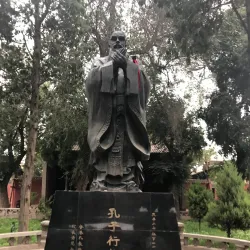
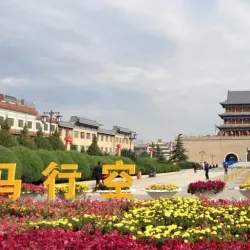
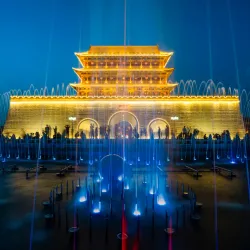
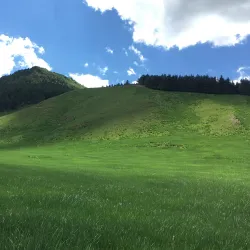
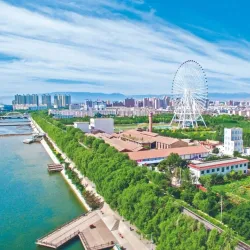
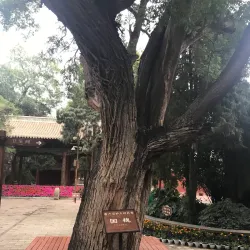
This site is notable for the discovery of one of the world's oldest iron cannons, dating back to the 13th century.
It highlights Wuwei's historical significance in early military technology and offers a fascinating glimpse into ancient Chinese warfare.
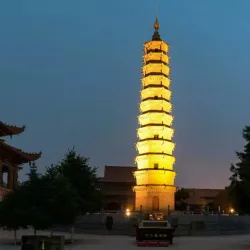
White Pagoda Park
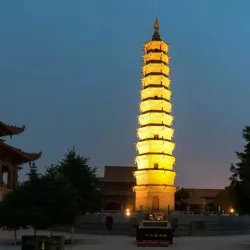
A scenic park centered around the White Pagoda, an ancient Buddhist structure that stands as a landmark in Wuwei.
The park is a peaceful place for visitors to relax and enjoy the blend of natural beauty and historical architecture.
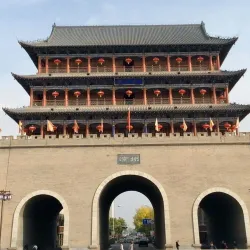
Wuwei Ancient City Wall
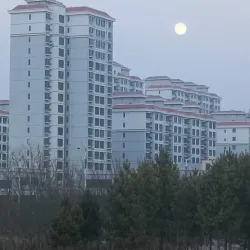
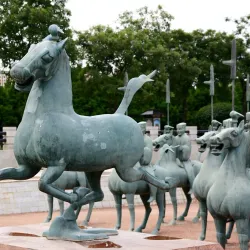
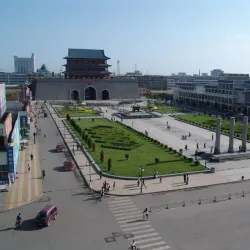
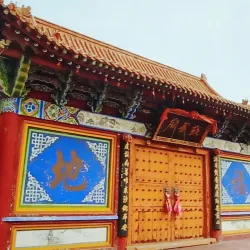
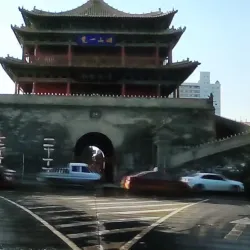
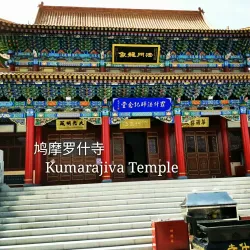
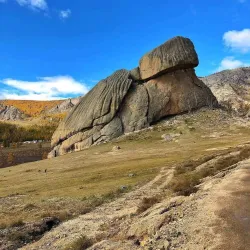
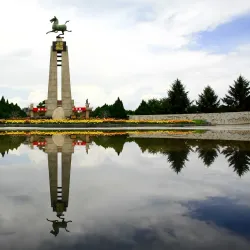
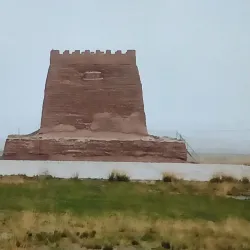
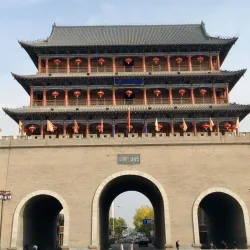
Remnants of the ancient city wall that once protected Wuwei, offering insight into the city's historical defenses and urban layout.
Visitors can walk along parts of the wall and imagine the city's past as a fortified hub on the Silk Road.
Gansu Wuwei Silk Road Cultural Park
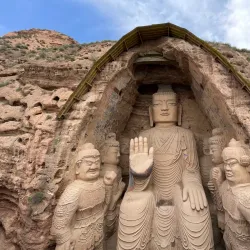
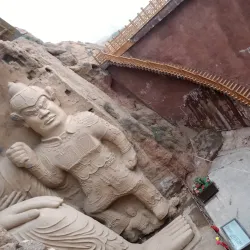
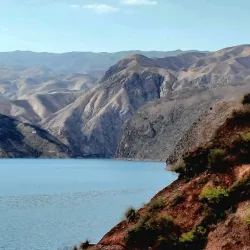
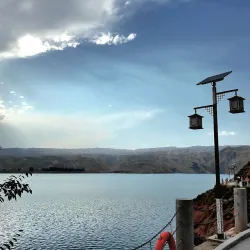
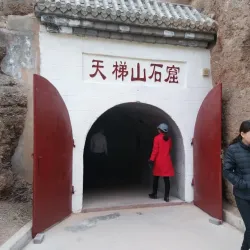
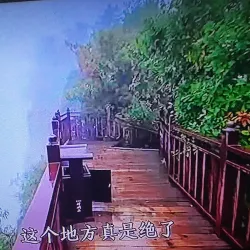
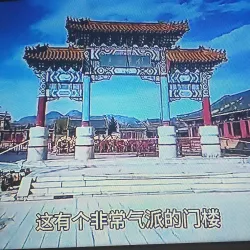
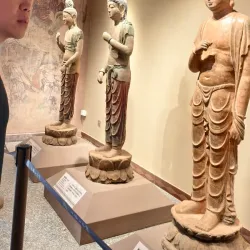
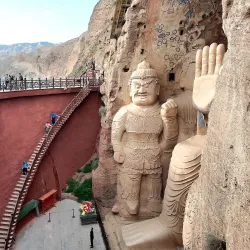
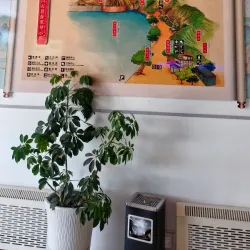
This cultural park celebrates Wuwei's role in the Silk Road trade network with exhibits, performances, and replicas of ancient trading posts.
It is an engaging place for visitors to learn about the cultural and economic exchanges that shaped the region.
Wuwei Botanical Garden
A botanical garden showcasing the diverse plant life of the Gansu region, including many species native to the Silk Road area.
The garden provides a relaxing environment for nature lovers and an educational experience about local flora.
Dunhuang Yardang National Geopark
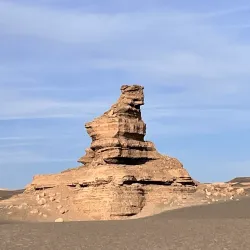
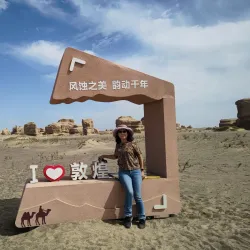
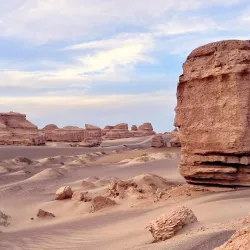
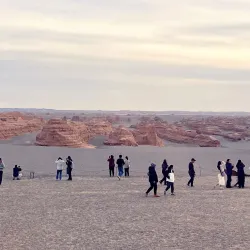
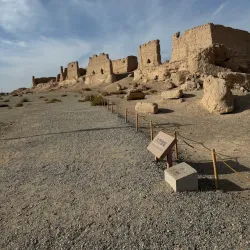
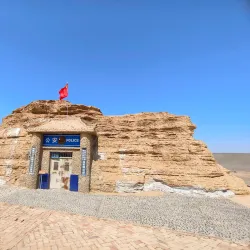
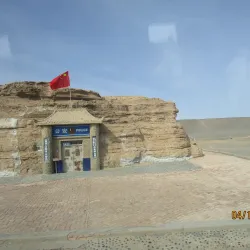
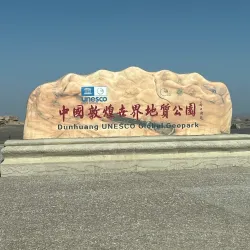
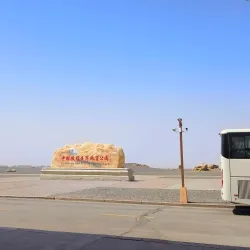
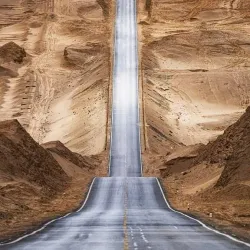
Located near Wuwei, this geopark features unique wind-eroded rock formations known as Yardangs, creating a dramatic desert landscape.
The park is popular for hiking, photography, and exploring the natural geological wonders of the region.