Things to do in Xi'an
Xi'an, the capital of Shaanxi Province in China, is one of the oldest cities in the country with a rich history that dates back over 3,000 years. Known as the starting point of the Silk Road and home to the famous Terracotta Army, Xi'an offers a fascinating blend of ancient culture and modern development.The city is renowned for its well-preserved city walls, ancient pagodas, and vibrant Muslim Quarter, which showcases a unique cultural fusion. Visitors can explore historical landmarks, museums, and traditional markets, making Xi'an a must-visit destination for history enthusiasts and cultural explorers alike.Terracotta Army
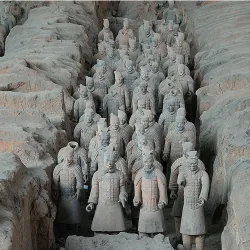
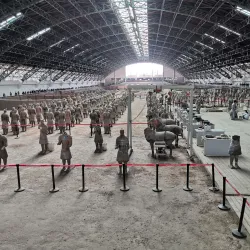
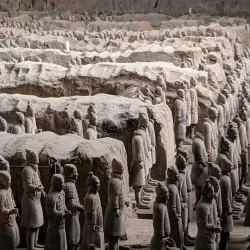
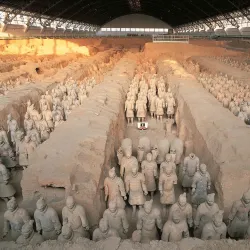
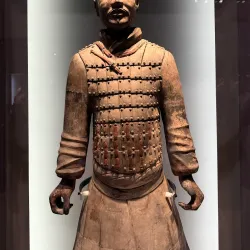
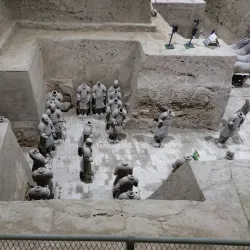
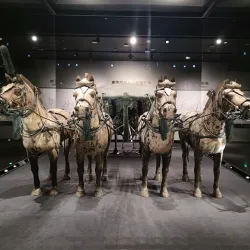
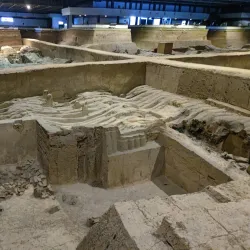
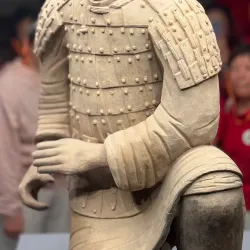
The Terracotta Army is one of the most significant archaeological discoveries in the world, consisting of thousands of life-sized clay soldiers, horses, and chariots buried with China's first Emperor, Qin Shi Huang. This vast underground army was meant to protect the emperor in the afterlife and showcases incredible craftsmanship and historical importance.
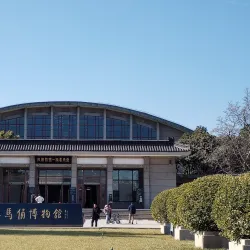
Visitors can explore several pits where the figures are displayed, along with a museum that provides detailed information about the excavation and the history of the Qin dynasty.
Xi'an City Wall
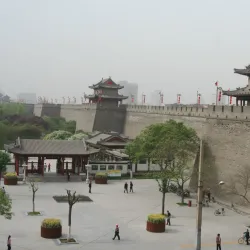
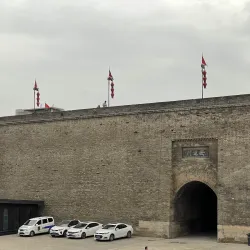
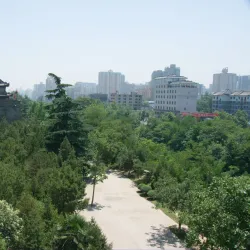
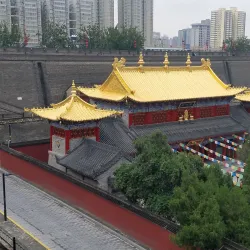
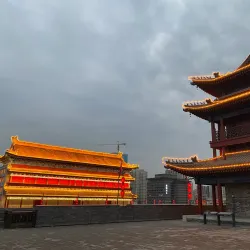
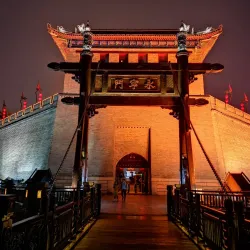
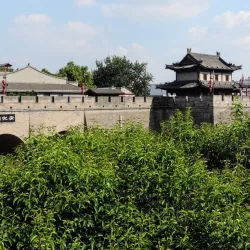
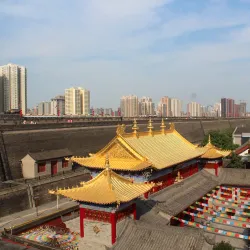
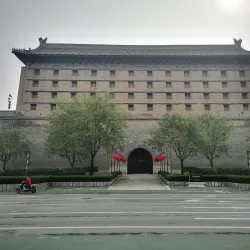
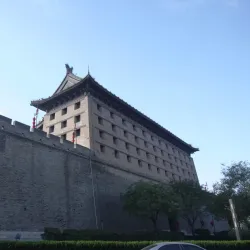
The Xi'an City Wall is one of the oldest and best-preserved city walls in China, originally built during the Ming Dynasty. It encircles the old city and offers a unique opportunity to walk or cycle along its top, providing panoramic views of the city and its blend of ancient and modern architecture.
The wall is a symbol of Xi'an's historical significance and serves as a reminder of the city's strategic importance in ancient times.
Big Wild Goose Pagoda
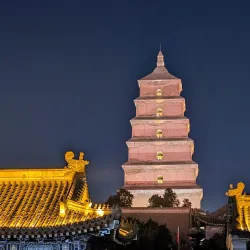
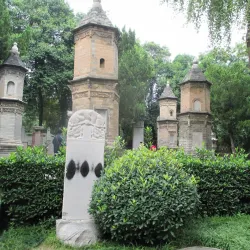
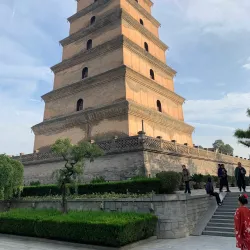
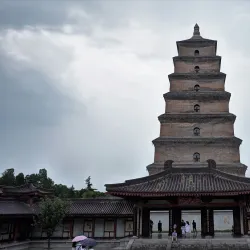
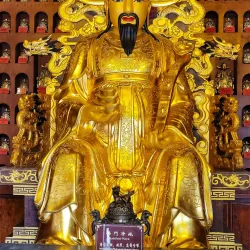
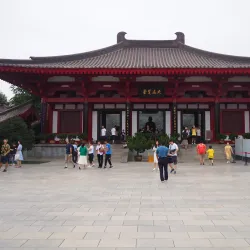
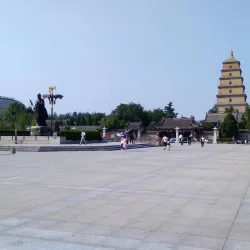
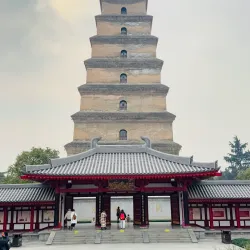
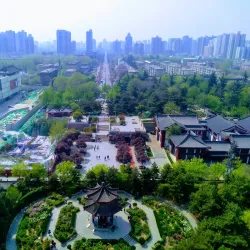
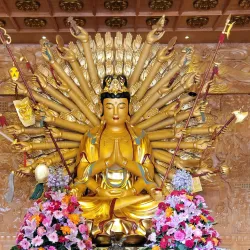
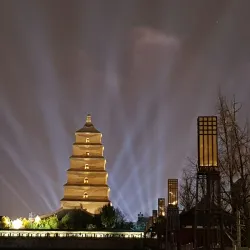
This iconic Buddhist pagoda was built in the Tang Dynasty to house sacred Buddhist scriptures brought from India by the monk Xuanzang. The pagoda is an architectural marvel and a symbol of Xi'an's religious heritage.
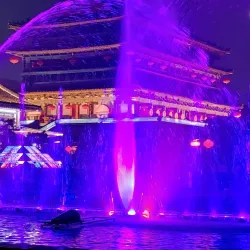
The surrounding Da Ci'en Temple complex and the nearby musical fountain square make it a popular spot for both spiritual reflection and leisure.
Muslim Quarter
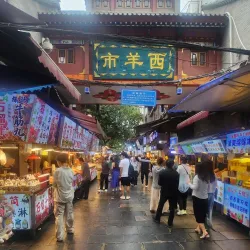
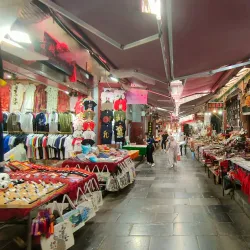
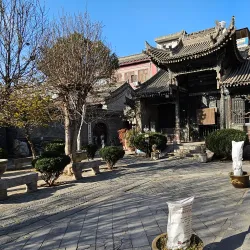
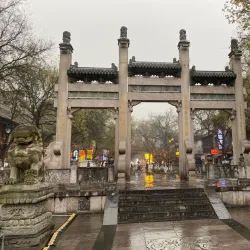
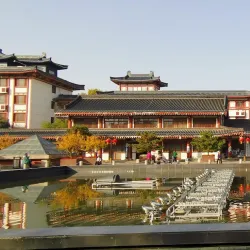
The Muslim Quarter is a vibrant neighborhood known for its lively street food markets, traditional shops, and cultural diversity. It reflects the long history of Muslim communities in Xi'an and their influence on local cuisine and culture.
Visitors can enjoy a variety of local snacks, shop for souvenirs, and experience the unique atmosphere of this bustling area.
Shaanxi History Museum
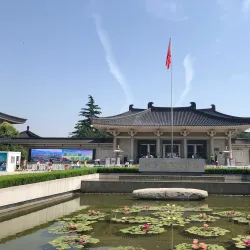
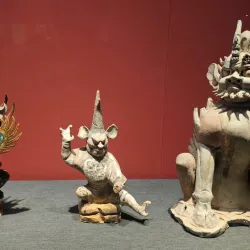
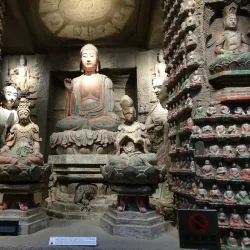
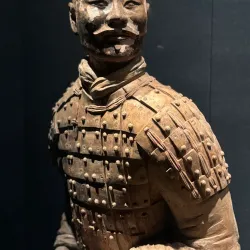
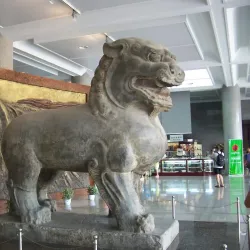
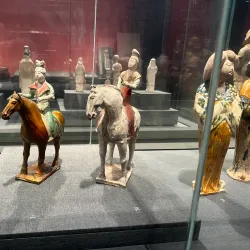
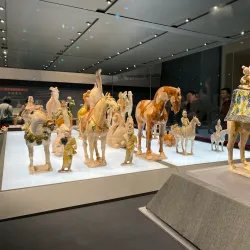
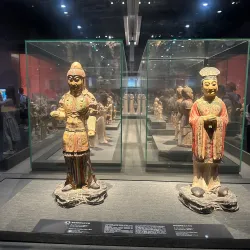
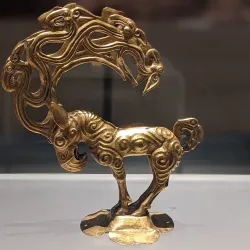
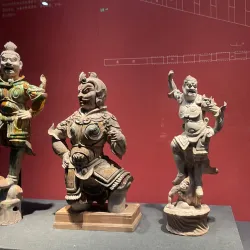
This museum is one of the most comprehensive in China, showcasing artifacts from the prehistoric era to the Qing Dynasty. It provides deep insights into the history and culture of the Shaanxi region, including relics from the Zhou, Qin, Han, and Tang dynasties.
The museum's extensive collection includes pottery, bronze ware, murals, and ancient coins, making it a must-visit for history enthusiasts.
Bell Tower of Xi'an
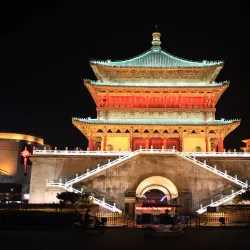
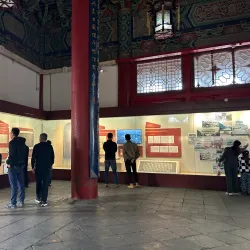
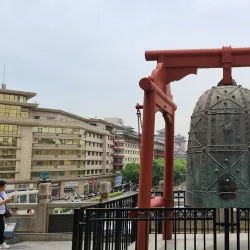
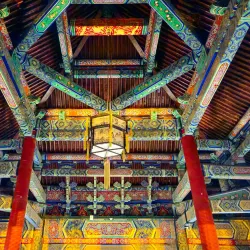
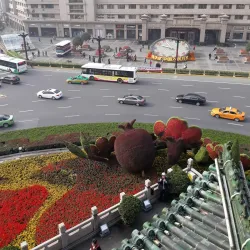
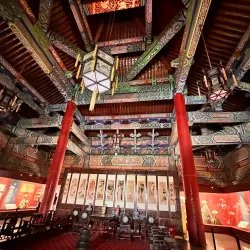
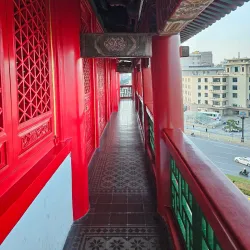
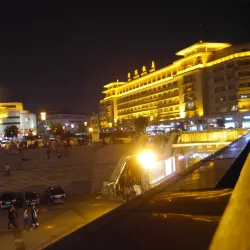
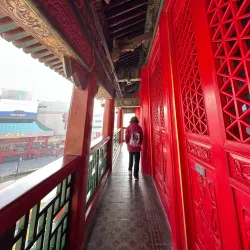
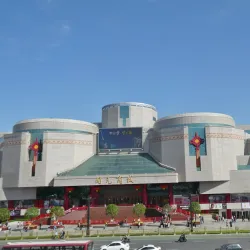
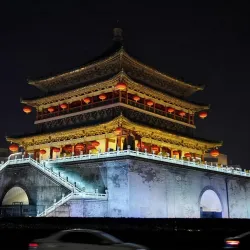
Located at the city center, the Bell Tower is a symbol of Xi'an and an excellent example of traditional Chinese architecture. It was originally built in the Ming Dynasty and served as a timekeeping and signaling structure.
The tower offers great views of the surrounding city and is especially beautiful when illuminated at night.
Drum Tower of Xi'an
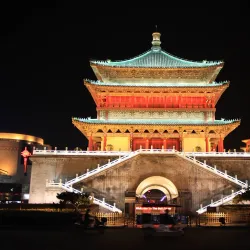
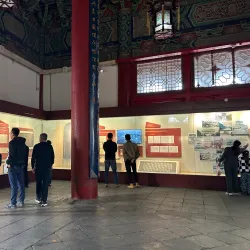
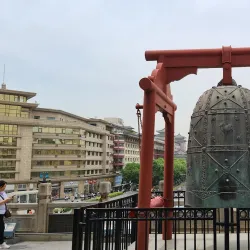
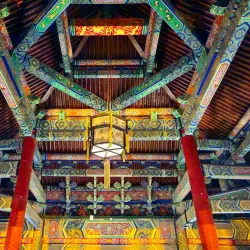
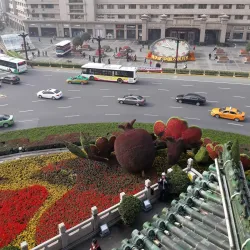
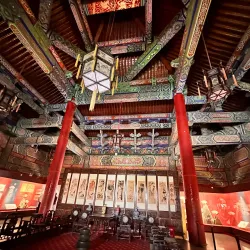
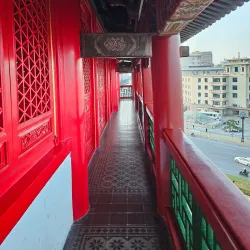
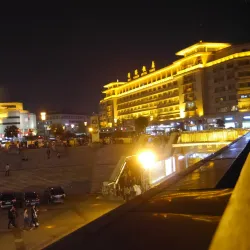
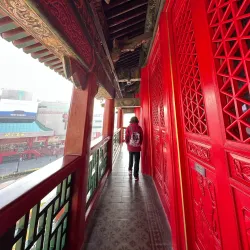
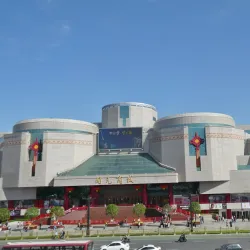
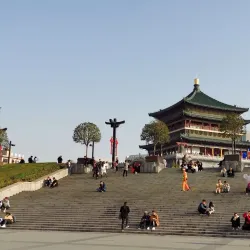
Situated near the Bell Tower, the Drum Tower was used to mark time and signal important events in ancient times. It houses a collection of traditional drums and offers cultural performances.
The tower provides visitors with a glimpse into the musical heritage of Xi'an and offers panoramic views of the city from its upper levels.
Huaqing Hot Springs
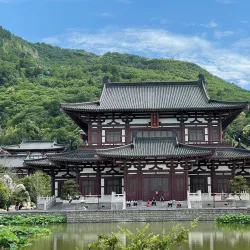
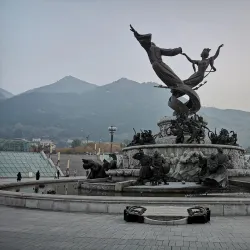
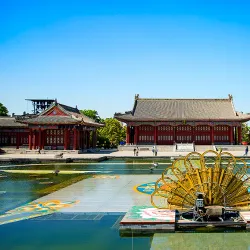
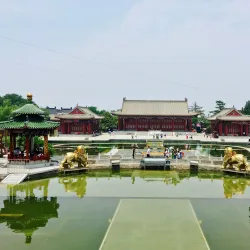
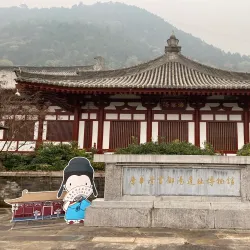
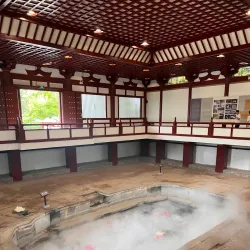
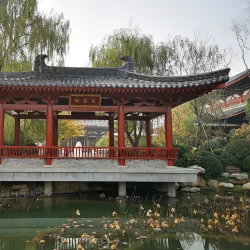
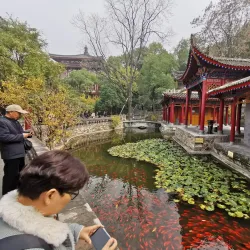
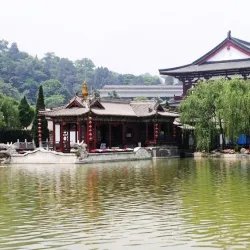
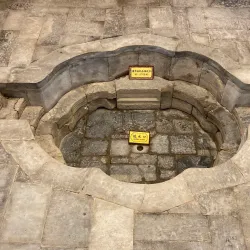
Located at the foot of Mount Li, Huaqing Hot Springs is famous for its natural hot springs and historical significance as a royal retreat during the Tang Dynasty. The site includes beautiful gardens, ancient pools, and the remains of imperial palaces.
It is also known for the romantic legend of Emperor Xuanzong and his consort Yang Guifei, making it a place of cultural and historical interest.
Mount Huashan
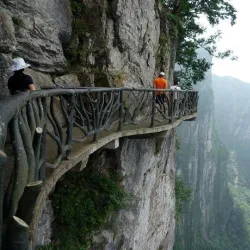
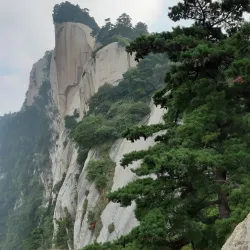
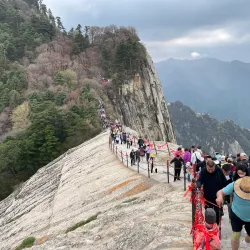
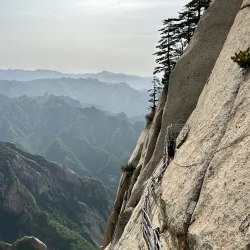
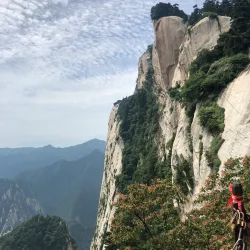
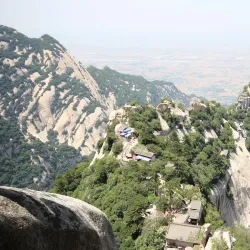
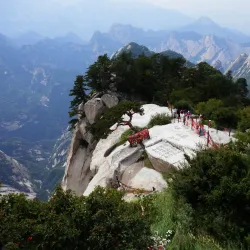
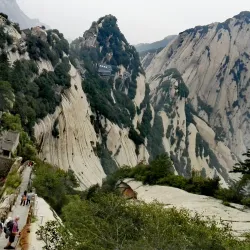
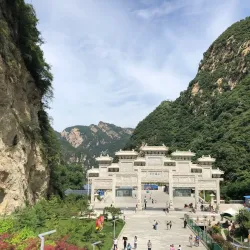

Mount Huashan is one of China's Five Great Mountains, known for its steep cliffs, breathtaking scenery, and Taoist temples. It is a popular destination for hiking and adventure, offering challenging trails and stunning views.
The mountain holds religious significance and features several ancient temples and pavilions along its paths.
Great Mosque of Xi'an
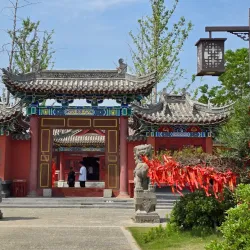
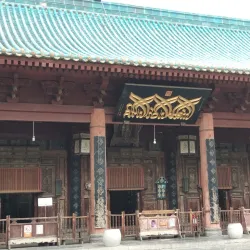
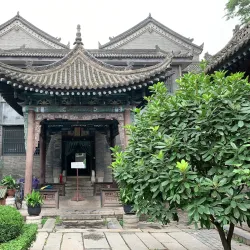
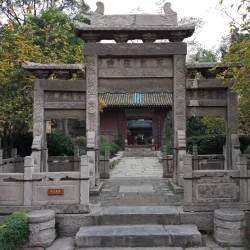
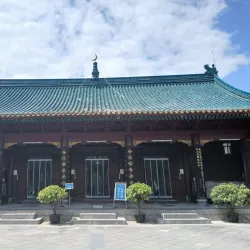
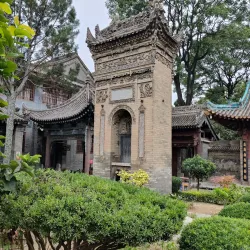
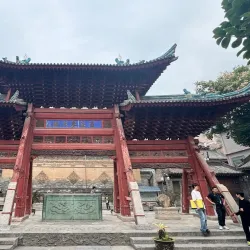
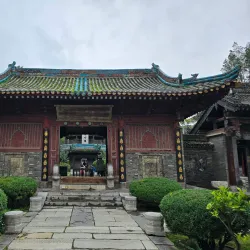
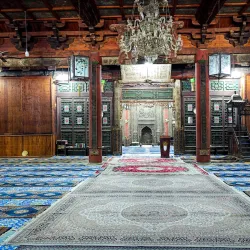
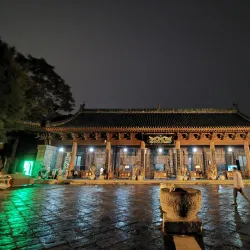
The Great Mosque is one of the oldest and most renowned mosques in China, blending traditional Chinese architectural styles with Islamic features. It serves as a religious center for the local Muslim community and a cultural landmark.
The mosque's serene courtyards, intricate carvings, and peaceful atmosphere make it a unique place to visit in the heart of the Muslim Quarter.