Things to do in Xianyang
Xianyang, located in Shaanxi Province, China, is a city rich in history and cultural significance. It served as the capital of the Qin dynasty and is known for its archaeological sites and ancient relics.The city offers visitors a blend of historical exploration and natural beauty, with numerous parks, museums, and ancient ruins to discover.Qin Shi Huang Mausoleum Site Museum
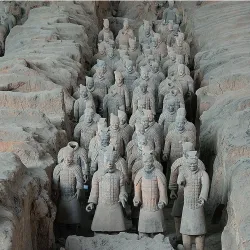
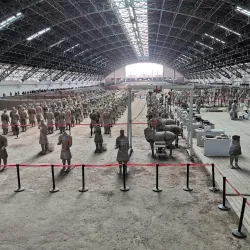


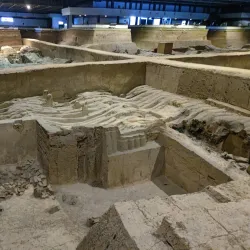
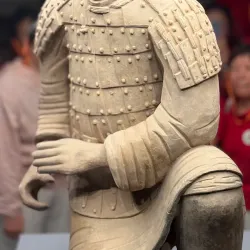
This museum is dedicated to the first Emperor of China, Qin Shi Huang, and is famous for the Terracotta Army discovered nearby. It offers extensive exhibits on the Qin dynasty and the emperor's legacy.
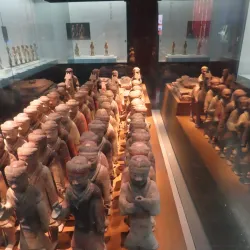
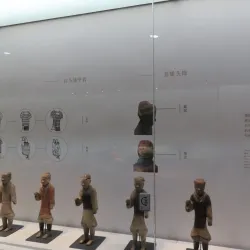
Visitors can view thousands of life-sized terracotta soldiers, horses, and chariots that were buried with the emperor to protect him in the afterlife.
Xianyang Museum
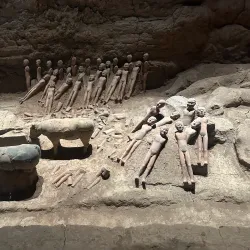

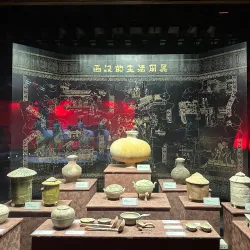
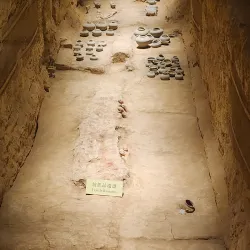
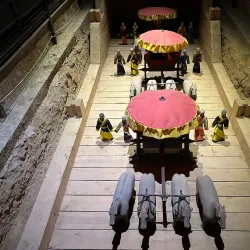
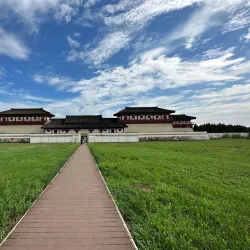
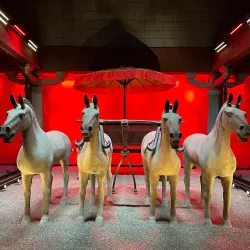
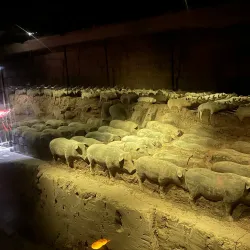
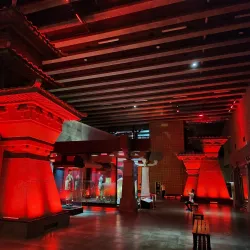
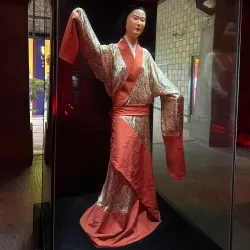
The Xianyang Museum showcases a vast collection of artifacts from the Qin and Han dynasties, including pottery, bronze ware, and ancient coins.
It provides valuable insights into the history and culture of the region, making it a must-visit for history enthusiasts.
Fufeng Ancient City Ruins
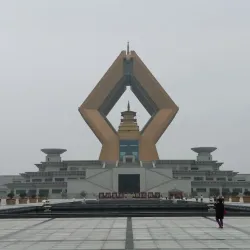

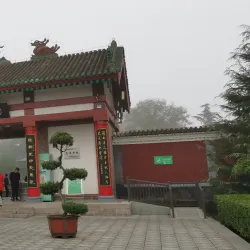
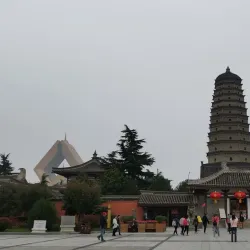
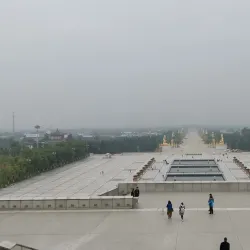
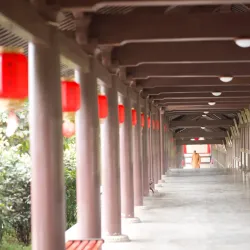
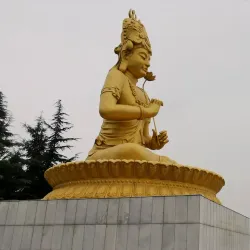
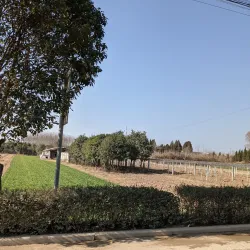
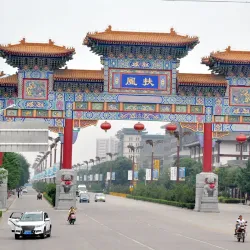
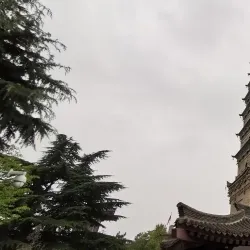
These ruins represent the remains of an ancient city from the Qin dynasty period, offering a glimpse into the urban planning and architecture of that era.
The site is significant for archaeological studies and attracts visitors interested in ancient Chinese civilization.
Weiyang Palace Site
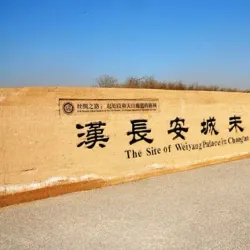
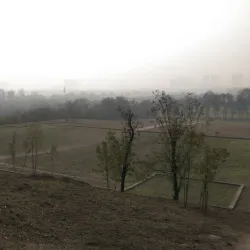
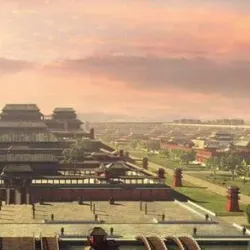
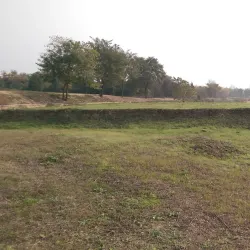
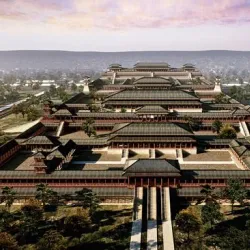
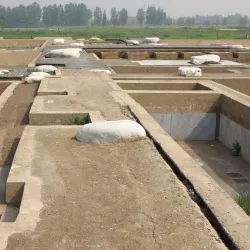
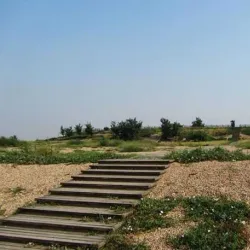
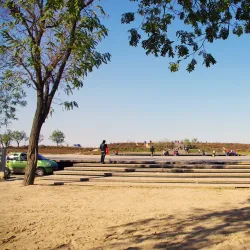
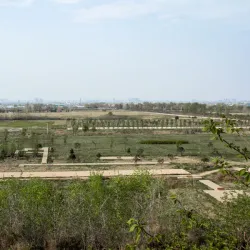
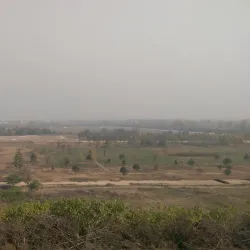
The Weiyang Palace was the imperial palace of the Western Han dynasty and is one of the largest palace complexes ever built in ancient China.
The site includes remnants of the palace foundations and offers a historical perspective on imperial life during the Han dynasty.
Xianyang People's Park
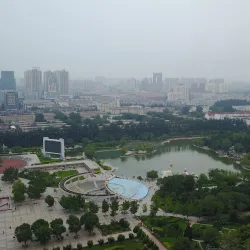
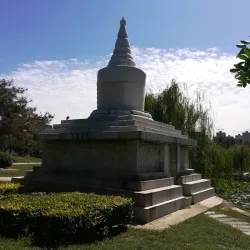
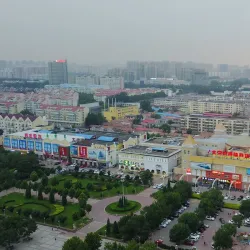
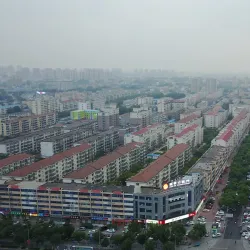
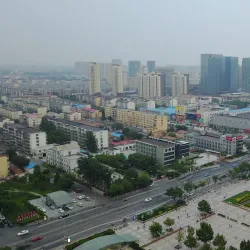
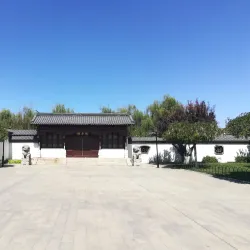
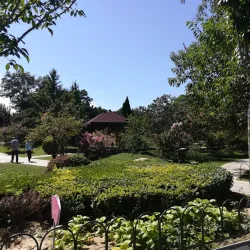
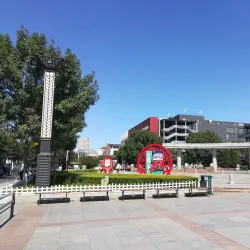
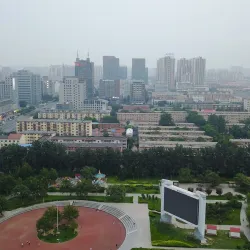
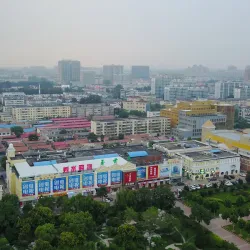
A popular urban park in the city, offering green spaces, walking paths, and recreational facilities.
It is a great place for relaxation and experiencing local life in Xianyang.
Qin Dynasty Relics Park
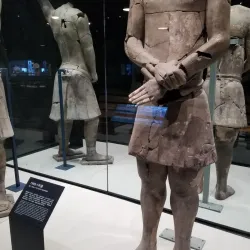
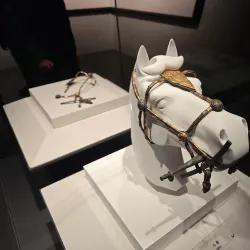
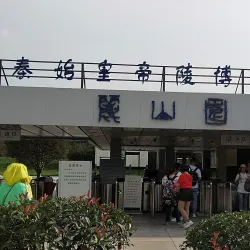
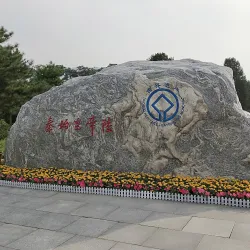
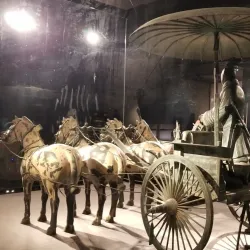
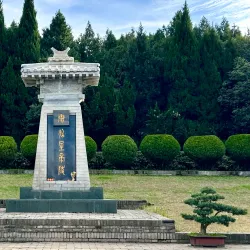
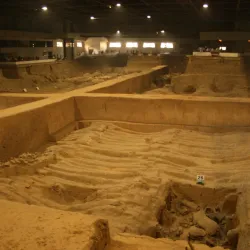
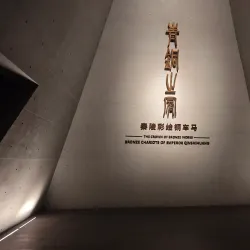
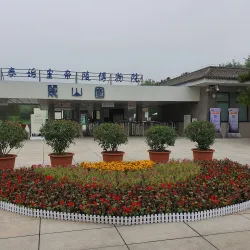
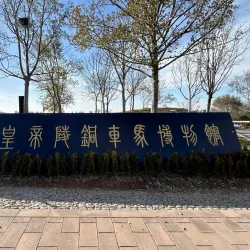
This park features various relics and reconstructed structures from the Qin dynasty, providing an educational and scenic environment.
Visitors can learn about the Qin dynasty's contributions to Chinese history while enjoying the landscaped surroundings.
Xianyang Confucian Temple
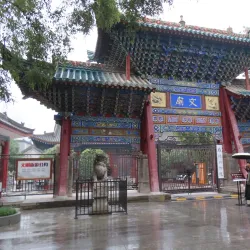
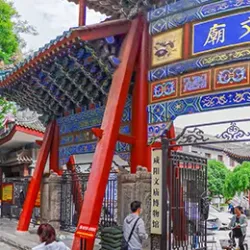
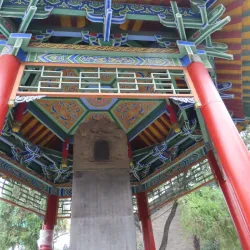
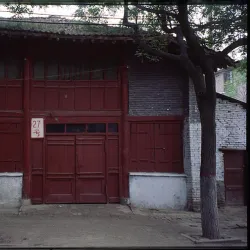
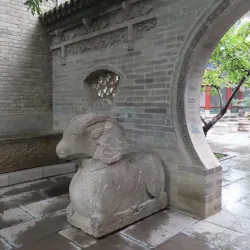

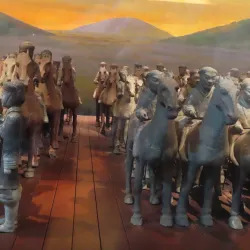
A historic temple dedicated to Confucius, reflecting traditional Chinese architecture and cultural values.
The temple hosts cultural events and ceremonies, making it a cultural highlight in the city.
Huaqing Pool
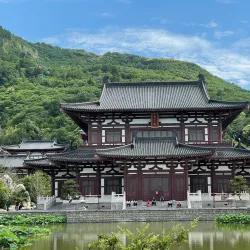

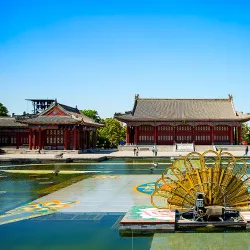
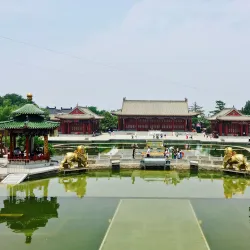
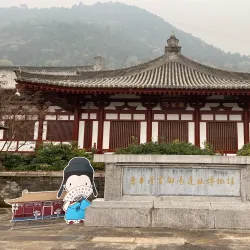
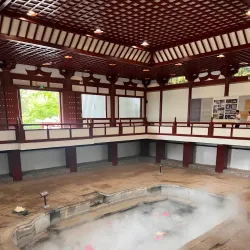
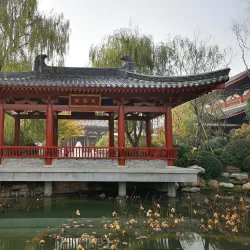
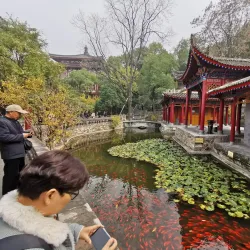
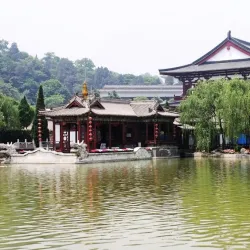
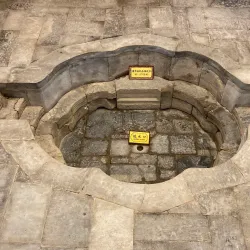
Located near Xianyang, this historic hot spring site is famous for its beautiful scenery and historical significance, including connections to the Tang dynasty.
The site features gardens, pools, and ancient architecture, attracting tourists interested in history and natural beauty.
Xianyang Ancient City Wall
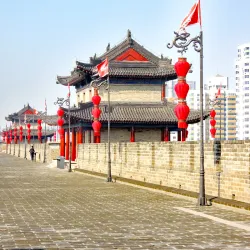
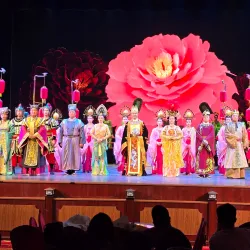
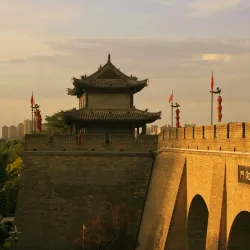
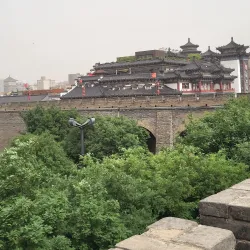
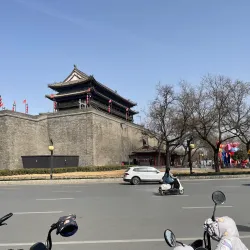
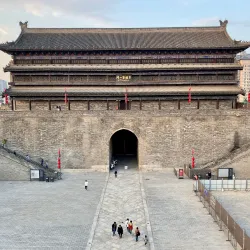
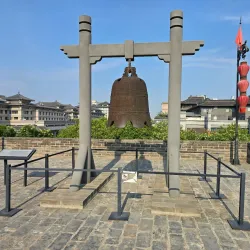
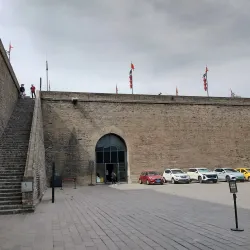
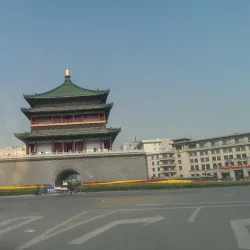
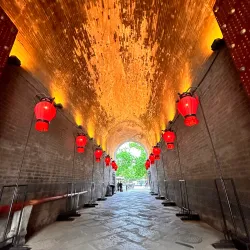
Remnants of the ancient city wall that once protected Xianyang, offering insights into the city's defensive architecture.
Visitors can walk along parts of the wall and learn about the city's historical military significance.
Qin Terracotta Warriors and Horses Museum
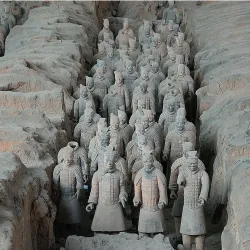
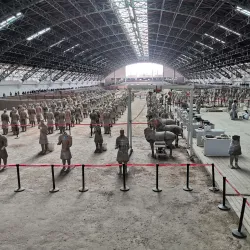
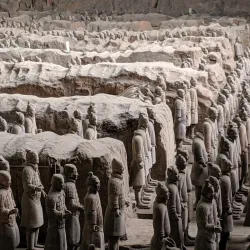
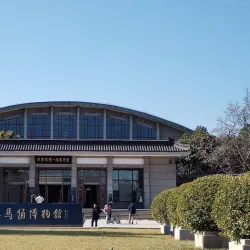
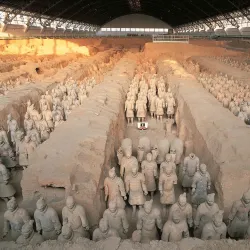
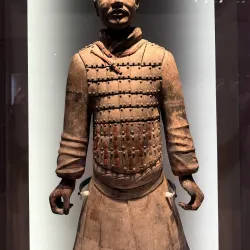
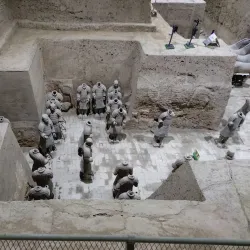
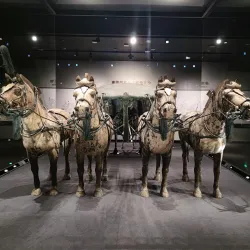
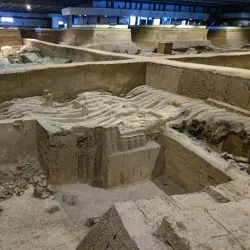
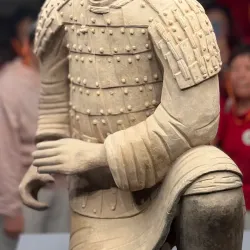
Though primarily associated with nearby Xi'an, this museum in Xianyang also features exhibits related to the Terracotta Army and Qin dynasty artifacts.
It complements the main mausoleum museum and provides additional context on the era's military and cultural history.