Things to do in Yangzhou
Yangzhou, located in Jiangsu Province, China, is a city renowned for its historical significance, classical gardens, and beautiful waterways. It has been an important cultural and economic center since ancient times, known for its contributions to Chinese art, literature, and cuisine.The city offers a blend of traditional Chinese architecture, serene gardens, and vibrant local culture. Visitors can explore ancient temples, stroll along scenic canals, and enjoy the unique charm of Yangzhou's old town neighborhoods.Slender West Lake
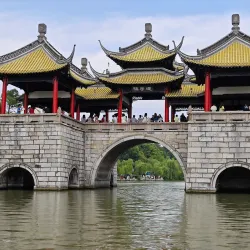

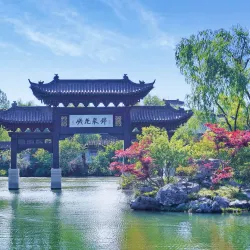
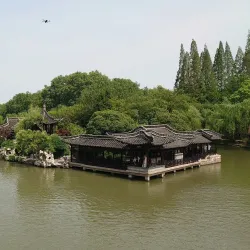
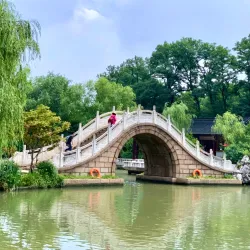
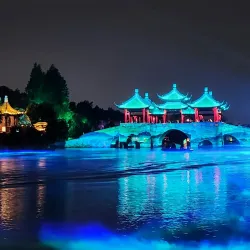
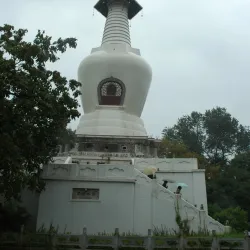
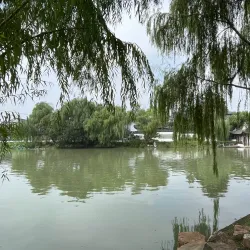
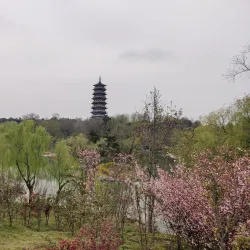
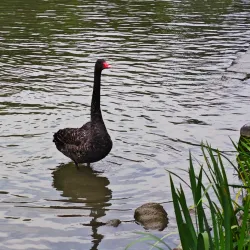
Slender West Lake is the most famous scenic spot in Yangzhou, known for its elegant and tranquil beauty. The lake is surrounded by classical Chinese gardens, pavilions, and historic bridges, offering picturesque views and a peaceful atmosphere.
Visitors can enjoy boat rides on the lake, explore the gardens, and visit nearby cultural sites. The lake's name reflects its long, narrow shape and the slender beauty of its landscape.
Daming Temple
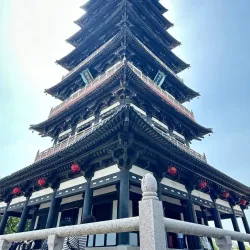
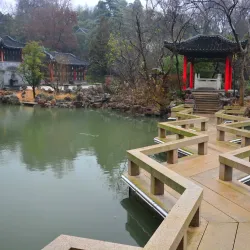
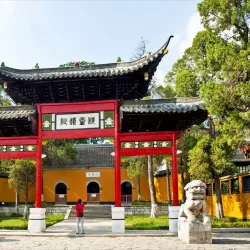
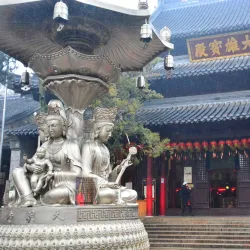
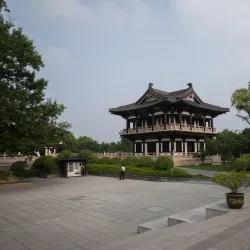
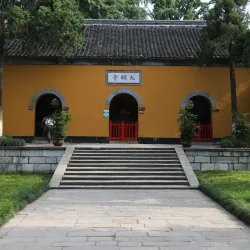
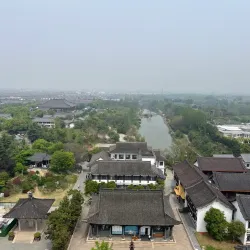
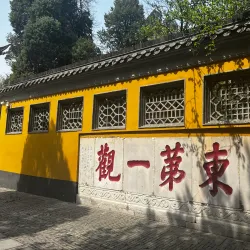
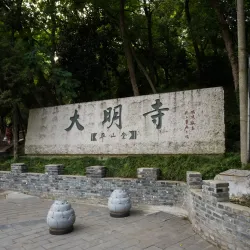
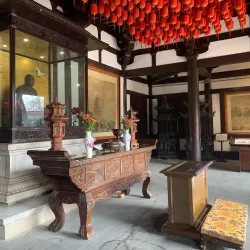
Daming Temple is a historic Buddhist temple with a history dating back over 1,600 years. It is famous for its ancient architecture, beautiful gardens, and the large bronze Buddha statue housed within the temple grounds.
The temple complex includes several halls, pagodas, and a scenic area that attracts both pilgrims and tourists interested in Chinese religious culture and history.
Ge Garden
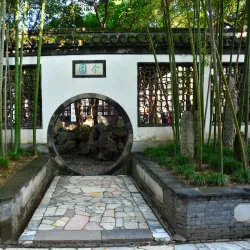
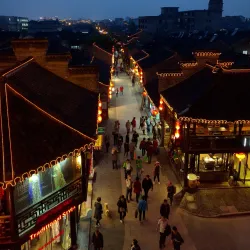
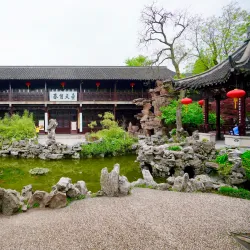
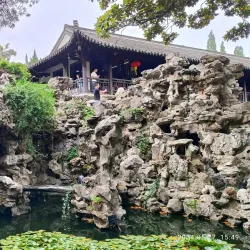
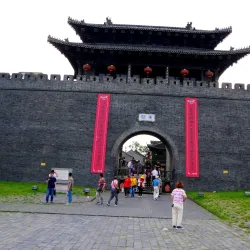
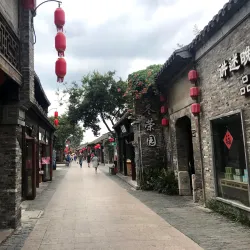
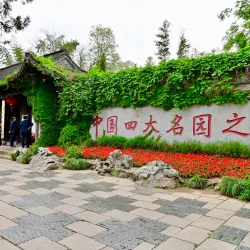
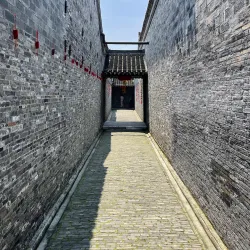
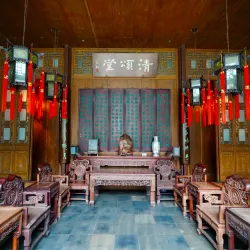
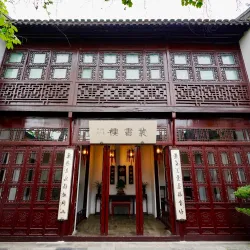
Ge Garden is a classical Chinese garden known for its unique rock formations and exquisite landscaping. It is one of the four famous gardens of Yangzhou and showcases traditional garden design with water features, pavilions, and winding paths.
The garden is particularly noted for its use of Taihu stones and its artistic layout, which creates a harmonious and serene environment for visitors.
Yangzhou Museum
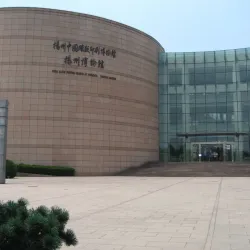

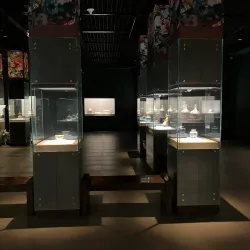
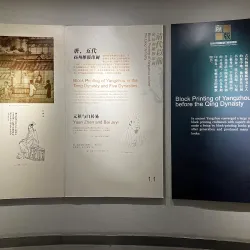


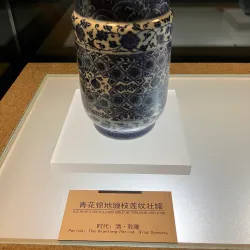
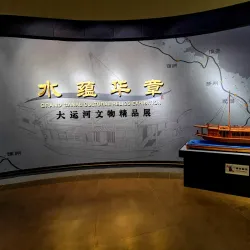
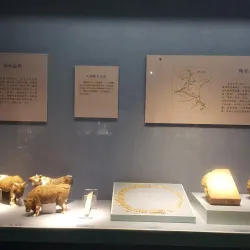

Yangzhou Museum offers a comprehensive look at the city's history, culture, and art. The museum features exhibits on ancient artifacts, traditional crafts, and the development of Yangzhou through various dynasties.
It is an excellent place for visitors to gain deeper insights into the cultural heritage of Yangzhou and its significance in Chinese history.
He Garden
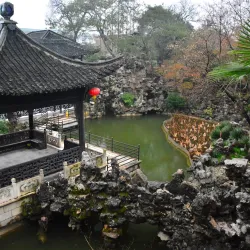

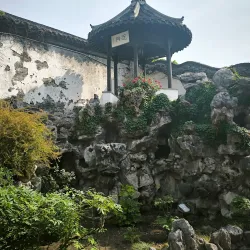
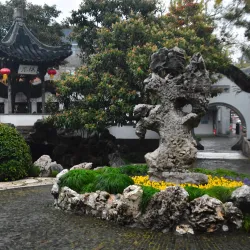
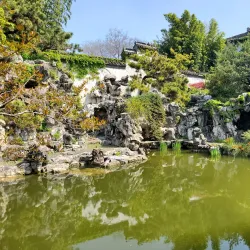
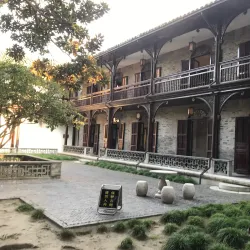
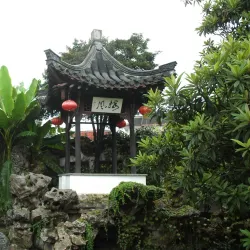
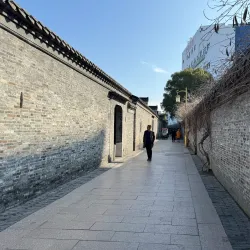
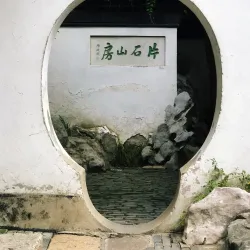
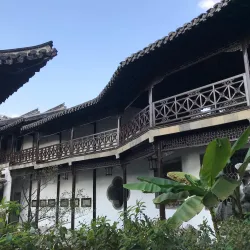
He Garden is another of Yangzhou's famous classical gardens, known for its elegant design and tranquil ambiance. The garden features traditional Chinese landscaping elements such as rockeries, ponds, and pavilions.
It provides a peaceful retreat in the city and is a fine example of the artistry involved in classical Chinese garden construction.
Geyuan Garden
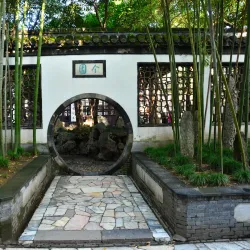
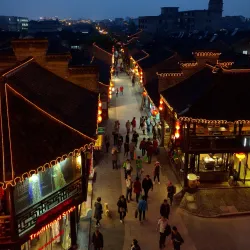
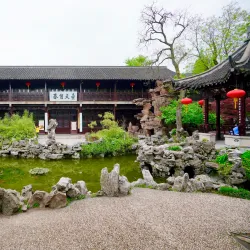
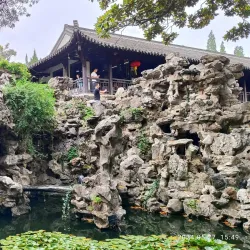
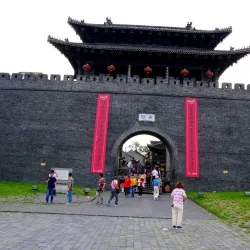
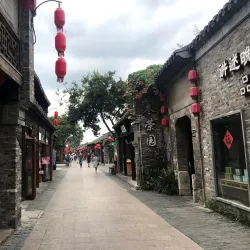
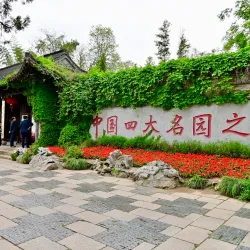
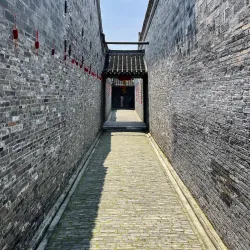
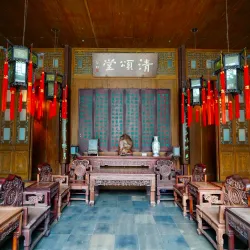
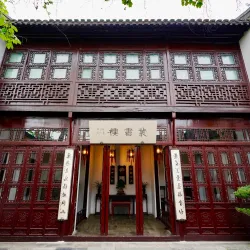
Geyuan Garden is renowned for its beautiful seasonal scenery, especially the bamboo groves and rockeries. It is a smaller but artistically significant garden that reflects the aesthetics of traditional Chinese garden design.
The garden is a popular spot for photography and quiet contemplation, offering a glimpse into the refined tastes of Yangzhou's historical elite.
Slender West Lake Scenic Area
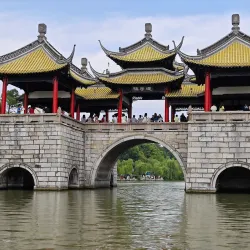


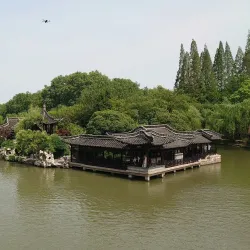


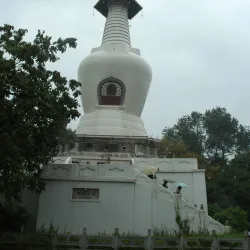


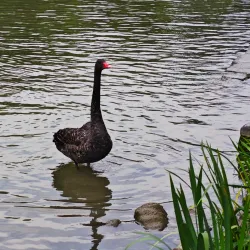
This scenic area encompasses the broader region around Slender West Lake, including historic streets, temples, and cultural sites. It is a hub for tourists looking to explore the natural and cultural beauty of Yangzhou in one location.
The area is well-maintained and offers various activities such as boat tours, walking paths, and cultural performances.
Yangzhou Old Town
Yangzhou Old Town features well-preserved traditional architecture, ancient streets, and vibrant markets. It offers visitors a chance to experience the local lifestyle and historical ambiance of the city.
The area is known for its shops selling traditional crafts, local snacks, and souvenirs, making it a lively and engaging place to explore.
Wenchang Pavilion
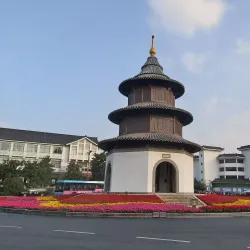

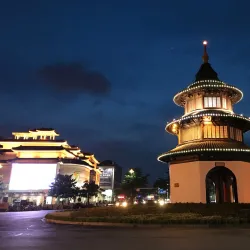
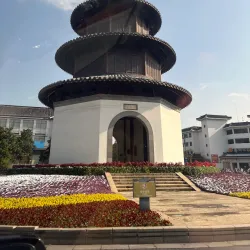

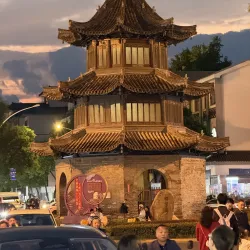


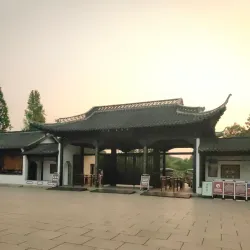
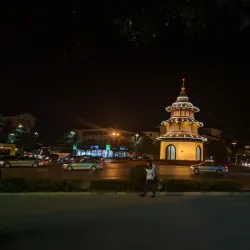
Wenchang Pavilion is a historic structure dedicated to Wenchang, the Chinese god of culture and literature. The pavilion is an important cultural landmark and offers panoramic views of the surrounding city and gardens.
It is a popular spot for visitors interested in Chinese mythology, history, and architecture.
Yangzhou Grand Canal
The Yangzhou section of the Grand Canal is a UNESCO World Heritage site and an important historical waterway. Visitors can explore the canal by boat or walk along its banks to see ancient docks, bridges, and warehouses.
The canal played a crucial role in the economic development of Yangzhou and remains a symbol of the city's historical prosperity.