
Quality of life in Zhanjiang
Cost of Living, Healthcare, Safety, Education, and More
About Zhanjiang
Zhanjiang, located in the southern part of China, is a vibrant city known for its rich cultural heritage and strategic coastal position. As a major port city, Zhanjiang plays a crucial role in China's maritime trade, contributing significantly to the country's economy. The city is characterized by its tropical climate, beautiful beaches, and a laid-back lifestyle that attracts both tourists and residents alike.In recent years, Zhanjiang has seen a surge in development, with new infrastructure projects and urbanization efforts enhancing its appeal. The city is also becoming a hub for education and technology, with several universities and tech companies establishing a presence here. This blend of tradition and modernity makes Zhanjiang a unique place to live and visit.


History and Culture
Zhanjiang's history dates back thousands of years, with its origins as a small fishing village. Over the centuries, it has evolved into a significant port city, especially during the Qing Dynasty when it became a key trading post. The city's strategic location has made it a focal point for various historical events, including foreign invasions and trade exchanges.
Culturally, Zhanjiang is a melting pot of different ethnic groups, including the Han, Zhuang, and Li people, each contributing to the city's diverse cultural tapestry. This diversity is reflected in the city's festivals, cuisine, and traditional arts. Notable cultural institutions include the Zhanjiang Museum, which showcases the region's history and art, and the Zhanjiang Cultural Center, a hub for local performances and exhibitions.
The city's architecture is a testament to its historical influences, with colonial-era buildings standing alongside modern skyscrapers. Local traditions, such as the Dragon Boat Festival and the Lantern Festival, are celebrated with great enthusiasm, drawing visitors from across the region.
Things to do in Zhanjiang
Visitors to Zhanjiang can enjoy a variety of activities, from exploring its beautiful beaches like Huguangyan National Geopark, known for its volcanic lake and lush surroundings, to visiting the Zhanjiang Seaside Park, a perfect spot for relaxation and leisure.
The city offers a vibrant culinary scene, with local seafood being a highlight. Dining at the bustling night markets provides an authentic taste of Zhanjiang's flavors. For those interested in history, the Leizhou Ancient City offers a glimpse into the region's past with its well-preserved architecture and cultural relics.
Zhanjiang also hosts several annual events that showcase its cultural richness, such as the Zhanjiang International Kite Festival and the Zhanjiang Seafood Festival, both of which attract large crowds and offer unique experiences.
Quality of Life Rankings
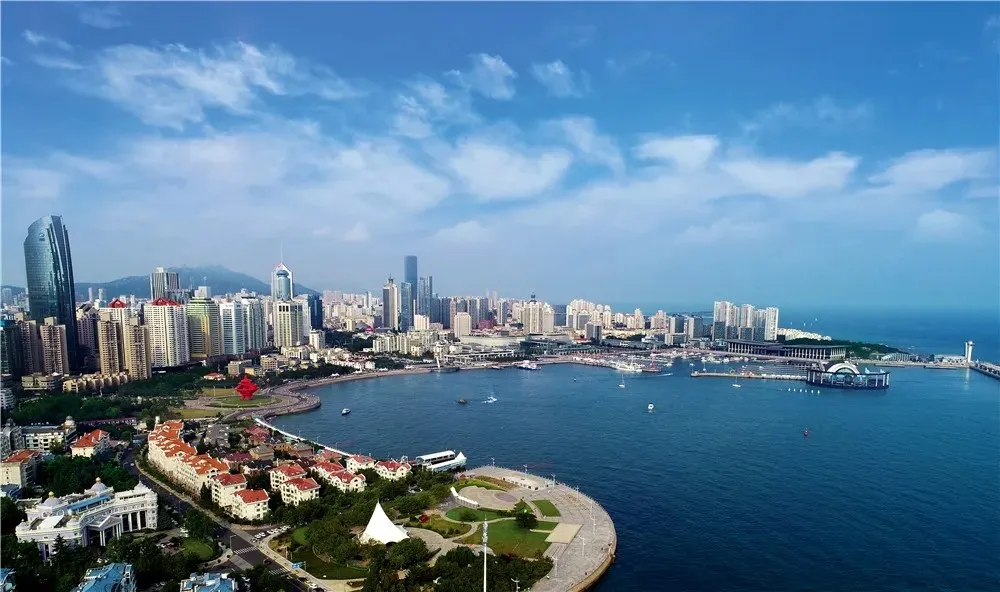

Weather in Zhanjiang
Zhanjiang, China experiences a humid subtropical climate characterized by hot, humid summers and mild, dry winters. The city receives an average annual precipitation of approximately 59 inches (1500 mm), with August being the wettest month, averaging around 10 inches (250 mm) of rainfall.
Seasonal Breakdown
- Spring (March to May)Temperatures gradually rise from an average high of 75°F (24°C) in March to 85°F (29°C) in May. Rainfall begins to increase during this period, with May receiving significant precipitation, averaging around 8 inches (200 mm).
- Summer (June to August)The hottest months, with average highs ranging from 88°F (31°C) in June to 91°F (33°C) in July. Rainfall is at its peak during the summer, especially in August, averaging around 10 inches (250 mm) per month.
- Autumn (September to November)Temperatures gradually decrease from an average high of 88°F (31°C) in September to 77°F (25°C) in November. Rainfall decreases but remains moderate, averaging around 5 inches (125 mm) per month.
- Winter (December to February)The coldest period, with average highs ranging from 68°F (20°C) in December to 66°F (19°C) in February. Rainfall is minimal, averaging about 2 inches (50 mm) in January.
Notable Weather Events
- Typhoons during the summer months
- Occasional heatwaves in July and August
- Heavy rainfall and potential flooding in August
Zhanjiang's Political Climate
Zhanjiang, located in the southern part of China, is a city with a unique political climate shaped by its strategic coastal position and its role within the broader political framework of China. As part of Guangdong Province, Zhanjiang operates under the centralized political system of the People's Republic of China, where the Communist Party holds significant influence over governance and policy-making.
Historically, Zhanjiang has been a focal point for maritime trade and military strategy, which has influenced its political and economic development. The city's leadership is typically aligned with the central government's policies, focusing on economic growth, infrastructure development, and maintaining social stability. Recent years have seen an emphasis on integrating Zhanjiang into the Greater Bay Area initiative, aiming to boost economic ties and development within the region.
Zhanjiang has also been active in implementing progressive policies, particularly in environmental sustainability. The city has launched initiatives to improve air and water quality, reflecting a growing awareness of environmental issues. Social policies are generally aligned with national directives, focusing on poverty alleviation and improving public services.
The political climate in Zhanjiang influences its economic decisions, particularly in terms of attracting foreign investment and developing its port facilities. Socially, the city is experiencing gradual changes as younger generations become more engaged in civic matters, although political activism remains limited compared to Western standards. Environmentally, Zhanjiang is making strides in sustainable urban development, balancing industrial growth with ecological preservation.
Political Quick Facts
- Voter TurnoutN/A (as local elections are not held in the same manner as democratic countries)
- City GovernanceMunicipal government under the leadership of the Communist Party
- CompositionDominated by members of the Communist Party
- Recent Political ChangesIncreased focus on integrating with the Greater Bay Area initiative
- EngagementModerate, with limited public political activism
- Political ScorecardHigh alignment with national policies and directives
- Legislative PrioritiesEconomic integration with the Greater Bay Area Environmental sustainability initiatives Infrastructure development
- Public OpinionGenerally supportive of national policies, with growing interest in environmental and social issues
Notable Political Figures
- Liang WeifaCurrent Party Secretary of Zhanjiang, known for his focus on economic development and integration with regional initiatives.
- Zhang ShuofuFormer Mayor of Zhanjiang, played a key role in urban development projects.
- Chen YijunInfluential in local environmental policy, advocating for sustainable practices.