Things to do in Zunyi
Zunyi, located in Guizhou Province, China, is a city rich in history and culture. Known for its significant role in Chinese revolutionary history, Zunyi offers visitors a blend of historical landmarks, natural scenery, and cultural experiences.The city is famous for the Zunyi Conference site, a pivotal location in the history of the Chinese Communist Party. Beyond its historical importance, Zunyi also boasts beautiful landscapes, traditional architecture, and vibrant local culture.Zunyi Conference Site
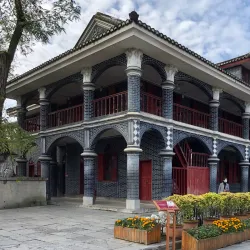
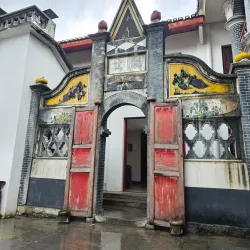
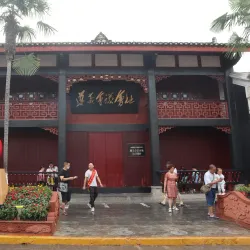
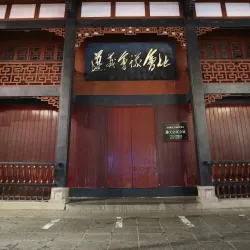
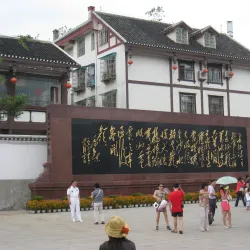
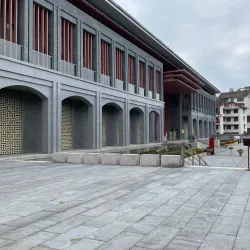
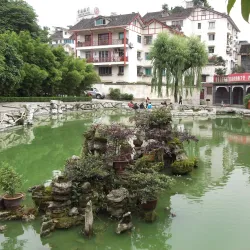
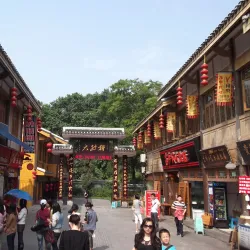
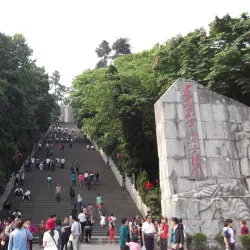
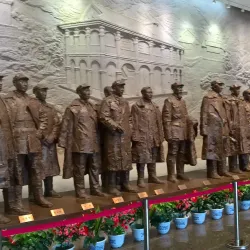
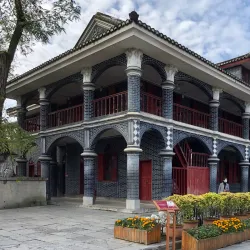
The Zunyi Conference Site is the most famous historical landmark in Zunyi, where the crucial meeting of the Chinese Communist Party took place in 1935. This conference marked a turning point in the Chinese revolution, leading to the rise of Mao Zedong as a key leader.
The site is preserved as a museum, showcasing exhibits related to the conference and the revolutionary history of China. It attracts many visitors interested in modern Chinese history.
Red Army Mountain Revolutionary Memorial Park
This memorial park commemorates the Red Army's Long March and their struggles in the region. It features statues, monuments, and informative displays about the revolutionary history of Zunyi and the broader Guizhou area.
The park is also a scenic area with walking paths and natural beauty, making it a peaceful place for reflection and learning.
Furong Ancient Town
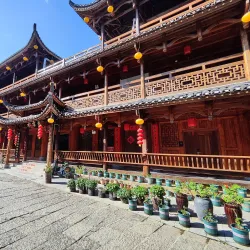
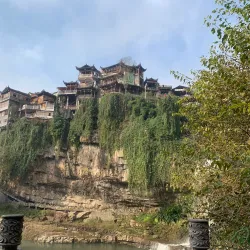
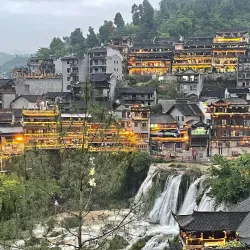
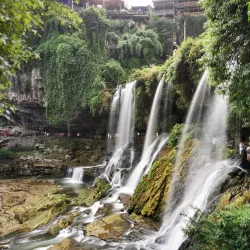
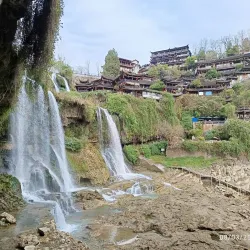
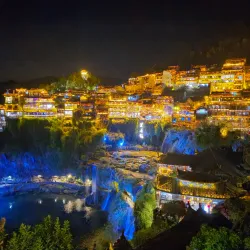
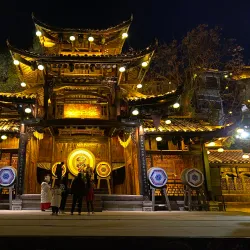
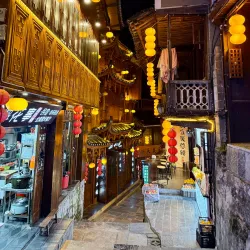
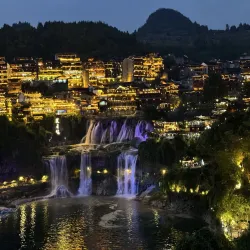
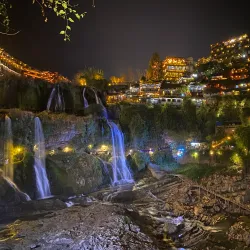
Furong Ancient Town is a well-preserved traditional town near Zunyi, known for its historic architecture, ancient streets, and cultural heritage. Visitors can explore old buildings, local crafts, and traditional cuisine.
The town offers a glimpse into the lifestyle and culture of the region's past, with opportunities to experience local festivals and customs.
Zunyi Museum
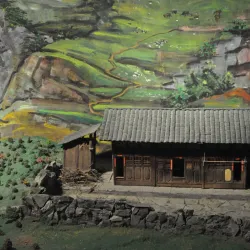
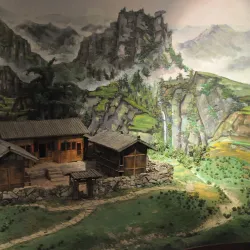
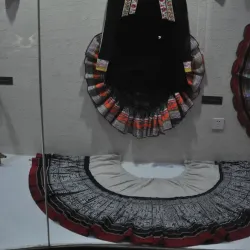
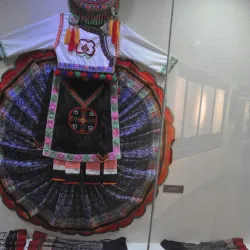

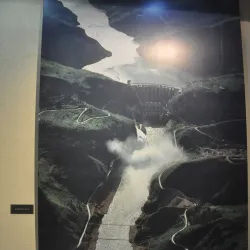

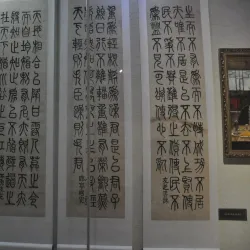
The Zunyi Museum houses a collection of artifacts and exhibits related to the history, culture, and ethnic diversity of the Zunyi region. It provides educational insights into the area's development and heritage.
The museum is a great place for visitors to deepen their understanding of Zunyi's cultural and historical context.
Honghuagang Park
Honghuagang Park is a large urban park in Zunyi, offering green spaces, walking trails, and recreational facilities. It is a popular spot for locals and tourists to relax and enjoy nature within the city.
The park often hosts cultural events and activities, making it a lively place to experience local life.
Maotai Town
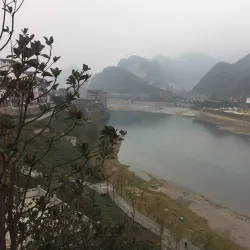
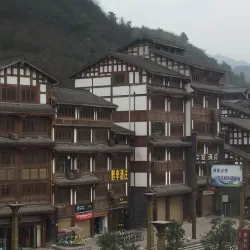
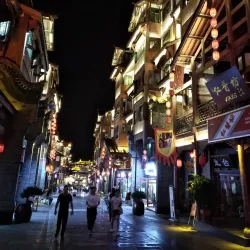
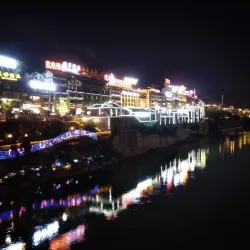
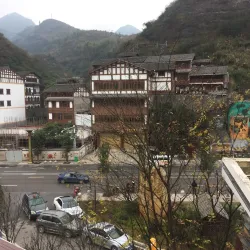
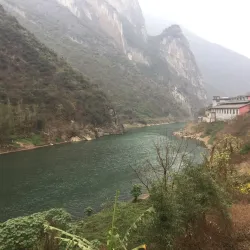
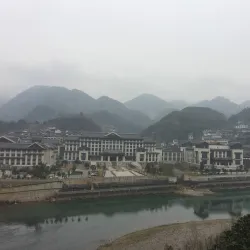
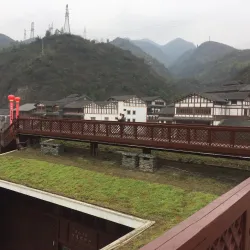
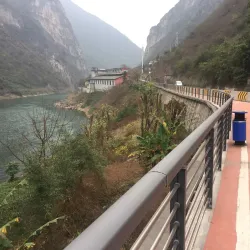
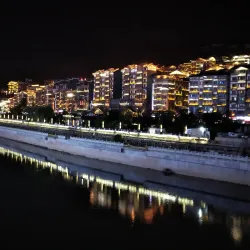
Maotai Town, located near Zunyi, is famous for producing Maotai, a renowned Chinese liquor. Visitors can tour distilleries, learn about the traditional brewing process, and sample the famous spirit.
The town combines cultural tourism with the unique experience of exploring one of China's most iconic liquors.
Xishui National Forest Park
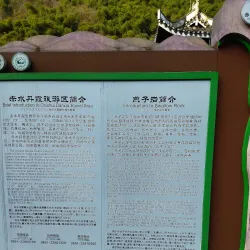
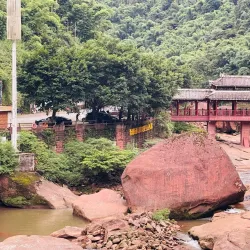
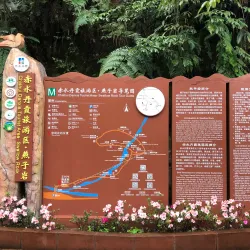
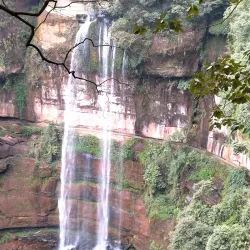
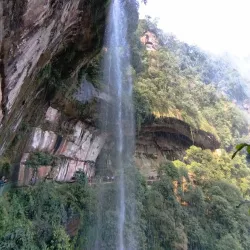
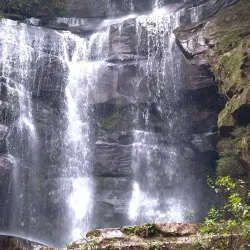
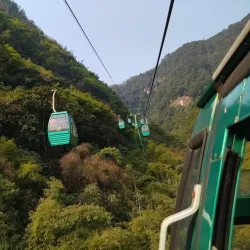
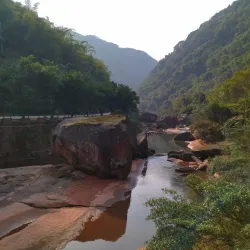
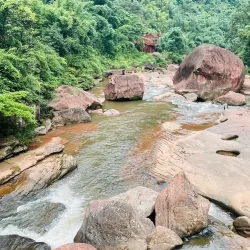
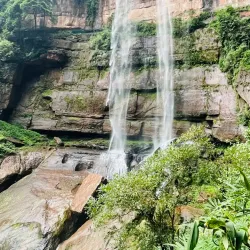
Xishui National Forest Park is a natural reserve near Zunyi, known for its lush forests, diverse wildlife, and scenic hiking trails. It is an ideal destination for nature lovers and outdoor enthusiasts.
The park offers opportunities for bird watching, photography, and enjoying the tranquility of the natural environment.
Zunyi People's Square
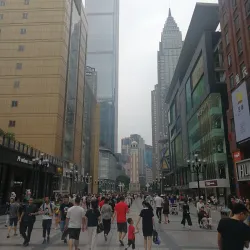
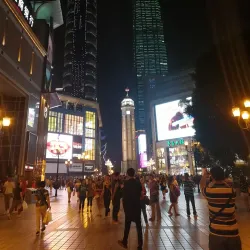
Zunyi People's Square is a central public space in the city, surrounded by important government buildings and commercial areas. It is a hub of activity and a good starting point for exploring the city.
The square often hosts public events, performances, and festivals, reflecting the vibrant community life of Zunyi.
Honghuagang Revolutionary Memorial Hall
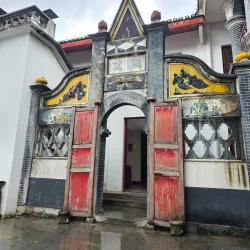
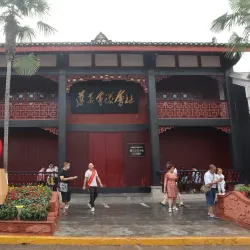
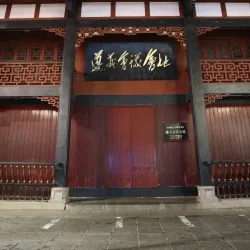
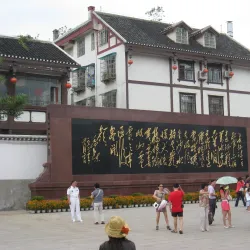
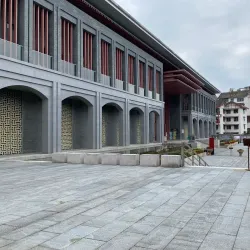
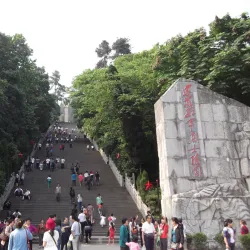
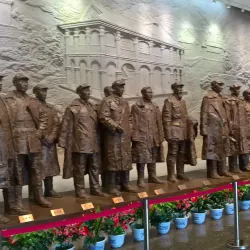
This memorial hall is dedicated to the revolutionary history of the Honghuagang District in Zunyi. It features exhibits on the local contributions to the Chinese revolution and the Long March.
The hall serves as an educational site and a tribute to the sacrifices made during the revolutionary period.
Zunyi Old Town
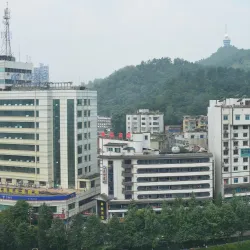
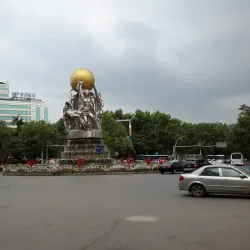
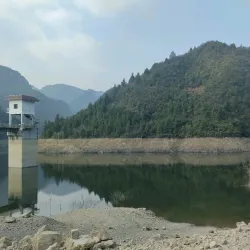
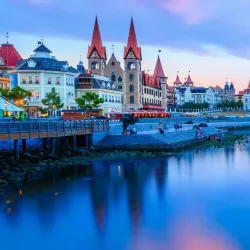

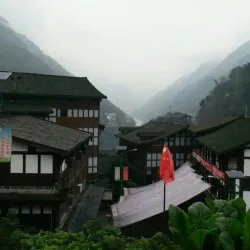
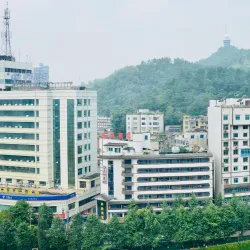
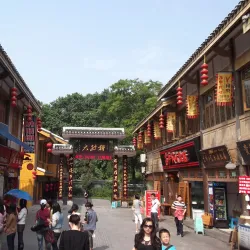
Zunyi Old Town offers a glimpse into the city's past with its traditional architecture, narrow streets, and historic buildings. It is a charming area to explore on foot, with shops, cafes, and cultural sites.
The old town preserves the heritage of Zunyi and provides a contrast to the modern parts of the city.