
Quality of life in Puriscal
Cost of Living, Healthcare, Safety, Education, and More
About Puriscal
Nestled in the lush landscapes of Costa Rica, Puriscal is a charming town known for its rich cultural heritage and serene environment. The town offers a unique blend of traditional Costa Rican culture and modern amenities, making it an attractive destination for both tourists and expatriates. Puriscal is renowned for its agricultural roots, with coffee and sugarcane being significant contributors to its local economy.In recent years, Puriscal has seen a rise in eco-tourism, drawing visitors who are eager to explore its natural beauty and engage with its vibrant community. The town's commitment to sustainability and preserving its natural resources has made it a model for environmentally conscious living in Costa Rica.


History and Culture
Puriscal's history is deeply intertwined with the indigenous cultures that once thrived in the region. The town's name is derived from the native word 'Purisco,' reflecting its rich indigenous heritage. Over the centuries, Puriscal has evolved from a small agricultural settlement to a bustling town, while still retaining its traditional charm.
Culturally, Puriscal is a tapestry of traditions and modern influences. The town is home to several cultural institutions, including local museums and art galleries that showcase the works of Costa Rican artists. Music and dance play a significant role in the community, with traditional Costa Rican folk music often heard during local festivals and celebrations.
The town's ethnic diversity is reflected in its vibrant community events and festivals, which celebrate the various cultural influences that have shaped Puriscal. Notable events include the annual 'Fiestas de Puriscal,' a lively celebration featuring parades, music, and traditional dances that highlight the town's cultural vibrancy.
Things to do in Puriscal
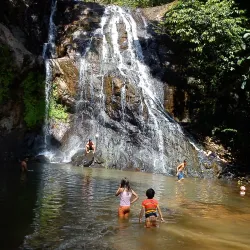
Visitors to Puriscal can enjoy a variety of activities that highlight the town's natural beauty and cultural richness. The nearby La Cangreja National Park offers hiking trails that wind through lush forests and lead to stunning waterfalls, providing a perfect escape for nature enthusiasts.
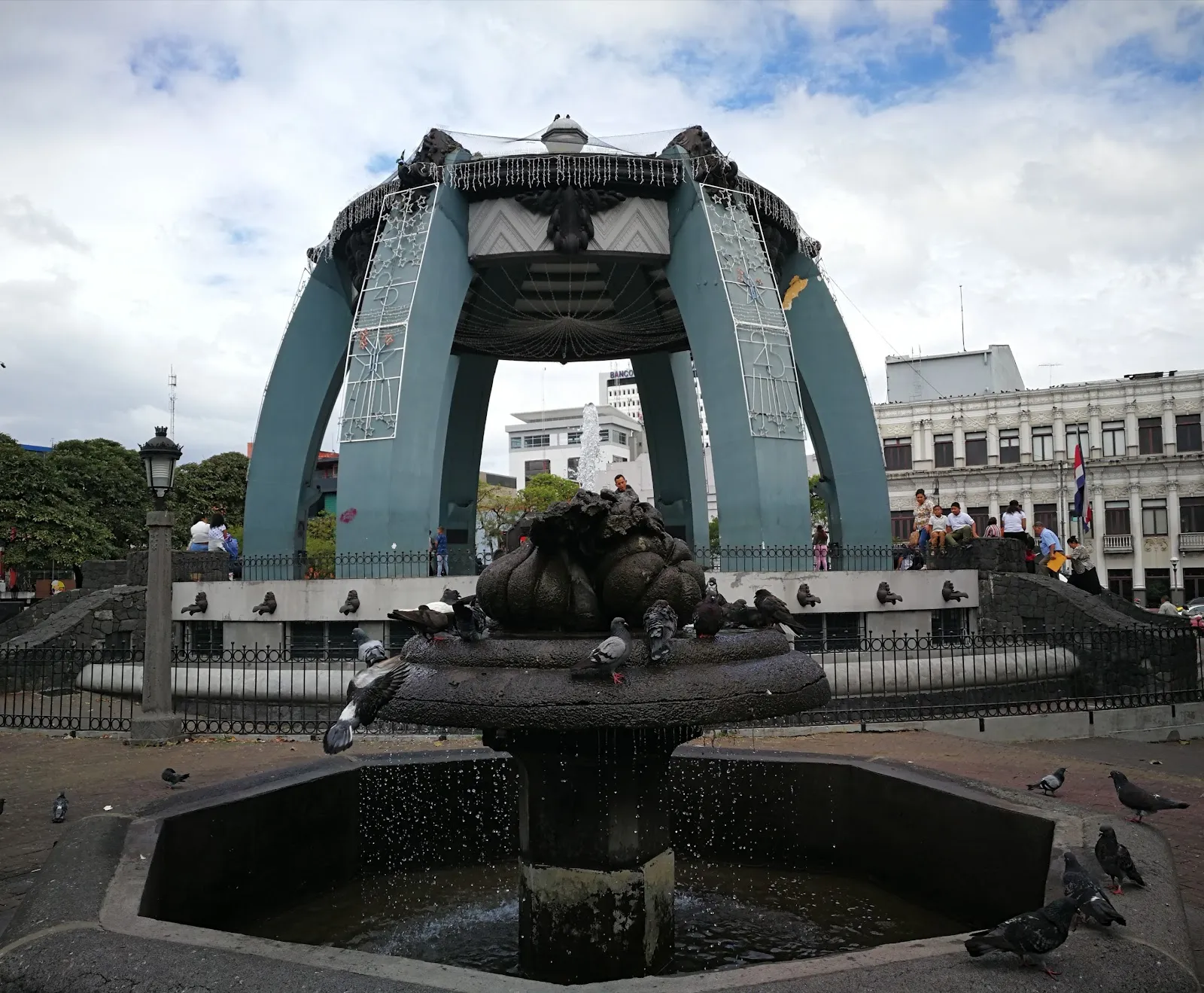
For those interested in cultural experiences, the town's central plaza is a hub of activity, surrounded by local shops and eateries where visitors can sample traditional Costa Rican cuisine. The Puriscal Market is another must-visit, offering a wide array of local produce and handmade crafts.
Puriscal is also known for its vibrant arts scene, with numerous galleries and workshops where visitors can engage with local artists and even participate in art classes. The town's commitment to preserving its cultural heritage is evident in its numerous festivals and events, which offer a glimpse into the traditional Costa Rican way of life.
Quality of Life Rankings
Weather in Puriscal
Puriscal, Costa Rica experiences a tropical climate characterized by distinct wet and dry seasons. The city is situated in a mountainous region, which moderates temperatures compared to coastal areas. Average annual precipitation is approximately 100 inches (2540 mm), with September being the wettest month, averaging around 15 inches (381 mm) of rainfall.
Seasonal Breakdown
- Spring (March to May)Temperatures during spring range from an average high of 82°F (28°C) in March to 84°F (29°C) in May. This period marks the transition from the dry season to the wet season, with rainfall gradually increasing, especially in May.
- Summer (June to August)Summer is part of the wet season, with average highs around 82°F (28°C). Rainfall is frequent and heavy, particularly in July and August, averaging about 12 inches (305 mm) per month.
- Autumn (September to November)Autumn continues the wet season, with temperatures remaining steady around 81°F (27°C). September is the wettest month, with rainfall peaking at 15 inches (381 mm).
- Winter (December to February)Winter marks the dry season, with average highs around 83°F (28°C). Rainfall significantly decreases, with January being the driest month, averaging about 1 inch (25 mm) of rain.
Notable Weather Events
- Heavy rainfall and potential flooding during the wet season, particularly in September.
- Occasional landslides in mountainous areas due to heavy rains.
- Dry conditions and lower humidity during the dry season, especially in January and February.
Puriscal's Political Climate
Puriscal, a charming city nestled in the mountains of Costa Rica, is known for its vibrant political climate that reflects the broader democratic traditions of the country. The city operates under a local government structure that aligns with Costa Rica's commitment to democratic governance and civic participation. Political affiliations in Puriscal tend to lean towards progressive and environmentally conscious policies, reflecting the country's overall emphasis on sustainability and eco-friendly practices.
Historically, Puriscal has been a stronghold for political movements that prioritize social justice and environmental conservation. The city's leadership has been proactive in implementing policies that support sustainable agriculture, renewable energy, and community-based tourism. These initiatives not only enhance the local economy but also ensure the preservation of Puriscal's natural beauty and cultural heritage.
In recent years, Puriscal has seen a rise in civic engagement, with local movements advocating for improved infrastructure and educational opportunities. The city's political climate is characterized by a collaborative approach, where community input is highly valued in decision-making processes. This participatory governance model has fostered a sense of ownership and accountability among residents, contributing to a politically active and informed citizenry.
Political Quick Facts
- Voter Turnout68%
- City GovernanceMunicipal Council
- CompositionMajority Progressive with minority representation from other parties
- Recent Political ChangesIncreased focus on digital infrastructure and education reform
- EngagementHigh
- Political Scorecard8/10 for transparency and governance
- Legislative PrioritiesSustainable agriculture Renewable energy initiatives Community-based tourism
- Public OpinionResidents generally support progressive policies, with strong emphasis on environmental conservation and social equity.
Notable Political Figures
- Ana María JiménezMayor of Puriscal known for her work in promoting sustainable development and community engagement.
- Carlos RojasCity council member and advocate for educational reform and digital infrastructure.
- María Fernanda SolanoEnvironmental activist and leader in local conservation efforts.