Things to do in Pula
Pula is a charming coastal city located in the Istrian Peninsula of Croatia, known for its rich history, stunning Roman architecture, and beautiful Adriatic coastline. The city offers a blend of ancient heritage and modern attractions, making it a popular destination for travelers interested in history, culture, and seaside relaxation.Pula's neighborhoods range from the historic old town with its narrow streets and ancient ruins to vibrant waterfront areas filled with cafes and restaurants. Visitors can explore Roman amphitheaters, medieval castles, and picturesque beaches all within close proximity.Pula Arena
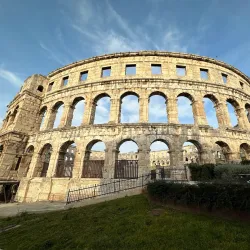
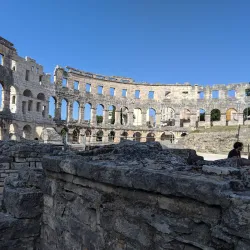
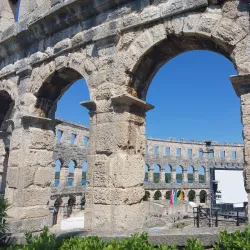
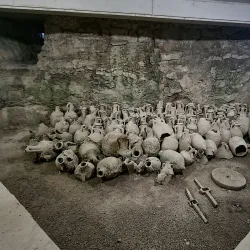
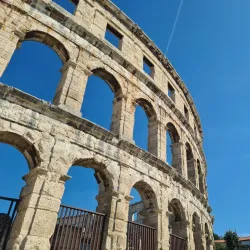
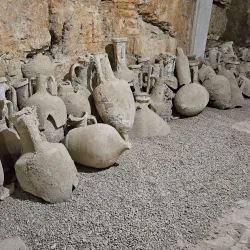
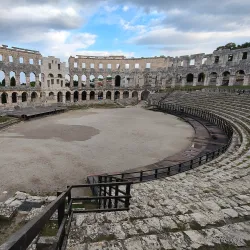
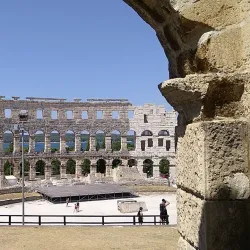
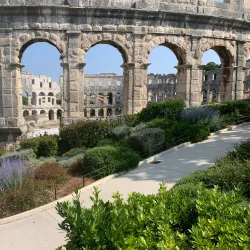
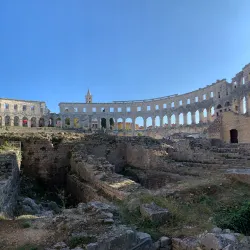
The Pula Arena is a remarkably well-preserved Roman amphitheater dating back to the 1st century AD. It is one of the largest surviving Roman amphitheaters in the world and the only one with all four side towers intact. The arena was originally used for gladiator contests and public spectacles and today hosts concerts, festivals, and events.
Visitors can explore the arena's interior and learn about its history through exhibits and guided tours, making it a must-see landmark in Pula.
Temple of Augustus
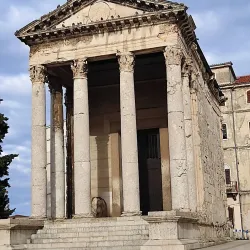
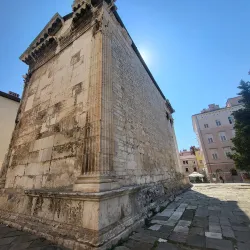
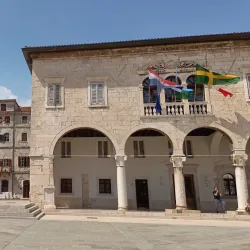
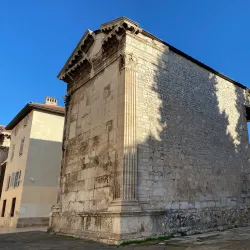
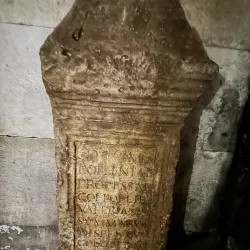
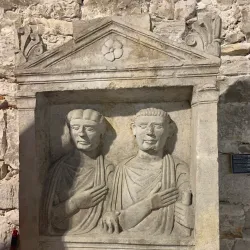
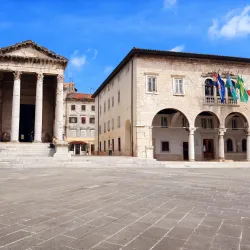
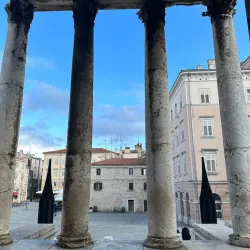
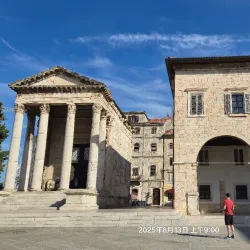
This ancient Roman temple, dedicated to the first Roman emperor Augustus, is located in Pula's Forum square. Built between 2 BC and 14 AD, it is one of the best-preserved Roman temples in the region.
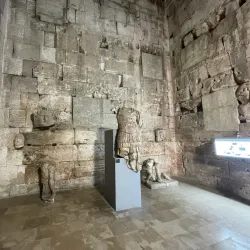
The temple features classical architecture with Corinthian columns and a richly decorated facade. It now serves as a small museum showcasing Roman artifacts and provides insight into Pula's Roman past.
Pula Fortress (Kaštel)
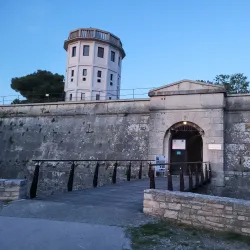
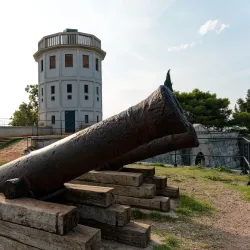
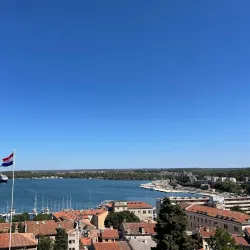
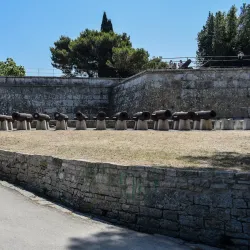
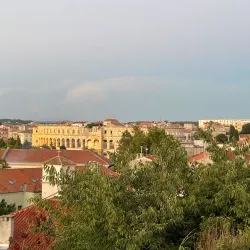
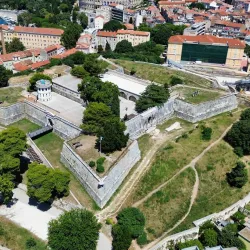
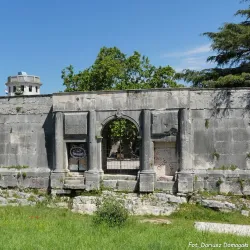
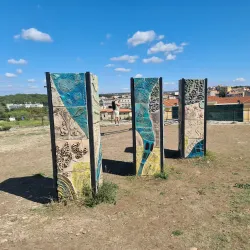
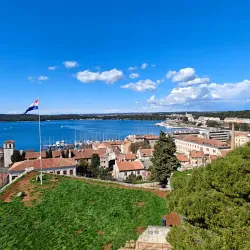
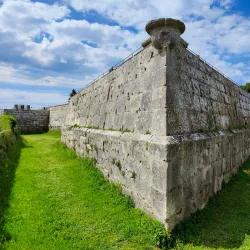
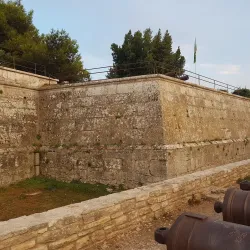
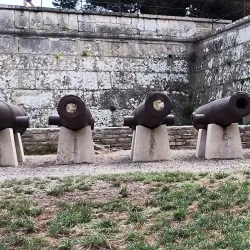
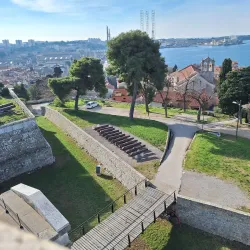
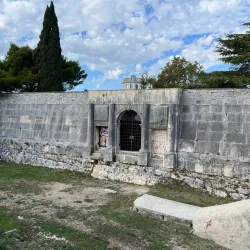
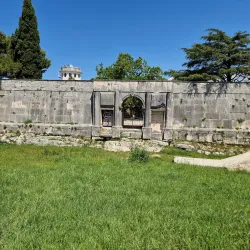
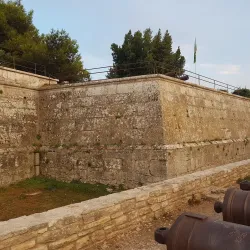
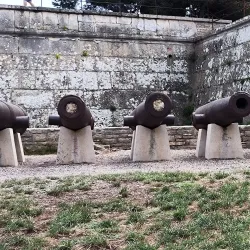
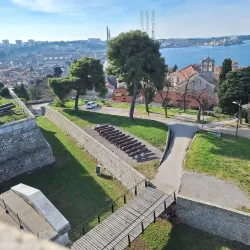
Perched on a hill overlooking the city and the sea, Pula Fortress offers panoramic views and a glimpse into the city's medieval history. The fortress was built in the 17th century by the Venetians and later expanded by the Austrians.
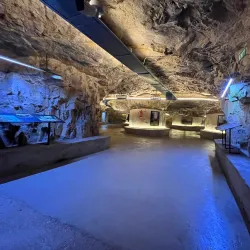
Inside, visitors can explore the fortress walls, dungeons, and exhibition spaces that often host cultural events and art displays.
Archaeological Museum of Istria
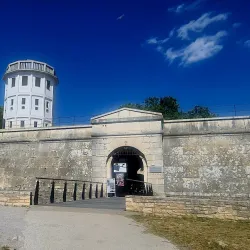
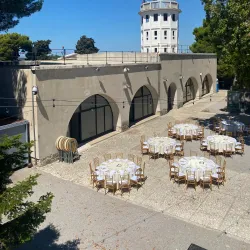
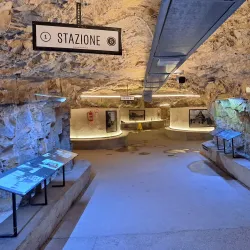
This museum houses an extensive collection of artifacts from prehistoric times through the Roman era to the Middle Ages, highlighting the rich history of the Istrian Peninsula.
Exhibits include ancient pottery, sculptures, coins, and tools, providing a comprehensive overview of the region's archaeological heritage.
Brijuni National Park
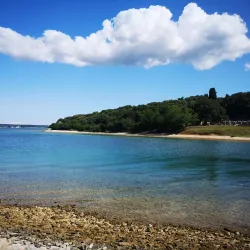
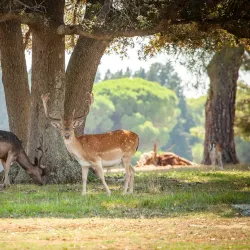
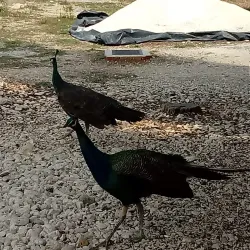
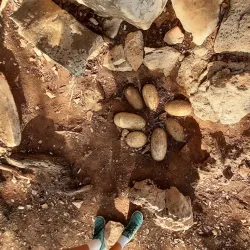
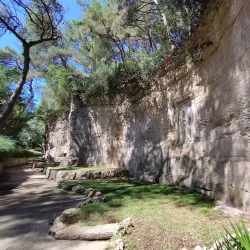
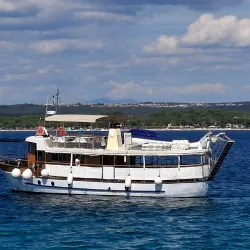
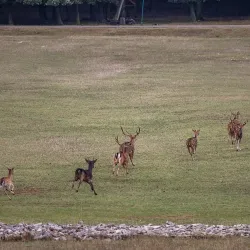
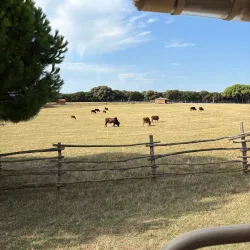

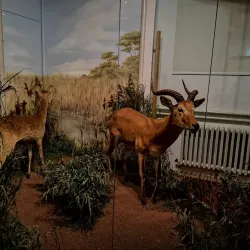
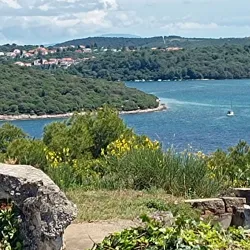
Located a short boat ride from Pula, Brijuni National Park is an archipelago known for its natural beauty, diverse wildlife, and historical sites. The park features lush vegetation, walking trails, and archaeological remains including Roman villas and Byzantine fortifications.
Visitors can enjoy guided tours, safari rides, and explore the park's museums and galleries.
Pula Cathedral (Cathedral of the Assumption of the Blessed Virgin Mary)
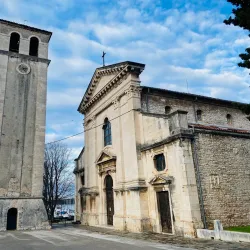
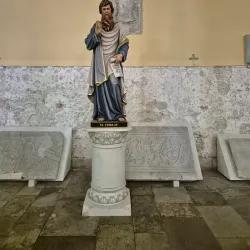
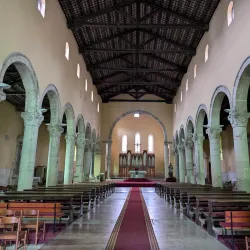
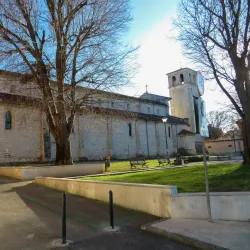
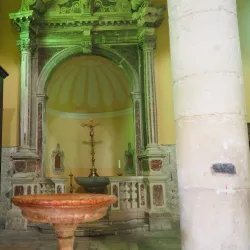
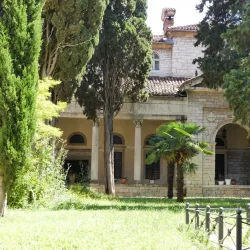
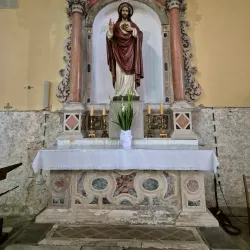
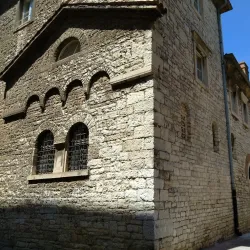
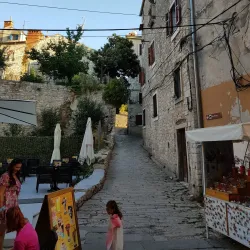
This cathedral is a significant religious and architectural landmark in Pula, originally built in the 5th century and later rebuilt in the Baroque style.
The interior features beautiful frescoes, altars, and religious artifacts, reflecting the city's spiritual heritage.
Kamenjak Peninsula
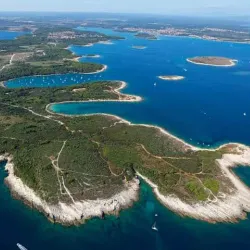
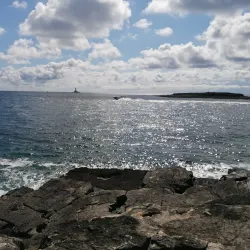
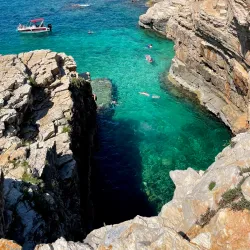
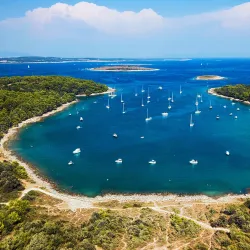
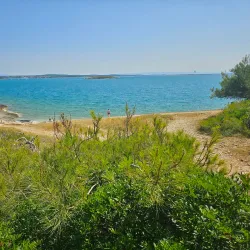
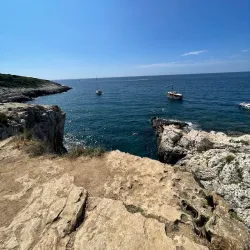
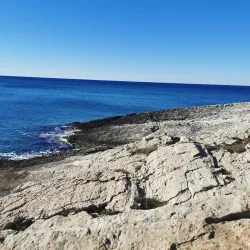
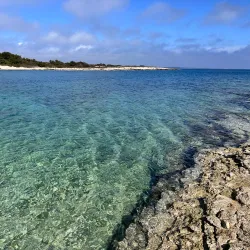

A nature reserve located south of Pula, Kamenjak Peninsula is famous for its rugged coastline, crystal-clear waters, and diverse flora and fauna. It is a popular spot for swimming, snorkeling, hiking, and cycling.
The area also features prehistoric rock carvings and several secluded beaches, making it a favorite destination for outdoor enthusiasts.
Pula Market
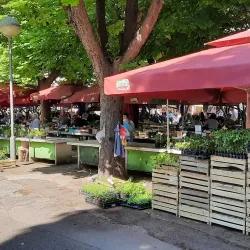
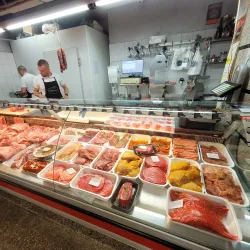
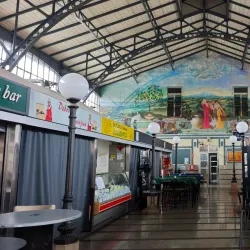
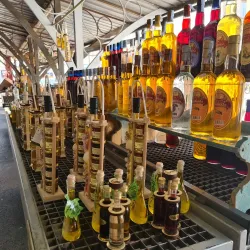
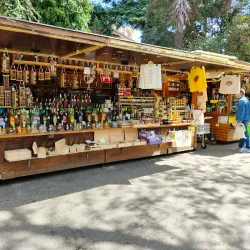

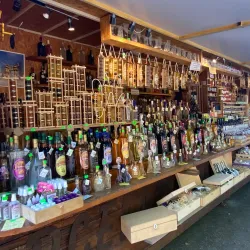
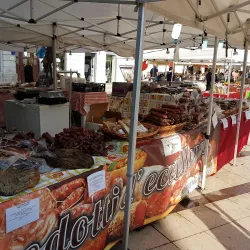
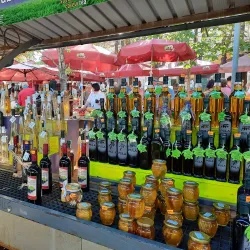
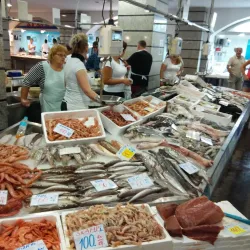
The Pula Market is a vibrant place where locals and visitors alike can buy fresh produce, local delicacies, and handmade crafts. It offers an authentic experience of the local culture and cuisine.
The market is especially lively in the mornings and is a great spot to sample Istrian specialties such as truffles, olive oil, and fresh seafood.
Historical Museum of Istria
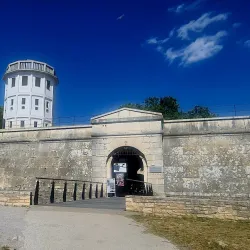
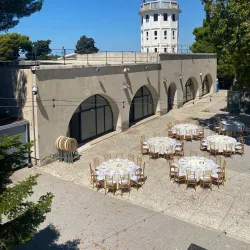
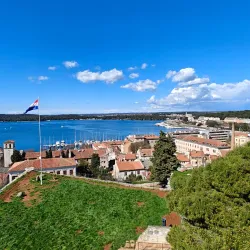
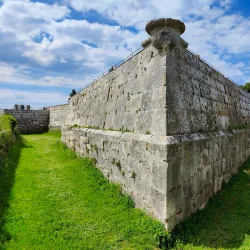
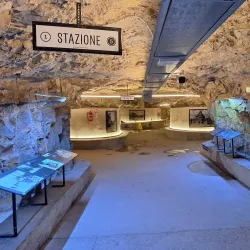
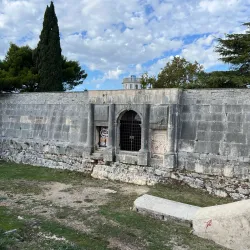
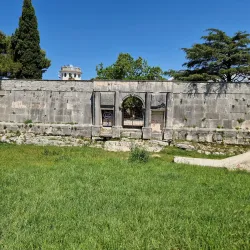
This museum provides a detailed look at the history of Istria from prehistoric times to the modern era. Exhibits include artifacts, documents, and multimedia presentations that tell the story of the region's diverse cultural influences.
The museum is housed in a historic building in the city center and is an excellent stop for history buffs.
Pula Aquarium
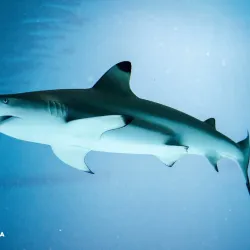
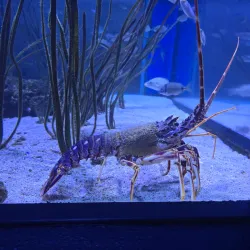
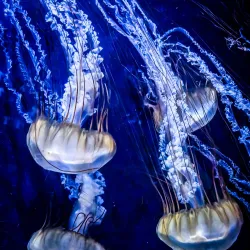
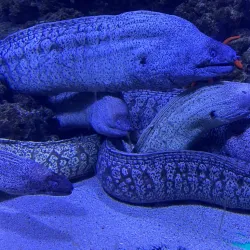
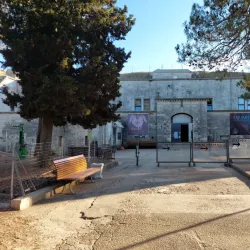
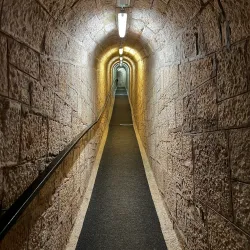
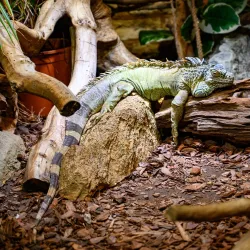


Situated in a 19th-century Austro-Hungarian fortress, the Pula Aquarium showcases marine life from the Adriatic Sea and beyond. It features various tanks with fish, crustaceans, and other sea creatures.
The aquarium also focuses on marine conservation and education, making it a family-friendly attraction.