Things to do in Zadar
Zadar is a historic city located on the Adriatic coast of Croatia, known for its rich cultural heritage and stunning seaside views. The city blends ancient Roman and Venetian architecture with modern installations, offering visitors a unique experience.Zadar's old town is a maze of cobbled streets, ancient churches, and Roman ruins, while the waterfront features innovative attractions that celebrate the natural environment and local traditions.Sea Organ (Morske Orgulje)
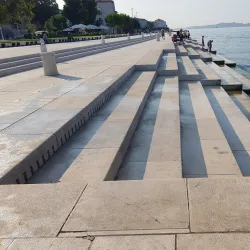

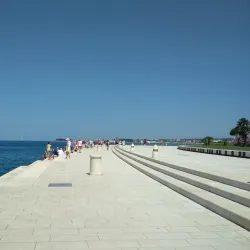
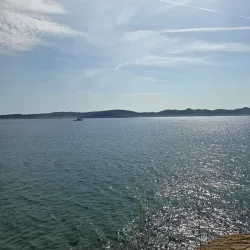
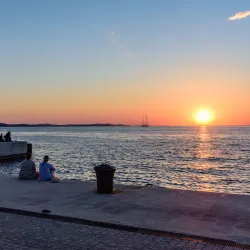
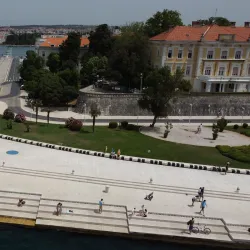
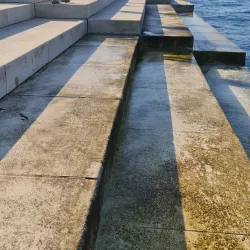
An architectural sound art object located on the city's waterfront, the Sea Organ produces music by way of sea waves and tubes located underneath a set of large marble steps.
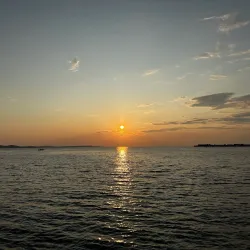
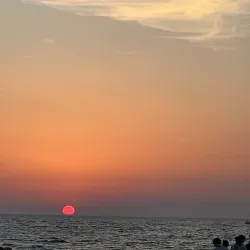
It is a unique blend of natural elements and human creativity, offering a soothing auditory experience especially at sunset.
Greeting to the Sun (Pozdrav Suncu)
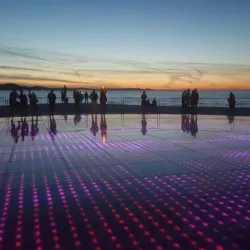
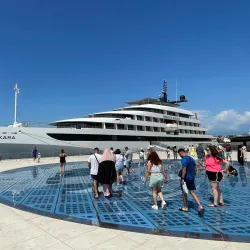
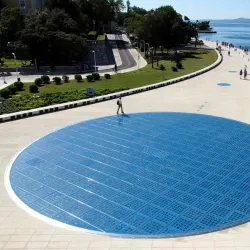
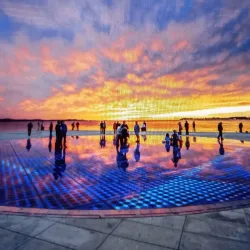
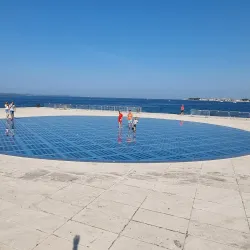
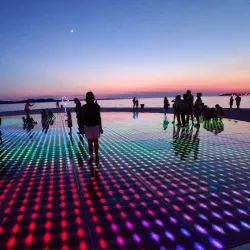
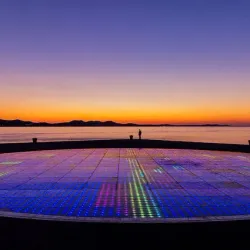
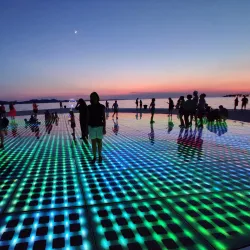

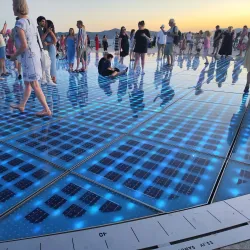
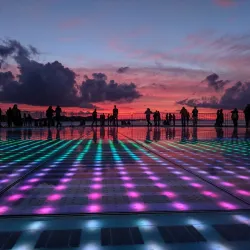
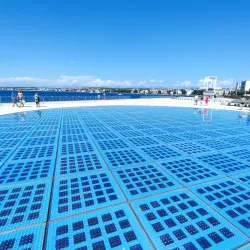
A large solar-powered installation that creates a colorful light show at night, symbolizing the sun and its energy.
Located near the Sea Organ, it complements the auditory experience with a visual spectacle, making the waterfront a popular spot for visitors.
Roman Forum
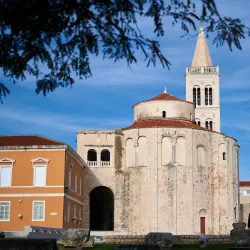
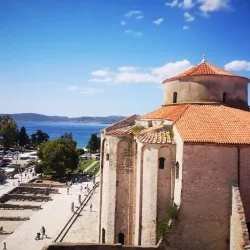
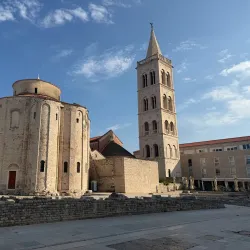
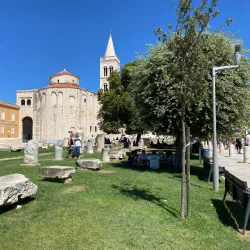
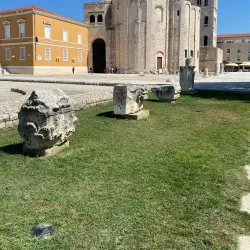
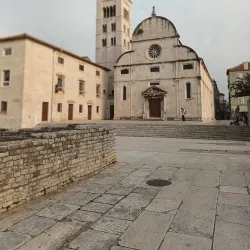
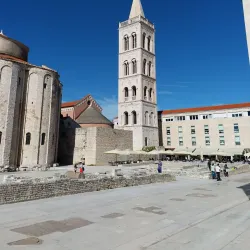
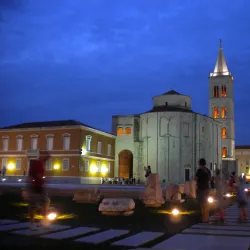
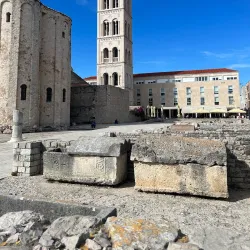
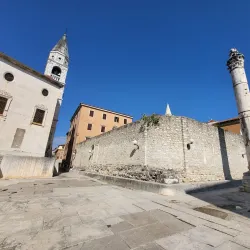
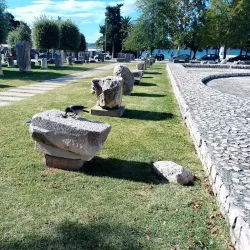
The Roman Forum is the ancient heart of Zadar, dating back to the 1st century BC. It was the center of public life in Roman times.
Visitors can see well-preserved ruins including columns, temples, and remnants of public buildings, providing insight into the city's Roman past.
St. Donatus Church
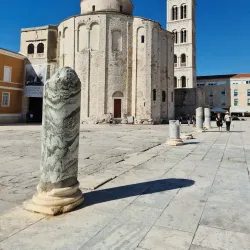
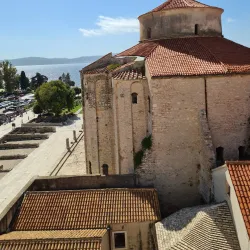
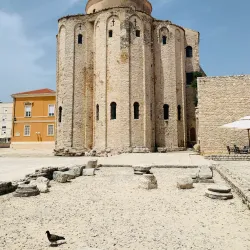


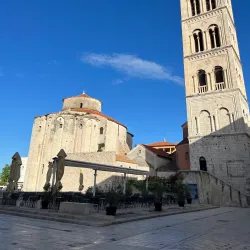
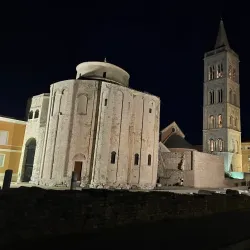
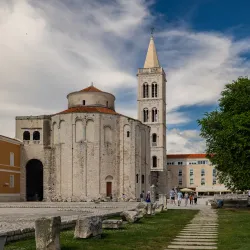
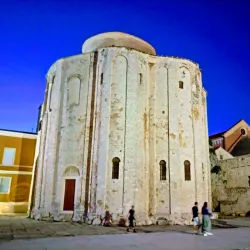
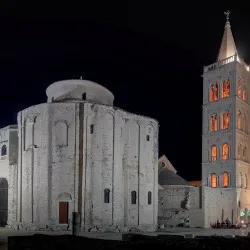
A pre-Romanesque church from the 9th century, known for its distinctive circular shape and impressive acoustics.
It is one of the most famous landmarks in Zadar and often hosts concerts due to its excellent sound qualities.
Zadar Cathedral (Cathedral of St. Anastasia)
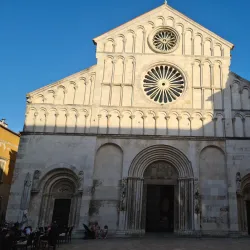
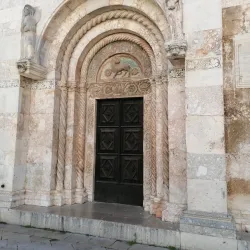
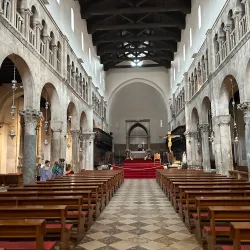
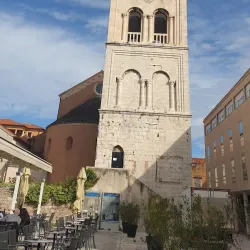
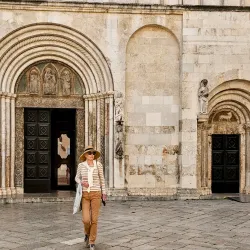
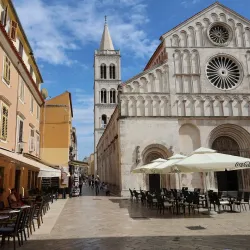
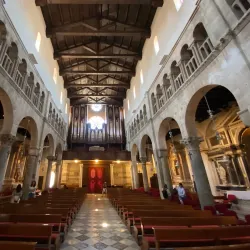
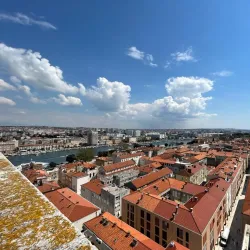
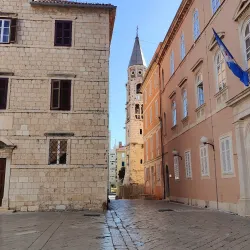
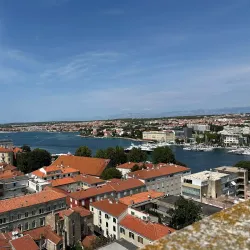
The largest church in Dalmatia, this Romanesque cathedral features a beautiful interior with intricate stone carvings and a bell tower offering panoramic views of the city.
It is a significant religious and historical site, reflecting the city's medieval heritage.
Museum of Ancient Glass
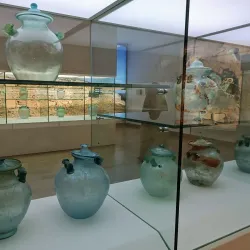
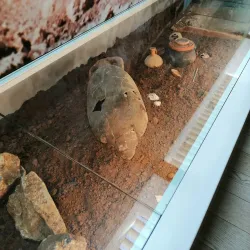
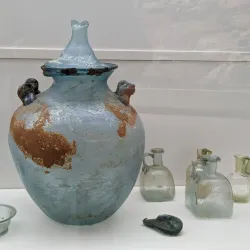
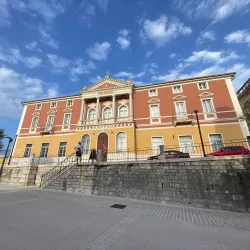
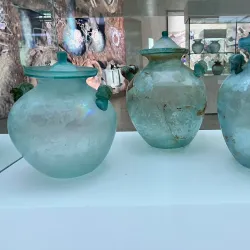
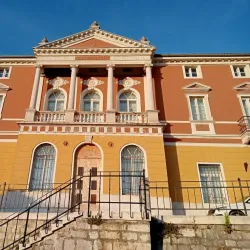
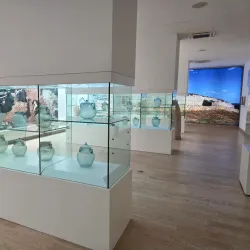
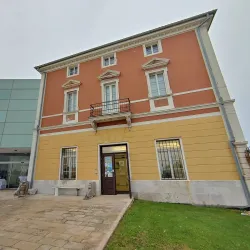
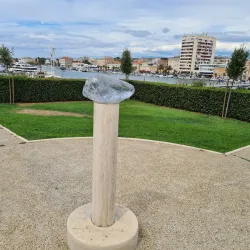
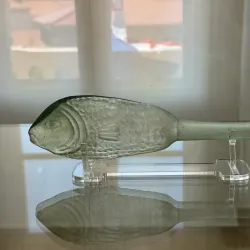
This museum showcases a collection of ancient glass artifacts, highlighting the craftsmanship and trade of glassware in the region.
Visitors can learn about the history of glassmaking and see demonstrations of traditional techniques.
Five Wells Square (Trg Pet Bunara)
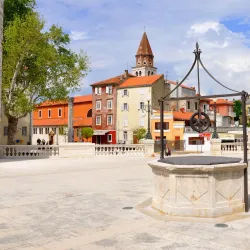
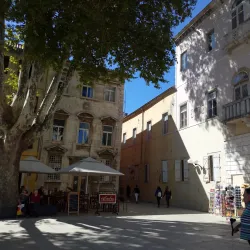
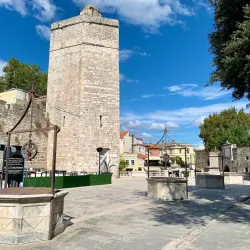
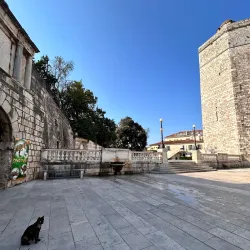
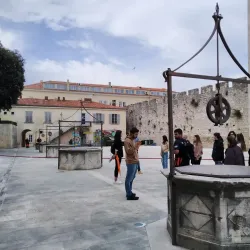
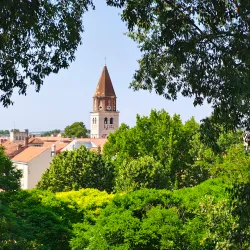
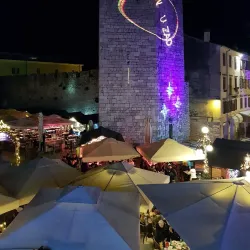
A historic square named after the five wells that once provided water to the city.
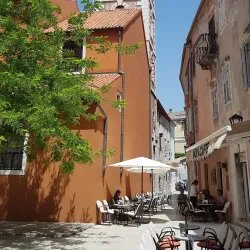
It is a charming spot surrounded by cafes and historic buildings, perfect for experiencing local life.
Kornati National Park
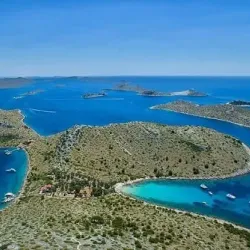
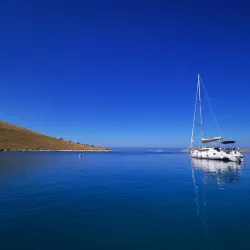
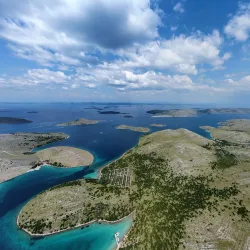
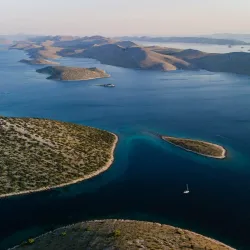
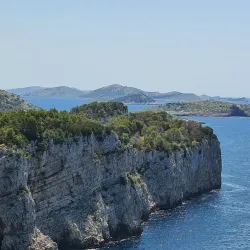

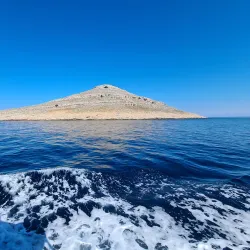
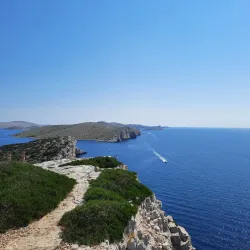
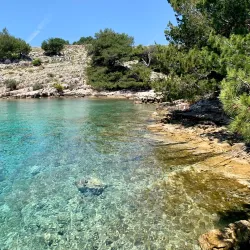
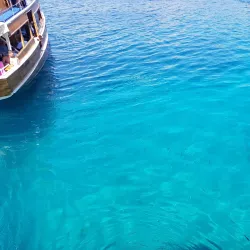
A stunning archipelago of 89 islands, islets, and reefs, known for its crystal-clear waters and diverse marine life.
Accessible by boat from Zadar, it is ideal for sailing, snorkeling, and exploring natural beauty.
Zadar City Walls and Gates
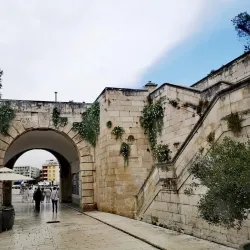
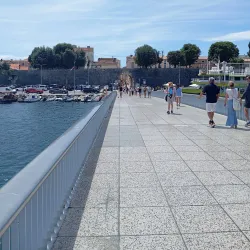
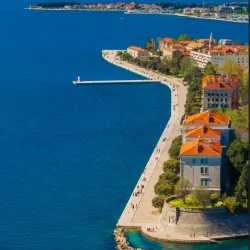
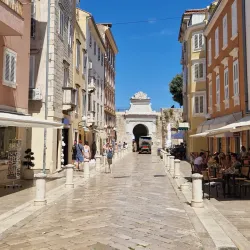
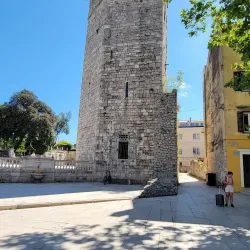

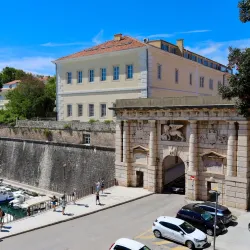
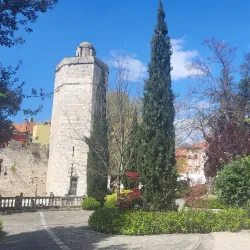
The medieval fortifications that once protected the city, including well-preserved gates and walls.
Walking along these structures offers insight into Zadar's defensive history and provides great views of the city and sea.
Archaeological Museum Zadar
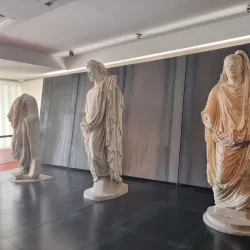
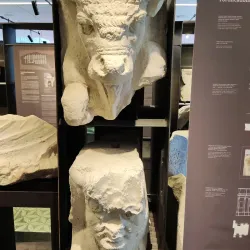
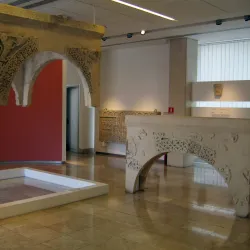
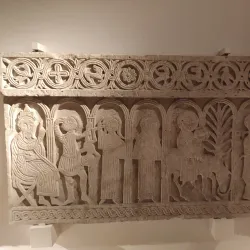
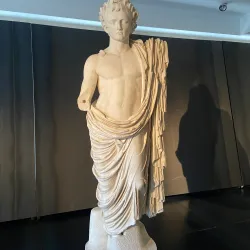
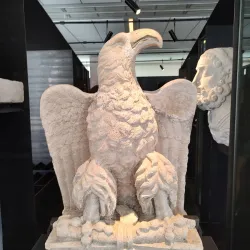
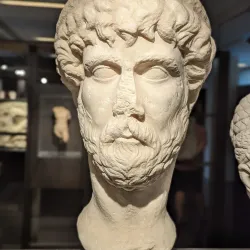
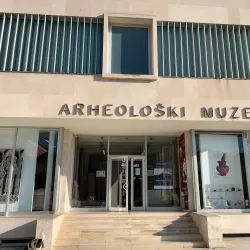
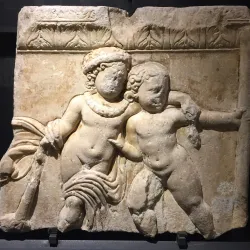
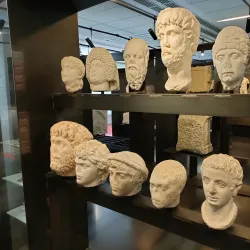
This museum houses artifacts from prehistoric times through the Roman period and beyond, showcasing the region's long history.
It is a key destination for those interested in archaeology and the cultural heritage of Dalmatia.