Things to do in Havana
Havana, the capital city of Cuba, is a vibrant destination known for its rich history, colorful architecture, and lively cultural scene. The city offers a unique blend of colonial charm and modern energy, making it a fascinating place to explore.From the historic streets of Old Havana to the bustling waterfront Malecón, Havana is a city that invites visitors to immerse themselves in its music, art, and culinary delights. Each neighborhood has its own character, offering diverse experiences for travelers.Old Havana (Habana Vieja)
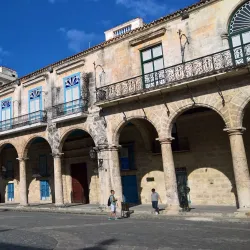
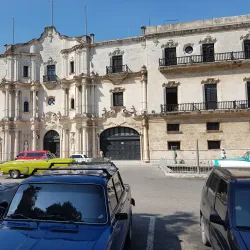
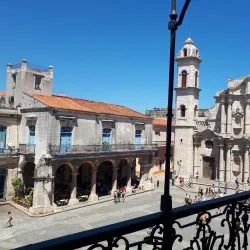
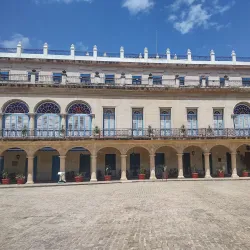
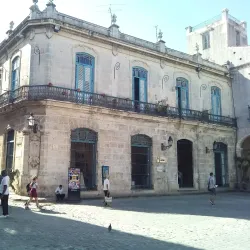
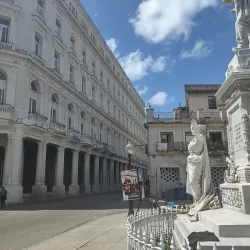
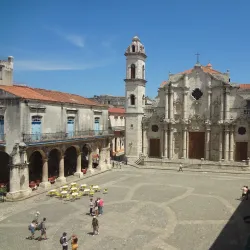
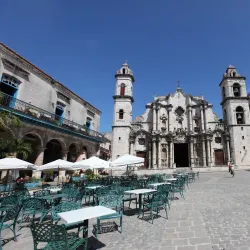
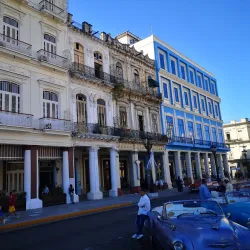
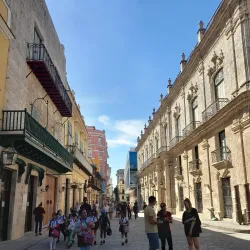
Old Havana is the historic heart of the city, featuring cobblestone streets, colonial architecture, and lively plazas. It is a UNESCO World Heritage Site known for its well-preserved buildings and vibrant atmosphere.
Visitors can explore landmarks such as Plaza Vieja, Plaza de la Catedral, and Castillo de la Real Fuerza, while enjoying cafes, shops, and street performances.
Malecón
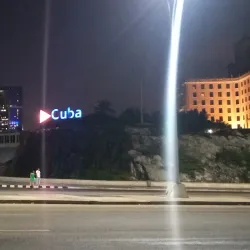
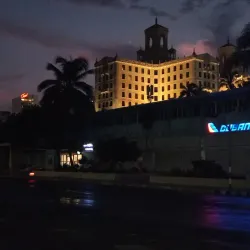
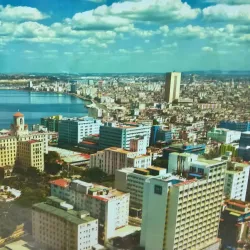
The Malecón is a broad esplanade, roadway, and seawall stretching along the coast of Havana. It is a popular gathering place for locals and tourists alike, offering stunning views of the sea and city skyline.
The Malecón is especially lively at sunset, with people socializing, fishing, and enjoying the ocean breeze.
El Capitolio (National Capitol Building)
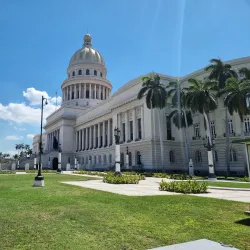
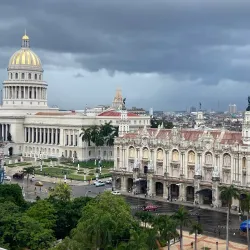
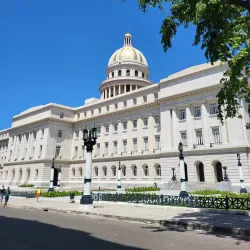
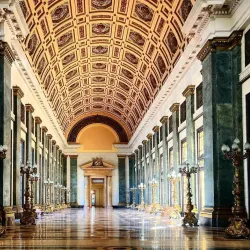
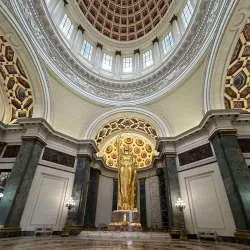
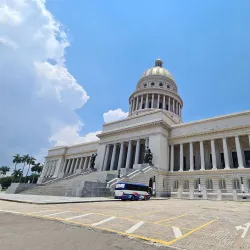
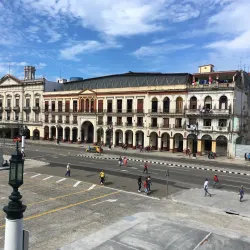
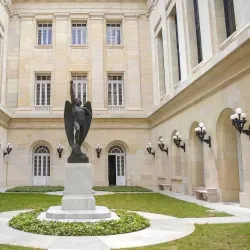
El Capitolio is an iconic building in Havana, resembling the U.S. Capitol but with unique Cuban architectural elements. It was once the seat of government and now houses the Cuban Academy of Sciences.
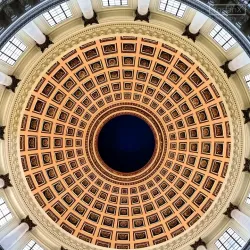
The building is notable for its grand dome and impressive interior, attracting many visitors interested in history and architecture.
Museo Nacional de Bellas Artes
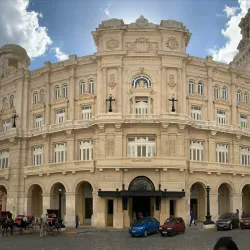
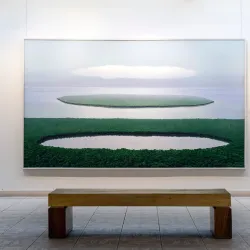
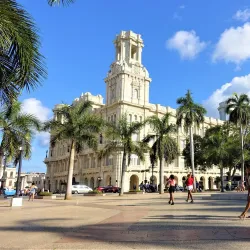
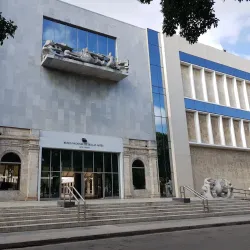
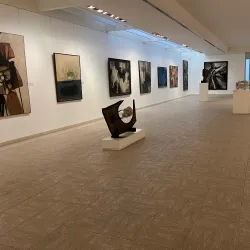
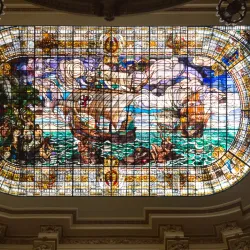
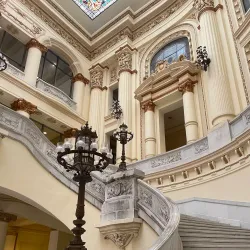
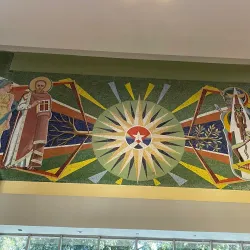
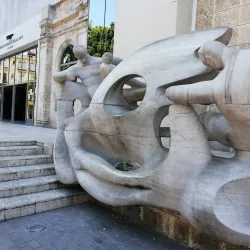
This museum showcases Cuban art from colonial times to contemporary works, alongside an international collection. It is divided into two buildings: one for Cuban art and another for universal art.
The museum offers a deep dive into Cuba's artistic heritage and is a must-visit for art enthusiasts.
Castillo del Morro (Morro Castle)
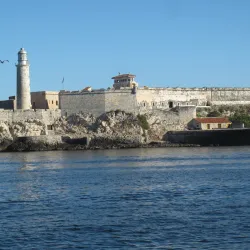
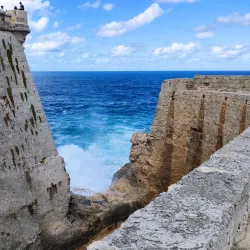
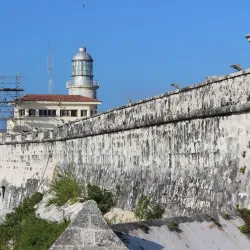
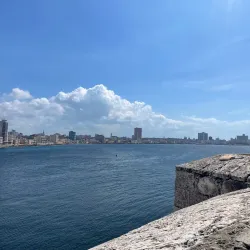
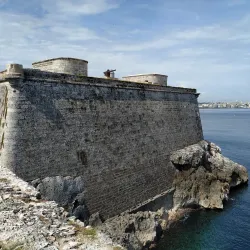
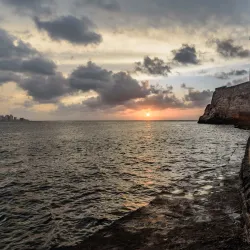
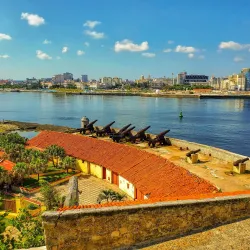
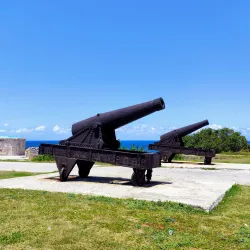
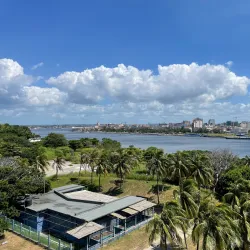
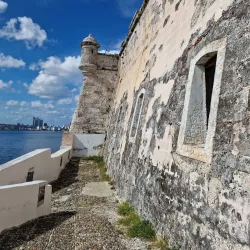
Morro Castle is a fortress guarding the entrance to Havana Bay. Built in the late 16th century, it offers panoramic views of the city and the sea.
The site includes a lighthouse and a small museum, making it a popular spot for history buffs and photographers.
Plaza de la Revolución
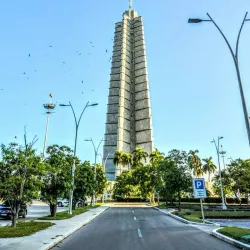
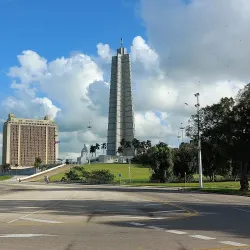
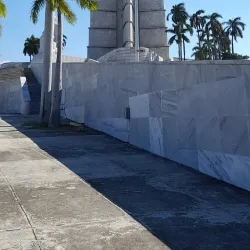
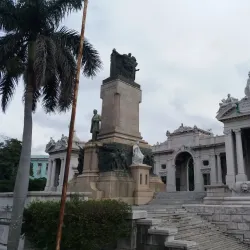
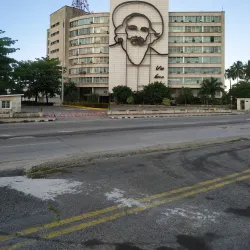
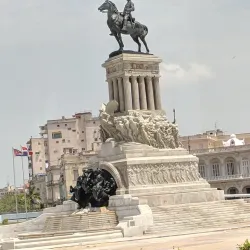
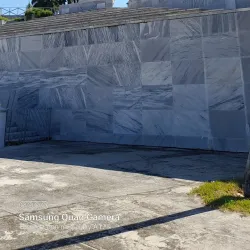
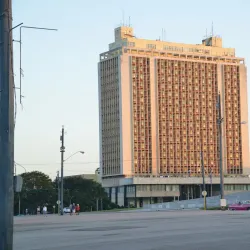
This large plaza is a significant political and cultural site in Havana, known for its massive murals of revolutionary figures and its use for major public events.
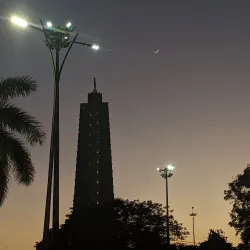
Visitors can see the José Martí Memorial and experience the scale and importance of this iconic Cuban landmark.
Fusterlandia
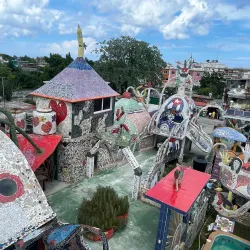
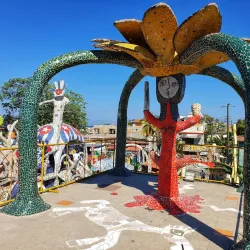
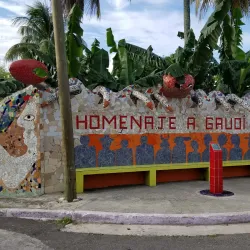
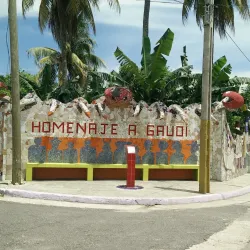
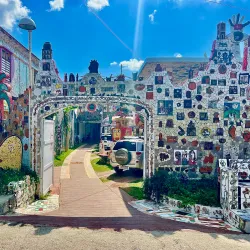
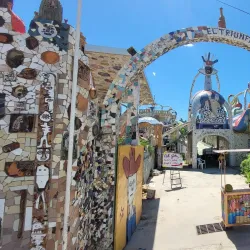
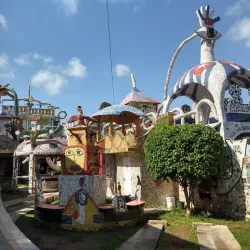
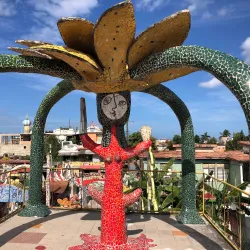
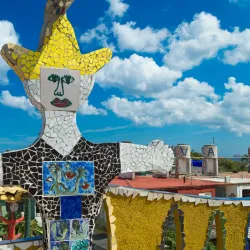
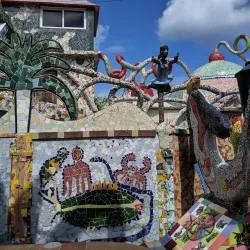
Fusterlandia is a colorful neighborhood art project created by artist José Fuster, featuring mosaic-covered houses, sculptures, and murals.
It is often compared to Barcelona's Park Güell and offers a whimsical and creative experience away from the traditional tourist sites.
Gran Teatro de La Habana
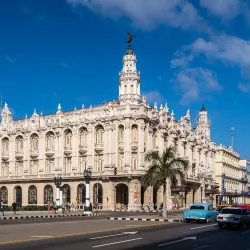
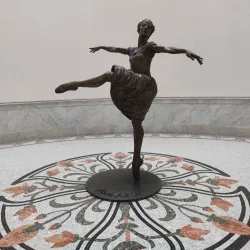
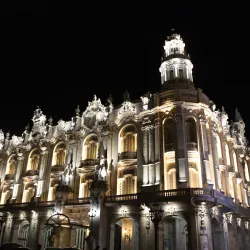
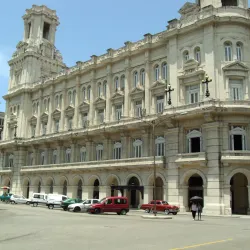
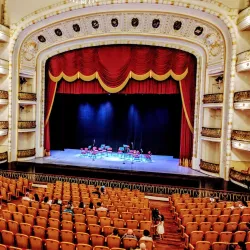
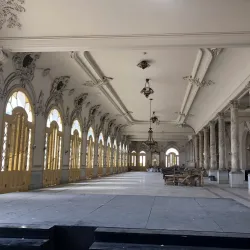
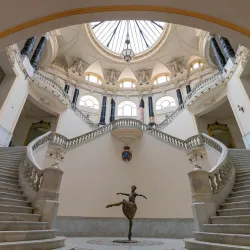
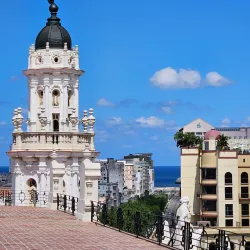
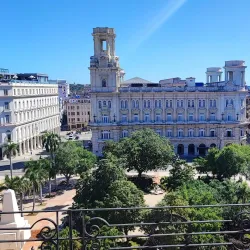
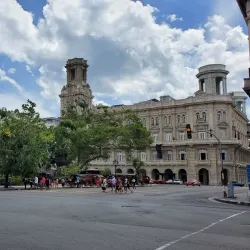
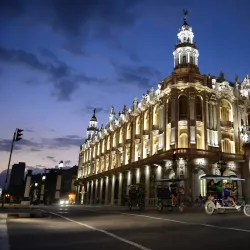
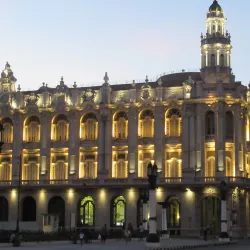
The Gran Teatro is a stunning theater known for its ornate architecture and as the home of the Cuban National Ballet.
It hosts a variety of performances including ballet, opera, and concerts, making it a cultural hub in the city.
Callejón de Hamel
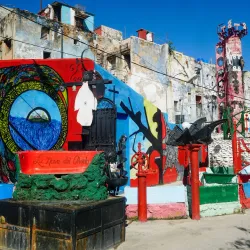
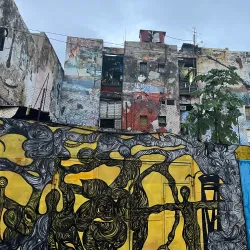
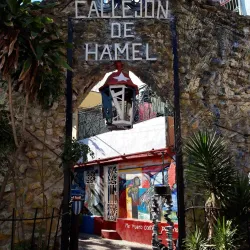
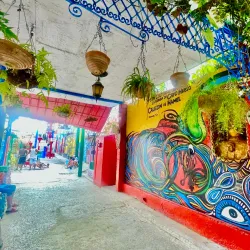
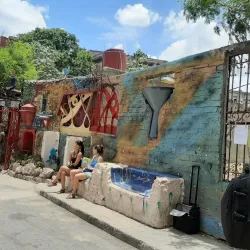
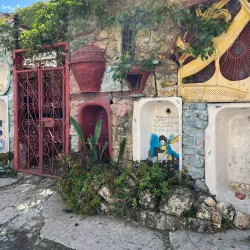
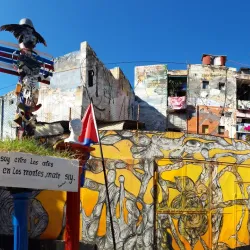
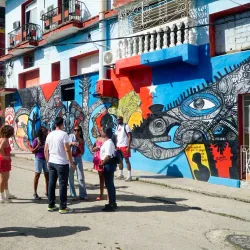
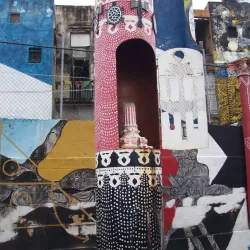
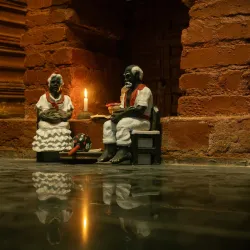
This alleyway is famous for its Afro-Cuban art and vibrant murals, as well as live rumba music and cultural events held regularly.
It provides insight into Afro-Cuban culture and is a lively spot for experiencing local music and art.
Jardín Botánico Nacional de Cuba
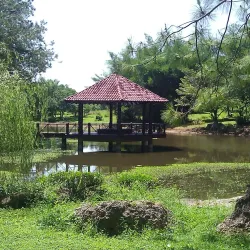
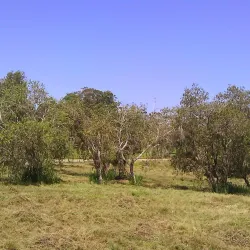
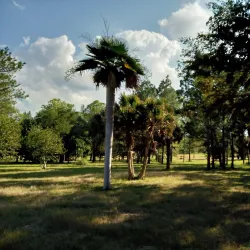
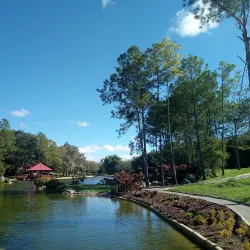
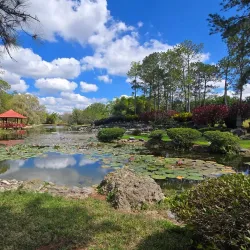
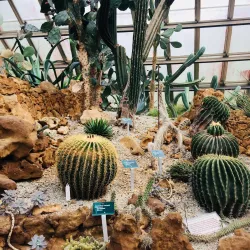
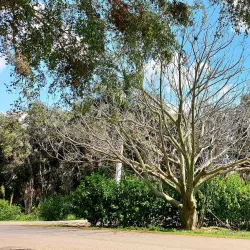
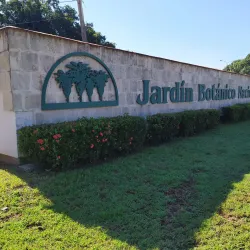
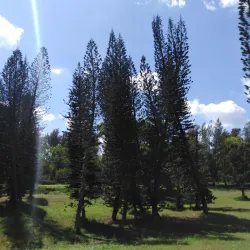
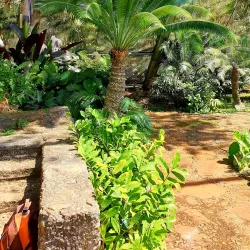
The National Botanical Garden of Cuba is a large green space featuring a diverse collection of tropical plants and trees.
It is a peaceful retreat from the city and offers educational exhibits about Cuba's flora.