Things to do in Český Krumlov
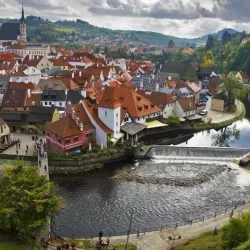
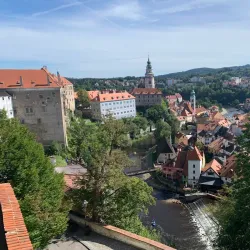
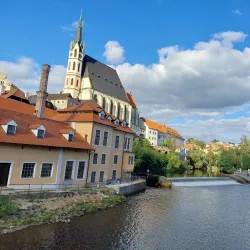
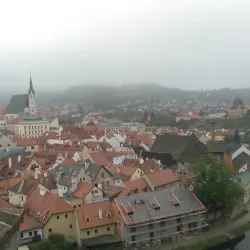
Český Krumlov is a picturesque town in the South Bohemian Region of the Czech Republic, renowned for its well-preserved medieval core and stunning Renaissance and Baroque architecture. Nestled along the Vltava River, the town offers a unique blend of history, culture, and natural beauty that attracts visitors from around the world.The town's winding cobblestone streets, charming squares, and the imposing Český Krumlov Castle create an enchanting atmosphere. Visitors can explore a variety of museums, galleries, and theaters, as well as enjoy outdoor activities along the river and in the surrounding countryside.Český Krumlov Castle
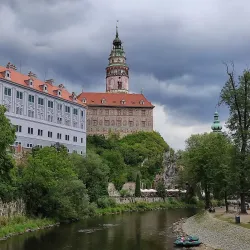
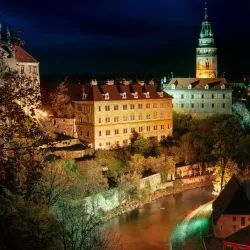
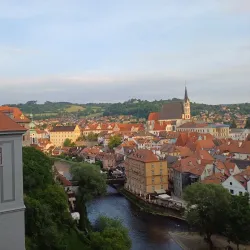
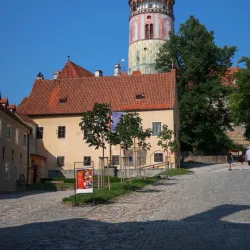
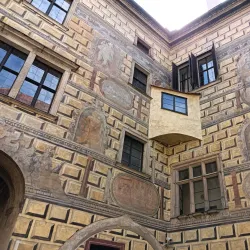
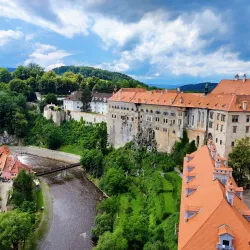
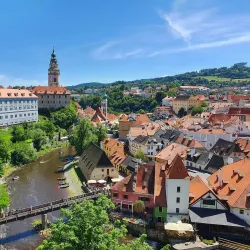
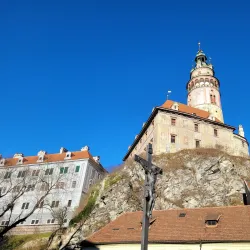
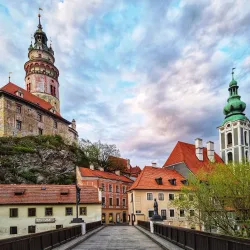
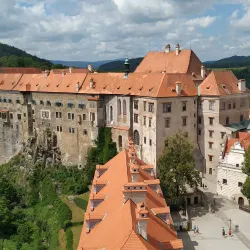
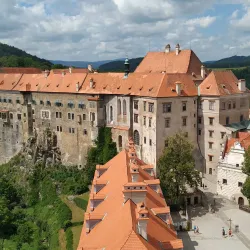
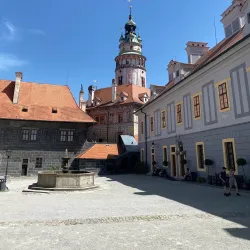
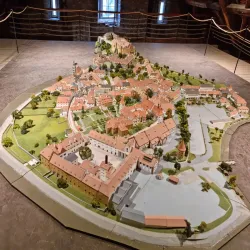
This iconic castle complex dominates the town's skyline and is one of the largest in Central Europe. It features a mix of Gothic, Renaissance, and Baroque architectural styles, with beautifully preserved interiors and extensive gardens.
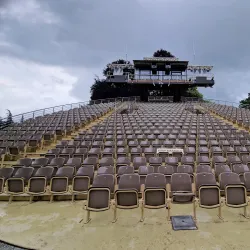
The castle tower offers panoramic views of the town and surrounding countryside. Visitors can explore the castle museum, the Baroque theater, and the castle gardens, which include a unique revolving auditorium.
Historic Center of Český Krumlov
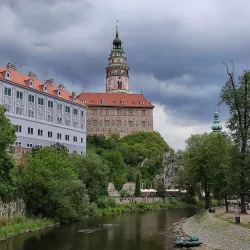
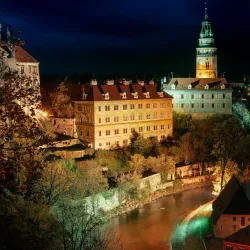
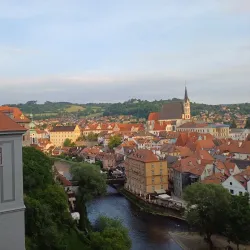
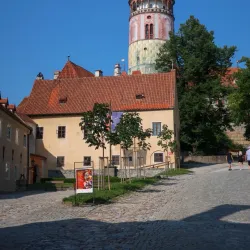
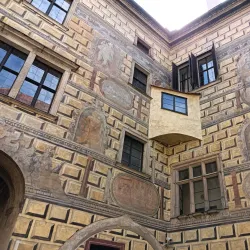
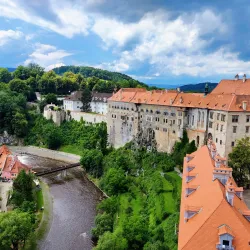
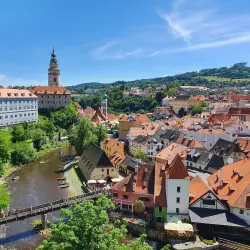
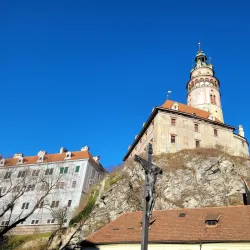
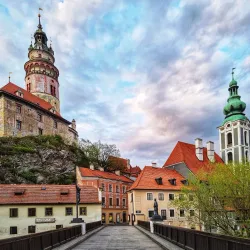
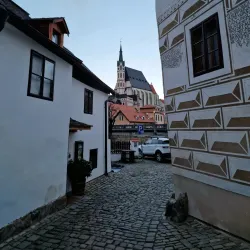
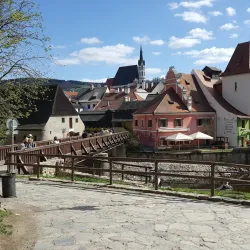
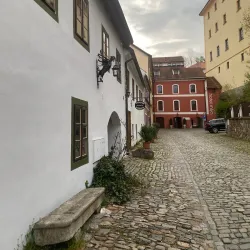
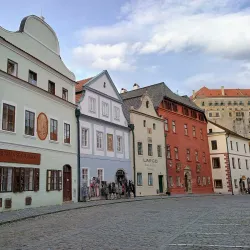
The historic center is a UNESCO World Heritage Site, known for its well-preserved medieval urban layout and Renaissance and Baroque buildings. The narrow streets, charming squares, and colorful facades create a fairy-tale atmosphere.
Key landmarks within the center include the Church of St. Vitus, the Latrán district, and numerous artisan shops, cafes, and galleries that reflect the town's cultural heritage.
Church of St. Vitus
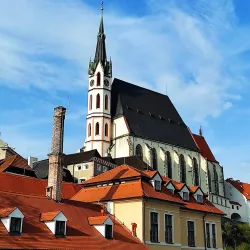
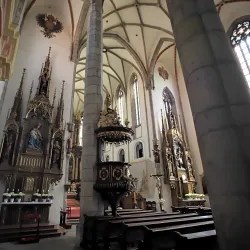
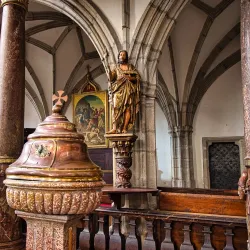
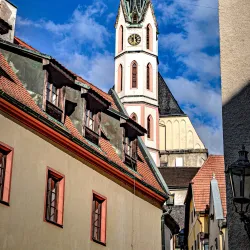
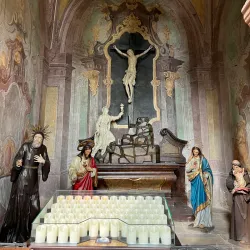
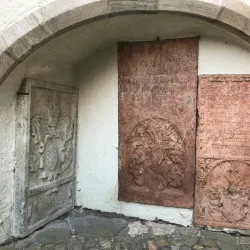
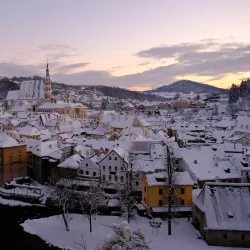
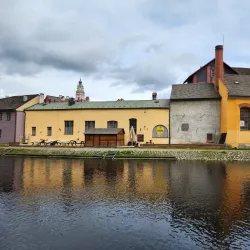
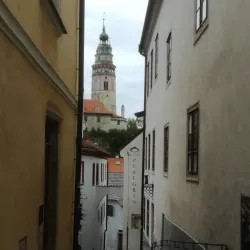
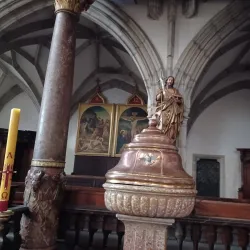
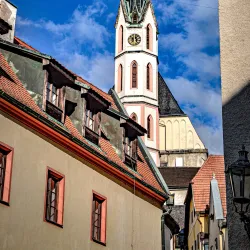
This Gothic church is a prominent religious and architectural landmark in Český Krumlov. It features a tall spire visible from many parts of the town and an interior adorned with frescoes and historic altars.
The church dates back to the 14th century and offers insight into the town's religious history and artistic traditions.
Egon Schiele Art Centrum
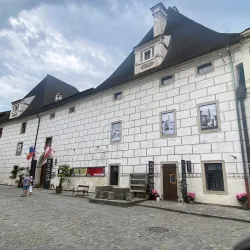
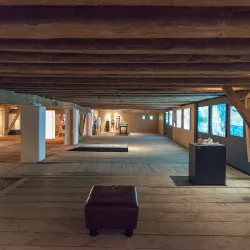
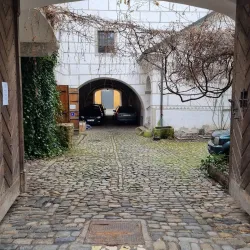
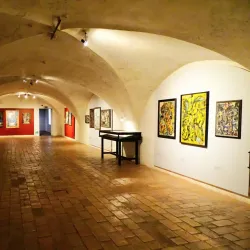
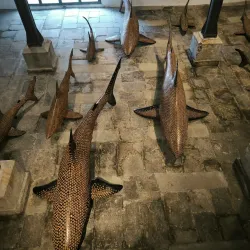
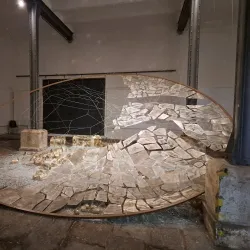
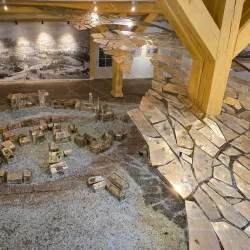
An art museum and gallery dedicated to the Austrian painter Egon Schiele, who spent time in Český Krumlov. The center hosts exhibitions of modern and contemporary art, as well as works by Schiele and other artists.
It also offers workshops, lectures, and cultural events, making it a vibrant hub for art lovers.
Castle Gardens
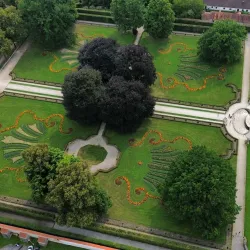
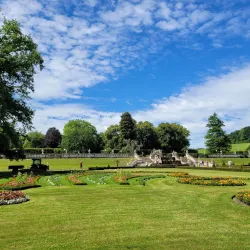
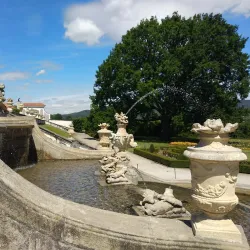
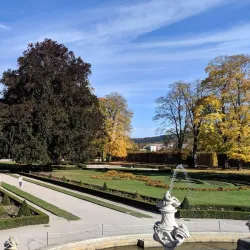
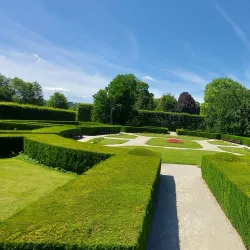
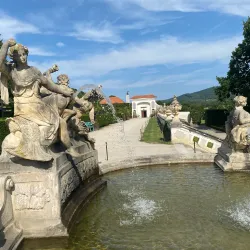
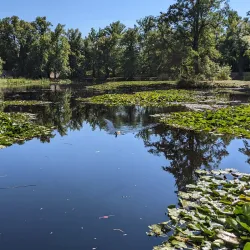
The extensive gardens surrounding Český Krumlov Castle are beautifully landscaped and include Renaissance and Baroque elements. They provide a peaceful retreat with walking paths, fountains, and sculptures.
The gardens also feature the unique revolving auditorium used for open-air theater performances during the summer.
Latran District
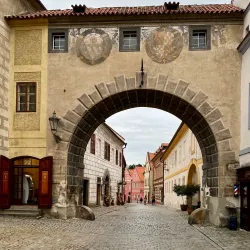
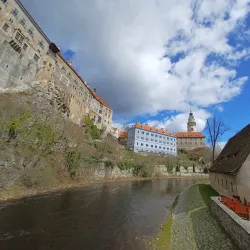
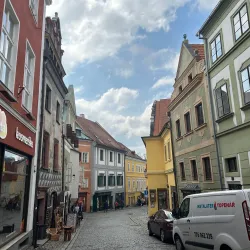
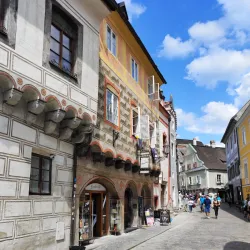
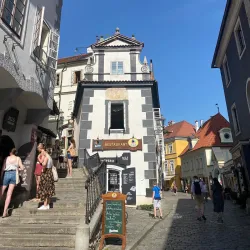
Located below the castle, the Latran district is one of the oldest parts of the town, characterized by narrow streets and historic houses. It was traditionally home to craftsmen and merchants.
Today, it offers quaint cafes, artisan shops, and a glimpse into the everyday life of historic Český Krumlov.
Regional Museum in Český Krumlov
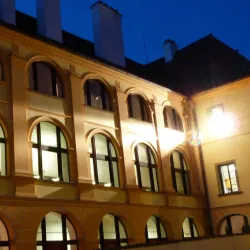
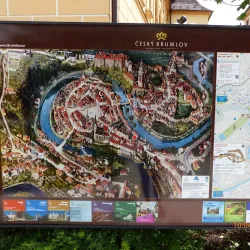
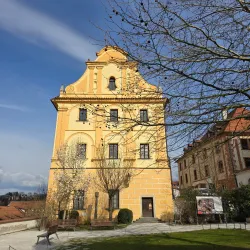
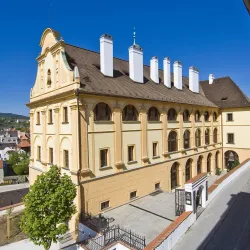
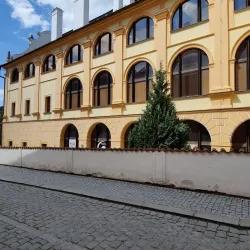
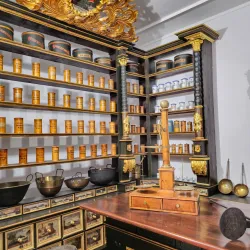
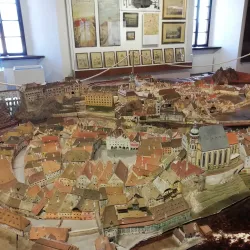
This museum showcases the history, culture, and natural environment of the Český Krumlov region. Exhibits include archaeological finds, folk art, and historical artifacts.
The museum is housed in a historic building and provides context for understanding the town's development over the centuries.
Vltava River
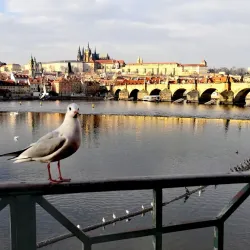
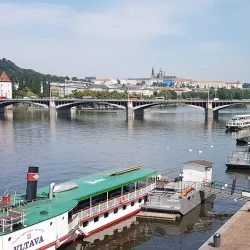
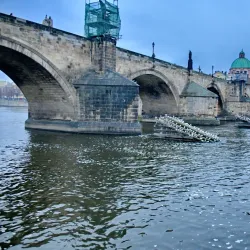
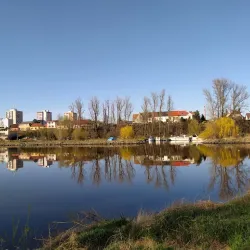
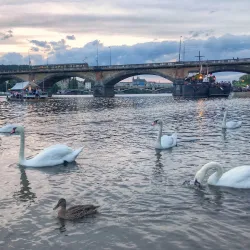
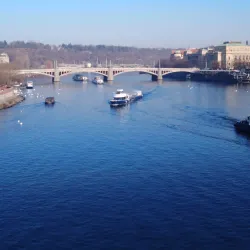
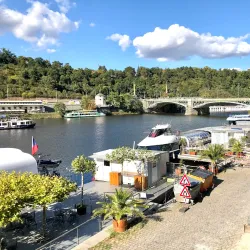
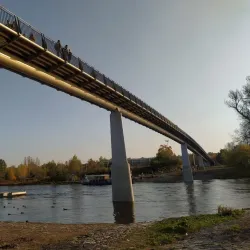
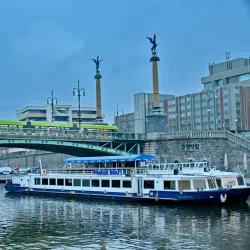
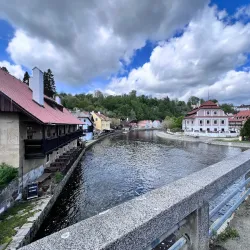
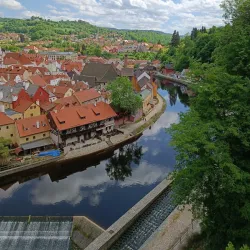
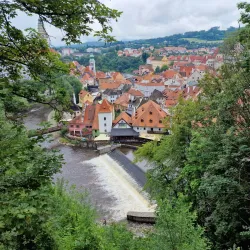
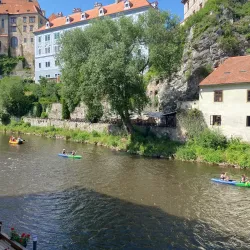
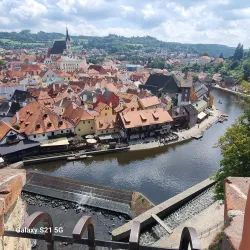
The Vltava River flows through Český Krumlov, offering scenic views and recreational opportunities. Visitors can enjoy rafting, canoeing, or leisurely walks along the riverbanks.
The river enhances the town's picturesque setting and is integral to its historic trade and transport routes.
Museum Fotoatelier Seidel
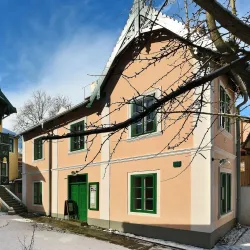
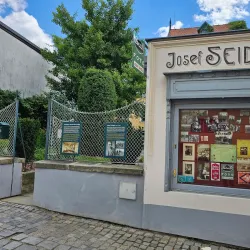
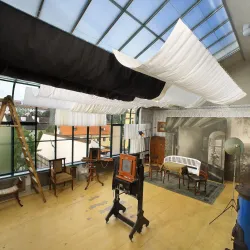
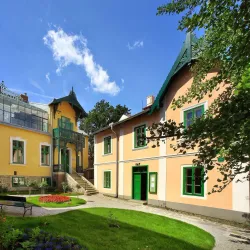
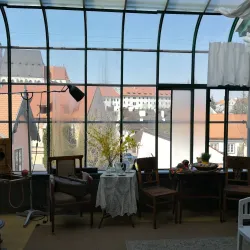
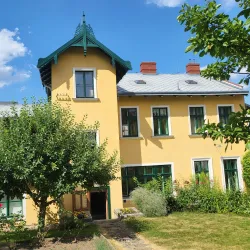
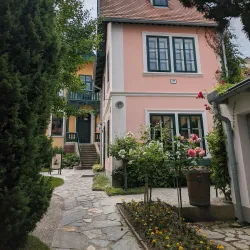
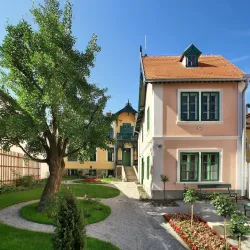
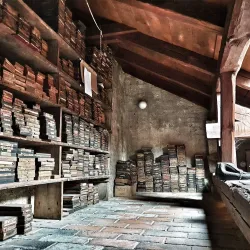
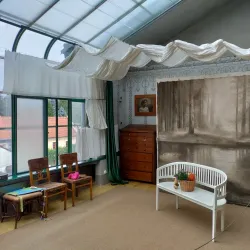
This museum is dedicated to the history of photography and the work of the Seidel family, who were prominent photographers in Český Krumlov.
It features a collection of historic cameras, photographs, and a preserved photo studio, providing insight into early photographic techniques and local history.
Monastery of the Minorites
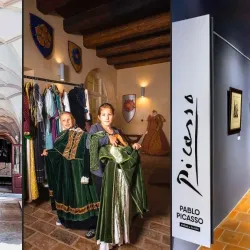
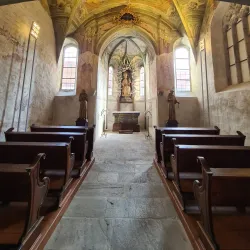
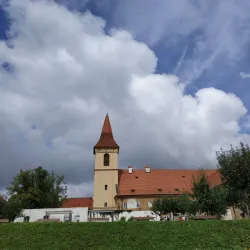
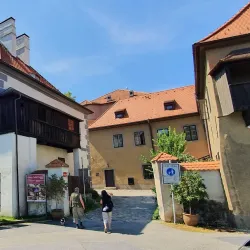
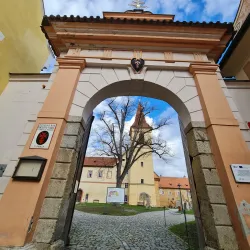
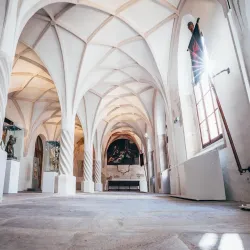
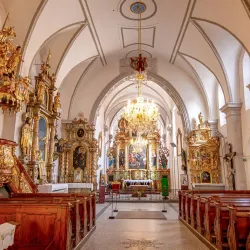
A former monastery complex that now serves cultural and exhibition purposes. The building showcases Baroque architecture and houses various art exhibitions and cultural events.
It is an important site for understanding the religious and cultural history of Český Krumlov.