Things to do in Kutná Hora (Kutna Hora)
Kutná Hora is a historic town in the Central Bohemian Region of the Czech Republic, renowned for its well-preserved medieval architecture and rich history tied to silver mining. Once a significant royal town, it offers visitors a glimpse into the past with its Gothic and Baroque buildings, churches, and unique sites.The town's compact center is a UNESCO World Heritage Site, featuring a blend of cultural landmarks and charming streets. Kutná Hora is ideal for travelers interested in history, architecture, and unique cultural experiences.Sedlec Ossuary (Bone Church)
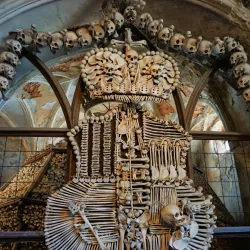
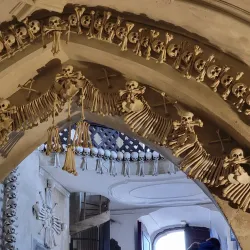
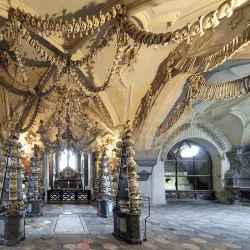
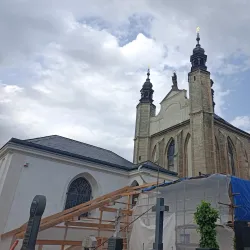
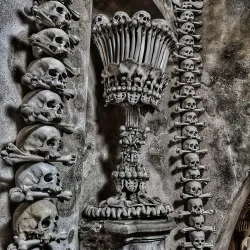
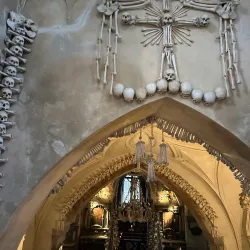
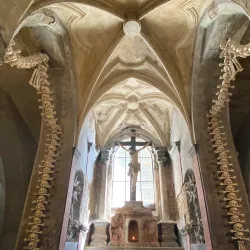
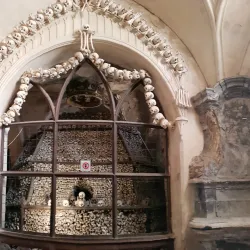
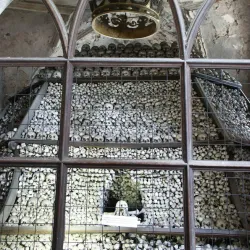
The Sedlec Ossuary is a small Roman Catholic chapel located beneath the Cemetery Church of All Saints. It is famous for its elaborate decorations made from human bones, including chandeliers, coats of arms, and other artistic arrangements. This unique and somewhat eerie site attracts visitors from around the world.
The ossuary is a remarkable example of Gothic art and serves as a reminder of the medieval fascination with mortality and the afterlife.
St. Barbara's Church
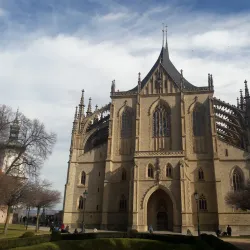
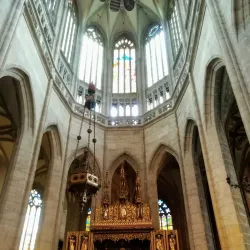
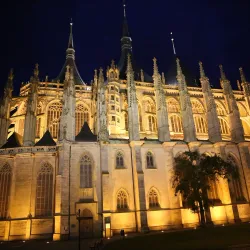
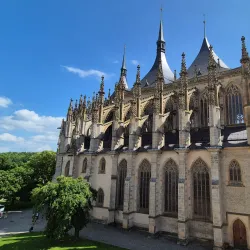
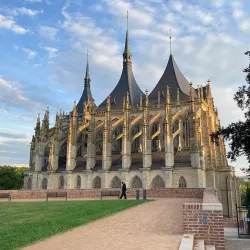
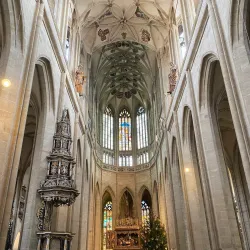
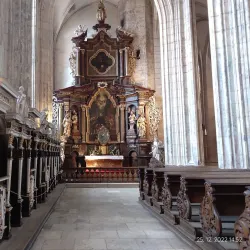
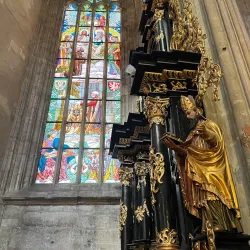
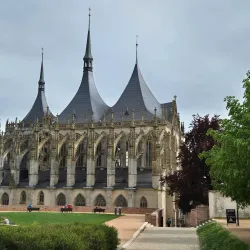
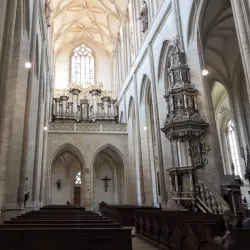
St. Barbara's Church is a stunning Gothic cathedral and one of the most famous landmarks in Kutná Hora. Dedicated to the patron saint of miners, the church reflects the town's historical connection to silver mining. Its intricate architecture and beautiful frescoes make it a must-visit site.
The church's impressive vaulting and stained glass windows highlight the artistic achievements of the medieval period in the region.
Italian Court (Vlašský dvůr)
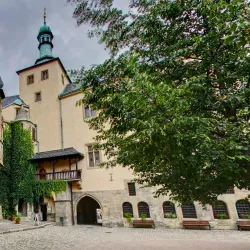
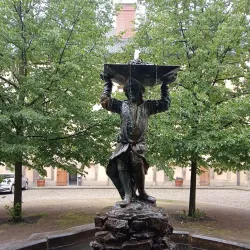
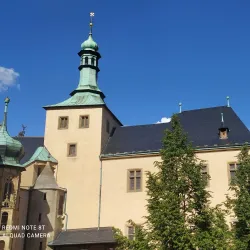
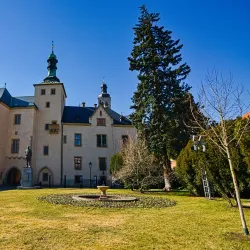
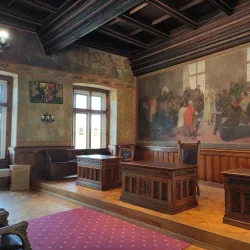
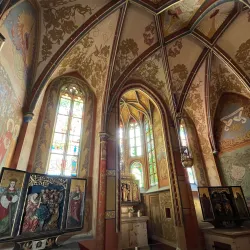
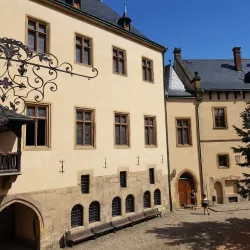
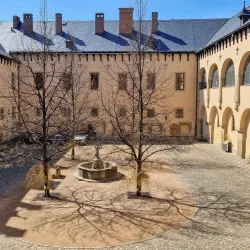
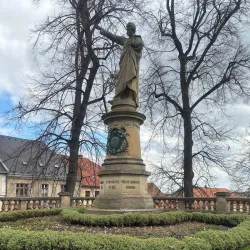
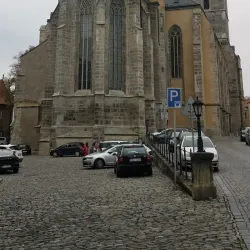
The Italian Court was originally a royal residence and mint where silver coins were produced during Kutná Hora's mining heyday. Today, it serves as a museum showcasing the town's mining history and medieval coin minting processes.
Visitors can explore the historic halls, learn about the economic importance of silver mining, and see exhibits related to medieval life and technology.
Church of St. James the Greater
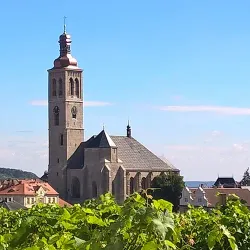
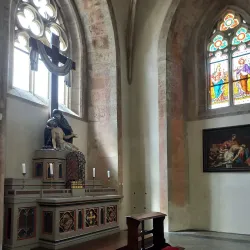
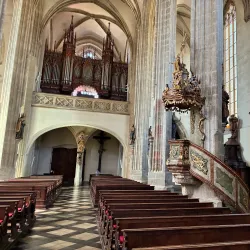
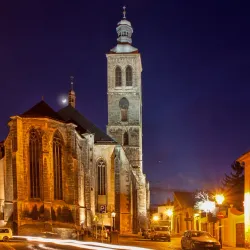
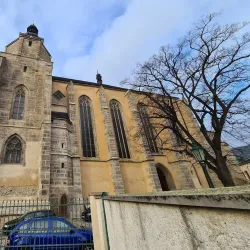
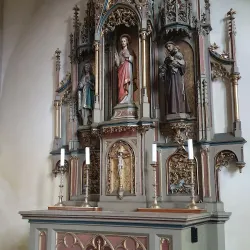
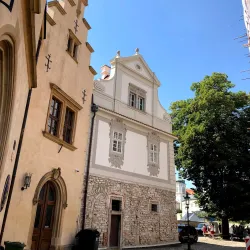
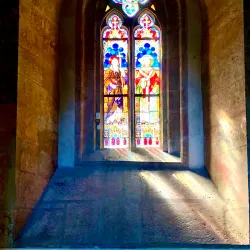
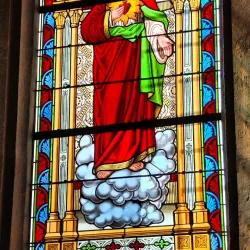
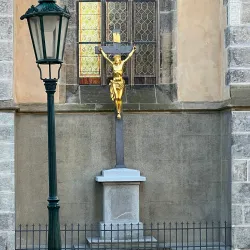
This Gothic church is one of the oldest in Kutná Hora and features a distinctive tall tower that offers panoramic views of the town. The church's interior contains valuable artworks and a peaceful atmosphere for visitors.
Its historical significance and architectural beauty make it a key part of Kutná Hora's religious heritage.
Hrádek (The Little Castle)
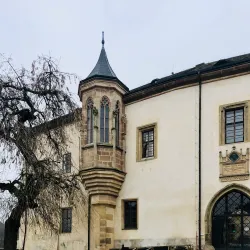
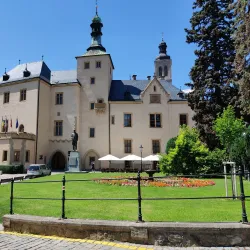
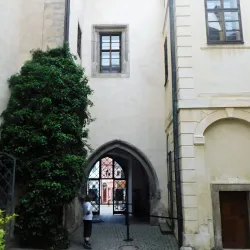
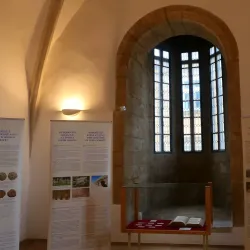
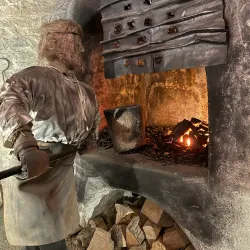
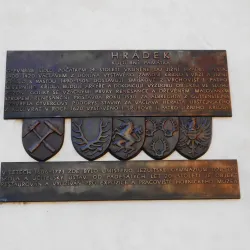
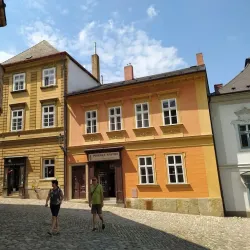
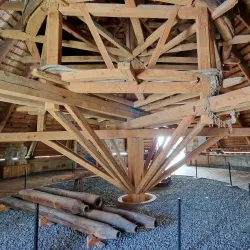
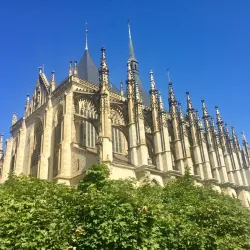
Hrádek is a small castle located near the town center, historically used as a royal residence and administrative center. It now houses exhibitions related to the history of Kutná Hora and its mining industry.
The castle's location provides scenic views and insight into the town's medieval governance and lifestyle.
Stone Fountain (Kamenná kašna)
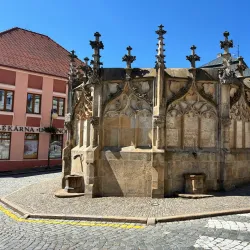
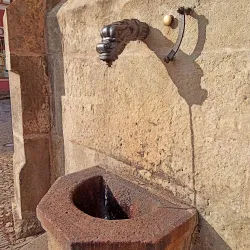
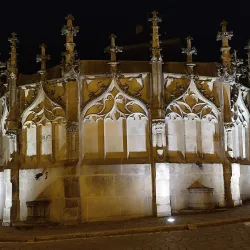
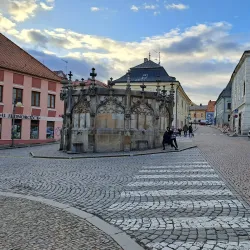
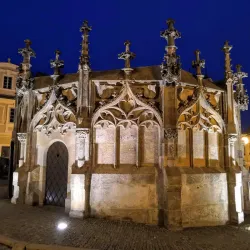
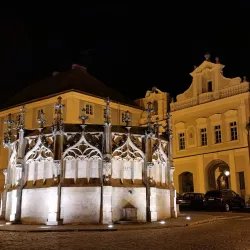
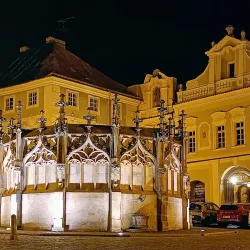
The Stone Fountain is a Renaissance-era fountain located in the main square of Kutná Hora. It is an iconic symbol of the town and a popular meeting point for visitors.
The fountain's intricate design and historical significance add to the charm of the town square.
Czech Museum of Silver
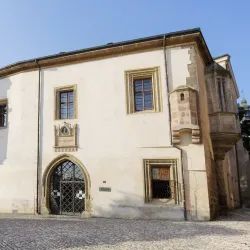
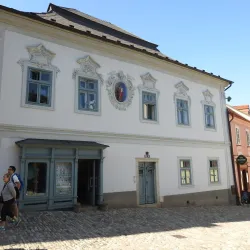
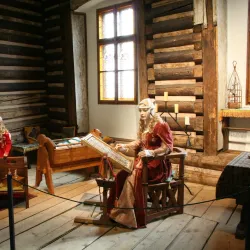
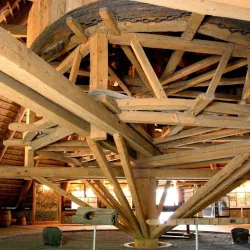
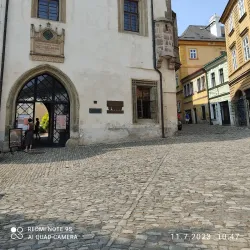
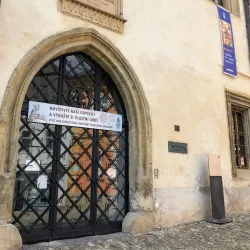
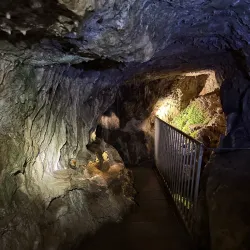
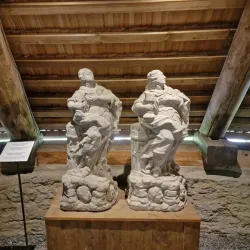
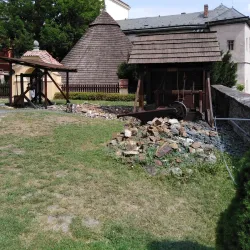
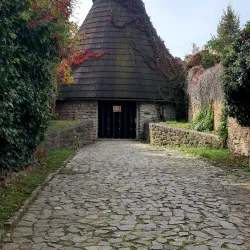
This museum offers an in-depth look at Kutná Hora's silver mining history, featuring exhibits on mining techniques, tools, and the lives of miners. It is located near the Italian Court and provides educational tours and interactive displays.
The museum helps visitors understand the economic and cultural impact of silver mining on the town's development.
Church of St. John the Baptist
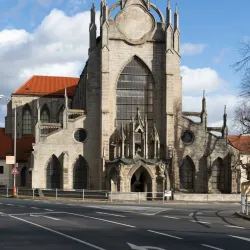
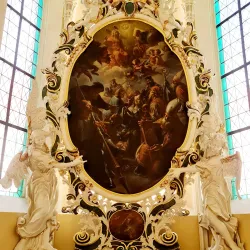
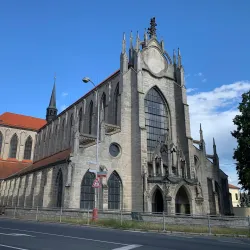
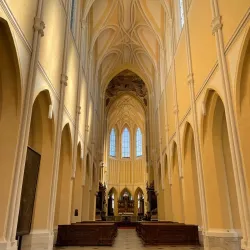
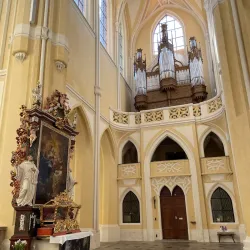
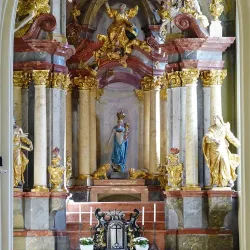
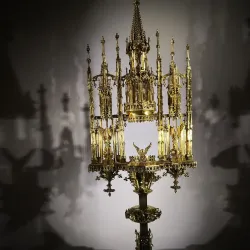
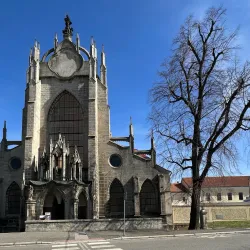
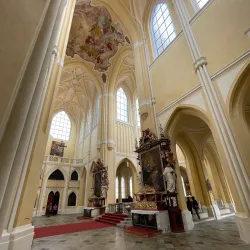
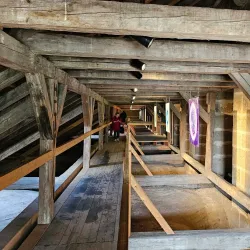
A Baroque church known for its elegant architecture and richly decorated interior. It is part of the town's religious heritage and offers a quieter alternative to the more famous churches in Kutná Hora.
The church's artistic details and serene atmosphere make it a worthwhile visit for those interested in Baroque art and architecture.
Jesuit College
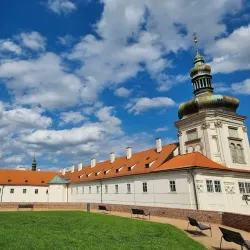
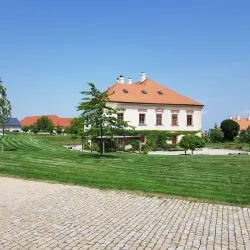
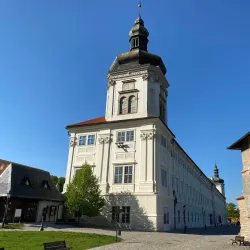
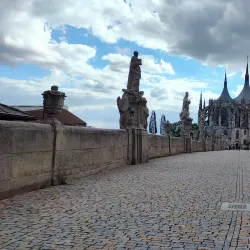
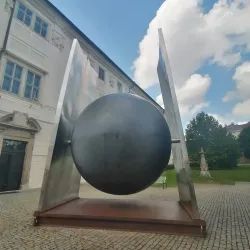
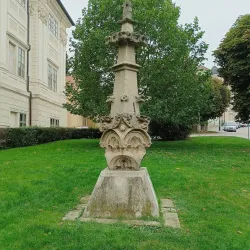
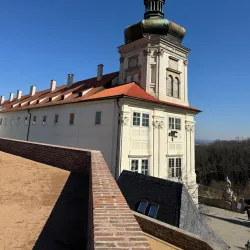
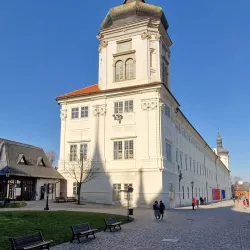
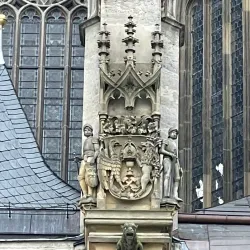
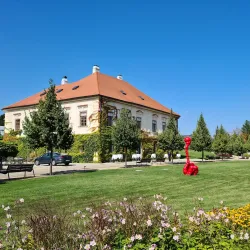
The Jesuit College is a historical building complex that once served as an educational institution. It now hosts cultural events and exhibitions related to the town's history and the Jesuit order's influence in the region.
The college's architecture and historical significance provide insight into the educational and religious history of Kutná Hora.
Plague Column
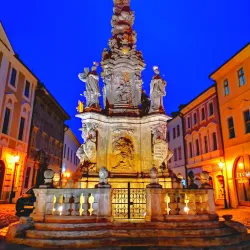
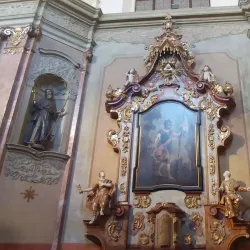
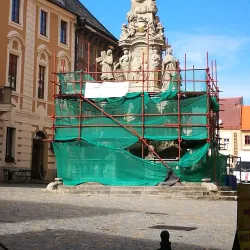
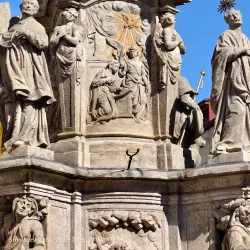
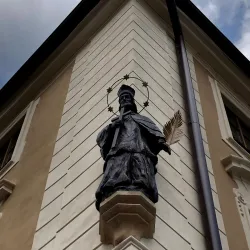

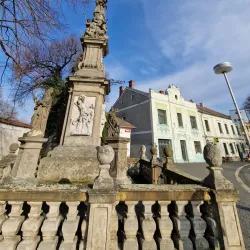
The Plague Column is a Baroque monument erected to commemorate victims of the plague. It stands in the town square and is a notable example of Baroque sculpture and religious symbolism.
The column reflects the town's historical struggles and the role of faith in overcoming adversity.