Things to do in Roznov pod Radhostem
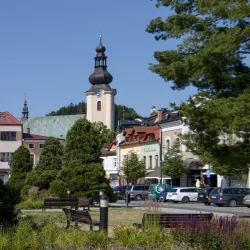
Rožnov pod Radhoštěm is a charming town located in the Zlín Region of the Czech Republic, known for its rich cultural heritage and beautiful natural surroundings. Nestled in the Moravian-Silesian Beskids mountains, it offers visitors a blend of traditional folklore, outdoor activities, and historical sites.The town is famous for its open-air museums that showcase traditional Moravian architecture and crafts, as well as its proximity to scenic hiking trails and the Radhošť mountain, a popular destination for nature lovers and pilgrims alike.Wallachian Open Air Museum (Valašské muzeum v přírodě)
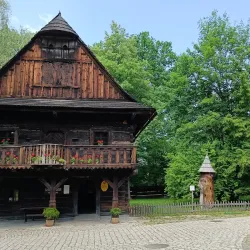
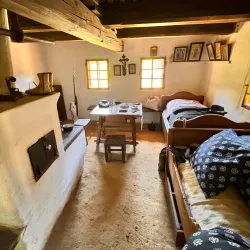
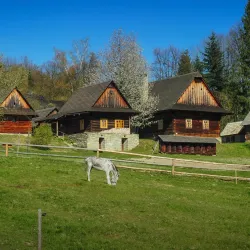
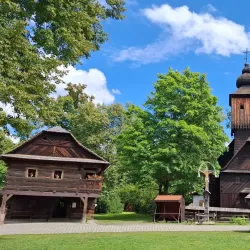
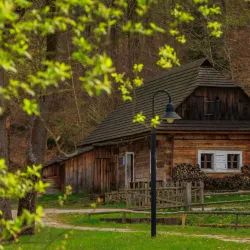
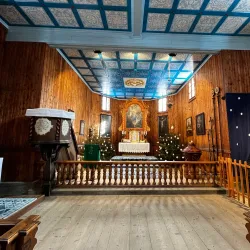
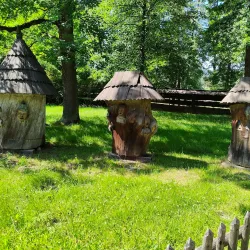
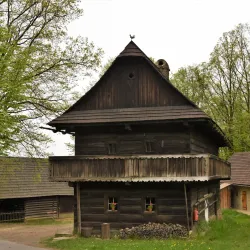
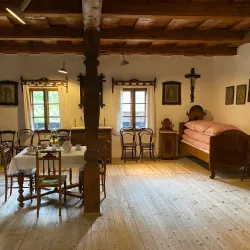
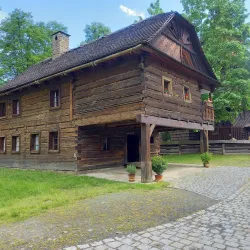
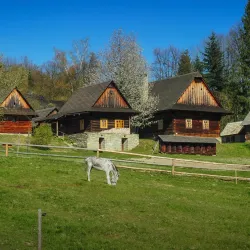
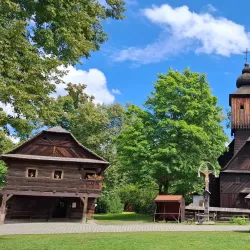
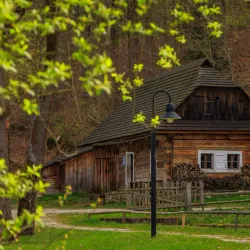
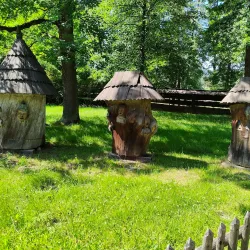
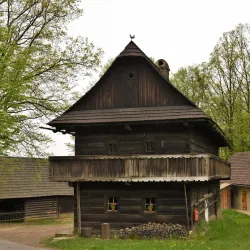
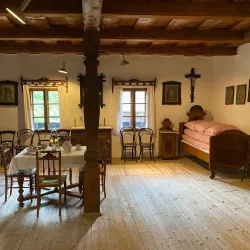
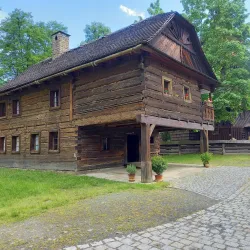
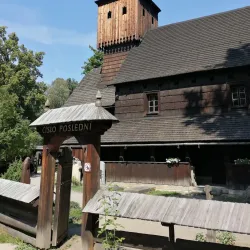
This extensive open-air museum is the largest of its kind in Central Europe, showcasing traditional wooden architecture and folk culture of the Wallachian region. It features reconstructed buildings such as cottages, mills, and workshops, along with live demonstrations of crafts and folk customs.
The museum is divided into three parts: the Little Wooden Town, the Wallachian Village, and the Water Mill Valley, each offering a unique glimpse into the rural life of the past.
Radhošť Mountain
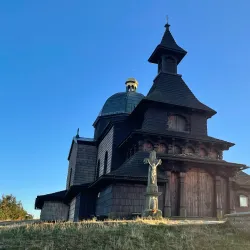
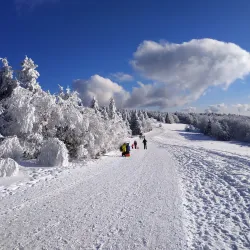
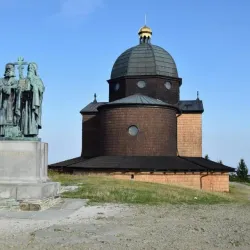
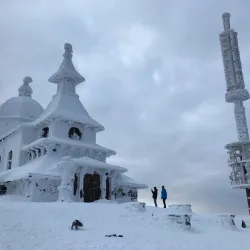
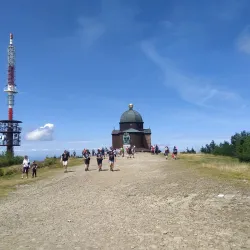
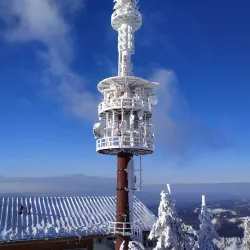
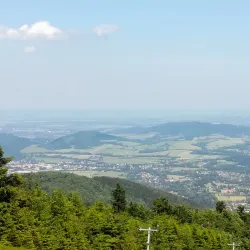
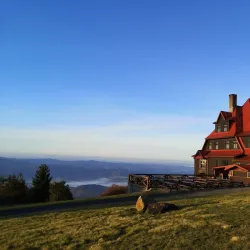
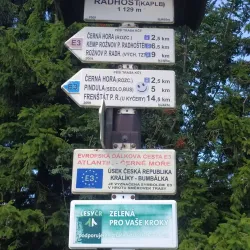
Radhošť is a prominent peak in the Moravian-Silesian Beskids, famous for its panoramic views and cultural significance. It is a popular hiking destination with trails leading to the summit, where visitors find a chapel dedicated to Saints Cyril and Methodius and a statue of the Slavic god Radegast.
The mountain is steeped in local legends and folklore, making it a meaningful site for both nature lovers and those interested in regional mythology.
Rožnov Synagogue
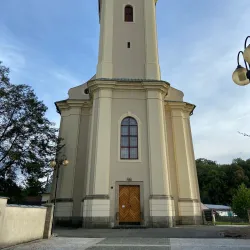
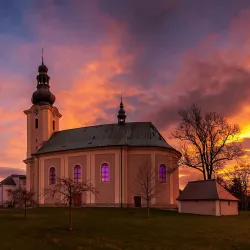
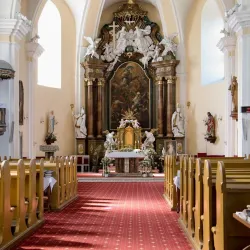
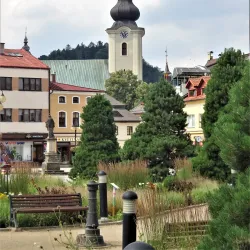

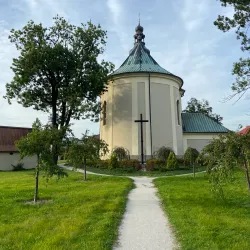


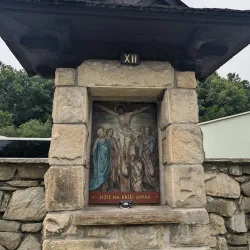
The Rožnov Synagogue is a historic building that reflects the Jewish heritage of the town. It now serves as a cultural venue hosting exhibitions and events related to Jewish history and culture in the region.
The synagogue's architecture and preserved interior elements provide insight into the religious and community life of Rožnov's Jewish population before World War II.
Museum of Wallachian Folk Instruments
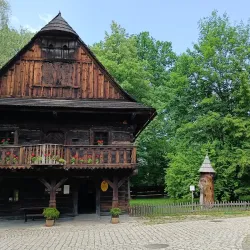


This museum is dedicated to the traditional musical instruments of the Wallachian region, showcasing a variety of folk instruments used in local music. It offers visitors an understanding of the musical heritage and cultural identity of the area.
Exhibits include stringed instruments, wind instruments, and percussion, often accompanied by audio samples and demonstrations.
Church of the Exaltation of the Holy Cross
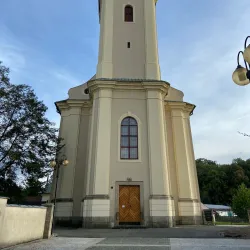
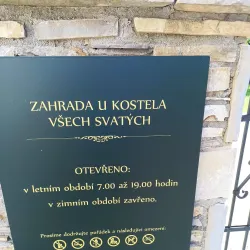
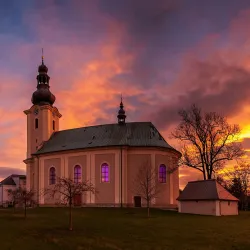
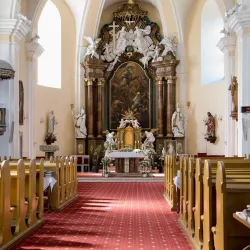
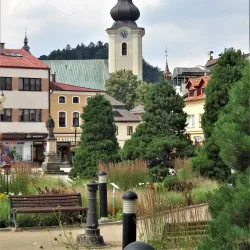
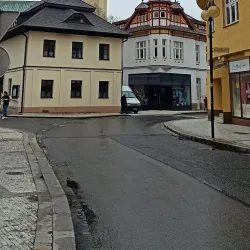
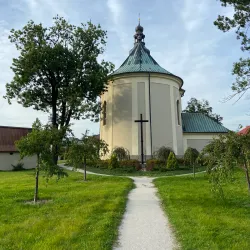
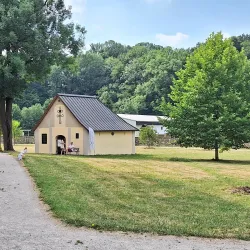
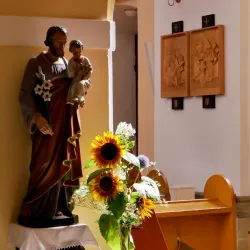
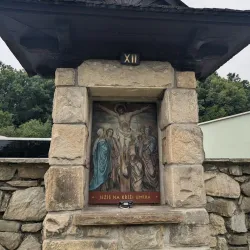
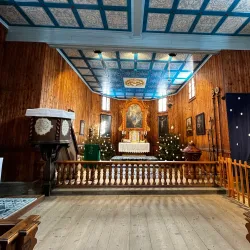
A notable religious site in Rožnov pod Radhoštěm, this church is known for its beautiful architecture and serene atmosphere. It serves as a spiritual center for the local community and a point of interest for visitors.
The church features traditional design elements and houses several important religious artworks and artifacts.
Rožnov Town Museum
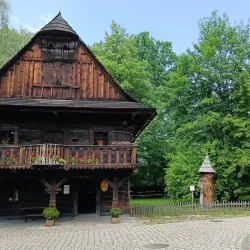
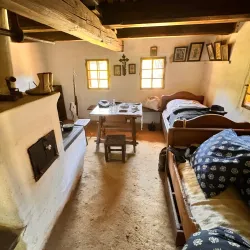
The town museum offers exhibits on the history, culture, and development of Rožnov pod Radhoštěm and its surroundings. It provides context for the region's folk traditions and historical events.
Visitors can explore collections of traditional costumes, tools, photographs, and documents that tell the story of the local community.
Valaška Ski Resort
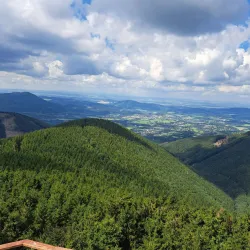
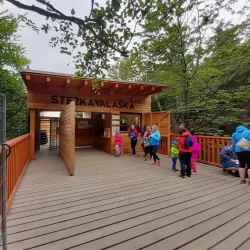
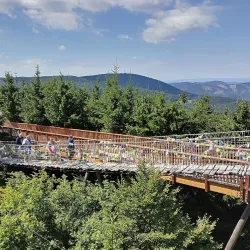
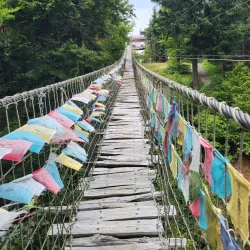
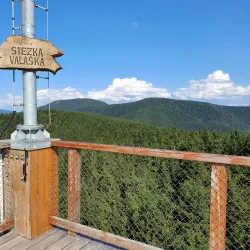
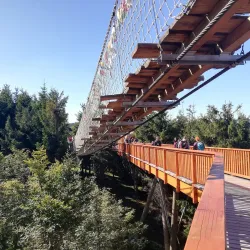
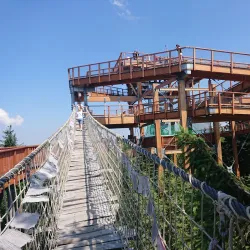
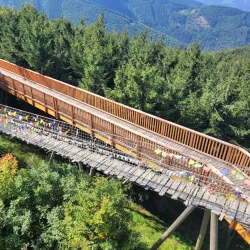
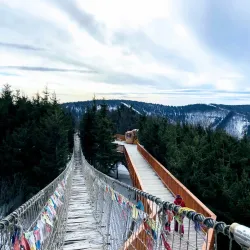
Located near Rožnov pod Radhoštěm, this ski resort is popular in winter for skiing and snowboarding. It offers slopes suitable for various skill levels and modern facilities for visitors.
In addition to winter sports, the resort area is also used for hiking and mountain biking during the warmer months.
Pustevny
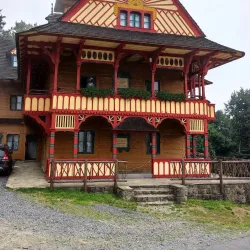
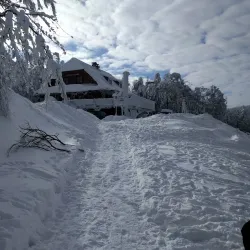
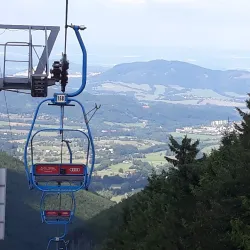
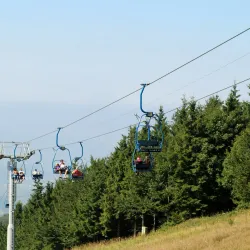
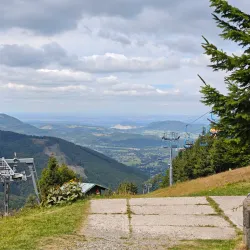
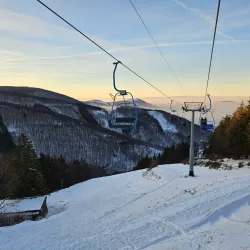
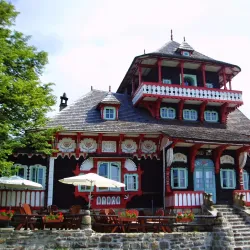
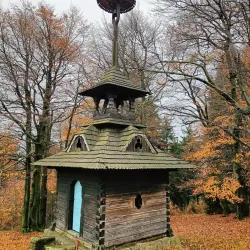
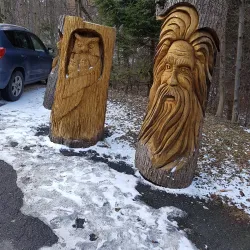
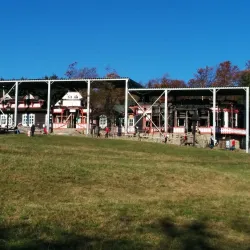
Pustevny is a mountain saddle in the Beskids known for its traditional wooden buildings designed by architect Dušan Jurkovič. It is a popular spot for hiking, skiing, and enjoying the scenic mountain landscape.
The area features restaurants, a cable car, and cultural events celebrating local folklore and traditions.
Rožnov Dam

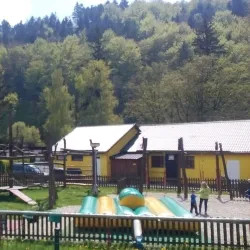



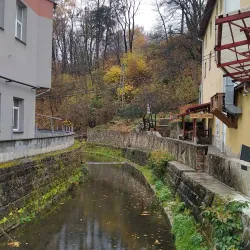

A recreational area offering opportunities for fishing, boating, and picnicking. The dam and its surroundings provide a peaceful natural setting close to the town center.
It is a favored spot for families and outdoor enthusiasts looking to relax and enjoy nature.
Radhošť Chapel
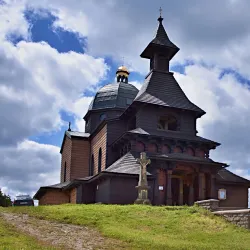
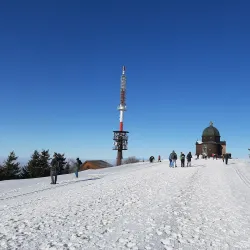


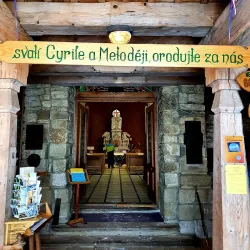
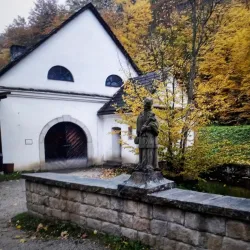
Located near the summit of Radhošť Mountain, this chapel is dedicated to Saints Cyril and Methodius, who are significant figures in Slavic history and culture. The chapel is a pilgrimage site and a symbol of the region's spiritual heritage.
Visitors often combine a hike to the chapel with exploration of the surrounding natural beauty and cultural landmarks.