
Quality of life in Daule
Cost of Living, Healthcare, Safety, Education, and More
About Daule
Daule, located in the coastal region of Ecuador, is a city known for its rich cultural heritage and vibrant community life. It serves as a significant agricultural hub, particularly noted for its rice production, which plays a crucial role in the local economy. The city is characterized by its warm climate and friendly atmosphere, making it an inviting destination for both residents and visitors.In recent years, Daule has seen a surge in urban development, with new residential areas and commercial centers emerging. This growth has been accompanied by improvements in infrastructure, enhancing the quality of life for its inhabitants. The city's strategic location near Guayaquil, one of Ecuador's largest cities, further boosts its economic prospects and accessibility.


History and Culture
Daule's history dates back to pre-Columbian times, with indigenous communities originally inhabiting the area. The city has a rich historical tapestry, having been influenced by various cultures over the centuries. During the colonial period, Daule became an important agricultural center, a legacy that continues to this day.
Culturally, Daule is known for its vibrant traditions and festivals, which reflect the diverse influences that have shaped the city. The annual 'Fiestas de San Pedro y San Pablo' is a highlight, featuring parades, music, and dance that bring the community together in celebration. These events not only showcase the city's cultural vibrancy but also strengthen community bonds.
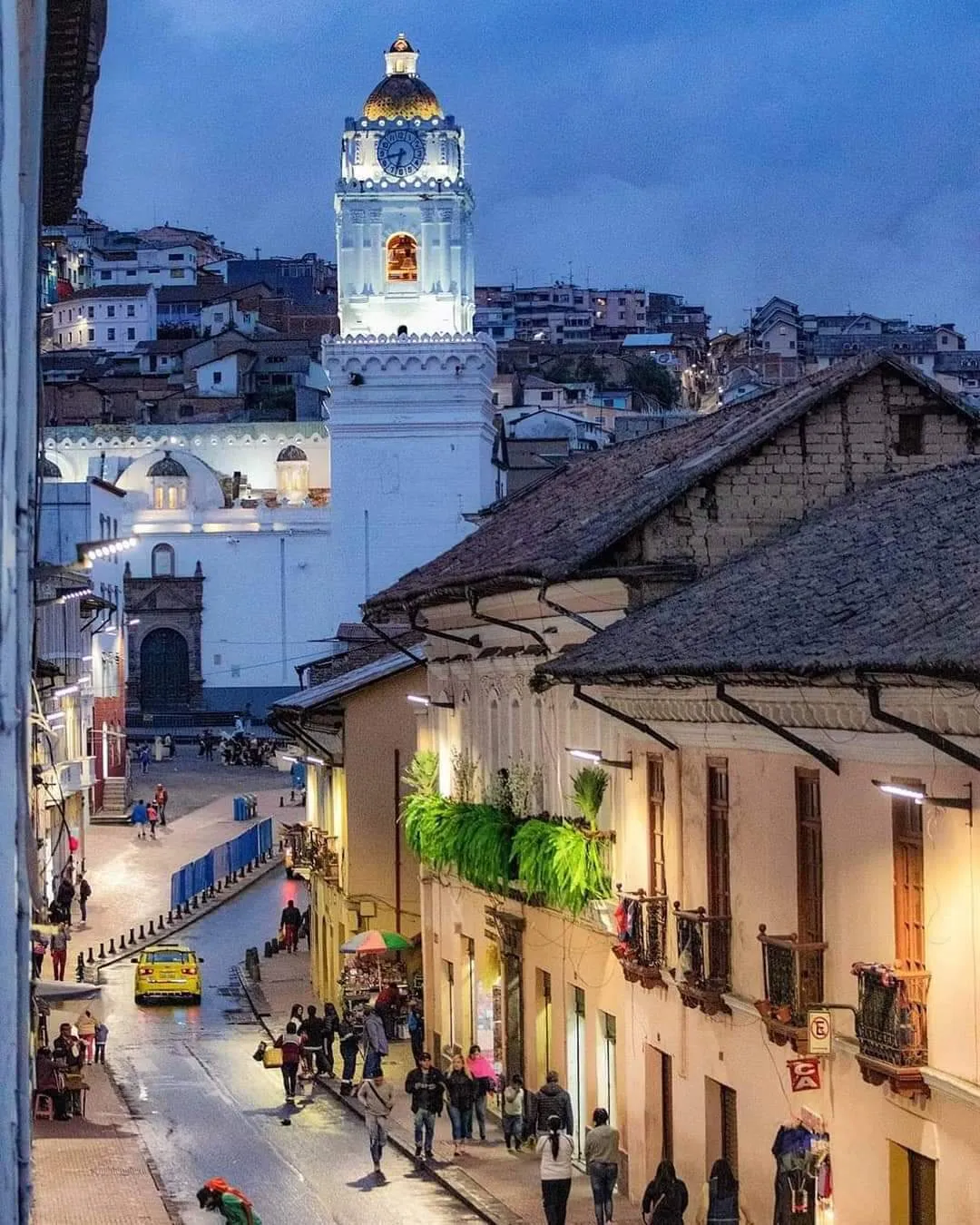
The city is home to several cultural institutions and landmarks, including churches and historical sites that offer a glimpse into its past. The influence of various ethnic groups is evident in the local cuisine, music, and art, contributing to a rich cultural mosaic that defines Daule.
Things to do in Daule
Visitors to Daule can enjoy a variety of activities that highlight the city's cultural and natural attractions. The city's parks and green spaces provide a peaceful retreat for relaxation and recreation. For those interested in history, exploring the local churches and historical sites offers insight into Daule's past.
Daule's culinary scene is a must-experience, with local restaurants offering traditional Ecuadorian dishes that reflect the region's agricultural bounty. The city's proximity to the Daule River also provides opportunities for outdoor activities such as fishing and boating.
Throughout the year, Daule hosts numerous festivals and cultural events that attract both locals and tourists. These events are an excellent way to experience the city's lively atmosphere and engage with its vibrant community.
Quality of Life Rankings
Weather in Daule
Daule, Ecuador experiences a tropical savanna climate characterized by a distinct wet and dry season. The city is generally warm throughout the year, with temperatures remaining relatively stable. The average annual precipitation is approximately 40 inches (1016 mm), with March being the wettest month, averaging around 10 inches (254 mm) of rainfall.
Seasonal Breakdown
- Spring (September to November)Temperatures during spring remain warm, with average highs ranging from 85°F (29°C) to 88°F (31°C). Rainfall is minimal during this period, as it falls within the dry season, averaging around 1 inch (25 mm) per month.
- Summer (December to February)The summer months are part of the wet season, with average highs around 88°F (31°C) and lows around 73°F (23°C). Rainfall increases significantly, with February receiving up to 8 inches (203 mm) of rain.
- Autumn (March to May)Autumn is the peak of the wet season, with temperatures ranging from 86°F (30°C) to 89°F (32°C). March is the wettest month, with rainfall averaging 10 inches (254 mm).
- Winter (June to August)Winter marks the beginning of the dry season, with temperatures remaining warm, averaging highs of 84°F (29°C) to 87°F (31°C). Rainfall is minimal, averaging around 1 inch (25 mm) per month.
Notable Weather Events
- Heavy rainfall and potential flooding during the wet season, particularly in March.
- Occasional heatwaves with temperatures exceeding 90°F (32°C) during the peak of the wet season.
- Dry spells during the dry season, with minimal rainfall from June to November.
Daule's Political Climate
Daule, a city located in Ecuador, is known for its vibrant political climate that reflects the broader national trends. The city is governed by a local municipal government that aligns closely with the national political landscape, often reflecting the policies and priorities set by the central government. Daule's political history is marked by its agricultural roots, with a strong emphasis on policies that support local farmers and agribusinesses.
In recent years, Daule has seen a shift towards more progressive policies, particularly in areas such as environmental sustainability and social welfare. The city has implemented initiatives aimed at reducing its carbon footprint and promoting sustainable agricultural practices. Social justice initiatives have also gained traction, with efforts to improve access to education and healthcare for all residents.
The political climate in Daule significantly influences its economic and social decisions. The city's leadership is focused on balancing growth with sustainability, ensuring that economic development does not come at the expense of the environment or social equity. Recent political events in Daule include local movements advocating for greater transparency and accountability in government, as well as shifts in policy towards more inclusive governance.
Political Quick Facts
- Voter Turnout68%
- City GovernanceMunicipal government with a mayor-council system
- CompositionMajority center-left with minority representation from center-right parties
- Recent Political ChangesIncreased focus on environmental policies and social welfare programs
- EngagementModerate to high, with active participation in local governance and community initiatives
- Political ScorecardB+ for governance and transparency
- Legislative PrioritiesSustainable agriculture Social welfare enhancement Infrastructure development
- Public OpinionGenerally supportive of progressive policies, with a strong emphasis on social equity and environmental sustainability
Notable Political Figures
- Juan PerezCurrent mayor known for his focus on sustainable development and social welfare.
- Maria GonzalezCity council member advocating for transparency and community engagement.
- Carlos RamirezLocal activist and leader of environmental initiatives in Daule.