Things to do in Puerto Ayora
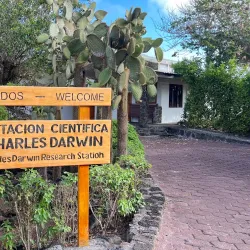
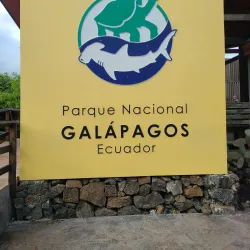
Puerto Ayora is the largest town on Santa Cruz Island in the Galápagos Islands, Ecuador. It serves as a hub for visitors exploring the archipelago's unique biodiversity and stunning landscapes. The town offers a blend of natural attractions, wildlife encounters, and cultural experiences, making it a popular destination for eco-tourists and nature lovers.The town is known for its proximity to some of the most famous Galápagos sites, including the Charles Darwin Research Station and Tortuga Bay. Visitors can enjoy activities such as snorkeling, hiking, and wildlife watching, all within a short distance from Puerto Ayora.Charles Darwin Research Station
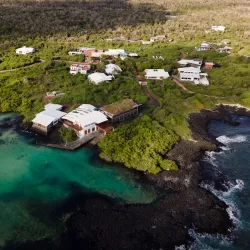
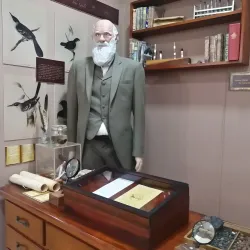
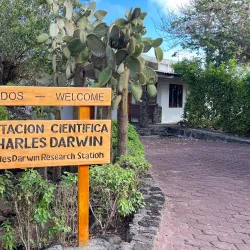
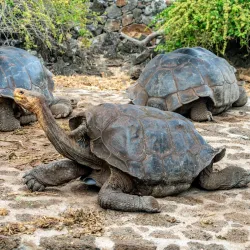
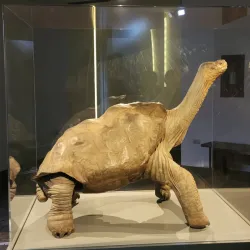
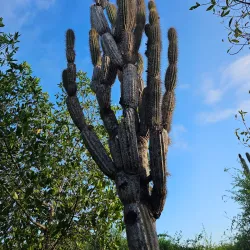
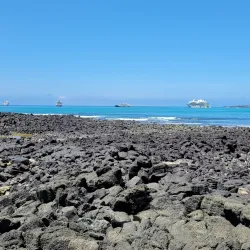
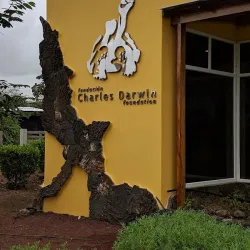
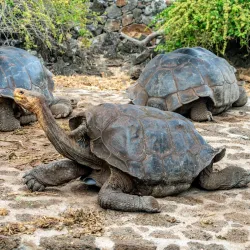
This renowned research facility is dedicated to the conservation of the Galápagos giant tortoise and other native species. Visitors can learn about ongoing scientific efforts and see tortoises of various ages, including some of the oldest living specimens.
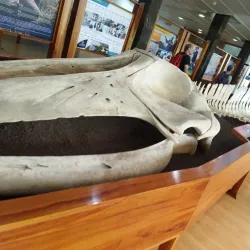
The station also provides educational exhibits about the islands' ecology and conservation challenges, making it a must-visit for those interested in wildlife preservation.
Tortuga Bay
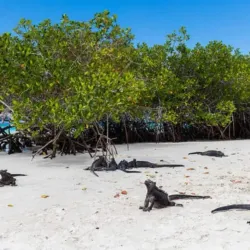
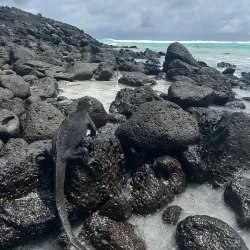
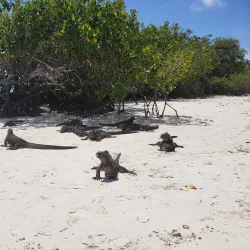
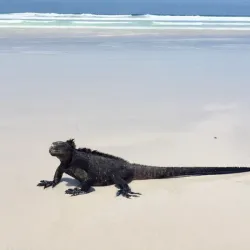
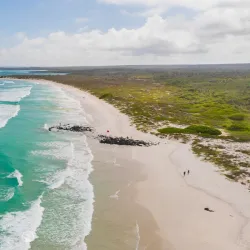

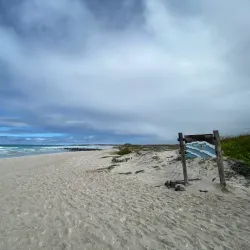
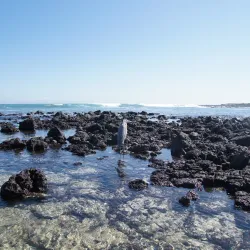
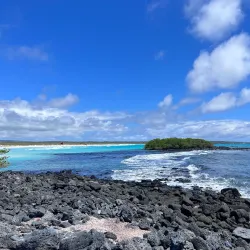
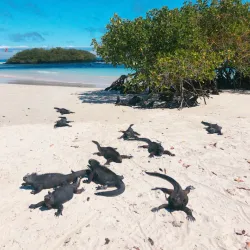
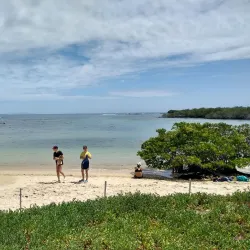
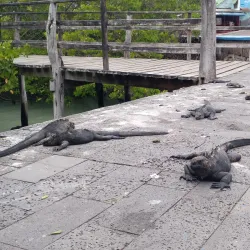
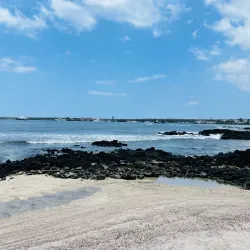
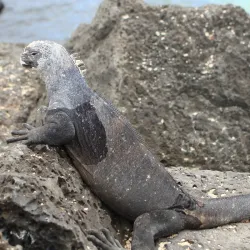
Tortuga Bay is a stunning white-sand beach known for its crystal-clear waters and abundant marine life. It is a great spot for swimming, snorkeling, and kayaking, with opportunities to see marine iguanas, sea turtles, and various bird species.
The beach is accessible via a scenic walking trail from Puerto Ayora, offering a peaceful natural setting away from the town's bustle.
Las Grietas
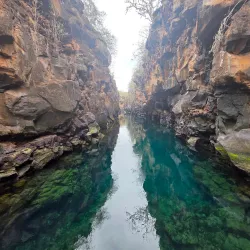
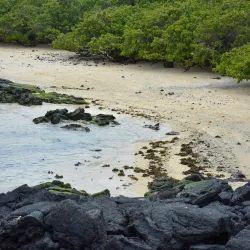
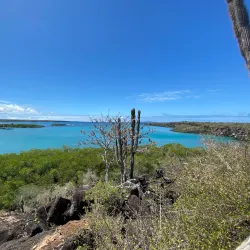
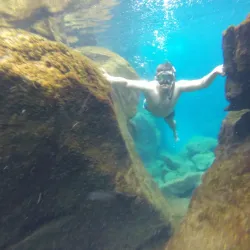
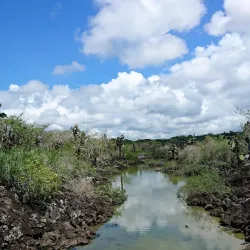
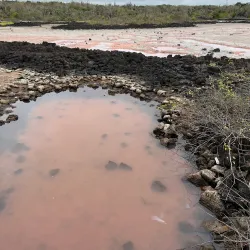
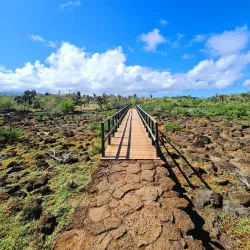
Las Grietas is a unique geological formation consisting of deep crevices filled with clear, cool seawater. It is a popular spot for swimming and snorkeling, providing a refreshing experience surrounded by dramatic volcanic rock formations.
The site is easily accessible from Puerto Ayora and offers a chance to explore the islands' volcanic origins while enjoying a natural swimming pool.
El Chato Tortoise Reserve
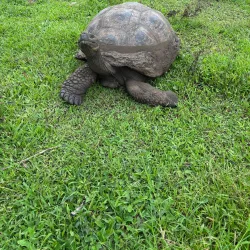
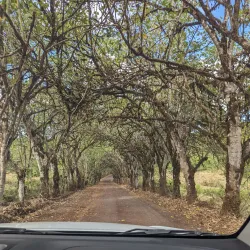
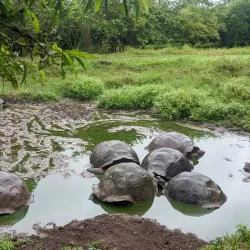
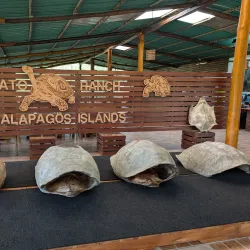
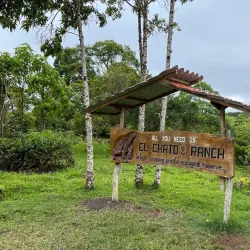
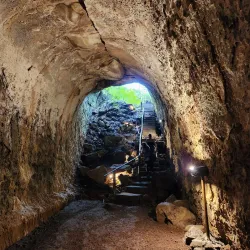
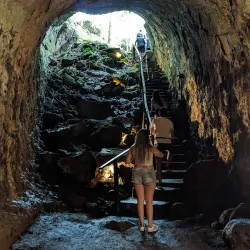
Located in the highlands of Santa Cruz Island, El Chato Reserve is home to wild giant tortoises in their natural habitat. Visitors can observe these impressive creatures roaming freely and learn about their behavior and conservation.
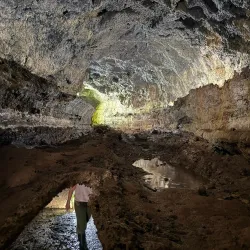
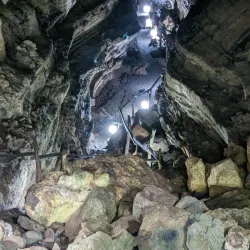
The reserve also features lava tunnels and scenic trails, making it a great destination for hiking and wildlife photography.
Plaza Charles Darwin
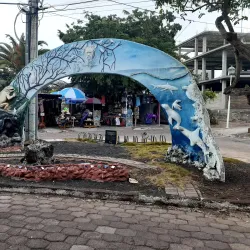
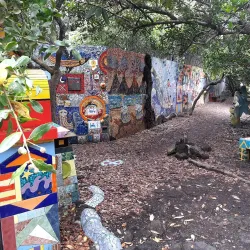
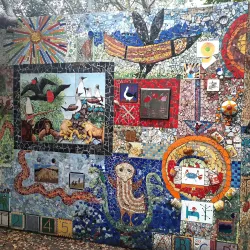
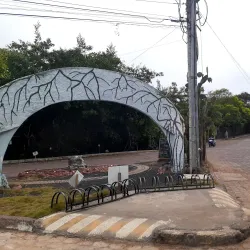
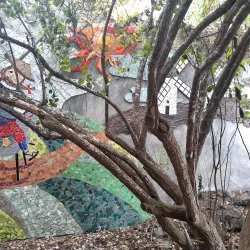
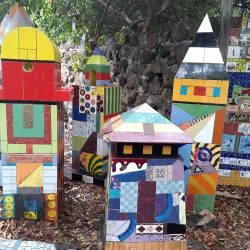
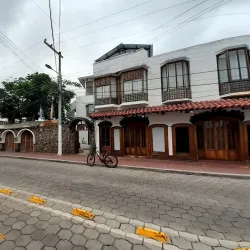
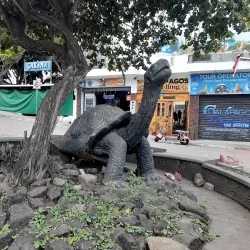
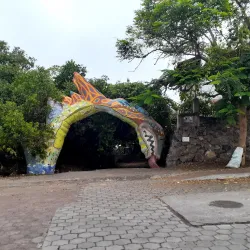
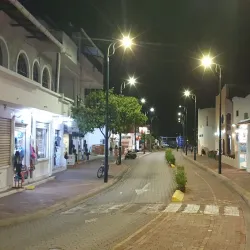
This central plaza in Puerto Ayora is a lively gathering place surrounded by shops, cafes, and restaurants. It offers a glimpse into local life and is a convenient starting point for exploring the town.
The plaza often hosts cultural events and markets, providing visitors with opportunities to experience the local culture and cuisine.
Galápagos Interpretation Center
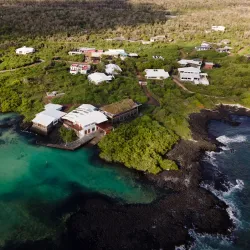
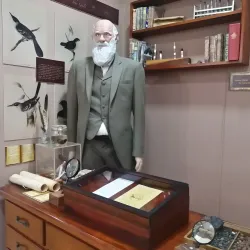
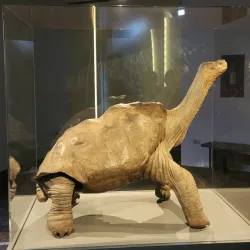
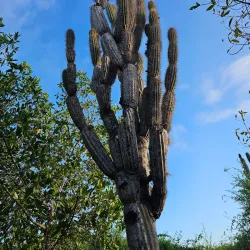
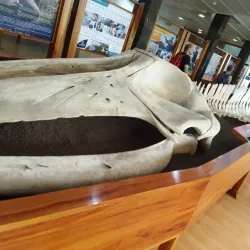
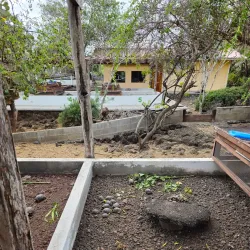
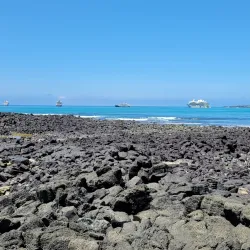
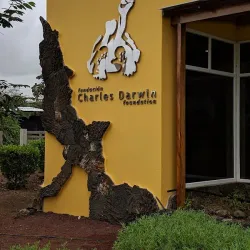
This educational center provides comprehensive exhibits about the natural and human history of the Galápagos Islands. It is an excellent place to gain context before exploring the islands' unique ecosystems.
The center features multimedia displays, interactive exhibits, and information about conservation efforts, making it informative for visitors of all ages.
Playa de los Alemanes
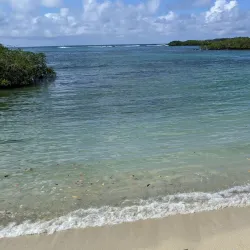
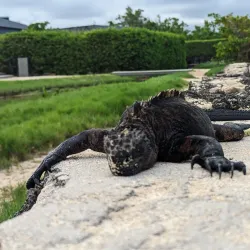
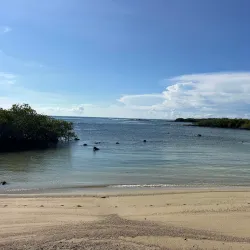
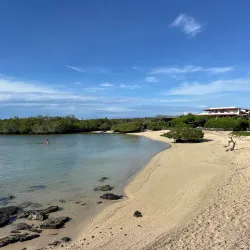
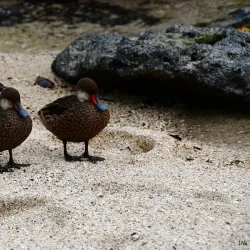
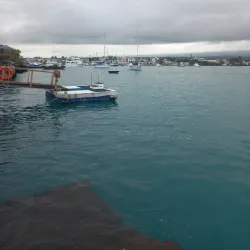
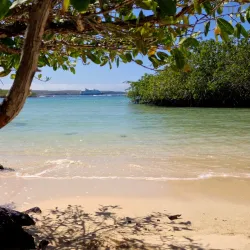
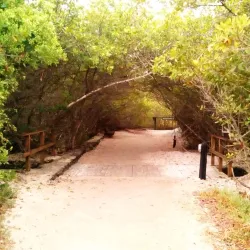
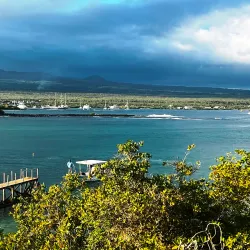
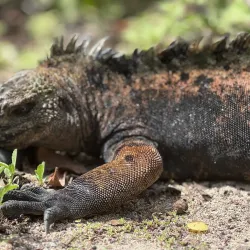
A beautiful beach known for its calm waters and excellent snorkeling opportunities. Playa de los Alemanes is less crowded than Tortuga Bay, offering a more tranquil beach experience.
Visitors can enjoy swimming, sunbathing, and observing marine life in the clear waters.
Santa Cruz Fish Market
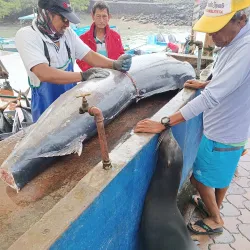
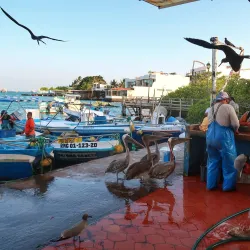
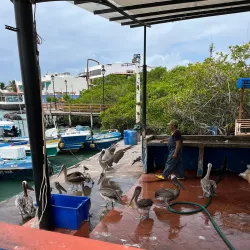
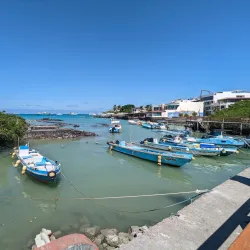
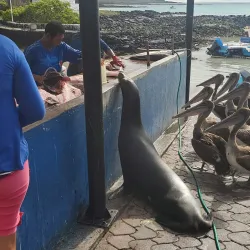
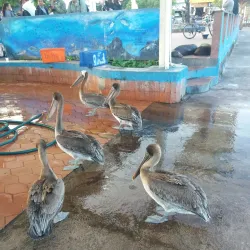
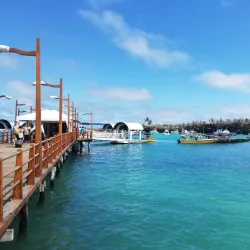
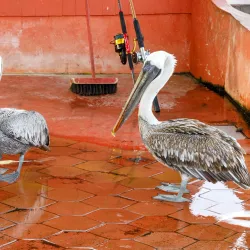
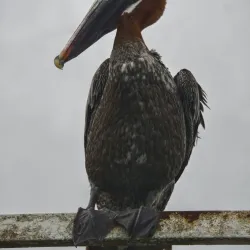
This bustling market is a great place to see the daily catch brought in by local fishermen. It offers fresh seafood and a chance to interact with the local community.
The market is also a good spot to try traditional Galápagos dishes and learn about the island's fishing culture.
Cerro Dragón (Dragon Hill)
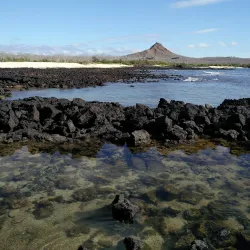
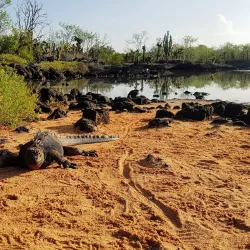
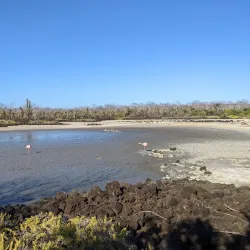
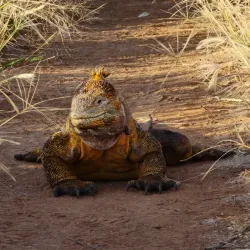
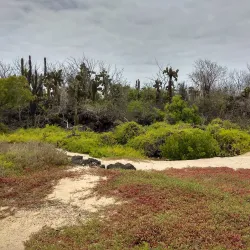
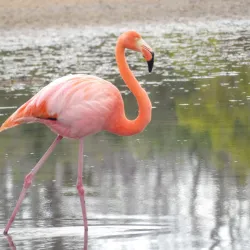
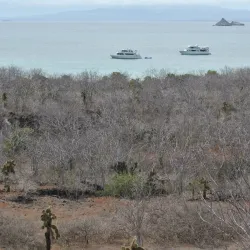
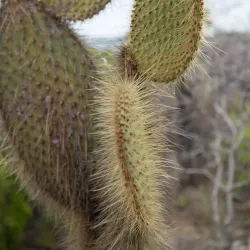
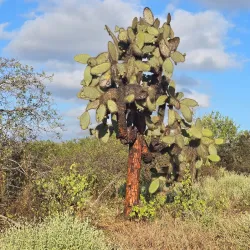
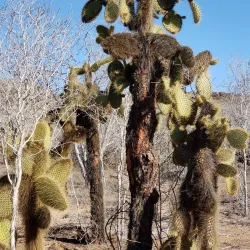
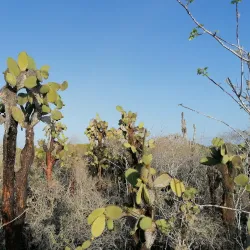
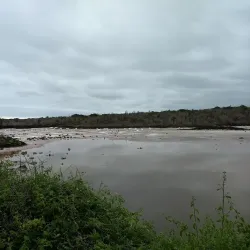
Cerro Dragón is a hill and ecological reserve known for its unique landscapes and wildlife, including land iguanas and flamingos in nearby lagoons.
The site offers hiking trails with panoramic views of the island and opportunities to observe endemic species in their natural environment.
Fausto Llerena Breeding Center
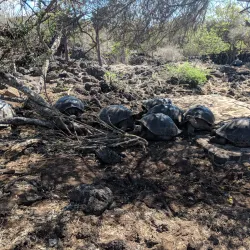
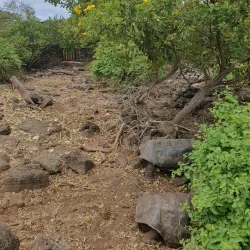
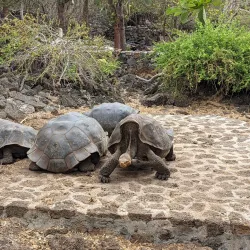
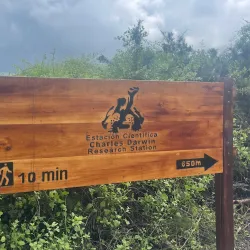
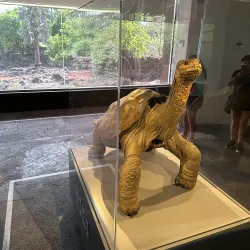
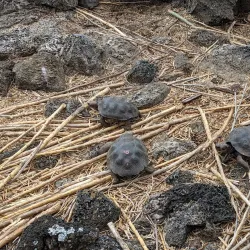
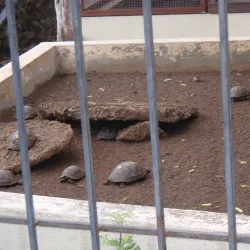
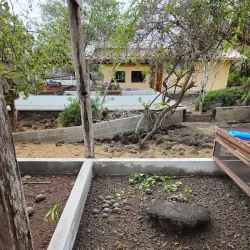
Part of the Charles Darwin Research Station, this breeding center focuses on the reproduction and conservation of giant tortoises. Visitors can see young tortoises and learn about breeding programs that help sustain the population.
The center plays a crucial role in the recovery of endangered species and offers educational tours about conservation efforts.