Things to do in Armant
Armant, located in Egypt, is a town rich in ancient history and archaeological significance. It is situated near the Nile River and is known for its connections to the ancient Egyptian civilization, particularly during the Middle Kingdom and New Kingdom periods.The town and its surroundings offer visitors a glimpse into Egypt's past through its ruins, temples, and artifacts. Armant is less frequented by tourists compared to major cities like Luxor or Cairo, providing a more intimate experience of Egypt's heritage.Temple of Montu at Armant
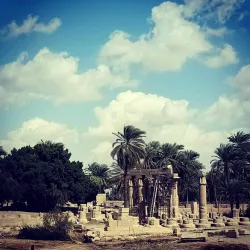
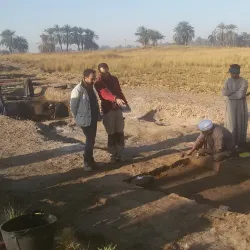
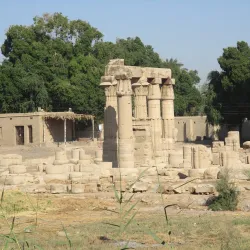
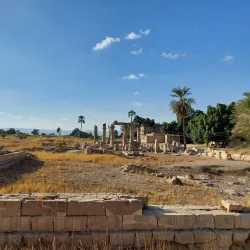
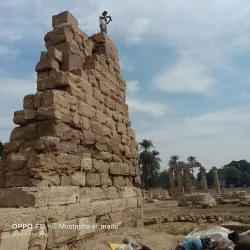
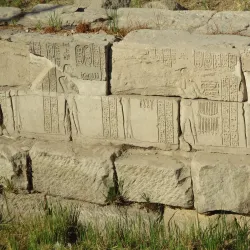
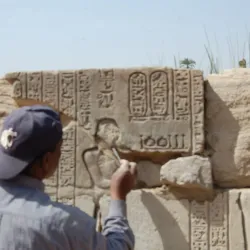
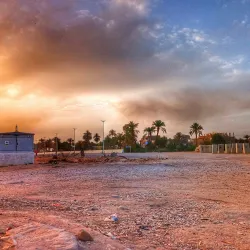
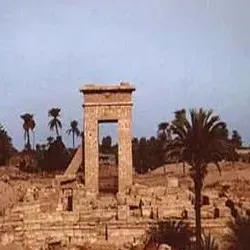
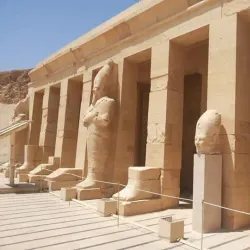
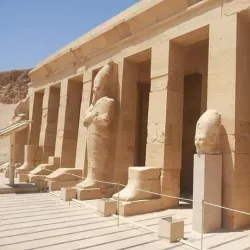
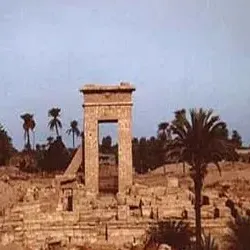
This ancient temple is dedicated to Montu, the Egyptian god of war. The site includes ruins from various periods, showcasing the architectural evolution and religious significance of the temple complex.
The temple was an important cult center and features remnants of pylons, statues, and reliefs that depict Montu and other deities.
Necropolis of Armant
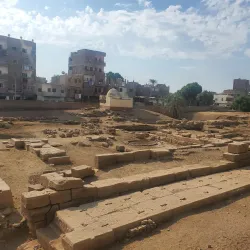
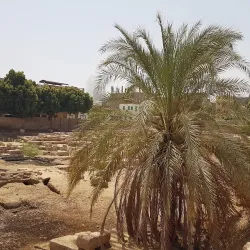
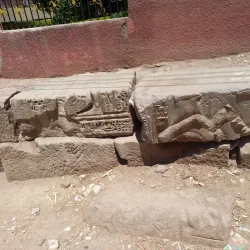
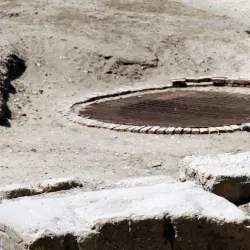
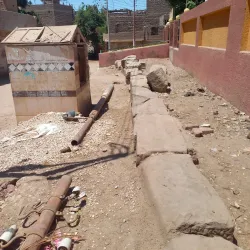
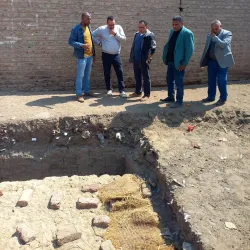
The necropolis near Armant contains tombs dating back to the Middle Kingdom and New Kingdom periods. These tombs provide valuable insights into the burial practices and art of ancient Egypt.
Visitors can see decorated tombs with hieroglyphics and paintings that illustrate the lives and beliefs of the people buried there.
Ancient Quarry Sites
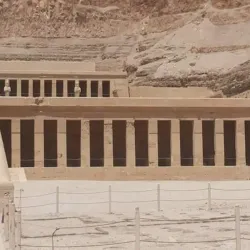


Armant is known for its ancient quarries, which supplied stone for many temples and monuments in the region. Exploring these sites offers a perspective on the logistics and labor involved in ancient Egyptian construction.
The quarries are scattered around the area and are of interest to those studying ancient engineering and resource management.
Local Museum Exhibits
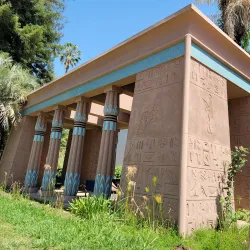
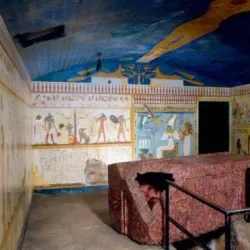
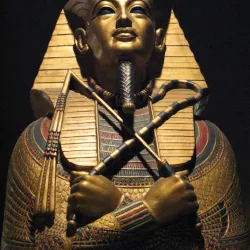
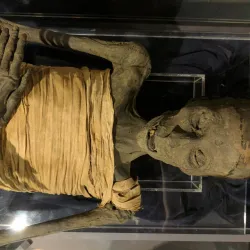
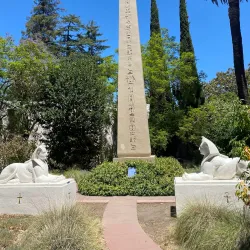
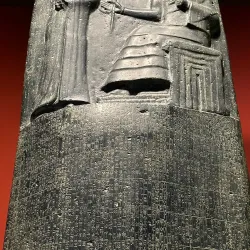
While Armant itself has limited museum facilities, nearby museums in the region display artifacts excavated from Armant and its surroundings, including statues, pottery, and tools.
These exhibits help contextualize the archaeological finds and provide educational information about the town's historical importance.
Nile River Banks
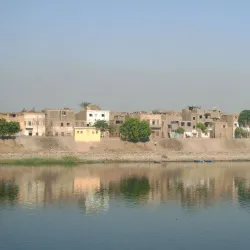
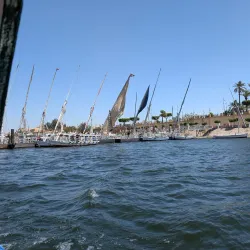
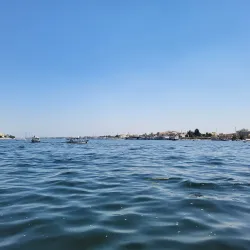
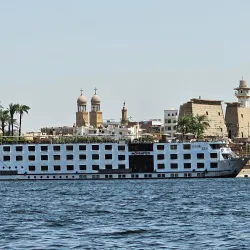
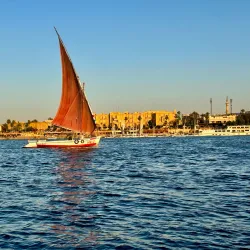
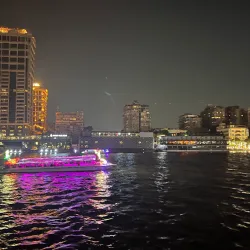
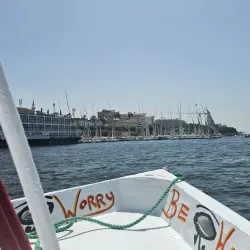
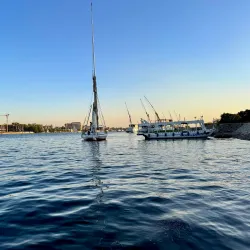
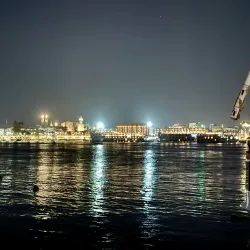
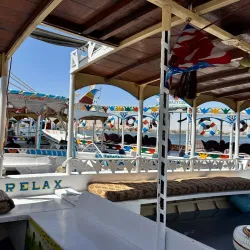
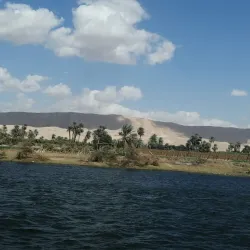
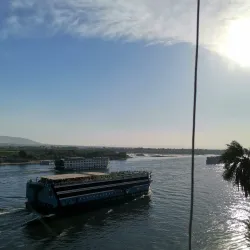
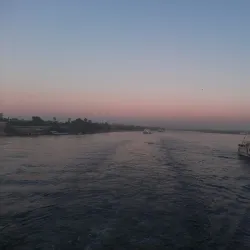
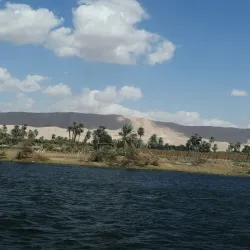
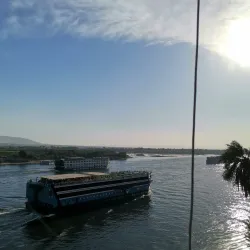
The banks of the Nile River near Armant offer scenic views and opportunities for relaxation and photography. The river has been central to the town's life and economy for millennia.
Visitors can enjoy the natural beauty and observe local life along the river, including traditional fishing and farming activities.
Traditional Markets of Armant
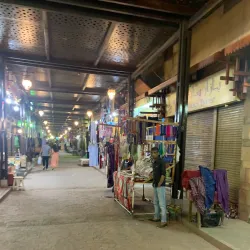

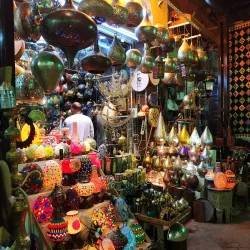
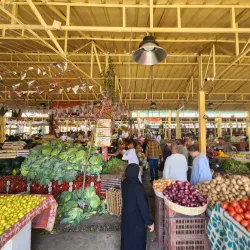
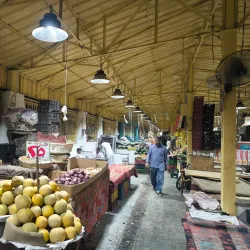
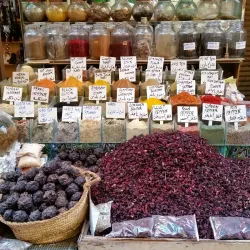
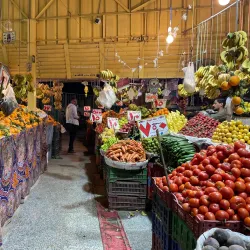
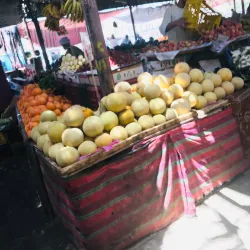
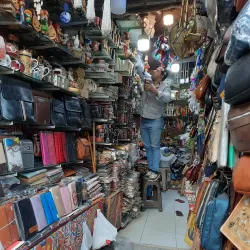
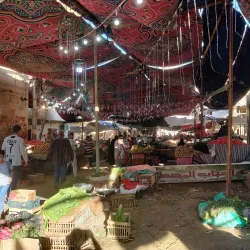
The local markets in Armant provide a glimpse into contemporary Egyptian culture and daily life. Visitors can find traditional crafts, textiles, and local produce.
These markets are vibrant places to experience the local community and purchase unique souvenirs.
Surrounding Agricultural Lands


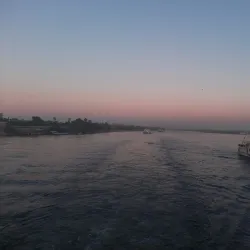
The fertile lands around Armant have been cultivated since ancient times, supporting the local population with crops such as wheat, barley, and vegetables.
Exploring the agricultural landscape offers insight into the continuity of farming practices from ancient to modern times.
Nearby Luxor Attractions
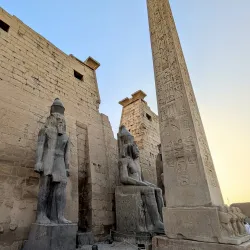
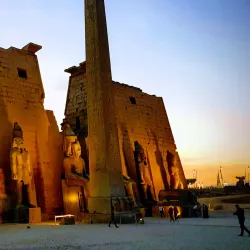
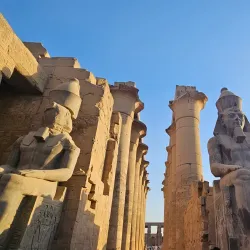
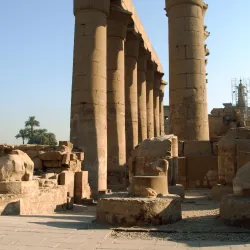
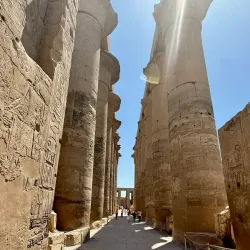
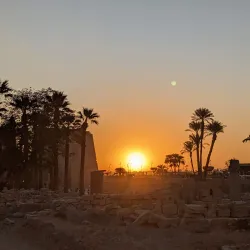
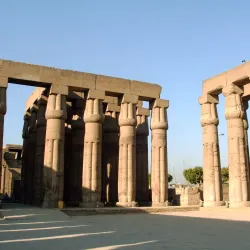
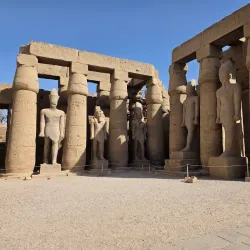
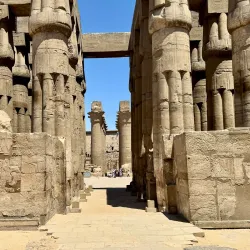
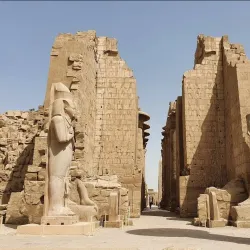
While not in Armant itself, the nearby city of Luxor is easily accessible and offers world-renowned sites such as the Karnak Temple, Luxor Temple, and the Valley of the Kings.
Visitors to Armant often combine their trip with a visit to Luxor to experience a broader range of ancient Egyptian monuments.
Falconry Traditions
Armant has historical ties to falconry, linked to the worship of Montu, the falcon-headed god. Some local cultural experiences may include demonstrations or information about this ancient practice.
Falconry remains a symbol of heritage and connection to the natural world in the region.
Local Religious Sites
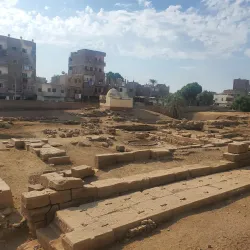
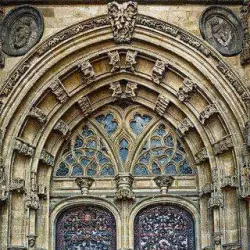
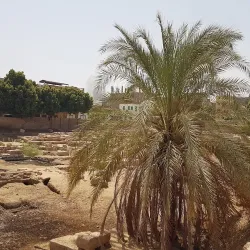
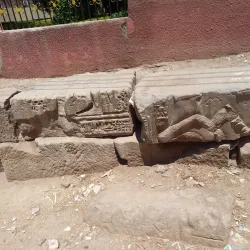
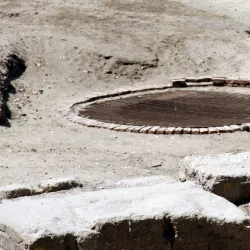
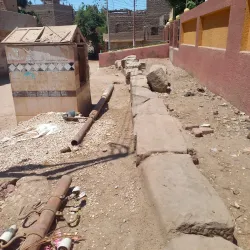
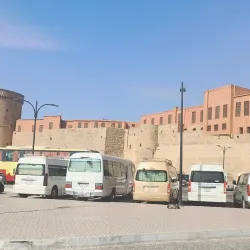
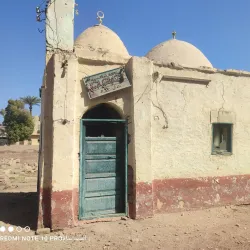
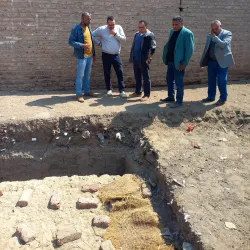
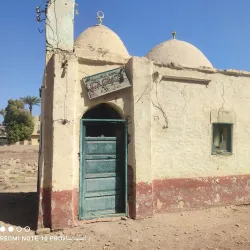
Modern religious sites in Armant reflect the town's continued cultural and spiritual life, including mosques and churches that serve the local community.
These sites offer insight into the religious diversity and traditions of contemporary Armant.