Things to do in El Badari
El Badari is a town in Upper Egypt known primarily for its archaeological significance and rich ancient history. It is located in the Asyut Governorate and is famous for the Badarian culture, one of the earliest known prehistoric cultures in Egypt, dating back to around 4400-4000 BCE.The area around El Badari offers a unique glimpse into early Egyptian civilization with archaeological sites and artifacts that have contributed significantly to the understanding of prehistoric Egypt. Visitors interested in history, archaeology, and ancient cultures will find El Badari a fascinating destination.Badarian Archaeological Site
This site is the primary location where artifacts of the Badarian culture were first discovered. It includes ancient burial grounds and settlements that have provided archaeologists with important information about early agricultural practices, pottery, and burial customs in prehistoric Egypt.
The site is significant for understanding the development of early Egyptian society and its transition from hunter-gatherer groups to settled agricultural communities.
Asyut Museum
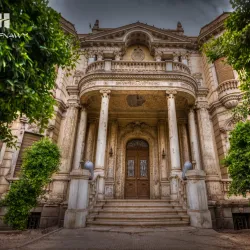
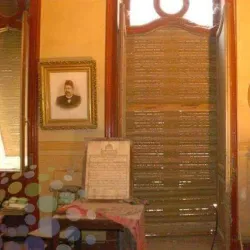
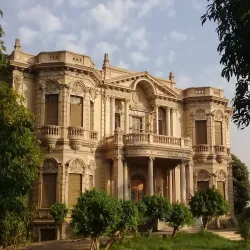
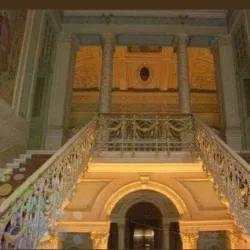
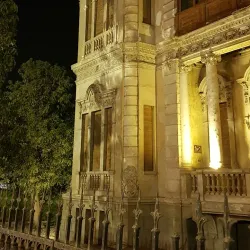
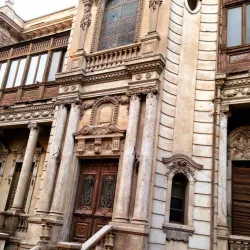
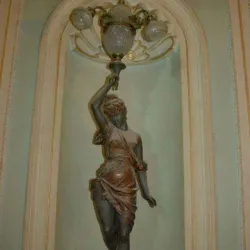
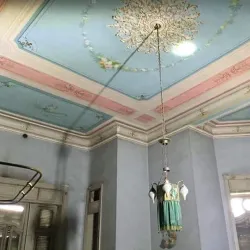
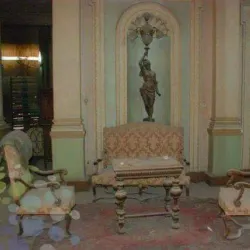

Located in the nearby city of Asyut, this museum houses many artifacts from the Badarian culture and other periods of Egyptian history. It offers visitors a chance to see pottery, tools, and other items excavated from the El Badari region.
The museum provides context and detailed explanations about the significance of the Badarian culture and its contributions to Egyptian heritage.
Nile River
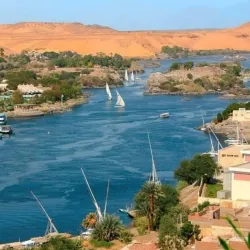



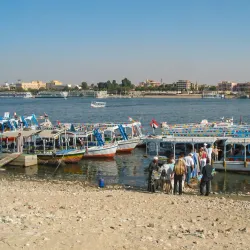
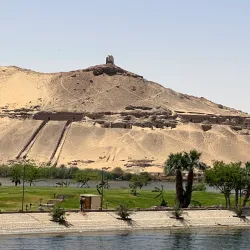
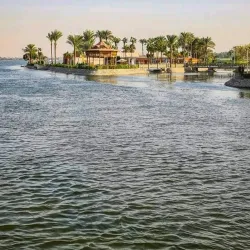
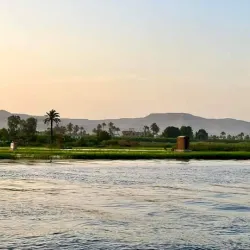


The Nile River flows near El Badari and has been central to the development of civilizations in the region for thousands of years. Visitors can enjoy the scenic views and learn about the river's role in sustaining ancient and modern communities.
Boat trips and riverside walks offer a peaceful way to experience the natural beauty and historical importance of the Nile in this part of Egypt.
Local Villages and Markets
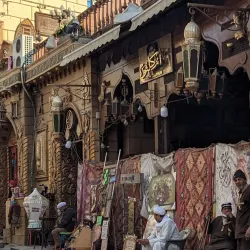
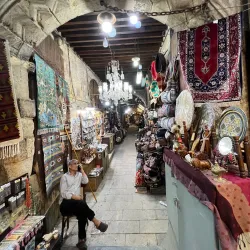
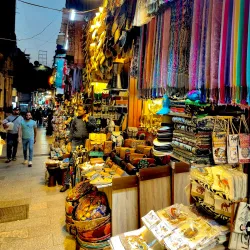
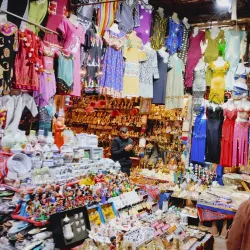
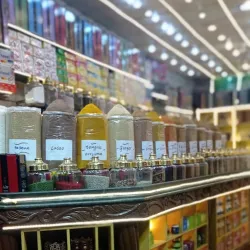
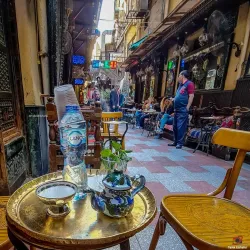
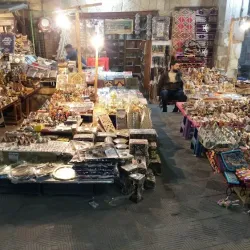
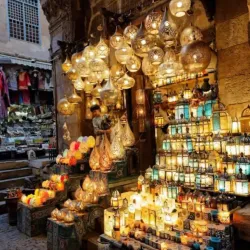
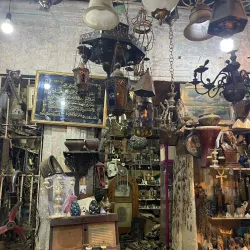
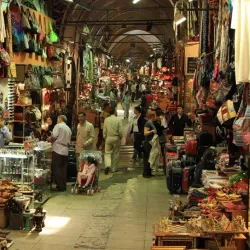
Exploring the local villages around El Badari provides insight into traditional Egyptian rural life. Visitors can experience local crafts, foods, and customs that have been preserved over generations.
Markets in the area offer handmade goods and produce, reflecting the agricultural lifestyle that has been a constant in the region since ancient times.
Ancient Egyptian Tombs
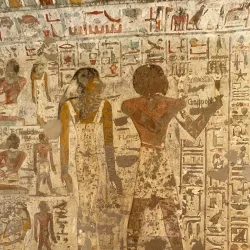
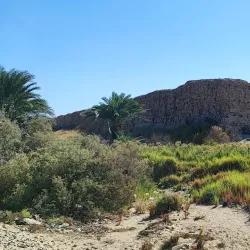

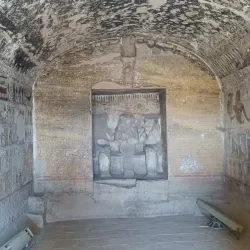
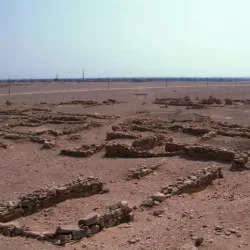

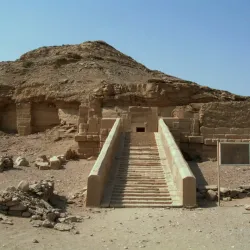

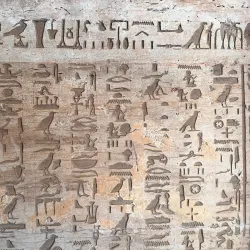
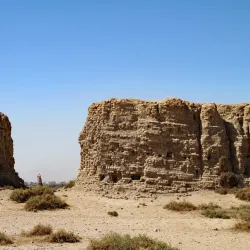
The area around El Badari is known for ancient tombs and burial sites that date back to various periods of Egyptian history. These tombs provide valuable archaeological information about burial practices and beliefs in the afterlife.
Though many tombs are not open to the public, some sites can be viewed with permission or through guided tours arranged by local experts.
El Badari Desert Landscape
The desert surrounding El Badari offers a stark and beautiful landscape typical of Upper Egypt. It is a place for quiet reflection and exploration of the natural environment that shaped early human settlement patterns.
Visitors interested in geology, desert flora and fauna, or simply enjoying a desert experience will find this area rewarding.
Traditional Egyptian Cuisine Experiences
Local eateries and homes in El Badari offer authentic Egyptian cuisine, giving visitors a taste of traditional dishes made from locally sourced ingredients.
Trying local foods such as ful medames, koshari, and freshly baked bread provides a cultural experience that complements the historical exploration of the area.
Coptic Churches in Asyut
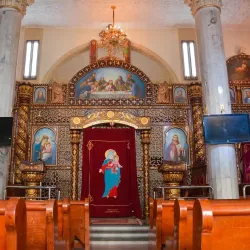
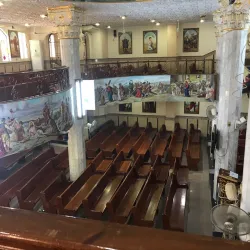
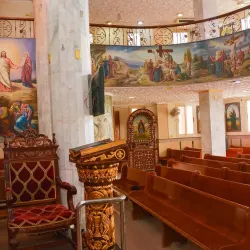
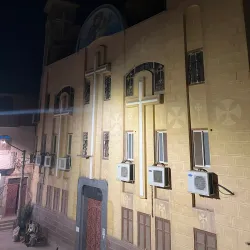
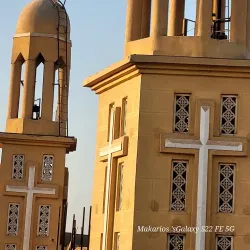
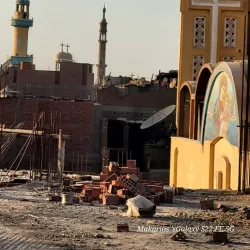
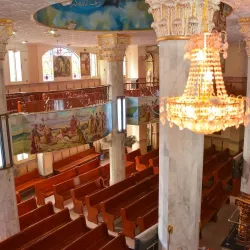
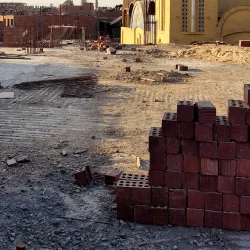
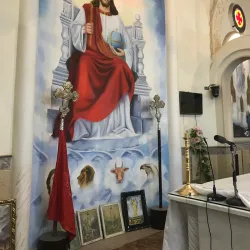

The nearby city of Asyut is home to several ancient Coptic churches that reflect the Christian heritage of the region. These churches feature unique architecture and religious art.
Visiting these churches offers insight into the religious diversity and history of Upper Egypt beyond its ancient Egyptian roots.
El Badari Local Handicrafts
Artisans in El Badari produce traditional handicrafts that reflect the cultural heritage of the region. These include pottery, weaving, and other crafts that have been passed down through generations.
Purchasing these crafts supports local communities and provides visitors with unique souvenirs representing the area's history and culture.
Agricultural Fields and Nile Valley Farming

The fertile lands of the Nile Valley around El Badari have been cultivated for thousands of years. Visitors can observe traditional farming techniques and the crops that sustain local populations.
This agricultural heritage is a living connection to the ancient practices that helped establish one of the world's earliest civilizations.