Things to do in El Faiyum
El Faiyum is a city in Middle Egypt known for its rich history, archaeological sites, and natural beauty. It is situated near the Faiyum Oasis, one of the oldest inhabited regions in Egypt, offering visitors a unique blend of ancient ruins, lush landscapes, and traditional culture.The city and its surroundings are famous for their proximity to the Qarun Lake, ancient temples, and the Valley of the Whales, a UNESCO World Heritage site. El Faiyum provides a fascinating destination for those interested in Egypt's Pharaonic past, Roman and Greek influences, and natural wonders.Wadi El Rayan
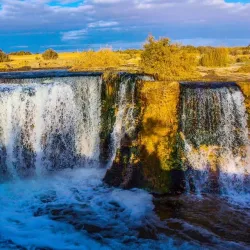
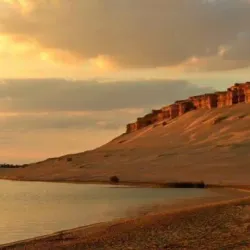
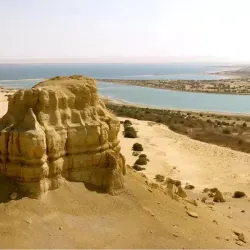
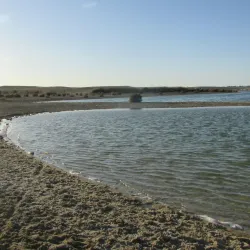
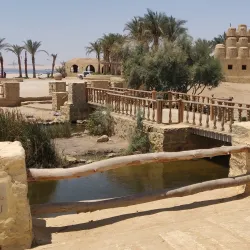
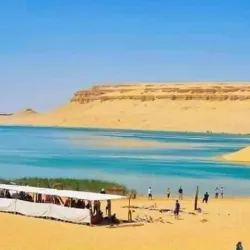
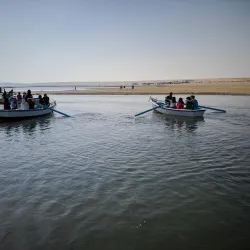

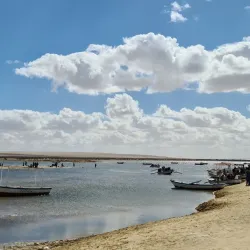
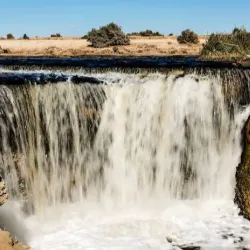
Wadi El Rayan is a protected area known for its stunning waterfalls, desert landscapes, and rich biodiversity. It is a popular spot for eco-tourism and offers opportunities for hiking, bird watching, and photography.
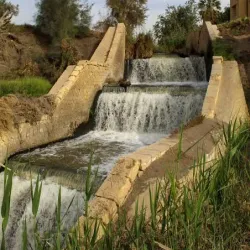
The area features two large lakes connected by waterfalls, which are unique in Egypt's desert environment, making it a remarkable natural attraction near El Faiyum.
Qarun Lake
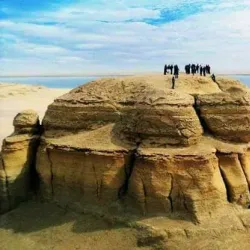
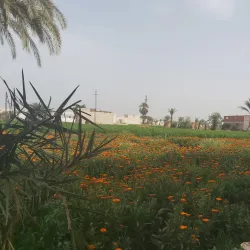
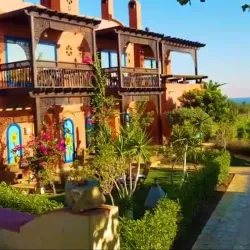
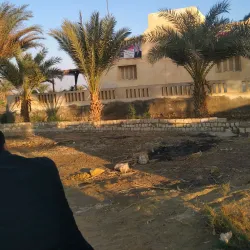
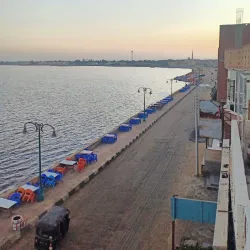
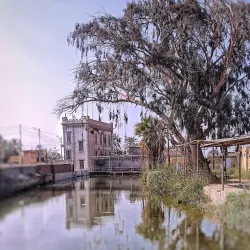
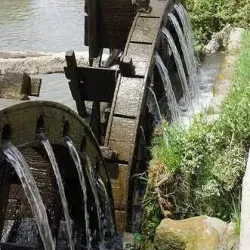
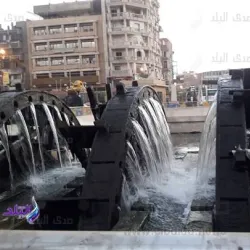
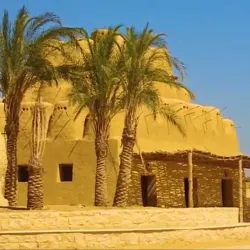
Qarun Lake is a large natural lake in the Faiyum Oasis, known for its scenic beauty and fishing activities. It is one of the oldest lakes in Egypt and supports a variety of bird species, making it a favorite spot for bird watchers.
The lake is surrounded by salt marshes and agricultural land, providing a glimpse into the traditional lifestyle of the local communities.
Karanis (Kom Aushim) Archaeological Site
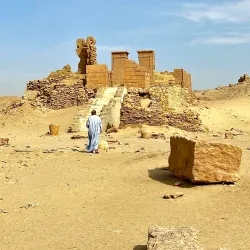
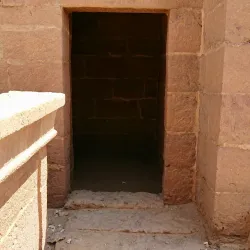
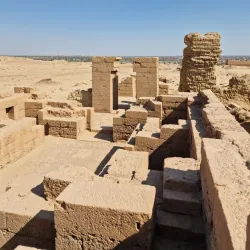
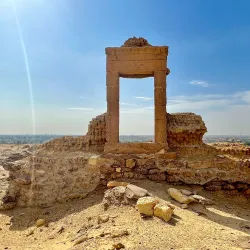
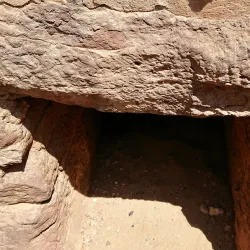
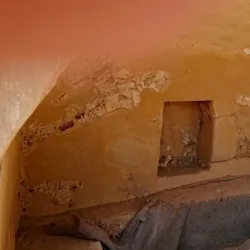
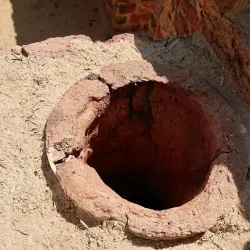
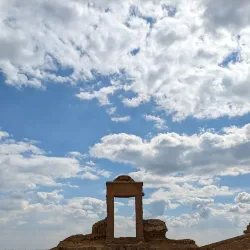
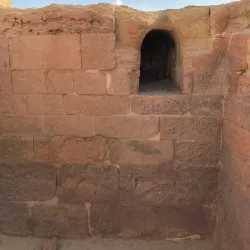
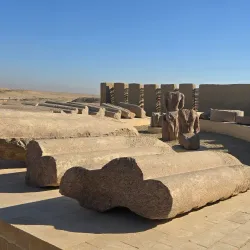
Karanis is an ancient Greco-Roman city located near El Faiyum, known for its well-preserved ruins including houses, temples, and public buildings.
Excavations have revealed a wealth of artifacts that provide insight into the daily life and culture of the inhabitants during the Ptolemaic and Roman periods.
Tomb of Petosiris
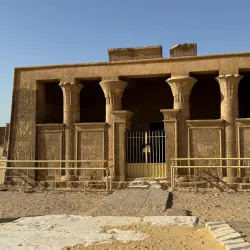
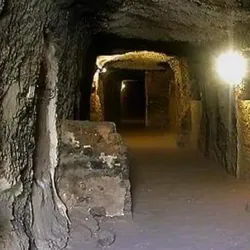
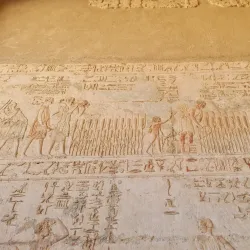
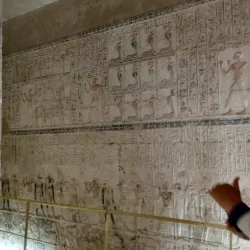
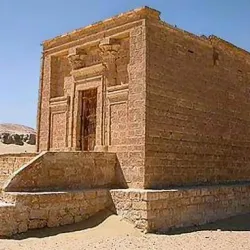
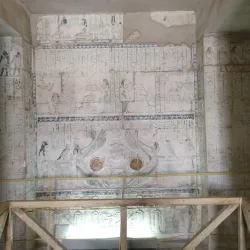
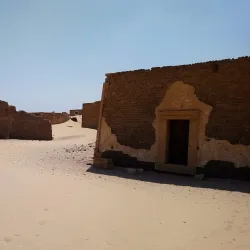
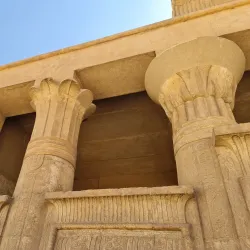
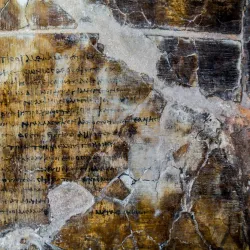
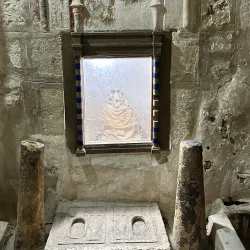
The Tomb of Petosiris is an ancient burial site located near El Faiyum, famous for its well-preserved wall paintings and inscriptions.
The tomb belongs to Petosiris, a high priest during the Ptolemaic period, and reflects a blend of Egyptian and Hellenistic artistic styles.
Temple of Sobek at Kom Ombo
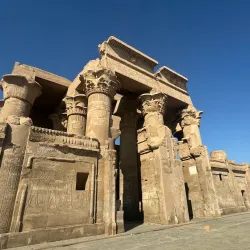
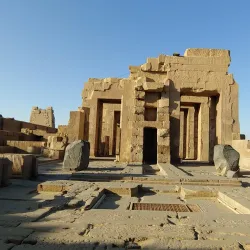
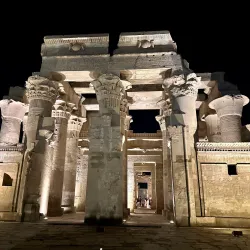
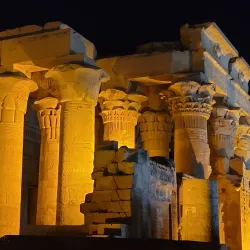
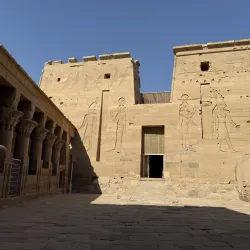
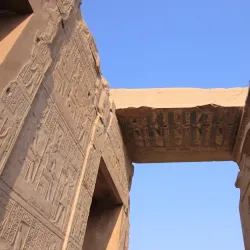
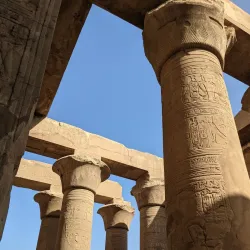
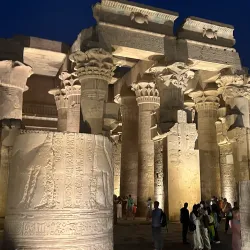
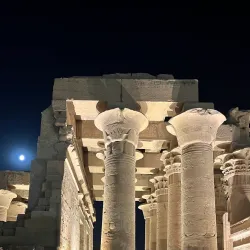
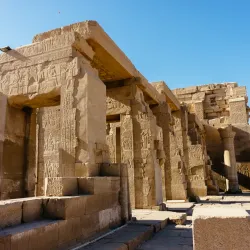
Although a bit farther from El Faiyum, the Temple of Sobek at Kom Ombo is a significant attraction related to the region's history. It is dedicated to the crocodile god Sobek and the falcon god Horus.
The temple is notable for its unique double design, with symmetrical courts, halls, and sanctuaries for the two gods.
Faiyum Museum
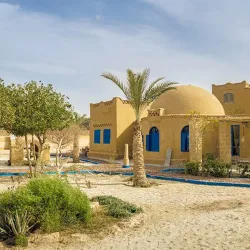
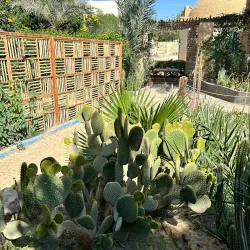
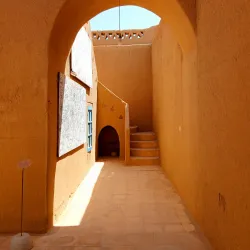
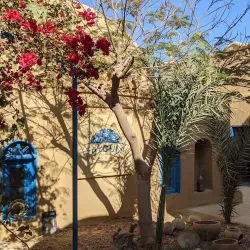
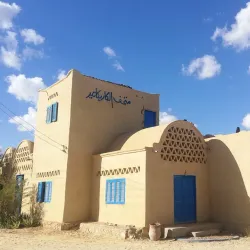
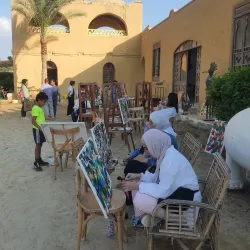
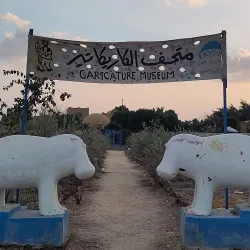
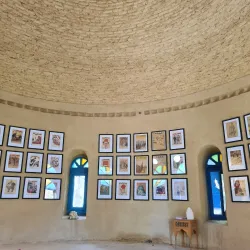
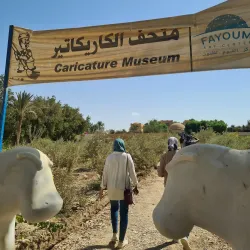
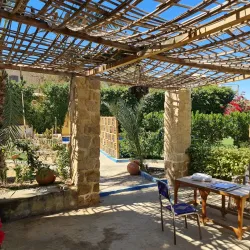
The Faiyum Museum showcases artifacts from the region's long history, including Pharaonic, Greco-Roman, and Coptic periods.
Visitors can see a variety of items such as mummies, pottery, jewelry, and ancient tools that tell the story of the area's cultural heritage.
Valley of the Whales (Wadi Al-Hitan)
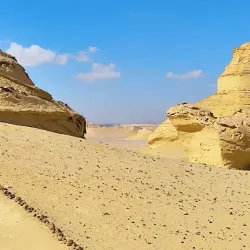
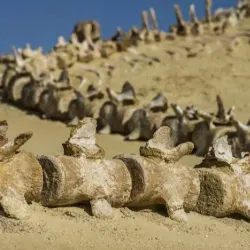
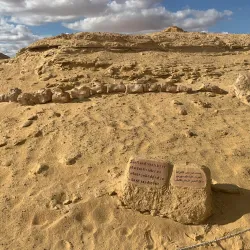
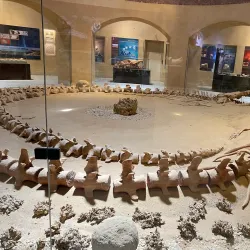
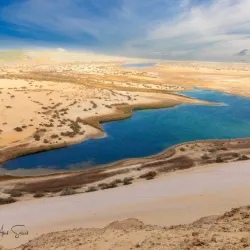
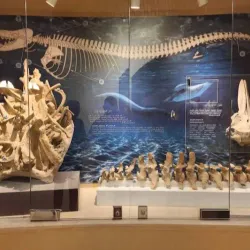
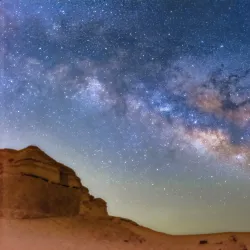
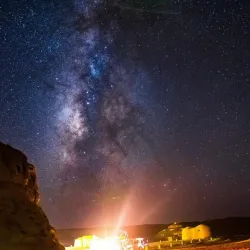
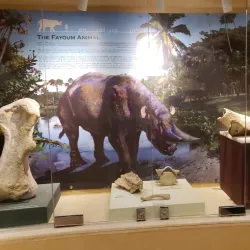
A UNESCO World Heritage site, the Valley of the Whales is famous for its fossil remains of early whales that lived millions of years ago.
This paleontological site provides important evidence about the evolution of whales and is a must-visit for those interested in natural history.
Lake Moeris (Birket Qarun)
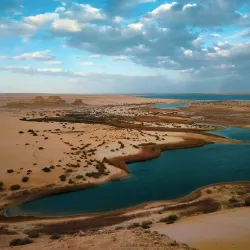
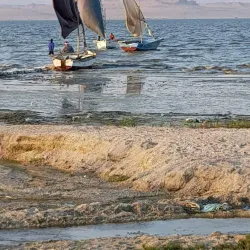
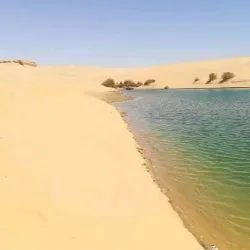
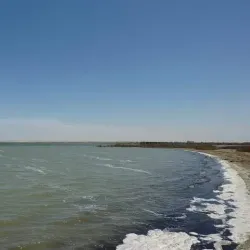
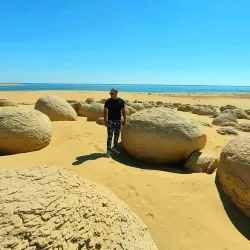
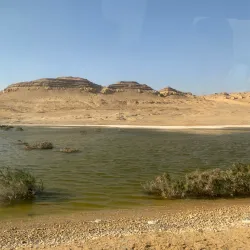
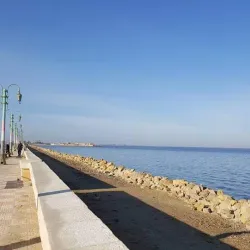
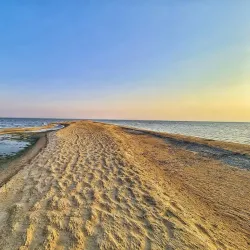
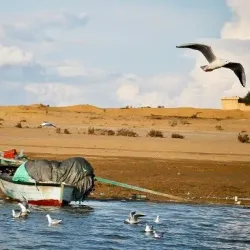
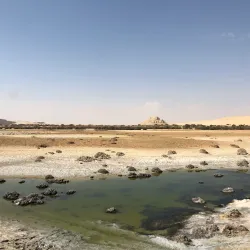
Lake Moeris, also known as Birket Qarun, is an ancient lake in the Faiyum region with historical significance dating back to Pharaonic times.
The lake and its surroundings have been a vital source of water and fish for local populations for centuries.
Medinet Madi
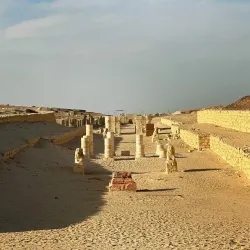
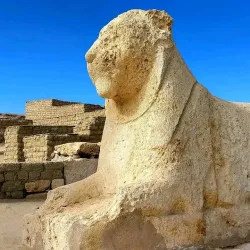
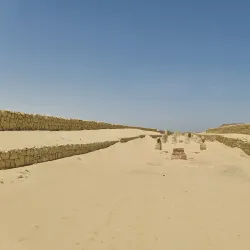
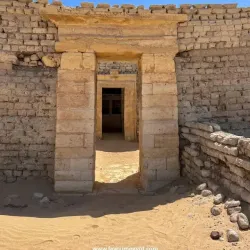
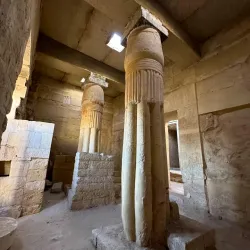
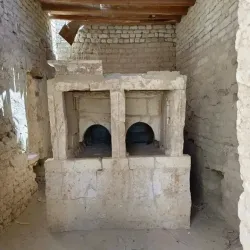
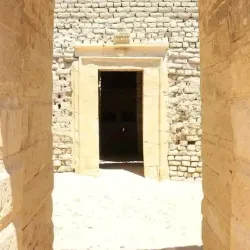
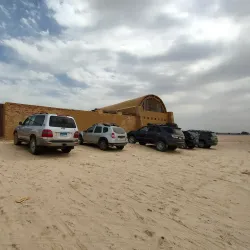
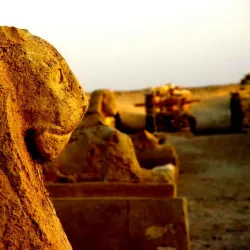
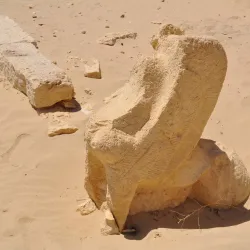
Medinet Madi is an archaeological site featuring a temple dedicated to the crocodile god Sobek, dating back to the Middle Kingdom of Egypt.
The site includes well-preserved reliefs and inscriptions that provide insight into ancient religious practices.
El Faiyum Market
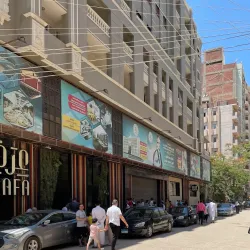

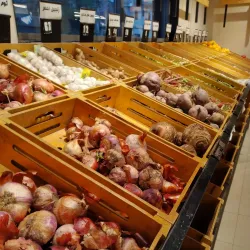

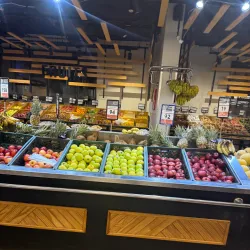

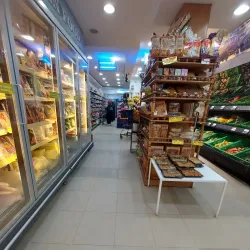



The local market in El Faiyum offers a vibrant experience of traditional Egyptian commerce, with stalls selling fresh produce, spices, textiles, and handicrafts.
It is an excellent place to experience the local culture and interact with residents.