Things to do in Luxor
Luxor, often referred to as the world's greatest open-air museum, is a city in southern Egypt renowned for its rich ancient history and archaeological treasures. Situated on the east bank of the Nile River, Luxor was once the ancient city of Thebes, the capital of Egypt during the New Kingdom period.The city is famous for its well-preserved temples, tombs, and monuments that attract historians, archaeologists, and tourists from around the globe. Luxor's attractions are primarily divided between the East Bank, home to the grand temples, and the West Bank, known for its necropolises and royal tombs.Karnak Temple Complex
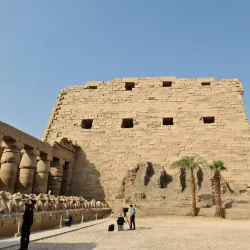
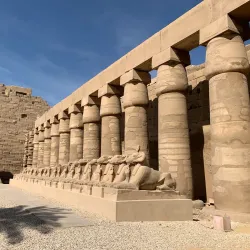
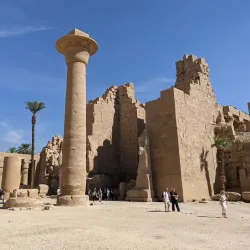
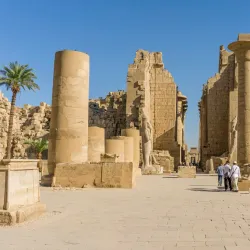
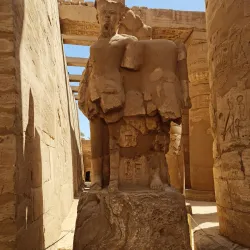
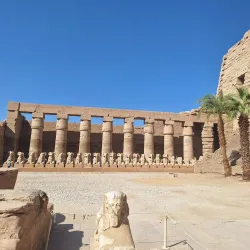
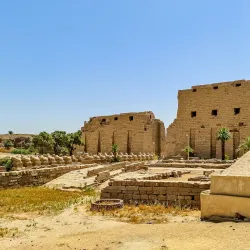
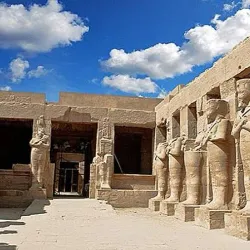
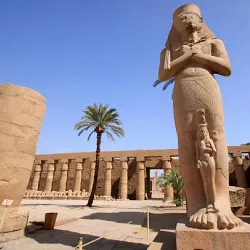
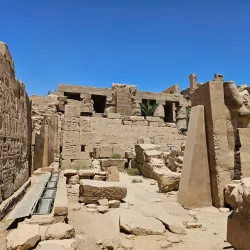
The Karnak Temple Complex is one of the largest religious buildings ever constructed and a major site of worship in ancient Egypt. It features a vast mix of decayed temples, chapels, pylons, and other buildings.
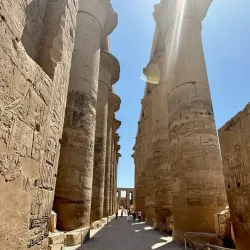
The complex is dedicated primarily to the Theban triad of Amun, Mut, and Khonsu and is famous for its Hypostyle Hall with massive columns and intricate hieroglyphics.
Luxor Temple
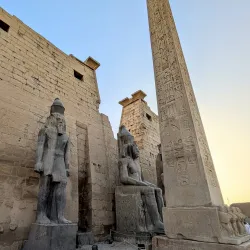
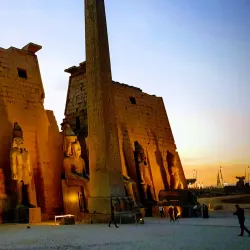
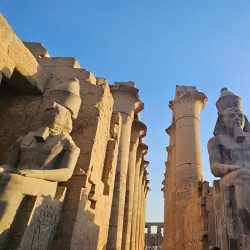
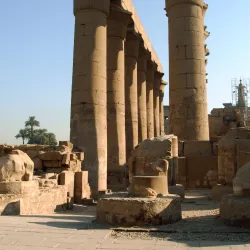
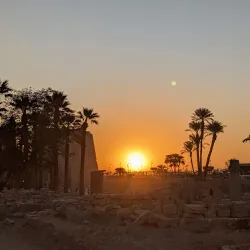
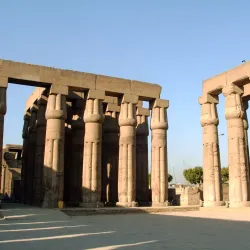
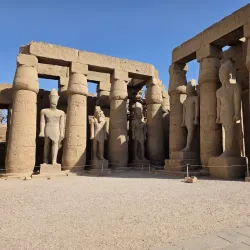

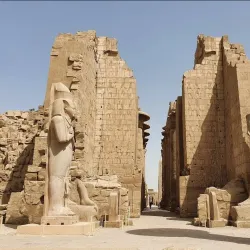
Luxor Temple is a large Ancient Egyptian temple complex located on the east bank of the Nile River. Unlike other temples, it is not dedicated to a cult god or a deified version of the king but to the rejuvenation of kingship.
The temple is known for its impressive statues, obelisks, and the avenue of sphinxes that once connected it to Karnak Temple.
Valley of the Kings
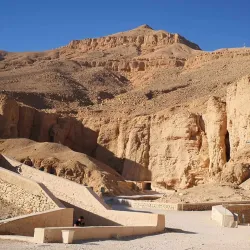
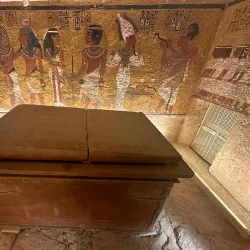
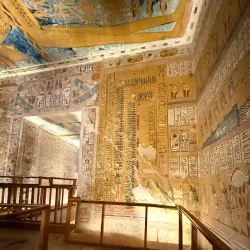
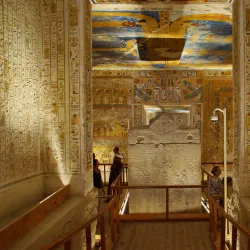
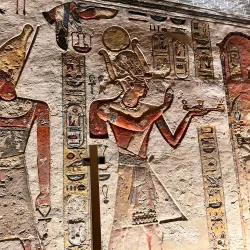
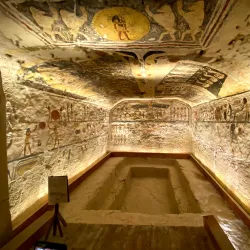
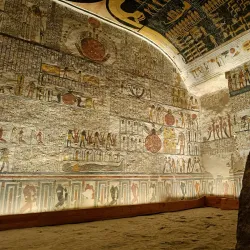
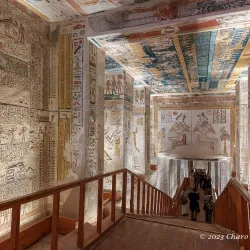
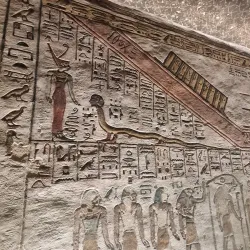
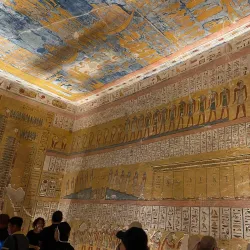
The Valley of the Kings is a famous archaeological site on the west bank of the Nile, where tombs were constructed for the Pharaohs and powerful nobles of the New Kingdom.
It is renowned for the richly decorated tombs, including that of Tutankhamun, and offers insight into ancient Egyptian burial practices and beliefs about the afterlife.
Valley of the Queens

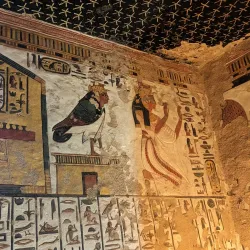


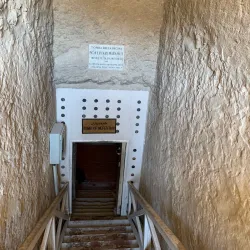
The Valley of the Queens is a burial site for the wives of Pharaohs and royal children. It is located near the Valley of the Kings on the west bank of the Nile.
The site features beautifully decorated tombs, including the famous tomb of Queen Nefertari, known for its vivid wall paintings.
Temple of Hatshepsut
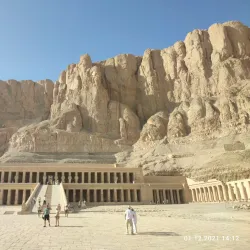
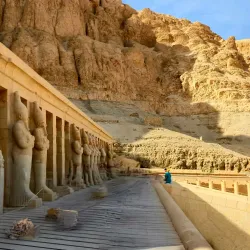
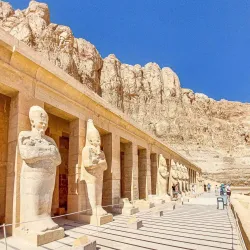
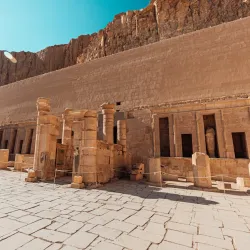
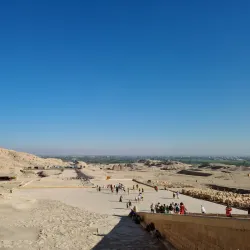
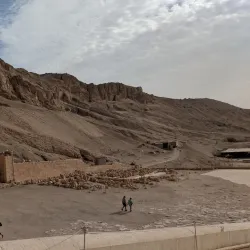
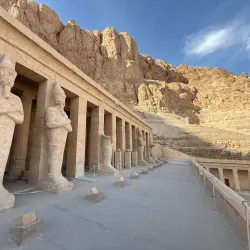
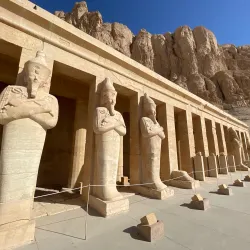
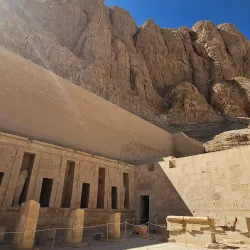
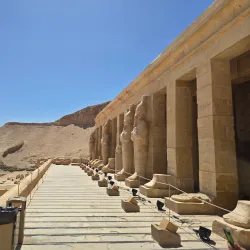
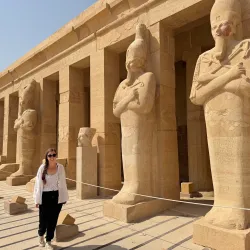
The Temple of Hatshepsut is a mortuary temple dedicated to the female Pharaoh Hatshepsut, located beneath the cliffs at Deir el-Bahari on the west bank of Luxor.
The temple is noted for its unique architecture, terraces, and reliefs depicting the life and reign of Hatshepsut.
Colossi of Memnon
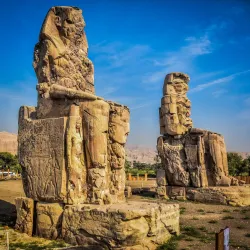
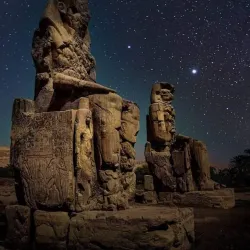
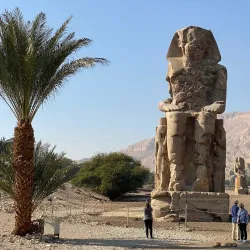
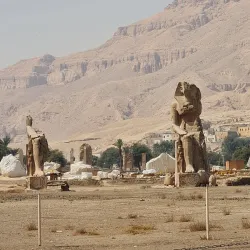
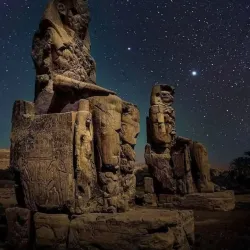
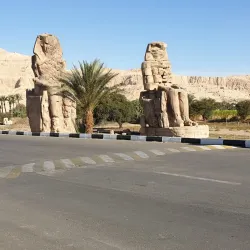
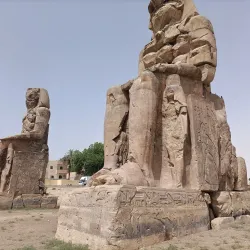
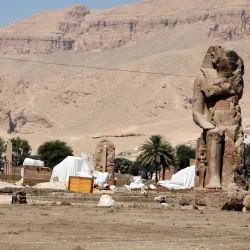
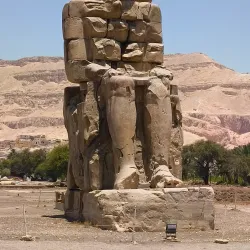
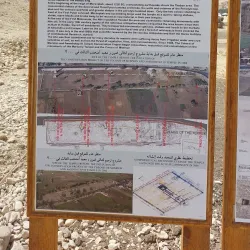
The Colossi of Memnon are two massive stone statues of Pharaoh Amenhotep III, standing guard at the entrance of his mortuary temple on the west bank of Luxor.
These statues are iconic landmarks and are among the few remnants of the once grand temple complex.
Luxor Museum
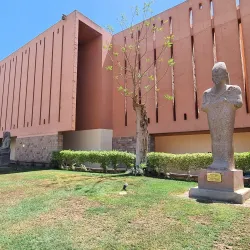
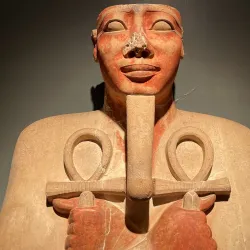
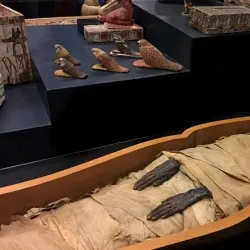
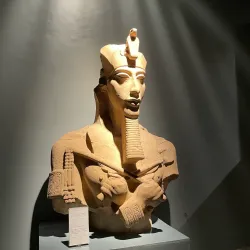
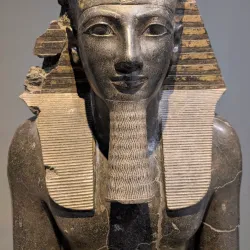
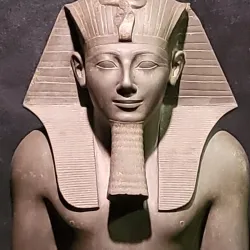
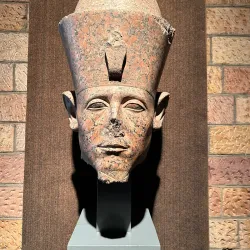
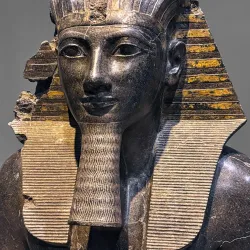
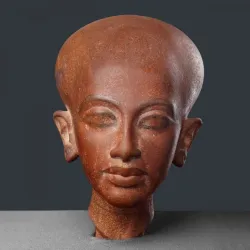
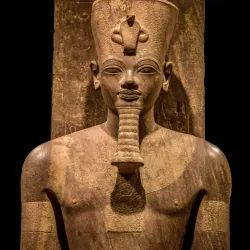
The Luxor Museum houses a collection of artifacts from the Theban temples and necropolises, providing context and history to the sites around Luxor.
The museum is praised for its well-curated exhibits, including statues, jewelry, and items from the tomb of Tutankhamun.
Medinet Habu
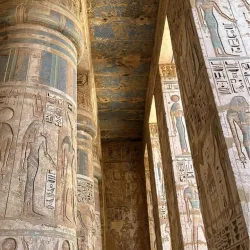
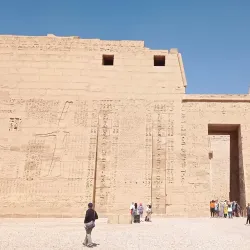
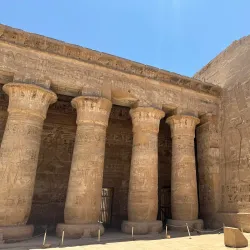
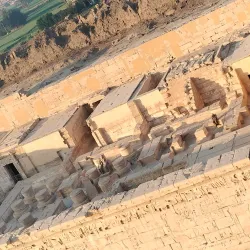
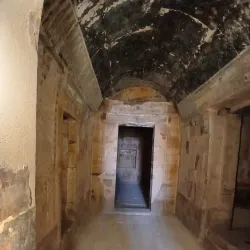
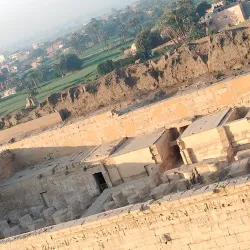

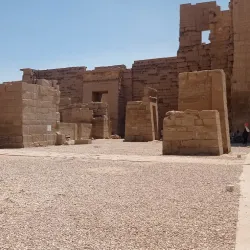
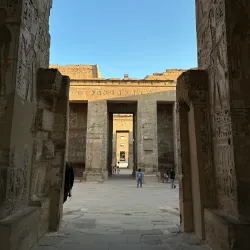

Medinet Habu is the mortuary temple of Ramesses III, located on the west bank of Luxor. It is one of the best-preserved temples in Egypt.
The temple complex features impressive reliefs depicting the king's military victories and religious rituals.
Ramesseum
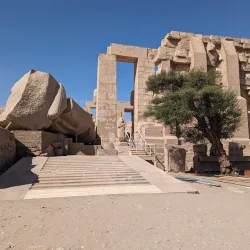
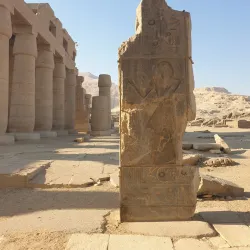

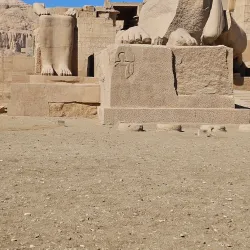
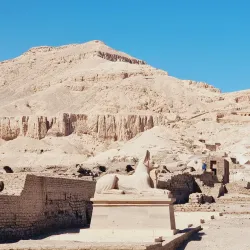

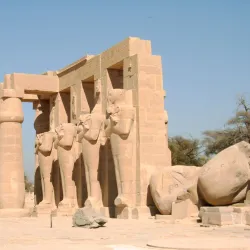


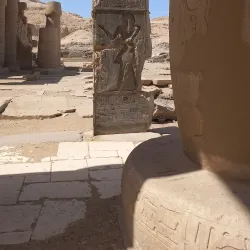
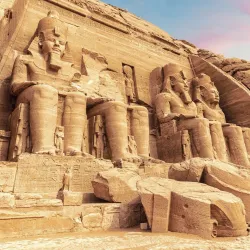
The Ramesseum is the mortuary temple of Pharaoh Ramesses II, located on the west bank of Luxor.
It is famous for its massive statues, including a fallen colossus of Ramesses II, and its detailed wall carvings.
Nile River Cruises
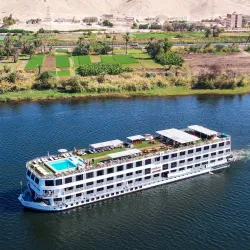
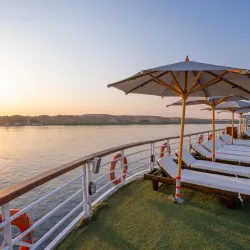
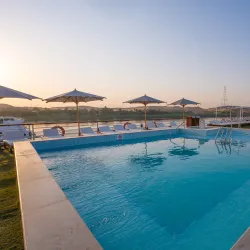
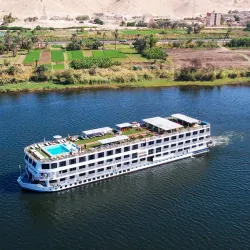
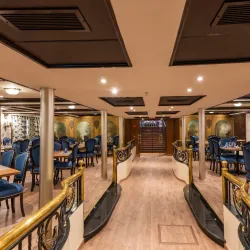
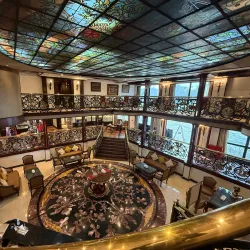
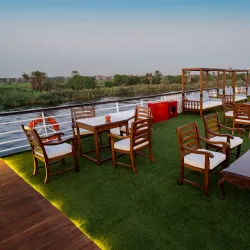

Cruising the Nile River offers a scenic and relaxing way to experience Luxor and its surroundings. Many cruises include stops at key archaeological sites and provide a unique perspective of the city.
These cruises range from short boat rides to multi-day trips between Luxor and Aswan, often featuring traditional feluccas or modern vessels.