Things to do in Malabo
Malabo, the capital city of Equatorial Guinea, is located on the northern coast of Bioko Island. It is known for its rich colonial history, vibrant culture, and lush tropical surroundings. The city offers a unique blend of Spanish colonial architecture, modern developments, and natural attractions.Visitors to Malabo can explore historical landmarks, enjoy local markets, and experience the diverse cultural heritage of the region. The city's neighborhoods reflect its colonial past and its role as a political and economic center.Malabo Cathedral (Catedral de Santa Isabel)


This iconic cathedral is one of Malabo's most prominent landmarks, featuring striking neo-Gothic architecture. It was built during the Spanish colonial period and remains a central place of worship and cultural significance in the city.
Visitors can admire its impressive façade, stained glass windows, and the peaceful atmosphere inside. The cathedral is located in the heart of Malabo, making it easily accessible for tourists.
Paseo Marítimo
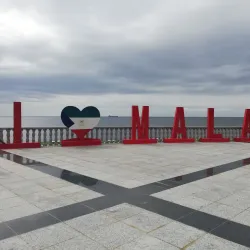
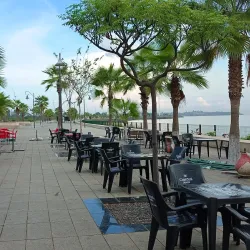
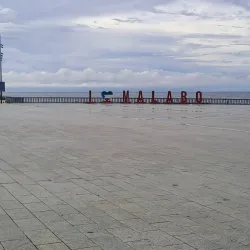
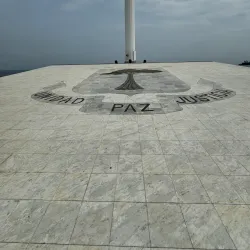
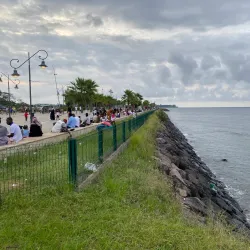
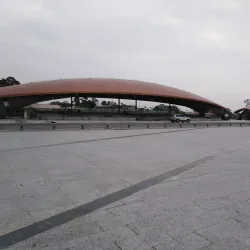
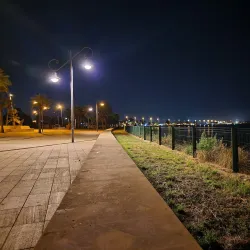
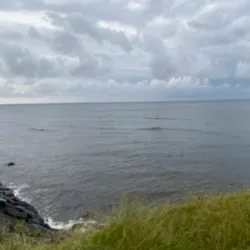
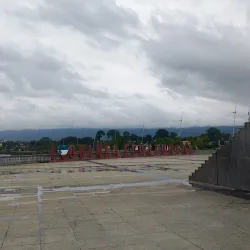
The Paseo Marítimo is a scenic waterfront promenade that offers beautiful views of the Atlantic Ocean and the city skyline. It is a popular spot for both locals and visitors to relax, take walks, and enjoy the sea breeze.
Along the promenade, there are cafes and benches where people can sit and soak in the atmosphere. It is an excellent place for photography and experiencing the coastal charm of Malabo.
Malabo National Museum


The Malabo National Museum showcases the cultural heritage and history of Equatorial Guinea. Exhibits include traditional artifacts, colonial-era items, and displays about the island's indigenous peoples.
The museum provides valuable insights into the country's past and present, making it a must-visit for those interested in learning more about Equatorial Guinea's diverse cultures.
Santa Isabel Market


This bustling market is a vibrant hub of local commerce where visitors can find fresh produce, crafts, textiles, and souvenirs. It offers an authentic experience of daily life in Malabo.
The market is lively and colorful, providing opportunities to interact with local vendors and sample traditional foods. It is a great place to purchase unique gifts and experience the local culture.
Pico Basile


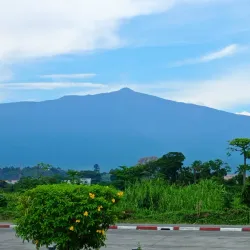
Pico Basile is the highest peak on Bioko Island, located near Malabo. It is part of the volcanic landscape that defines the island and offers hiking opportunities for adventurous visitors.
The area around Pico Basile is rich in biodiversity, with lush forests and unique wildlife. The hike to the summit provides stunning panoramic views of the island and the surrounding ocean.
Malabo Botanical Gardens
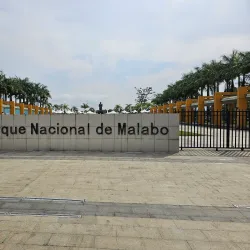
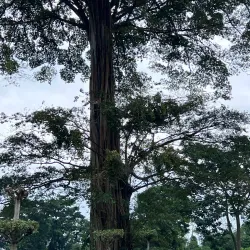
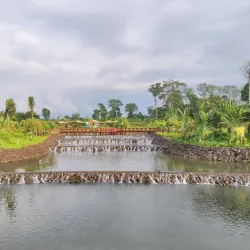
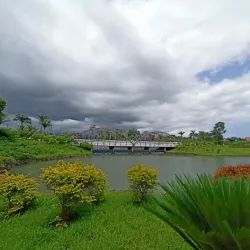
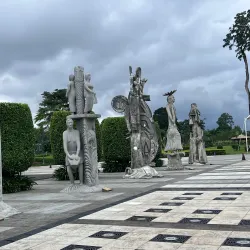
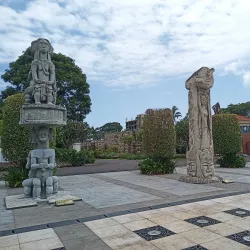
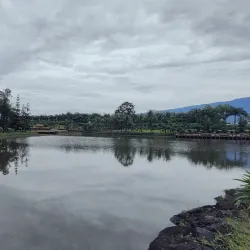
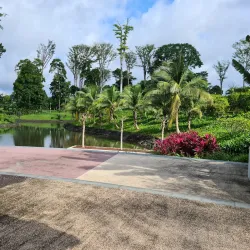
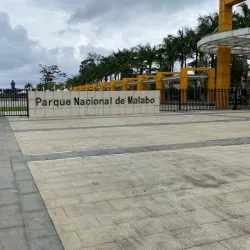
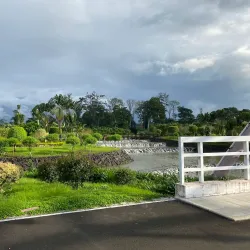
These gardens feature a variety of tropical plants and trees native to Bioko Island and other parts of Equatorial Guinea. It is a peaceful place for nature lovers to explore and learn about local flora.
The gardens are well-maintained and provide a green oasis within the city, ideal for leisurely walks and photography.
Plaza de la Independencia
This central square commemorates Equatorial Guinea's independence and is surrounded by important government buildings and monuments. It is a focal point for public events and celebrations.
Visitors can enjoy the open space, sculptures, and the vibrant atmosphere that reflects the city's pride and history.
Malabo Lighthouse


The Malabo Lighthouse is a historic maritime landmark that guides ships along the coast. It offers picturesque views of the ocean and the city from its vicinity.
Though access inside may be limited, the lighthouse area is a popular spot for sightseeing and photography.
Bioko Island Marine Reserve


Located near Malabo, this marine reserve protects diverse marine life and coral reefs. It is ideal for snorkeling, diving, and eco-tourism activities.
Visitors can explore the underwater world and enjoy the natural beauty of the coastal waters surrounding Bioko Island.
Malabo Cultural Center


The Malabo Cultural Center hosts exhibitions, performances, and workshops that celebrate the arts and traditions of Equatorial Guinea. It is a vibrant venue for cultural exchange and education.
Visitors can experience traditional music, dance, and crafts, gaining deeper insight into the local heritage.