Things to do in Gambela
Gambela is a region in western Ethiopia known for its rich natural landscapes, diverse wildlife, and cultural heritage. It is home to the Gambela National Park, one of the country's premier wildlife reserves, offering visitors a chance to experience Ethiopia's unique flora and fauna.The region is characterized by its lush riverine forests, wetlands, and savannahs, making it a haven for bird watchers, nature enthusiasts, and those interested in exploring Ethiopia's less-traveled areas.Gambela National Park
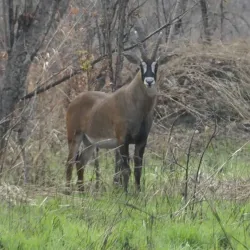
Gambela National Park is the most prominent attraction in the region, known for its diverse wildlife including elephants, lions, leopards, and numerous bird species. The park's landscape features riverine forests and wetlands, providing a unique ecosystem in Ethiopia.
Visitors can enjoy guided safaris and bird watching tours, making it a prime destination for wildlife enthusiasts and photographers.
Baro River
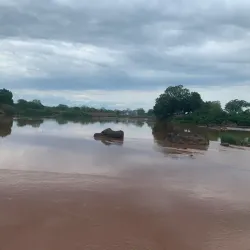
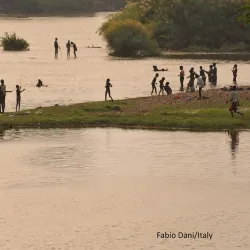
The Baro River is a significant waterway in Gambela, offering scenic views and opportunities for boat trips and fishing. It plays a vital role in the local ecosystem and supports the livelihoods of communities along its banks.
The river's surroundings are rich in biodiversity, making it a peaceful spot for nature lovers and those interested in riverine environments.
Itang Town
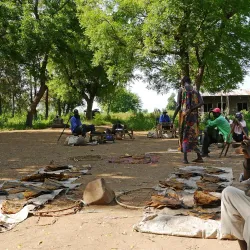
Itang is a key town in the Gambela region, serving as a gateway to the national park and surrounding natural attractions. It offers cultural experiences and insights into the local Anuak community.
Visitors can explore local markets and interact with residents to learn about traditional lifestyles and crafts.
Nuer Cultural Villages
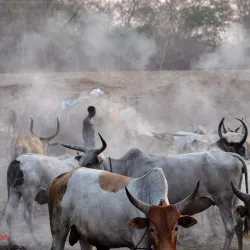
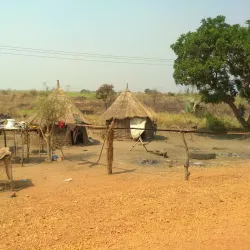
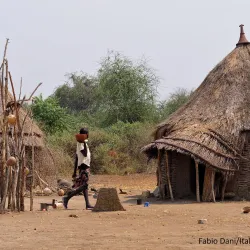
The Nuer people are one of the indigenous groups in Gambela, known for their unique cultural practices and traditional ways of life. Visiting Nuer villages provides an opportunity to experience their customs, ceremonies, and crafts.
Cultural tours often include storytelling, traditional dances, and explanations of the community's relationship with the land and water.
Anuak Cultural Experiences
The Anuak community, another indigenous group in Gambela, offers rich cultural experiences through their music, dance, and traditional ceremonies. Visitors can learn about their history, social structures, and connection to the environment.
These experiences provide a deeper understanding of the cultural diversity and heritage of the Gambela region.
Gambela Market
The Gambela Market is a vibrant place where locals trade goods, crafts, and food. It is an excellent spot for visitors to observe daily life, purchase handmade items, and taste local cuisine.
The market reflects the cultural diversity of the region and offers a lively atmosphere for cultural exchange.
Wetlands and Bird Watching Sites
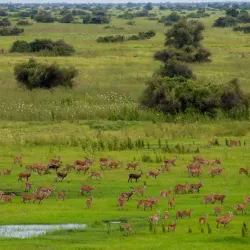
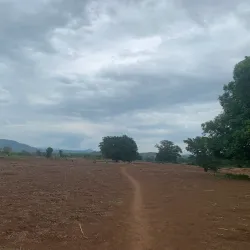
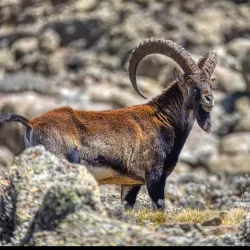
Gambela's wetlands are crucial habitats for many bird species, making the region a top destination for bird watchers. The wetlands support migratory and resident birds, including some rare and endangered species.
Guided bird watching tours are available, providing opportunities to see species such as the African fish eagle, herons, and kingfishers in their natural environment.
Baro River National Park
Baro River National Park is part of the larger Gambela ecosystem and offers additional opportunities for wildlife viewing and nature exploration. The park features diverse habitats including forests, rivers, and grasslands.
It is less frequented by tourists, providing a more secluded experience for those interested in off-the-beaten-path adventures.
Local Handicraft Centers
Various local centers in Gambela showcase traditional crafts made by the indigenous communities, including weaving, pottery, and beadwork. These centers support local artisans and preserve cultural heritage.
Visitors can purchase authentic handmade souvenirs and learn about the techniques and cultural significance behind the crafts.
Riverine Forest Walks
The riverine forests along the Baro and other rivers in Gambela offer serene walking trails where visitors can experience the region's biodiversity up close. These walks provide opportunities to see unique plant species and wildlife.
Guided nature walks often include explanations of the ecological importance of the forests and their role in sustaining local communities.