Things to do in Sumba
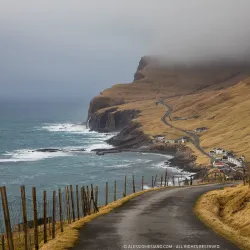
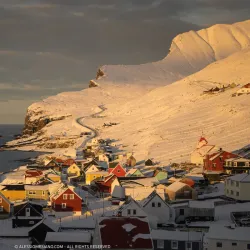
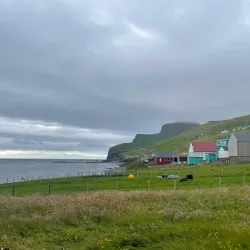
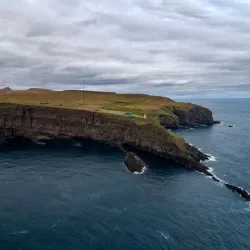
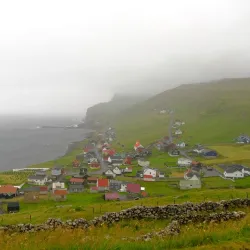
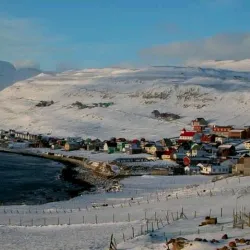
Sumba is a picturesque village located on the southern tip of Suðuroy, the southernmost island of the Faroe Islands. Known for its dramatic cliffs, rugged coastline, and traditional Faroese culture, Sumba offers visitors a unique glimpse into island life far from the hustle and bustle of larger towns.The village is surrounded by stunning natural landscapes, including towering sea cliffs, green pastures, and panoramic ocean views. It is a perfect destination for those interested in hiking, birdwatching, and experiencing authentic Faroese traditions.Beinisvørð Cliffs
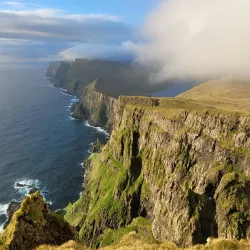
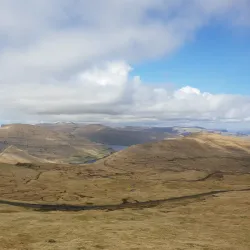
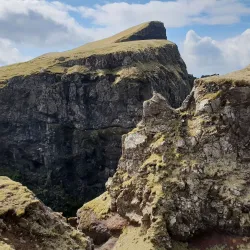
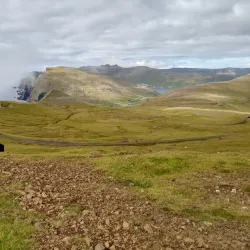
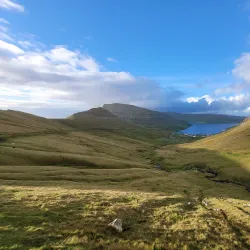
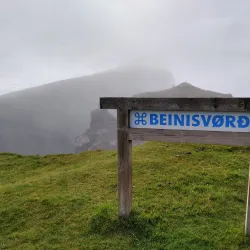
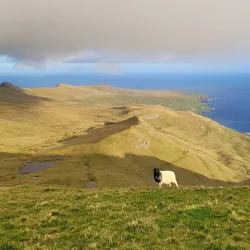
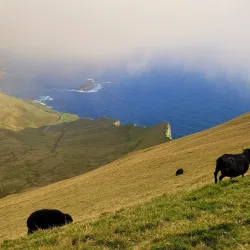
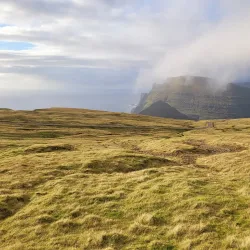
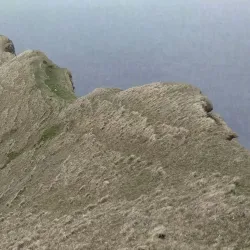
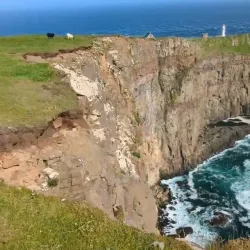
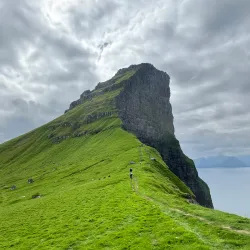
Beinisvørð is one of the most iconic natural landmarks near Sumba, featuring towering sea cliffs that rise dramatically above the North Atlantic Ocean. These cliffs are among the highest in the Faroe Islands and provide spectacular views and excellent birdwatching opportunities.
The cliffs are a popular spot for hiking and photography, offering visitors a chance to experience the raw beauty of the Faroese coastline.
Sumba Church
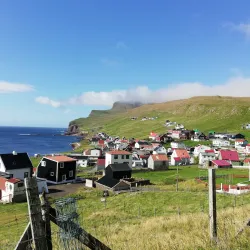
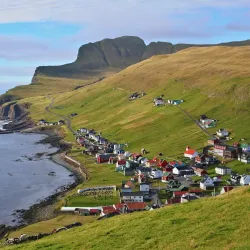
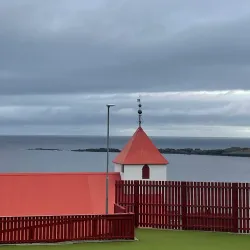
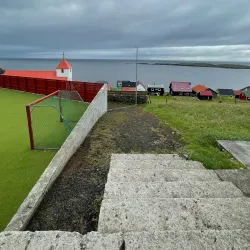
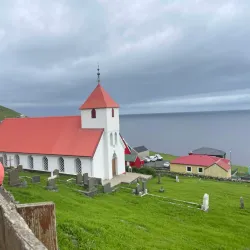
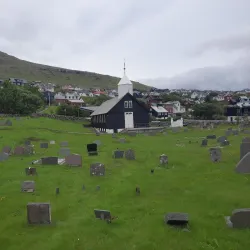
Sumba Church is a quaint and historic church located in the village, representing the religious and cultural traditions of the Faroese people. The church is known for its simple yet charming architecture and its role as a community gathering place.
Visitors can learn about the local history and enjoy the peaceful atmosphere surrounding the church.
Sumba Village
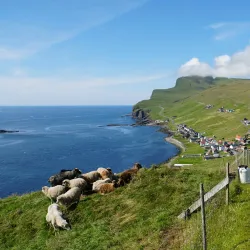
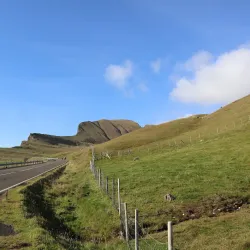
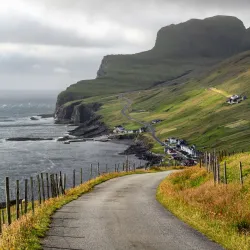
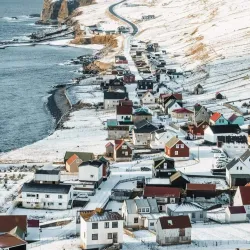
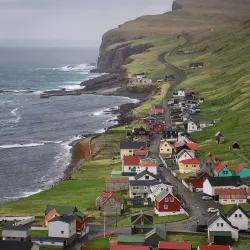
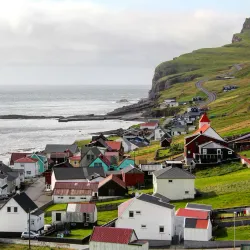
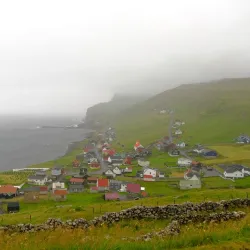
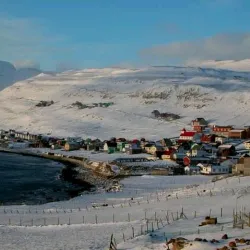
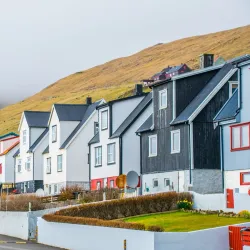
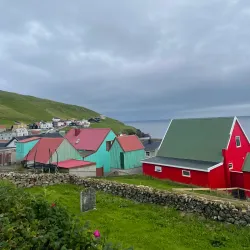
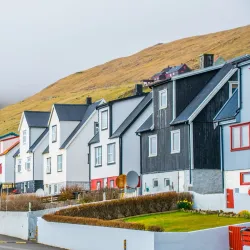
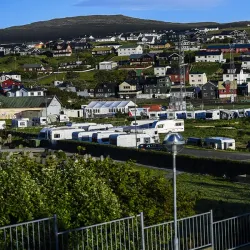
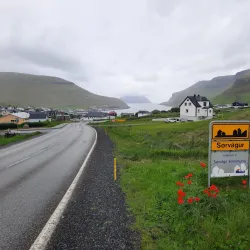
The village of Sumba itself is a key attraction, offering a glimpse into traditional Faroese life. With its turf-roofed houses and small population, Sumba provides an authentic experience of island living.
Walking through the village, visitors can appreciate the serene environment and the strong sense of community among residents.
Hiking Trails Around Sumba
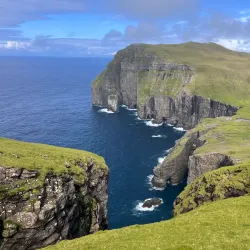
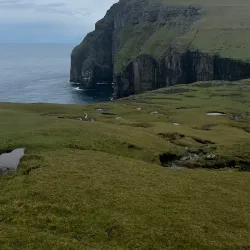
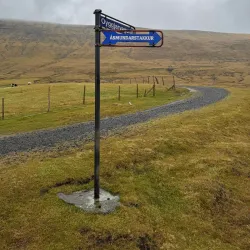
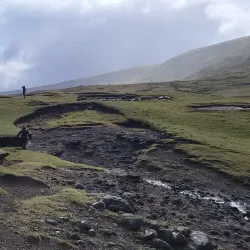
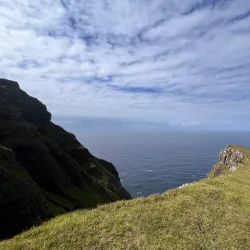
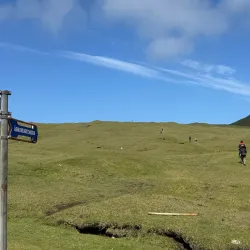
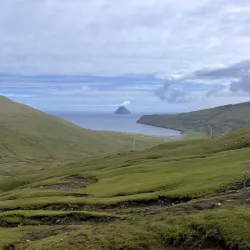
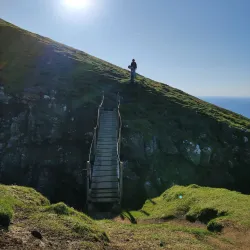
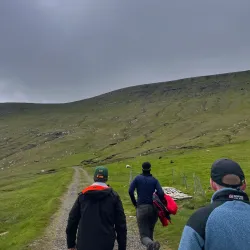
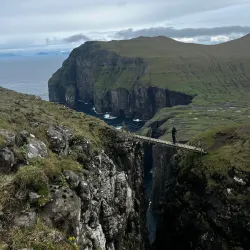
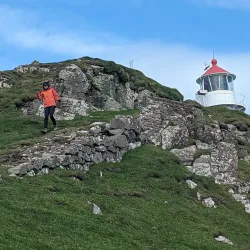
The area surrounding Sumba is crisscrossed with hiking trails that showcase the island's natural beauty. These trails vary in difficulty and length, allowing visitors to explore cliffs, valleys, and coastal areas.
Hiking here offers opportunities to see native flora and fauna, as well as panoramic views of the ocean and neighboring islands.
Sumba Museum
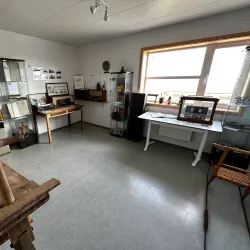
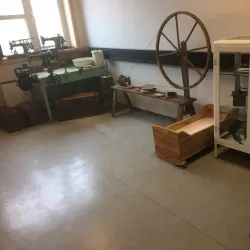
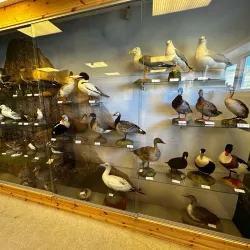
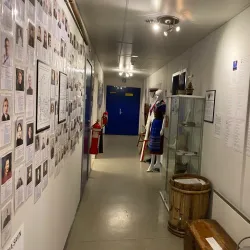
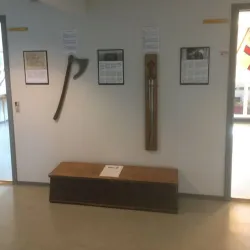
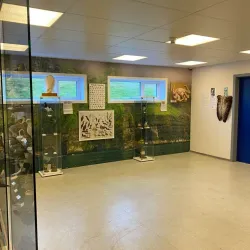
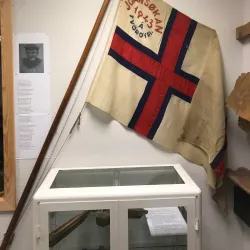
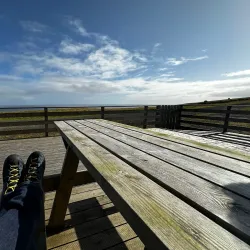
The Sumba Museum provides insights into the history, culture, and daily life of the people of Sumba and the Faroe Islands. Exhibits include traditional clothing, tools, and artifacts that tell the story of the island's heritage.
The museum is a valuable stop for those interested in understanding the Faroese way of life and the challenges of living in a remote island community.
Sumba Harbor
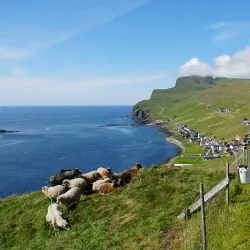
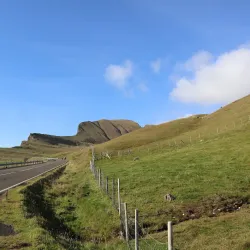
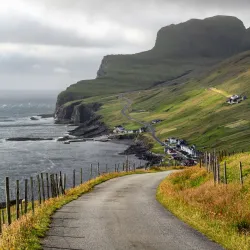
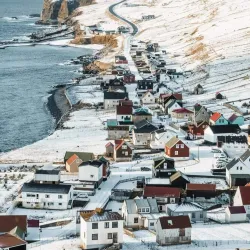
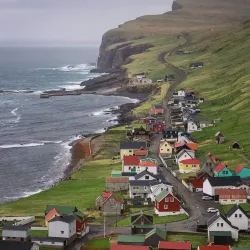
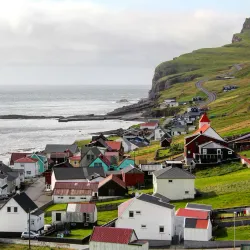
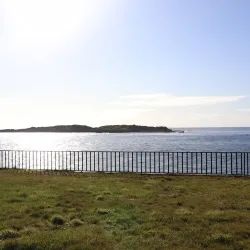
Sumba Harbor is a small but picturesque harbor that serves as a gateway to the sea for local fishermen and visitors. The harbor area is ideal for leisurely walks and offers views of fishing boats and the rugged coastline.
It is a peaceful spot to observe daily life and enjoy the maritime atmosphere of the Faroe Islands.
Local Faroese Cuisine Experiences
Visitors to Sumba can enjoy traditional Faroese cuisine at local eateries, featuring fresh seafood, lamb, and other island specialties. Sampling local dishes provides a deeper connection to the culture and lifestyle of the Faroe Islands.
Dining in Sumba offers a cozy and authentic experience, often accompanied by stunning views of the surrounding landscape.
Birdwatching Spots
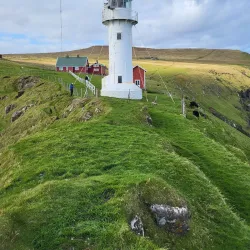
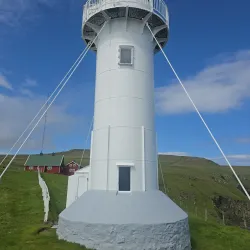
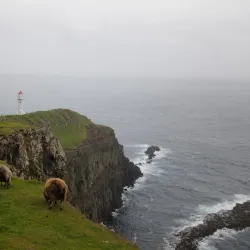
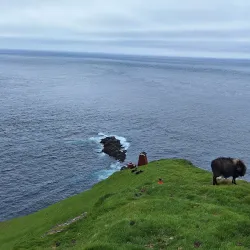
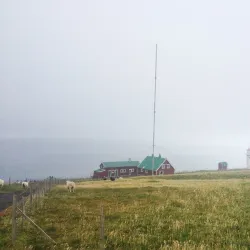
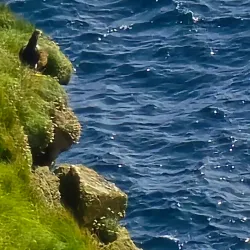
Sumba and its surrounding cliffs are excellent locations for birdwatching, with opportunities to see puffins, guillemots, and other seabirds that nest in the area.
Birdwatchers can enjoy observing these species in their natural habitat, especially during the breeding season when the cliffs are alive with activity.
Sumba Coastal Walks
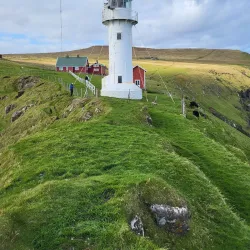
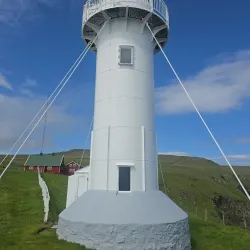
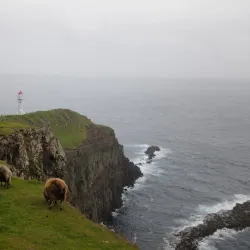
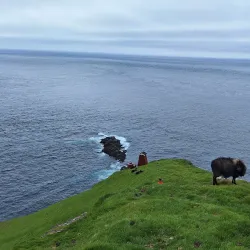
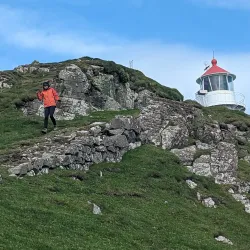
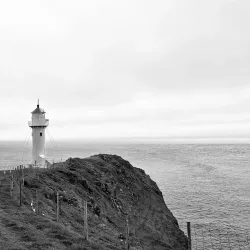
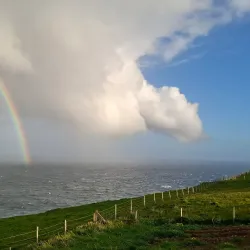
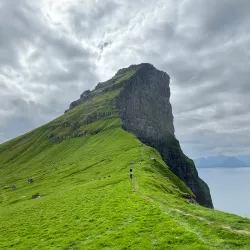
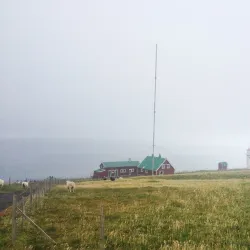
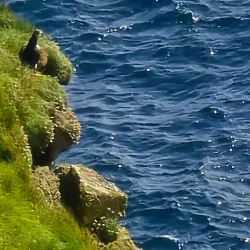
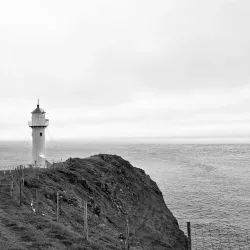
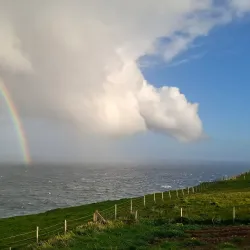
The coastal walks around Sumba provide stunning views of the North Atlantic Ocean and the dramatic Faroese coastline. These walks are accessible to most visitors and offer a peaceful way to experience the natural environment.
Along the way, visitors can spot marine life, wildflowers, and enjoy the fresh sea air.
Traditional Faroese Festivals

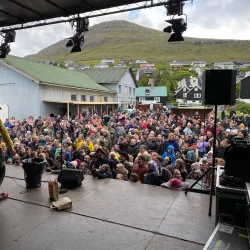
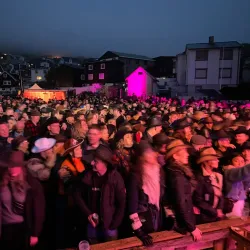
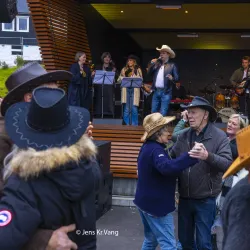
Sumba hosts traditional Faroese festivals and cultural events throughout the year, celebrating music, dance, and local customs. These festivals offer visitors a chance to experience the vibrant cultural life of the island community.
Participating in or observing these events provides insight into the Faroese heritage and communal spirit.