Crime and Pollution in Bordeaux
The following data and statistics on crime, pollution, and overall safety in Bordeaux are derived from a combination of trusted public sources and insights gathered from over 160 user contributions.This comprehensive approach helps provide a balanced view of the city's crime rates, environmental concerns, air quality, and public safety. By aggregating information from government reports, environmental studies, and direct feedback from residents, we aim offer an up-to-date and thorough analysis of key factors impacting quality of life in Bordeaux.Crime Data in Bordeaux
Crime Perception and Concerns
In 2024, Bordeaux experiences a moderate crime level, with residents displaying a varied range of concerns primarily centered around property crimes and drug-related activities. Despite these issues, significant segments of the population feel confidently safe, particularly during daylight.
Concerns about safety increase at night, which is common in urban environments, highlighting opportunities for further safety enhancements.
Some notable concerns include:
- Property CrimesProperty crimes, though present, do not dominate the public's fears. Concerns about theft and break-ins maintain public vigilance, necessitating continuous community and police cooperation to mitigate such occurrences.
- Drug-Related IssuesPublic opinion in Bordeaux reveals noticeable apprehension concerning drug-related problems. While not overwhelmingly high, the impact of these concerns is palpable within certain community sectors.
- Violent CrimesResidents show relatively low worry about violent crimes, with public sentiment indicating confidence in the city's control over such situations. However, there is an ongoing need to monitor and address these concerns appropriately.
- Public SafetySafety perceptions in Bordeaux are predominantly positive, especially during the day when activity is high. Confidence declines with the approach of night, suggesting a focus area for local authorities to enhance nighttime security measures.
Crime Trends and Safety
- Rising Crime ConcernsAn increasing observation among residents is the perception that crime might be on the upswing, driven largely by expectations or experiences in certain areas of the city. This perception underlines the importance of effective crime prevention and communication strategies.
- Specific FearsConcerns specific to racial, ethnic, or religious victimization are notably low, reflecting the city's commitment to social harmony. However, property and drug-related fears remain focal points requiring attention to maintain community trust.
Crime Rankings
Bordeaux ranks 8th on the Crime rankings in France.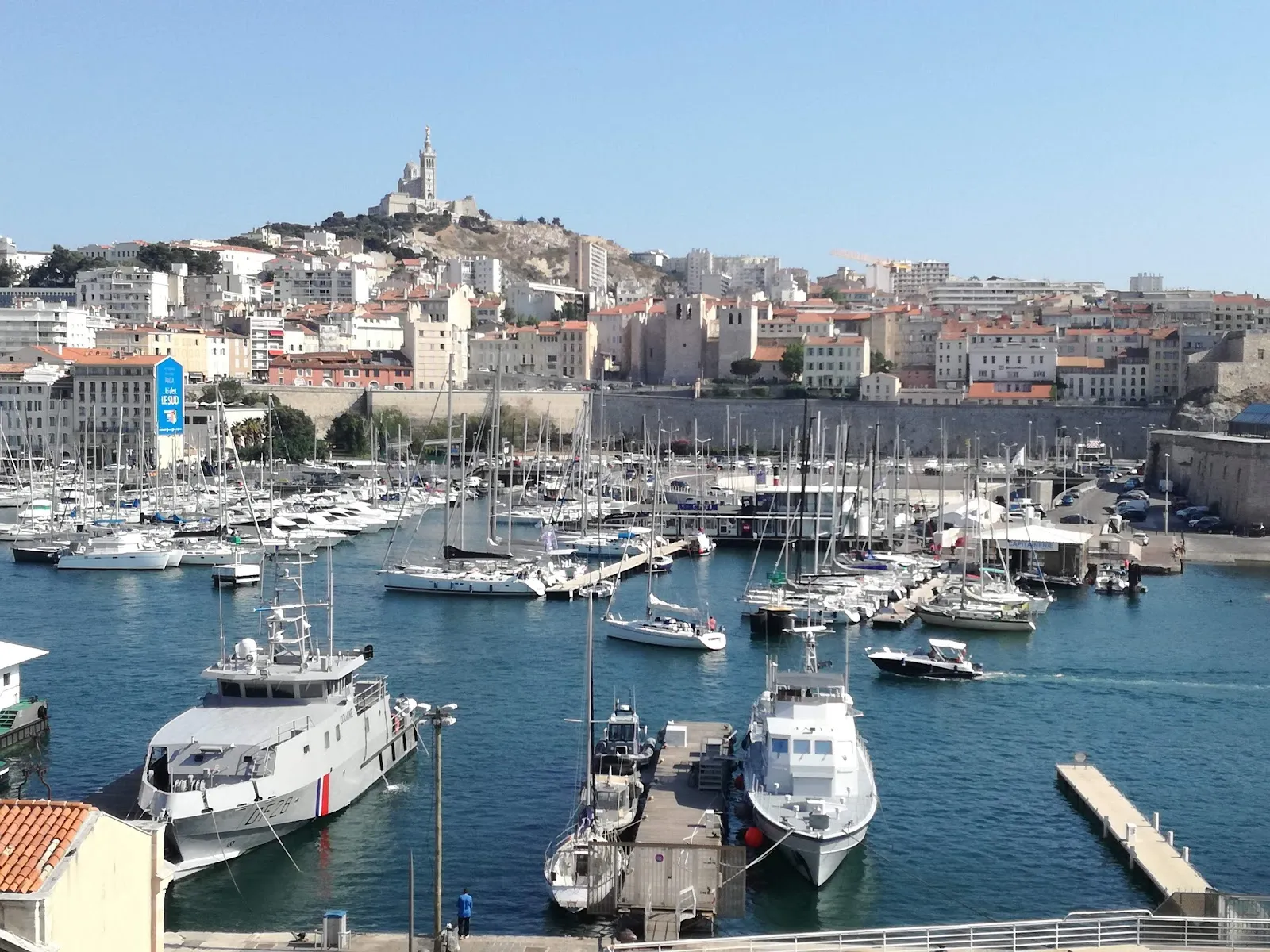



Pollution Data in Bordeaux
Air Quality and Pollution Levels
Bordeaux demonstrates commendable progress in managing its air quality in 2024, with pollution levels reflecting effective environmental policies and community awareness.
The city's air quality rates well, supported by public perception and evidences of managed particulate matter levels. Residents continue to advocate for vigilance around pollution to safeguard health and environmental quality.
- PM2.5 (Fine Particulate Matter)PM2.5 levels in Bordeaux stay within moderate boundaries, though attention remains crucial for protecting vulnerable demographics from potential health impacts associated with air pollution.
- PM10 (Coarse Particulate Matter)PM10 concentrations reflect similar trends to PM2.5, maintaining a level that encourages continuous monitoring. Seasonal variations or unexpected urban changes are factors to watch.
Waste and Noise Pollution
Bordeaux holds a generally positive regard for waste and noise pollution management, manifesting in improved waste disposal systems and lower noise disturbances, particularly when compared to other bustling urban centers.
The city's commitment to maintaining cleanliness and quiet urban environments resonates well among residents, marking progress in urban livability standards.
- Garbage Disposal SatisfactionResidents largely approve of the city's garbage disposal systems, reflecting effective municipal services. However, ongoing enhancements remain beneficial to address isolated concerns and ensure uniform cleanliness.
- Noise and Light PollutionInstances of noise and light pollution in Bordeaux remain relatively low, contributing positively to the city's quality of life. Continued regulation and urban planning adjustments are essential to preserving this benefit.
Green Spaces and Water Quality
Bordeaux's green spaces are among the city's valued attributes, offering residents and visitors ample opportunities for relaxation and recreation, enhancing both mental and physical well-being.
Drinking water quality is another area where Bordeaux excels, consistently rated highly by inhabitants for cleanliness and accessibility, strengthening residents' quality of life.
- Green and Parks QualityBordeaux's parks and green spaces are highly esteemed, regarded as key contributors to urban biodiversity and environmental health, making them indispensable parts of the community fabric.
- Drinking Water QualityThe consistently high quality of drinking water reflects sophisticated management and filtration systems in place, providing residents with a reliable and refreshing daily necessity.