Things to do in Caen
Caen is a vibrant city in the Normandy region of France, known for its rich history, especially related to the medieval period and World War II. The city offers a blend of historical sites, museums, and beautiful parks, making it a fascinating destination for history buffs and culture enthusiasts alike.The city center features a mix of medieval architecture and modern amenities, with neighborhoods that reflect its historical significance and contemporary life. Visitors can explore castles, abbeys, and museums that tell the story of Caen's past and its role in European history.Château de Caen
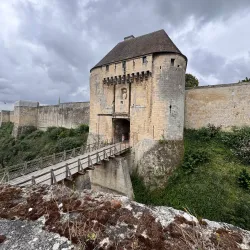
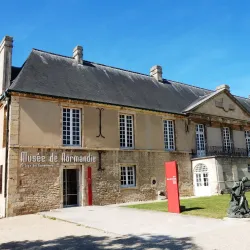
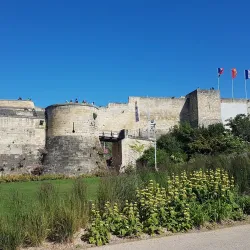
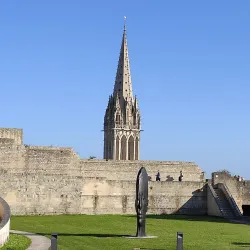
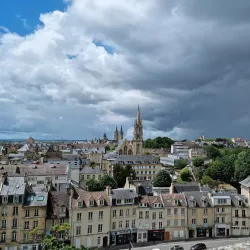
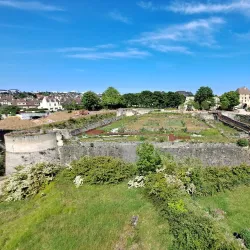
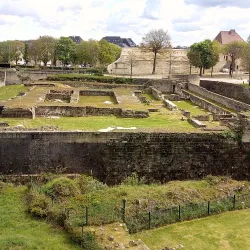
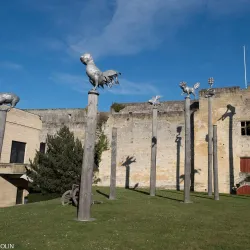
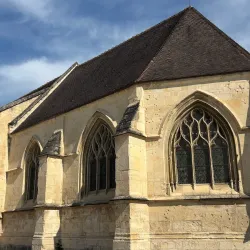
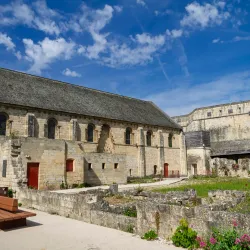
The Château de Caen is one of the largest medieval fortresses in Western Europe, built by William the Conqueror in the 11th century. It dominates the city skyline and houses the Museum of Normandy and the Museum of Fine Arts, offering visitors a deep dive into the region's history and art.
The castle's massive walls and towers provide panoramic views of Caen and its surroundings, making it a must-visit for history enthusiasts and photographers alike.
Abbaye aux Hommes (Men's Abbey)
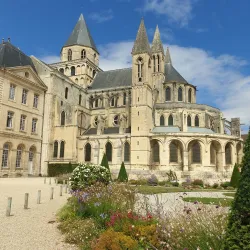
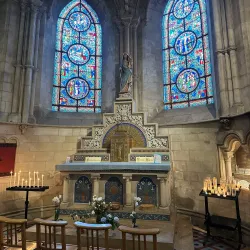
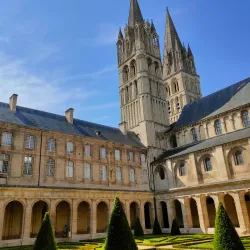
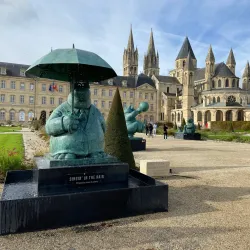
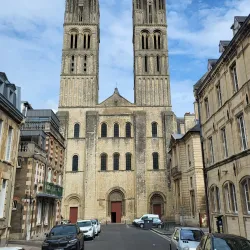
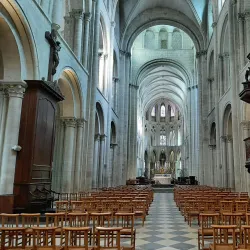
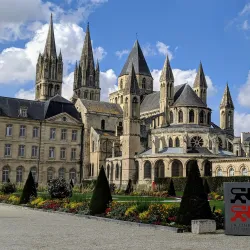
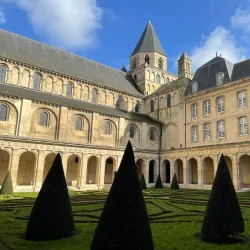
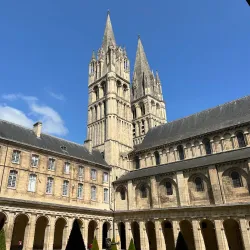
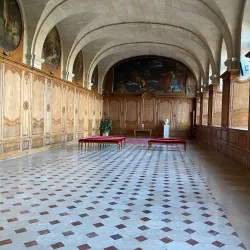
Founded by William the Conqueror in 1063, the Abbaye aux Hommes is a stunning example of Romanesque architecture. It serves as a symbol of Caen's medieval heritage and is also the burial site of William the Conqueror.
The abbey's church, Saint-Étienne, features impressive stonework and a peaceful cloister, attracting visitors interested in religious history and architecture.
Abbaye aux Dames (Women's Abbey)
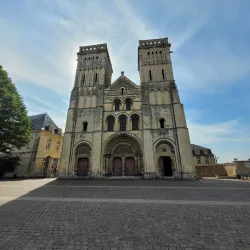
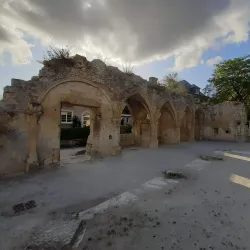
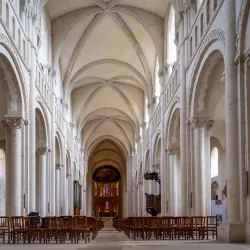
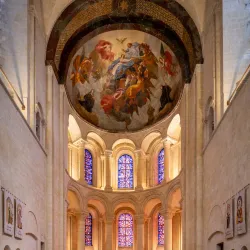
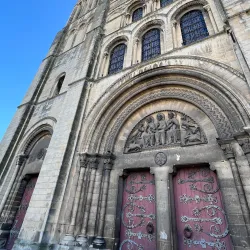
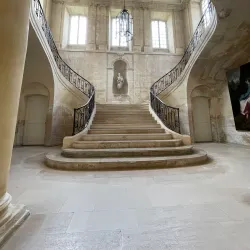
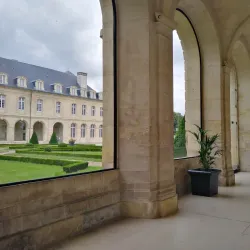
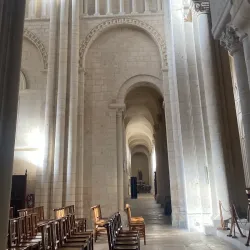
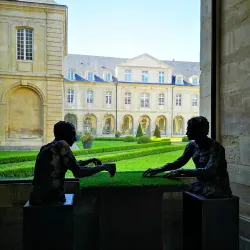
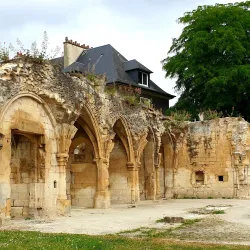
The Abbaye aux Dames, founded by William's wife Matilda, is another architectural gem in Caen. It is known for its beautiful Romanesque church, Sainte-Trinité, and its historical significance as a center of religious life in medieval Normandy.
Today, the abbey hosts cultural events and concerts, adding to its appeal as a cultural landmark.
Memorial Museum of the Battle of Normandy
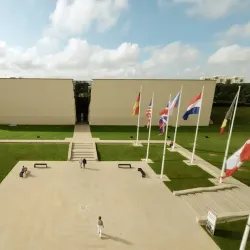

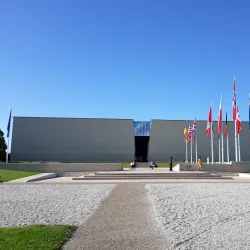
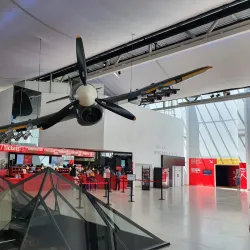
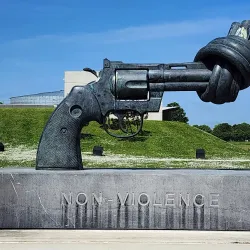
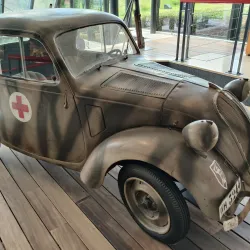



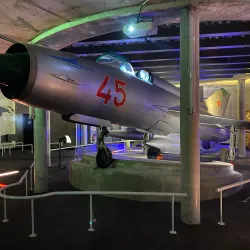
This museum is dedicated to the history of the Battle of Normandy during World War II. It provides a comprehensive and moving account of the events leading up to and following the D-Day landings.
Exhibits include military artifacts, personal stories, and multimedia presentations, making it an essential visit for those interested in 20th-century history.
Caen Memorial (Mémorial de Caen)
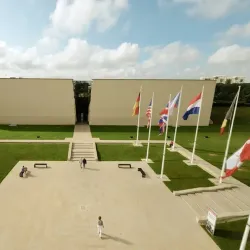

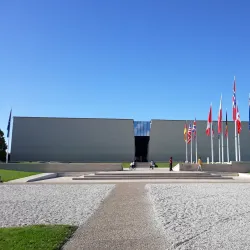
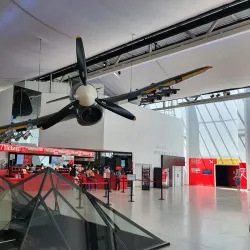
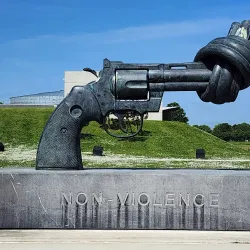
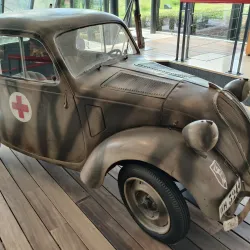



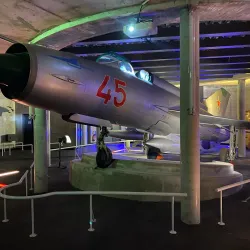
The Caen Memorial is a museum and war memorial that focuses on the history of the 20th century, particularly World War II and the Cold War. It offers detailed exhibits on the causes and consequences of the war, as well as peace and reconciliation.
The museum is known for its engaging displays and educational programs, attracting visitors of all ages.
Église Saint-Pierre
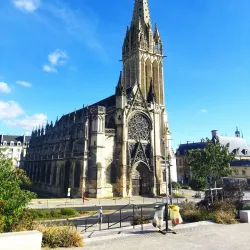
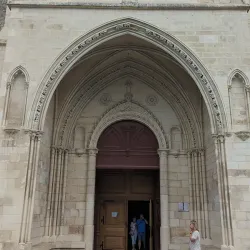
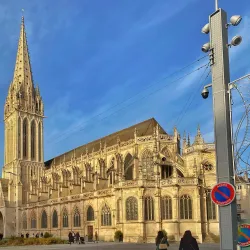
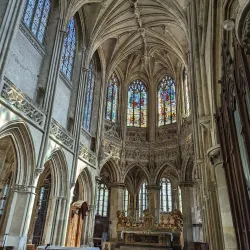
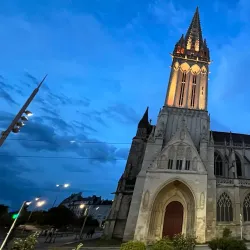
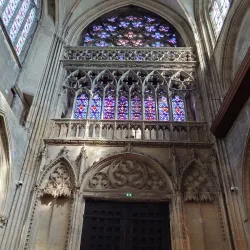
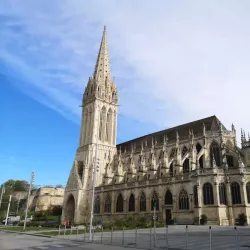
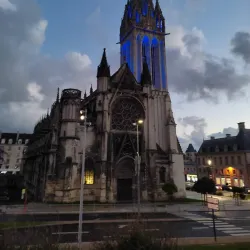
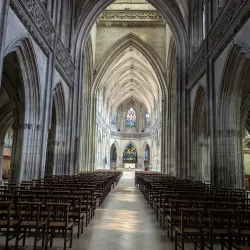
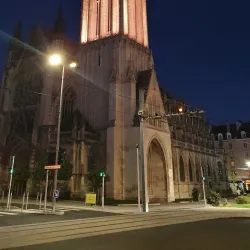
This church is one of the oldest in Caen, with origins dating back to the 12th century. It features Gothic and Renaissance architectural elements and is located in the heart of the city.
Église Saint-Pierre is notable for its beautiful stained glass windows and its role in the religious history of Caen.
Jardin des Plantes de Caen
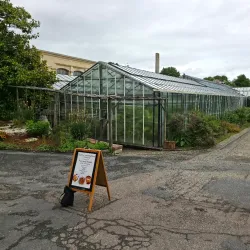
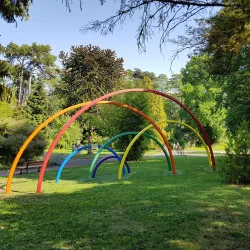
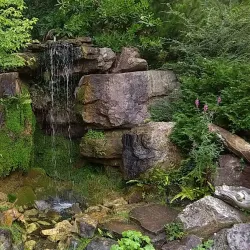
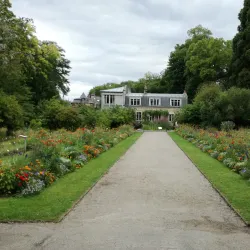
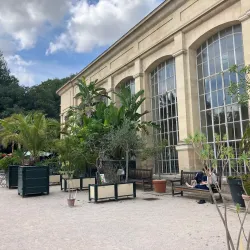
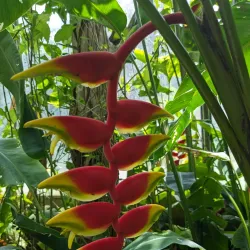
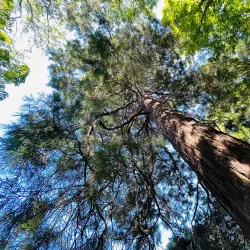
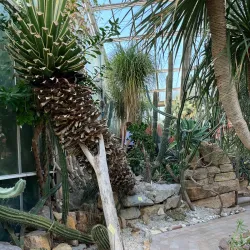
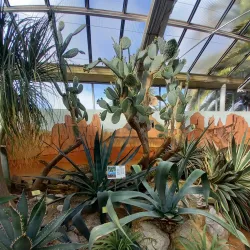
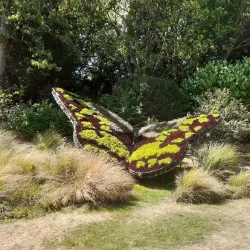
The Jardin des Plantes is a botanical garden in Caen, offering a peaceful retreat with a wide variety of plants and flowers. It is a popular spot for both locals and tourists to relax and enjoy nature.
The garden also features greenhouses and themed plant collections, making it an educational destination for plant enthusiasts.
Musée des Beaux-Arts de Caen
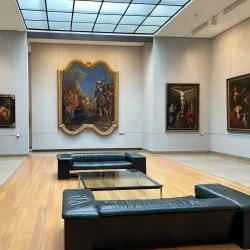
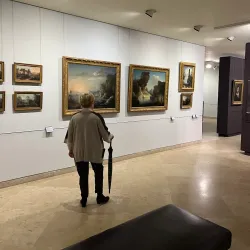
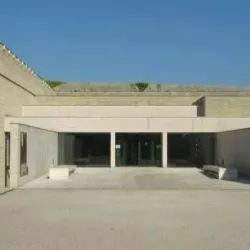
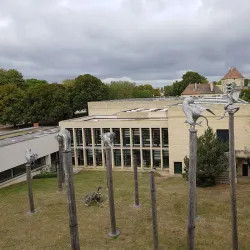
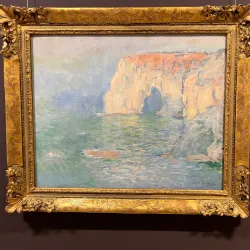
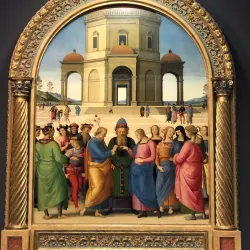
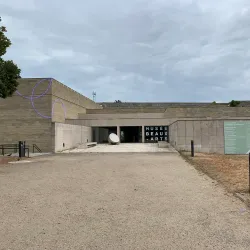
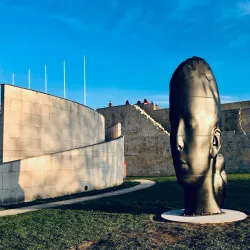
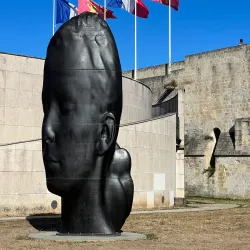
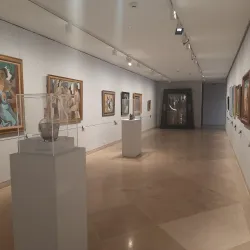
Located within the Château de Caen, the Museum of Fine Arts houses an impressive collection of paintings, sculptures, and decorative arts from the Renaissance to modern times.
The museum's collection includes works by notable artists such as Caravaggio, Rubens, and Delacroix, providing a rich cultural experience.
Port of Caen



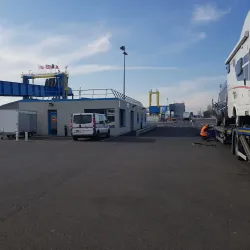
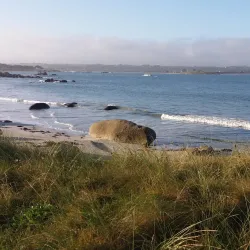



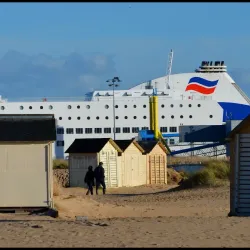

The Port of Caen is an important commercial and recreational harbor. Visitors can enjoy waterfront walks, boat tours, and dining at nearby restaurants offering local cuisine.
The port area is lively and offers a glimpse into the maritime heritage of the city.
Le Cargö


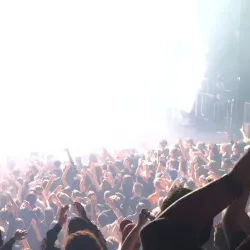

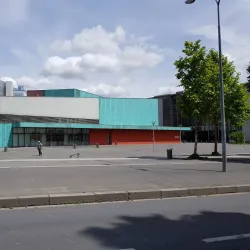
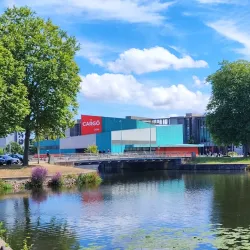

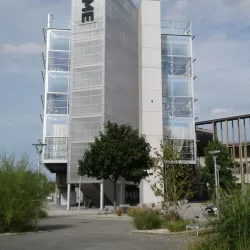
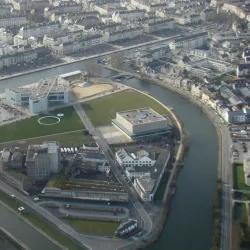
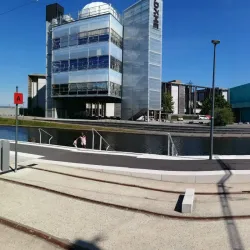
Le Cargö is a popular music venue and cultural center in Caen, hosting concerts, festivals, and various cultural events throughout the year.
It is a hub for contemporary music and arts, attracting both local and international artists.