Things to do in Fontainebleau
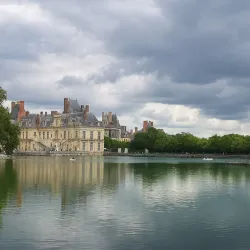
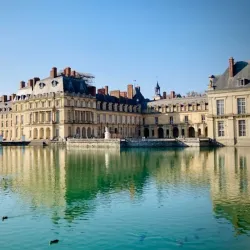
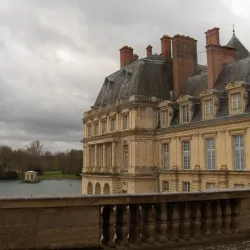
Fontainebleau is a charming town located about 55 kilometers southeast of Paris, France. It is renowned for its rich history, stunning architecture, and beautiful natural surroundings. The town is best known for the Château de Fontainebleau, a magnificent royal palace that has been home to French monarchs from the 12th century through Napoleon III.Fontainebleau also offers visitors a blend of cultural heritage and outdoor activities, with its extensive forest, quaint town center, and various museums. The town's proximity to Paris makes it a popular day-trip destination for those interested in history, art, and nature.Château de Fontainebleau
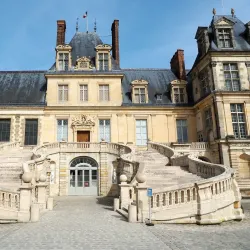
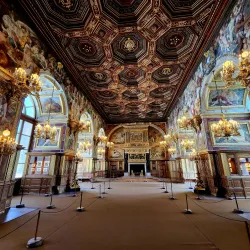
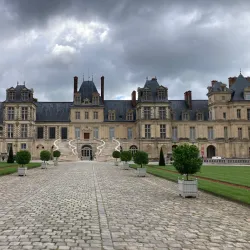
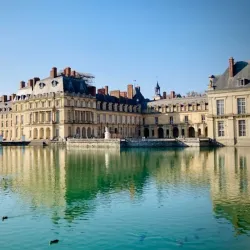
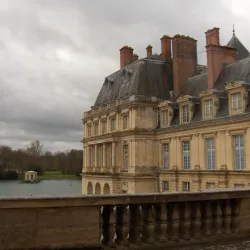
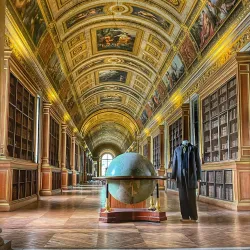
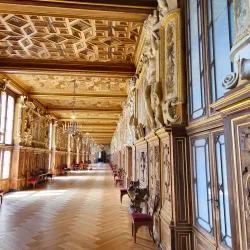
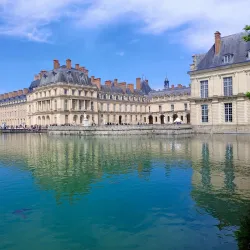
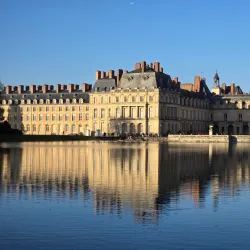
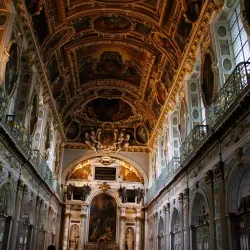
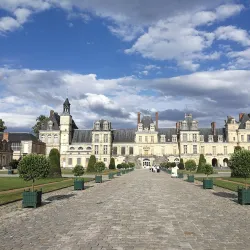
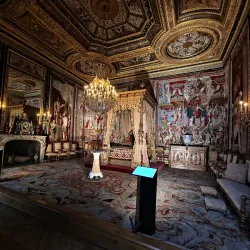
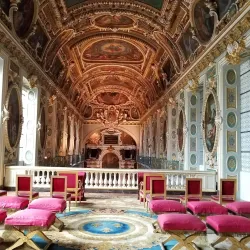
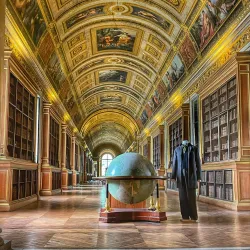
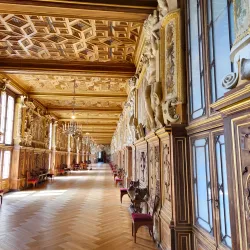
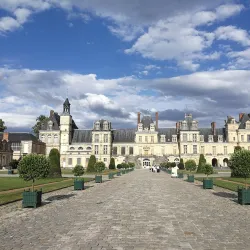
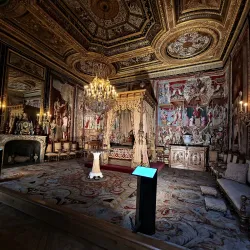
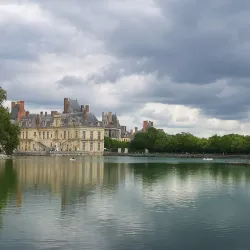
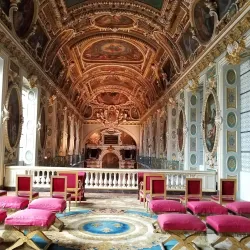
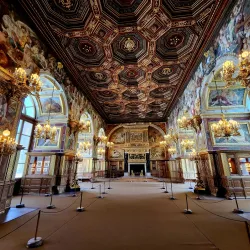
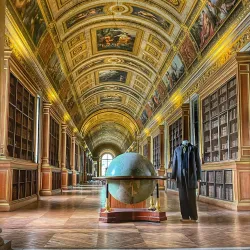
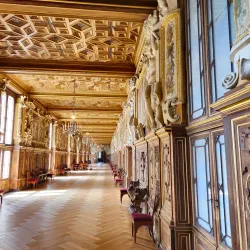
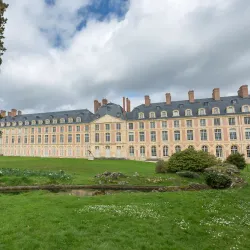
The Château de Fontainebleau is a UNESCO World Heritage site and one of the largest French royal châteaux. It served as a residence for French monarchs from Louis VII to Napoleon III. The palace is famous for its Renaissance and classical architecture, lavish interiors, and extensive art collections.
Visitors can explore the grand apartments, the Napoleon Museum, the royal chapel, and the beautifully maintained gardens and parklands surrounding the château.
Fontainebleau Forest (Forêt de Fontainebleau)
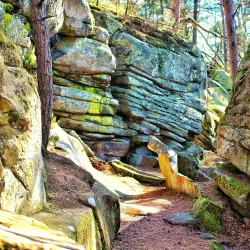
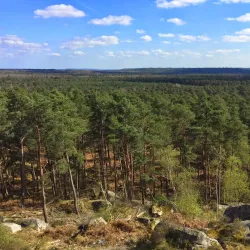
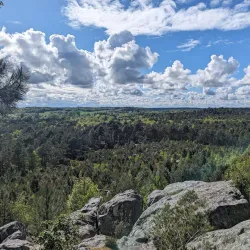
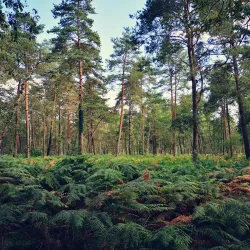
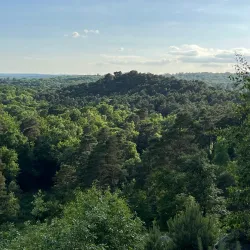
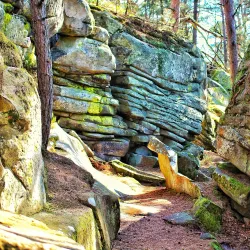
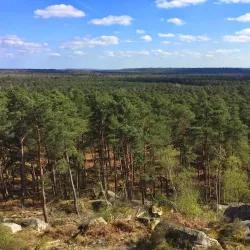
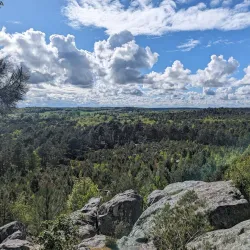
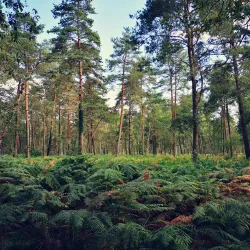
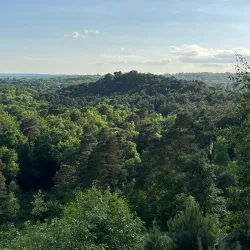
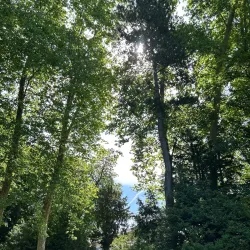
This vast forest covers approximately 25,000 hectares and is a popular destination for outdoor enthusiasts. It offers numerous trails for hiking, mountain biking, and horseback riding, as well as famous bouldering spots for rock climbers.
The forest's diverse flora and fauna, along with its scenic beauty, make it a perfect escape into nature just outside the town.
Musée Napoléonien

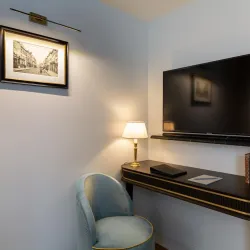
Located within the Château de Fontainebleau, the Napoleonic Museum showcases artifacts, paintings, and memorabilia related to Napoleon Bonaparte and his reign.
The museum provides insight into the life and times of Napoleon, including his military campaigns and personal life, making it a must-visit for history buffs.
The Gardens of the Château de Fontainebleau
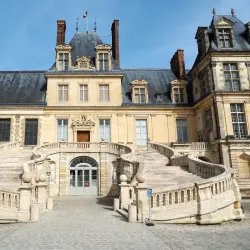
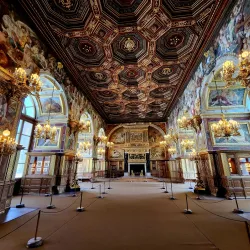
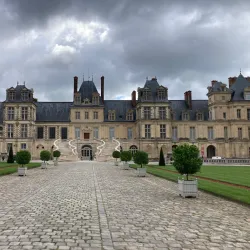
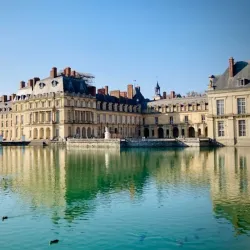
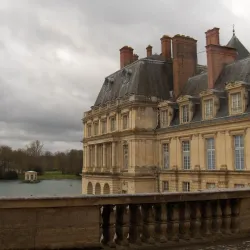
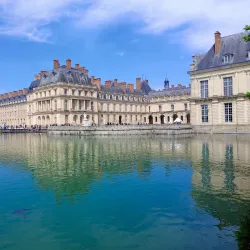
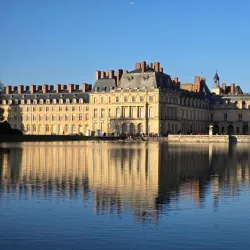
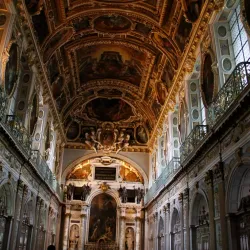
The gardens surrounding the château are a blend of French formal gardens and English landscape gardens. They feature beautifully manicured lawns, fountains, statues, and tree-lined paths.
These gardens offer a peaceful setting for a leisurely stroll and provide stunning views of the château's architecture.
Église Saint-Louis de Fontainebleau
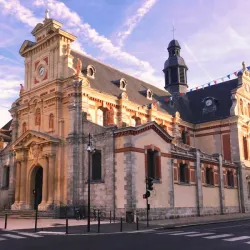
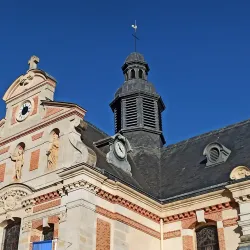
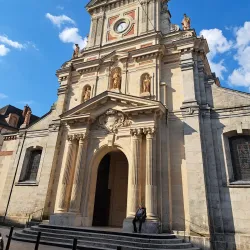
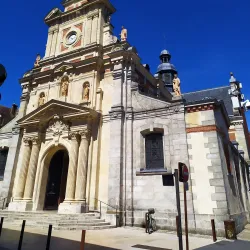
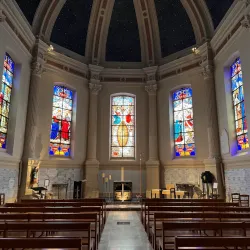
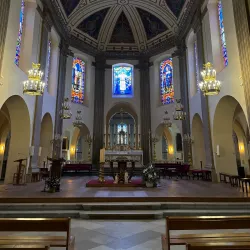
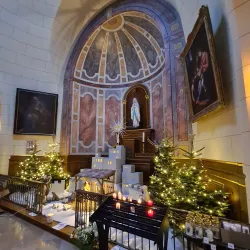
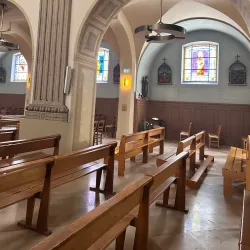
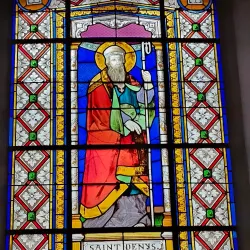
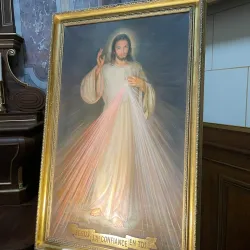
This historic church, located in the town center, dates back to the 17th century and is known for its classical architecture and beautiful stained glass windows.
It remains an active place of worship and a site of architectural interest for visitors.
The Town Center and Market
Fontainebleau's town center is lively and picturesque, featuring charming streets lined with cafes, restaurants, and shops. The local market, held several times a week, offers fresh produce, artisanal goods, and regional specialties.
Exploring the town center provides a taste of local life and culture.
The Barbizon School Museum (Musée de l'École de Barbizon)
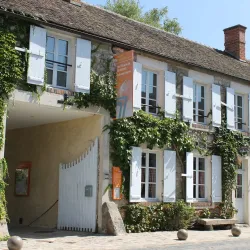
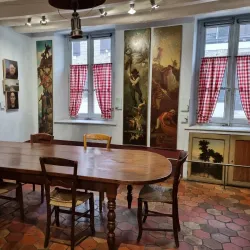
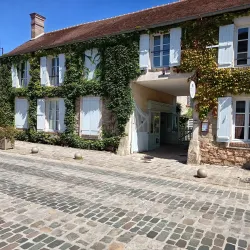
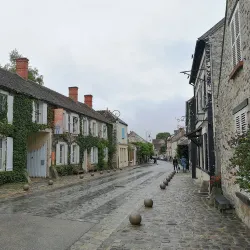
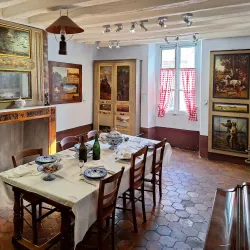
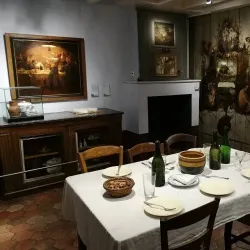
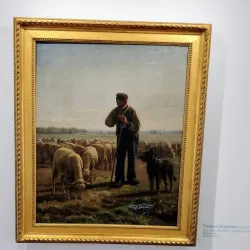
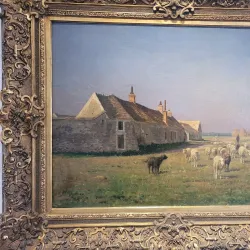
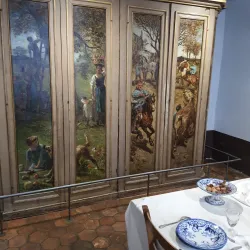
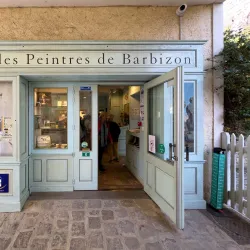
Located a short distance from Fontainebleau, in the village of Barbizon, this museum celebrates the Barbizon School of painters who were pioneers of the plein-air landscape painting movement in the 19th century.
The museum exhibits works by artists such as Jean-François Millet and Théodore Rousseau and offers insight into this influential art movement.
The Grand Parterre
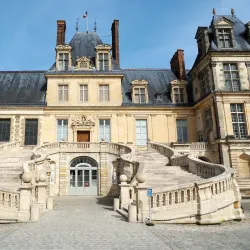
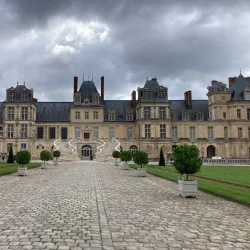
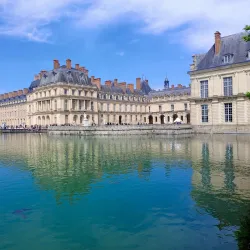
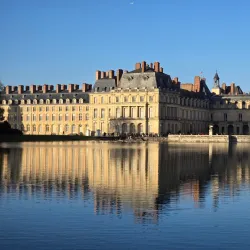
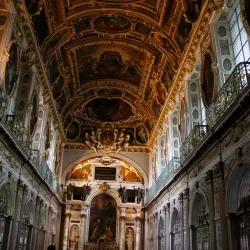
The Grand Parterre is an impressive formal garden area in front of the Château de Fontainebleau, designed in the French formal style with symmetrical patterns, flower beds, and gravel paths.
It is one of the largest formal gardens in France and a highlight for visitors interested in garden design and history.
The English Garden (Jardin Anglais)
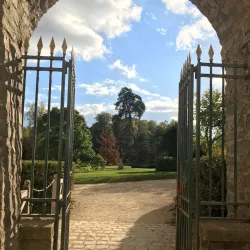
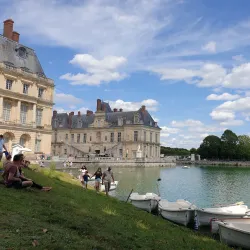
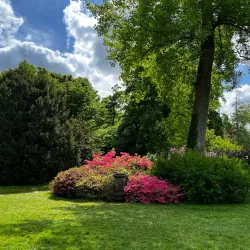
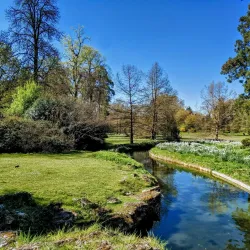
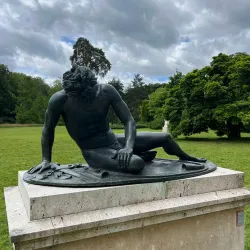
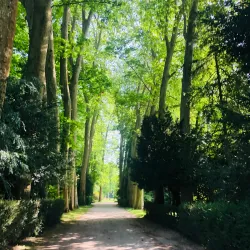
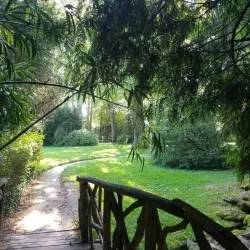
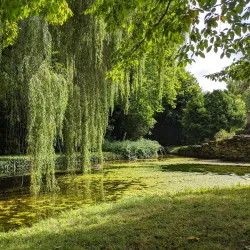
This garden area within the château grounds contrasts with the formal French gardens, featuring a more naturalistic English landscape style with winding paths, water features, and varied plantings.
It provides a tranquil and scenic environment for visitors to enjoy nature and relax.
The Fontainebleau National Stud (Haras de Fontainebleau)
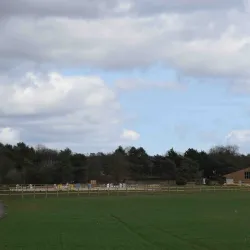
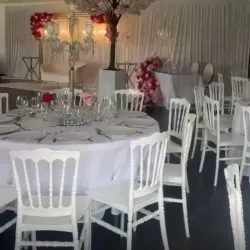
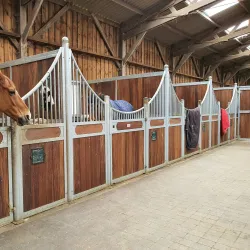
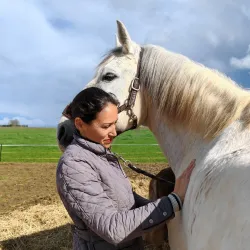
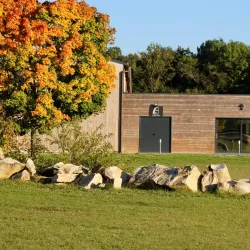
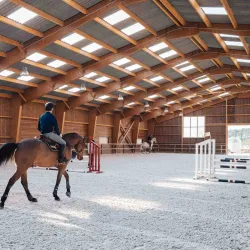
This historic horse breeding farm has been in operation since the 18th century and is known for its role in preserving and promoting French horse breeds.
Visitors can learn about the history of horse breeding in France and sometimes attend equestrian events or tours.