Things to do in Languedoc
Languedoc is a historic region in southern France known for its rich cultural heritage, stunning landscapes, and vibrant towns. It encompasses a diverse range of attractions from ancient Roman ruins to medieval castles, beautiful Mediterranean beaches, and renowned vineyards.The region offers visitors a blend of historical exploration, outdoor activities, and culinary delights. Its charming villages, bustling markets, and scenic countryside make it a popular destination for travelers seeking an authentic French experience.Pont du Gard
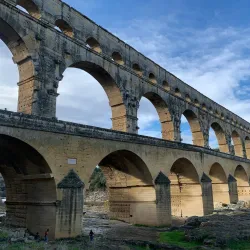
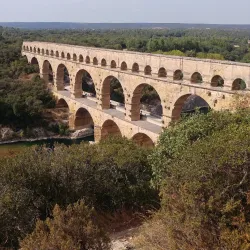


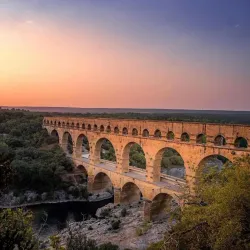
The Pont du Gard is an ancient Roman aqueduct bridge that is remarkably well-preserved and a UNESCO World Heritage site. It spans the Gardon River and showcases Roman engineering prowess.
Visitors can explore the site, learn about its history at the museum, and enjoy the surrounding natural park.
Carcassonne
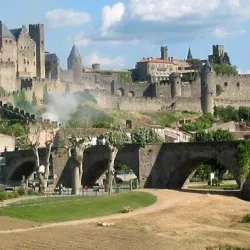
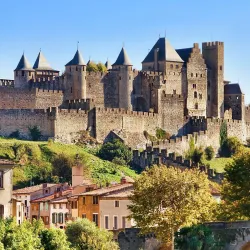
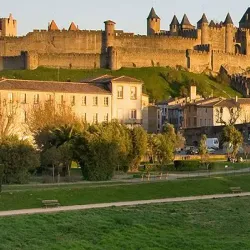
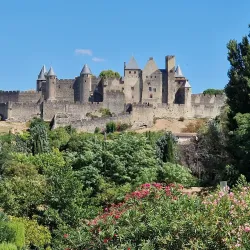
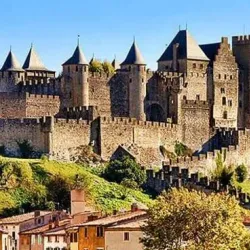
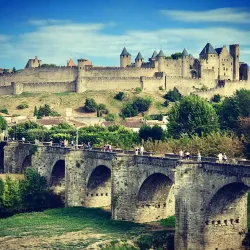
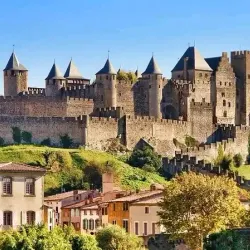
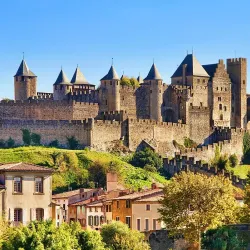
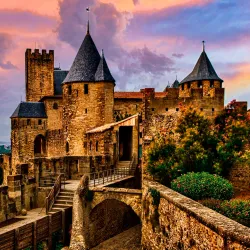
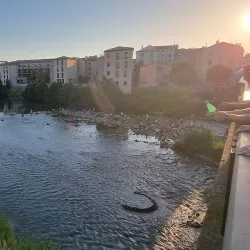
Carcassonne is a fortified medieval town famous for its double walls and numerous towers. It is one of the best-preserved fortified cities in Europe and a UNESCO World Heritage site.
The citadel offers a glimpse into medieval life with its castle, ramparts, and narrow cobbled streets filled with shops and cafes.
Abbaye de Fontfroide
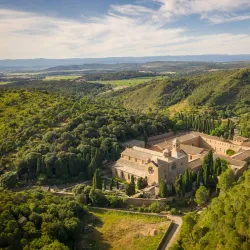
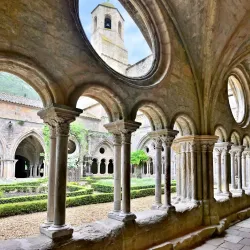
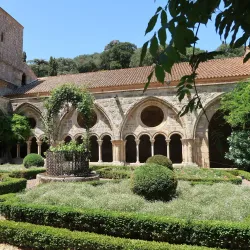
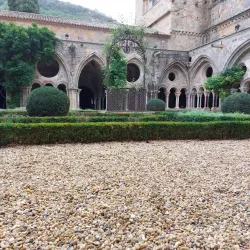
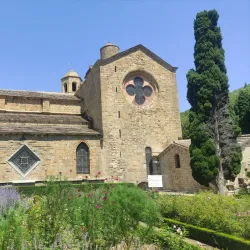
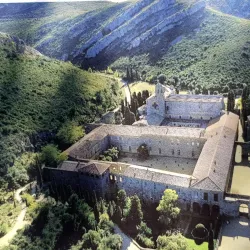
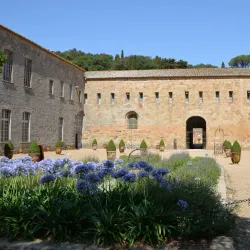
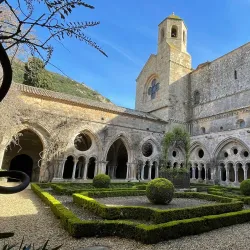
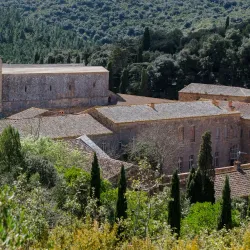
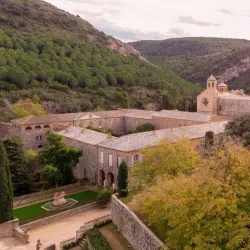
This Cistercian abbey near Narbonne is known for its beautiful Romanesque and Gothic architecture. It has a peaceful cloister, gardens, and a rich history dating back to the 11th century.
The abbey hosts cultural events and offers guided tours to explore its religious and architectural significance.
Narbonne Cathedral (Cathédrale Saint-Just et Saint-Pasteur)
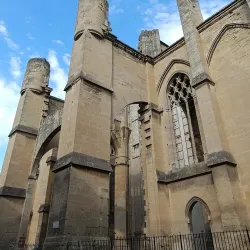
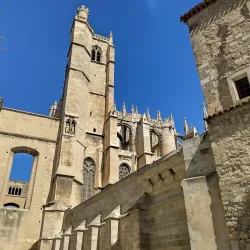
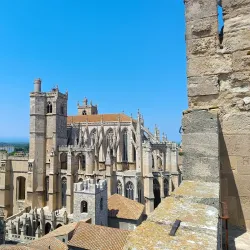
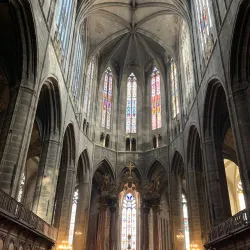
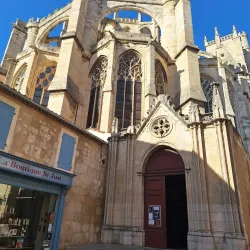
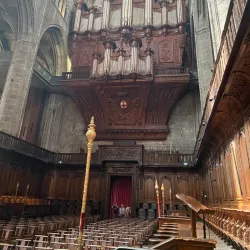
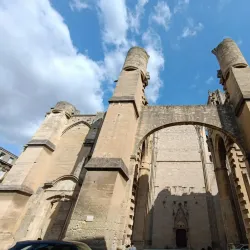
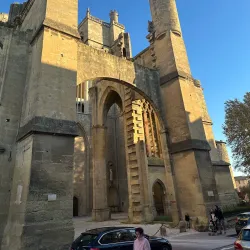
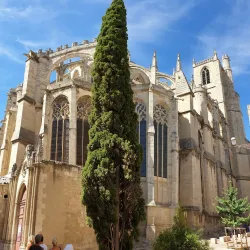
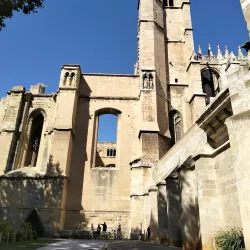
Narbonne Cathedral is a Gothic cathedral notable for its unfinished nave and impressive stained glass windows. It reflects the city's medieval importance and architectural heritage.
The cathedral is located in the heart of Narbonne and is a key religious and historical site.
Canal du Midi
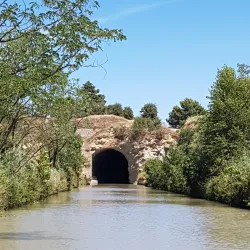
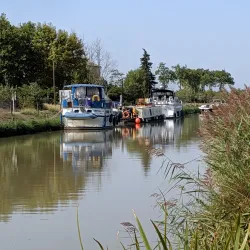
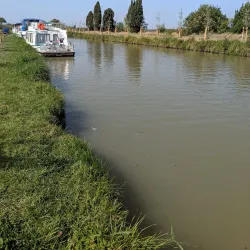
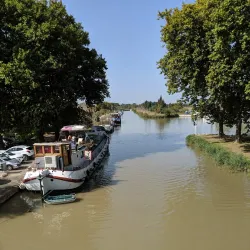
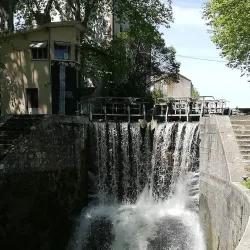
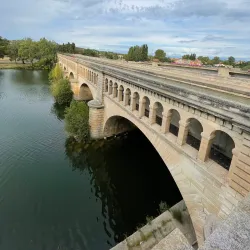
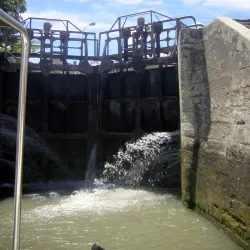
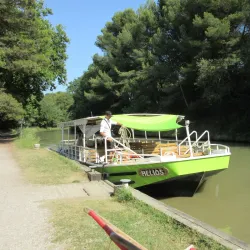
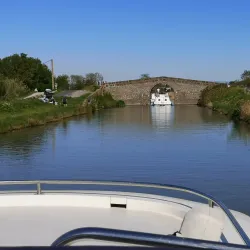
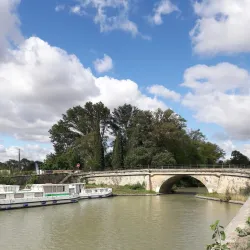
The Canal du Midi is a 17th-century canal that connects the Atlantic Ocean to the Mediterranean Sea. It is a UNESCO World Heritage site and popular for boating, cycling, and walking along its scenic towpaths.
The canal passes through picturesque villages and vineyards, offering a unique way to experience the Languedoc countryside.
Abbaye de Saint-Guilhem-le-Désert
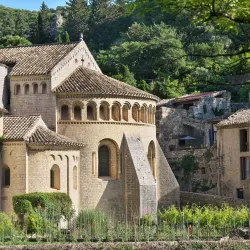
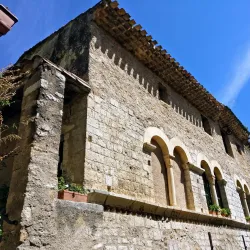
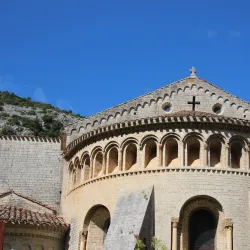
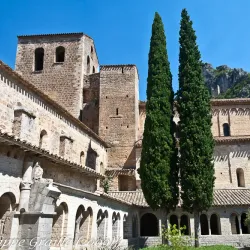
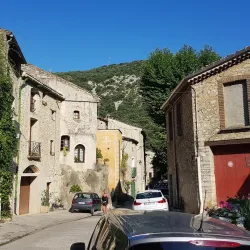

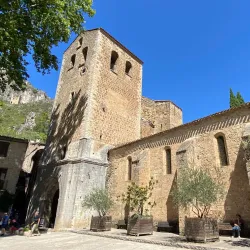


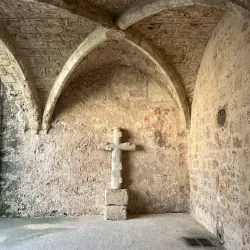
This medieval abbey is located in the village of Saint-Guilhem-le-Désert, a member of the 'Les Plus Beaux Villages de France' association. The abbey is known for its Romanesque architecture and serene setting in the Hérault valley.
It is a pilgrimage site and a cultural landmark with beautiful hiking trails nearby.
Collioure
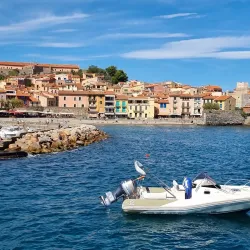
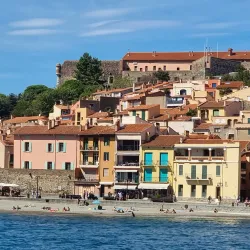
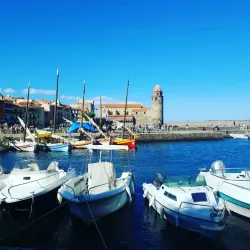
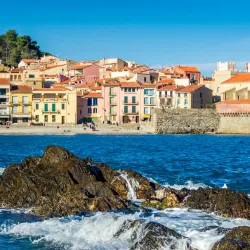
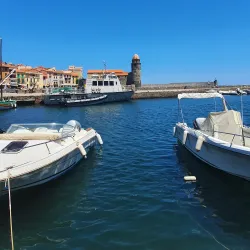
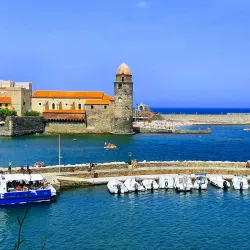
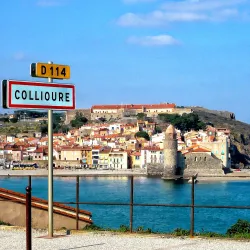
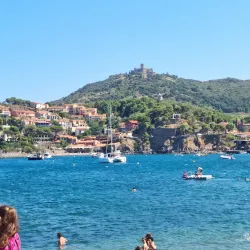
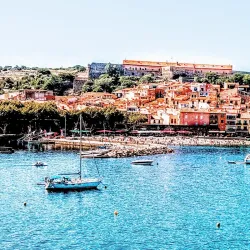
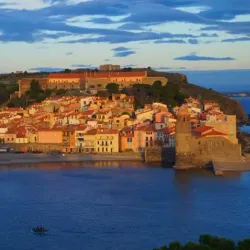
Collioure is a picturesque seaside town on the Mediterranean coast, famous for its colorful harbor, historic castle, and as a haven for artists like Matisse and Picasso.
Visitors enjoy its beaches, art galleries, and vibrant local markets.
Pezenas
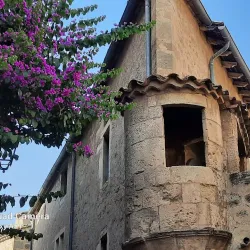
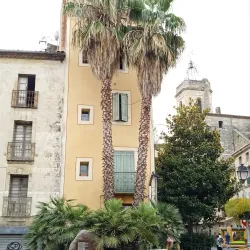
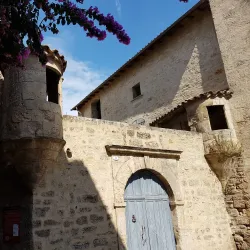
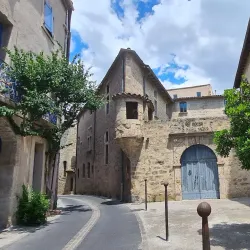
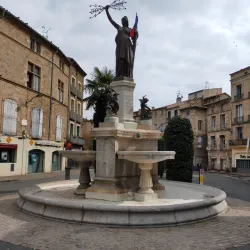
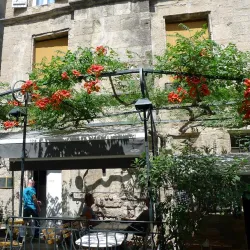
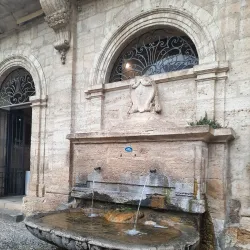
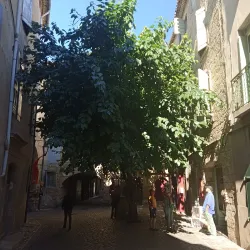
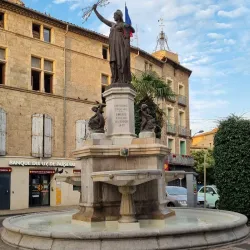
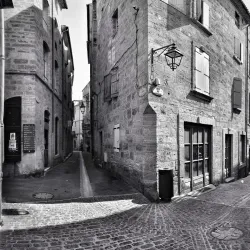
Pezenas is a charming town known for its well-preserved old quarter with Renaissance architecture, artisan shops, and lively markets.
It has a rich theatrical history and hosts festivals celebrating local culture and crafts.
Grotte des Demoiselles
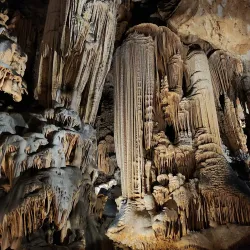
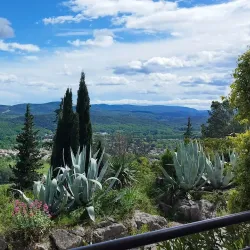
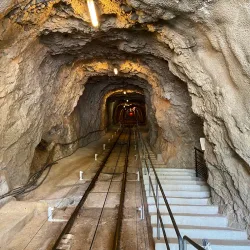
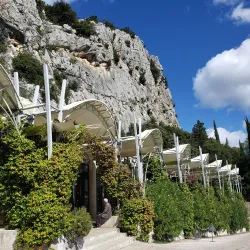
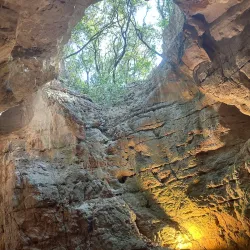
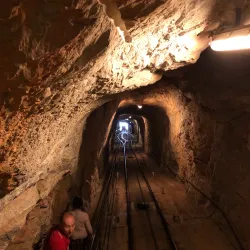
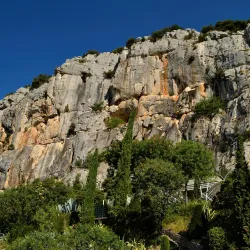

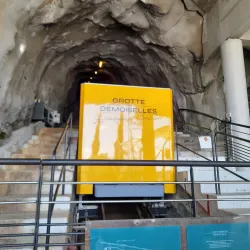
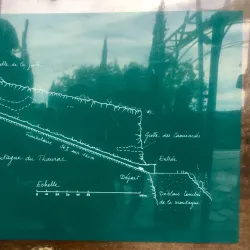
The Grotte des Demoiselles is a spectacular cave system near Saint-Bauzille-de-Putois, featuring impressive stalactites, stalagmites, and underground chambers.
It is accessible to visitors via guided tours and offers a fascinating glimpse into subterranean geology.
Camargue Regional Nature Park
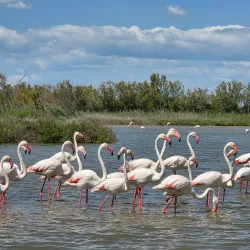

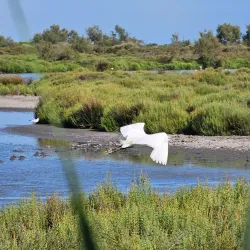
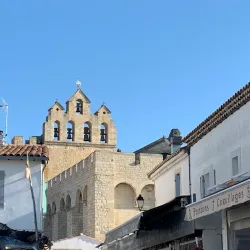
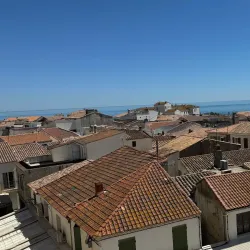
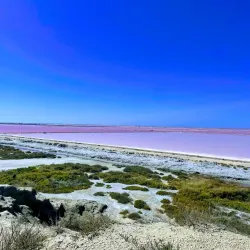
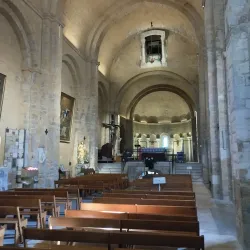
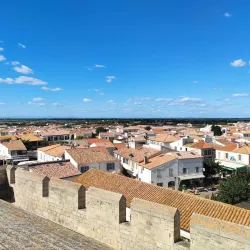
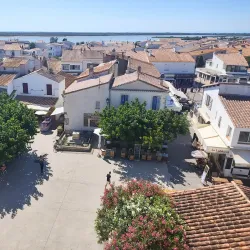
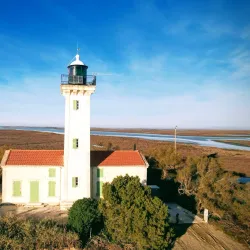
This nature park is famous for its unique wetlands, wild white horses, pink flamingos, and diverse wildlife. It offers opportunities for birdwatching, horseback riding, and exploring natural landscapes.
The park is a protected area that highlights the ecological importance of the Camargue region.