Things to do in Amaru
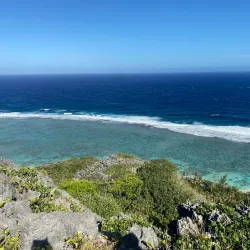
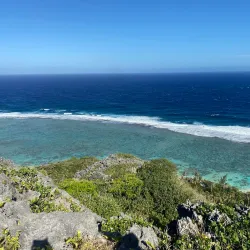
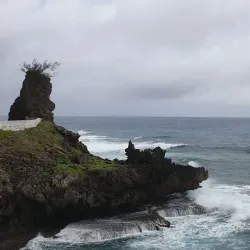
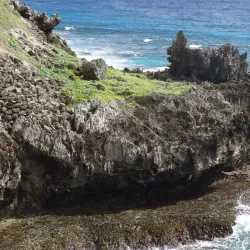
Amaru is a charming village located on the island of Rurutu in French Polynesia. Known for its lush landscapes, rich cultural heritage, and vibrant marine life, Amaru offers visitors a unique glimpse into the traditional Polynesian way of life.The village is surrounded by stunning natural scenery including volcanic cliffs, caves, and pristine beaches. Visitors can explore local customs, enjoy outdoor activities, and experience the warm hospitality of the island community.Rurutu Caves
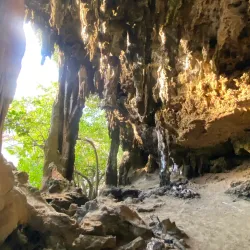
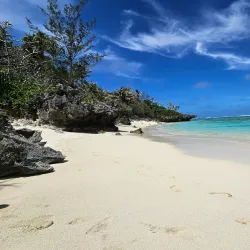
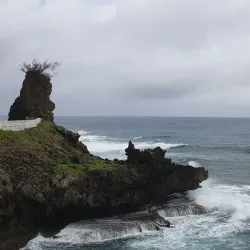
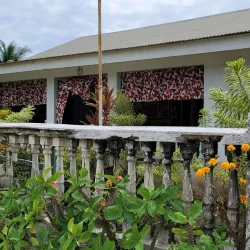
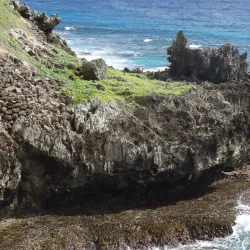
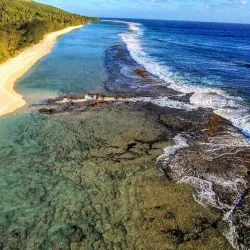
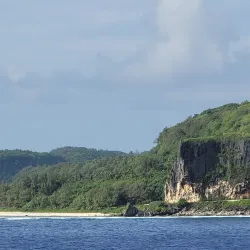
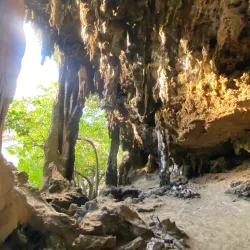
The Rurutu Caves are a network of ancient volcanic caves located near Amaru. These caves are significant both geologically and culturally, offering visitors a chance to explore natural formations and learn about the island's history.
Guided tours often include stories about the caves' use by early Polynesians and their importance in local legends.
Amaru Village
Amaru itself is a key attraction, showcasing traditional Polynesian village life. Visitors can stroll through the village, interact with locals, and experience authentic cultural practices.
The village is known for its friendly community, traditional music, dance, and crafts.
Whale Watching
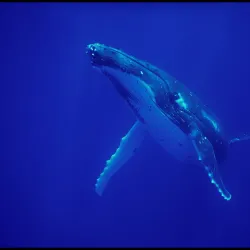
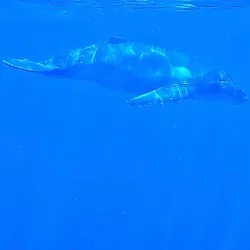
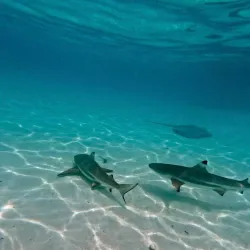
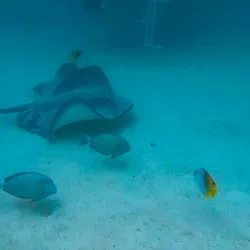
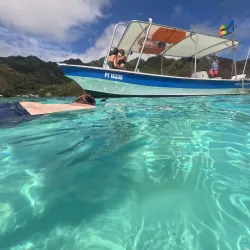
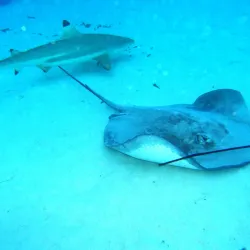
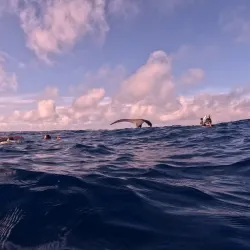
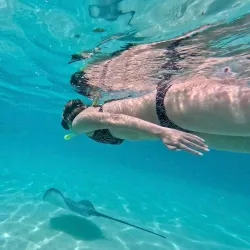
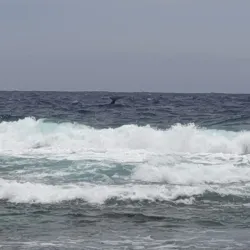
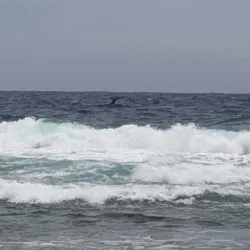
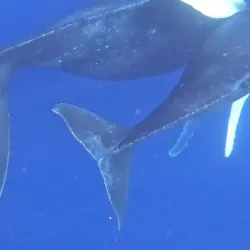
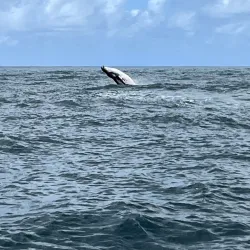
Rurutu is famous for its whale watching opportunities, especially from July to October when humpback whales migrate through the waters around the island.
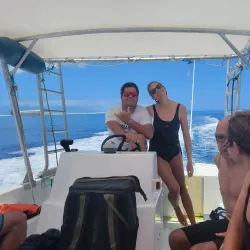
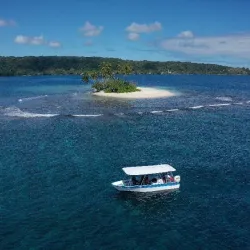
Visitors can take boat tours from Amaru to see these majestic creatures up close in their natural habitat.
Tevaitoa Bay
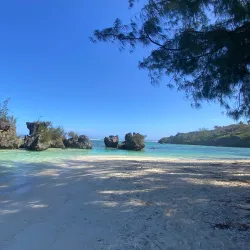
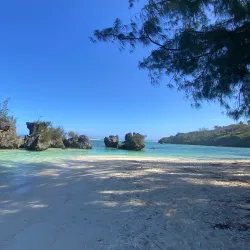
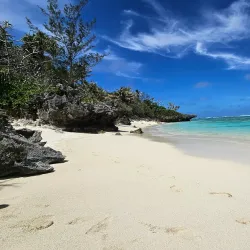
Tevaitoa Bay offers beautiful beaches and clear waters perfect for swimming, snorkeling, and relaxing.
The bay is a peaceful spot to enjoy the natural beauty of Rurutu and observe marine life.
Rurutu Cultural Center
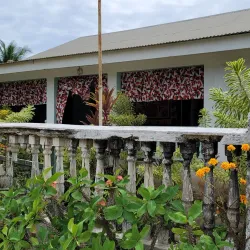
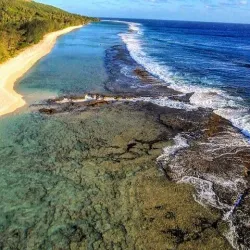
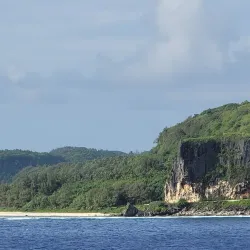
The Cultural Center in Amaru provides insights into the island’s history, traditions, and arts.
Exhibits include traditional tools, clothing, and displays about the island’s volcanic origins and Polynesian heritage.
Mount Hiro
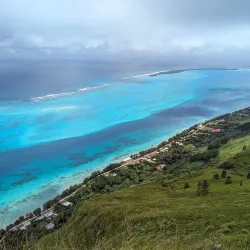
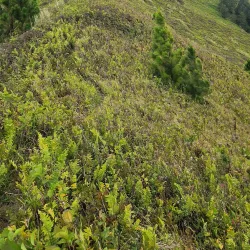
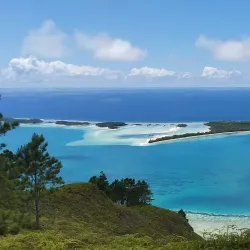
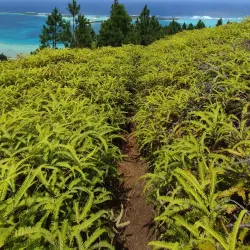
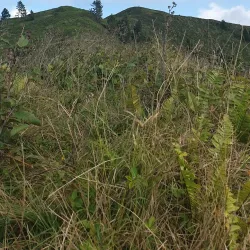
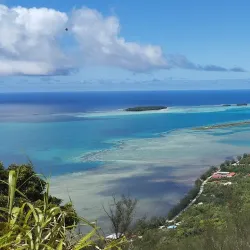
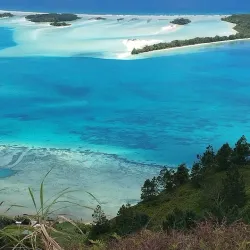
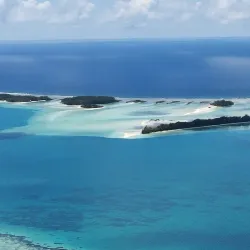
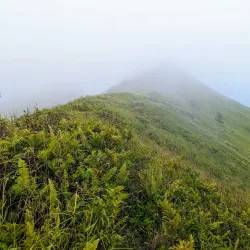
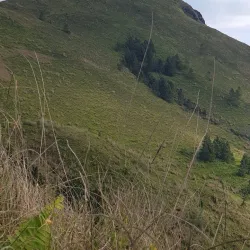
Mount Hiro is the highest point on Rurutu and offers hiking opportunities with panoramic views of the island and ocean.
The trek to the summit is rewarding for nature lovers and those interested in geology and island ecology.
Local Markets
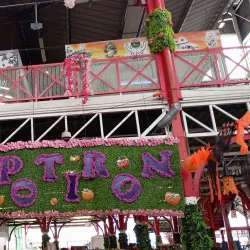
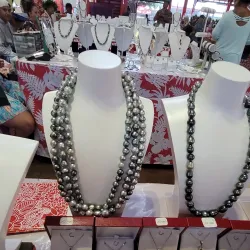
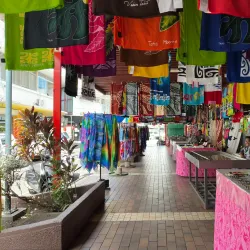
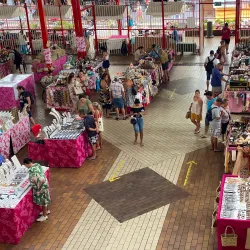
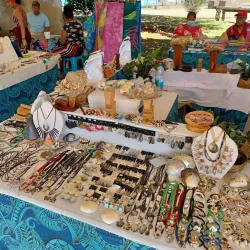

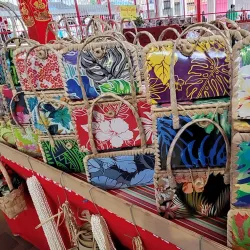
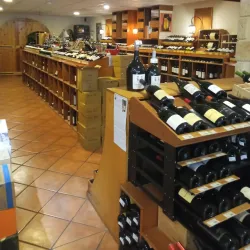
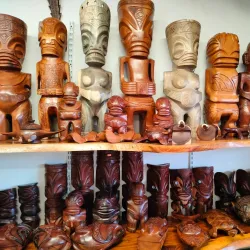
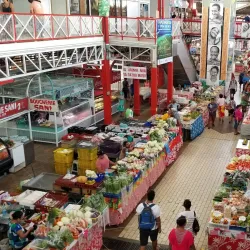
The local markets in Amaru are vibrant places to buy handmade crafts, fresh produce, and traditional foods.
These markets provide a great way to engage with the community and take home unique souvenirs.
Traditional Dance Performances
Visitors can enjoy traditional Polynesian dance performances held regularly in Amaru, showcasing the island’s rich cultural heritage.
These performances often include music, storytelling, and colorful costumes.
Snorkeling and Diving Spots
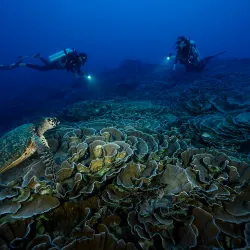
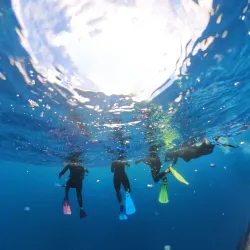
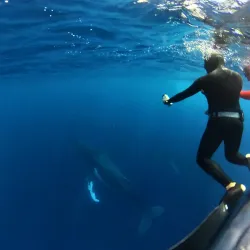
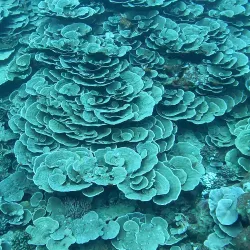
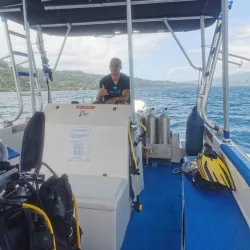
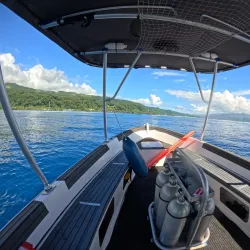
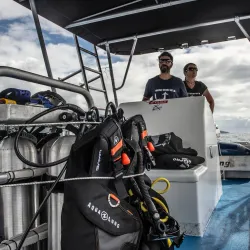
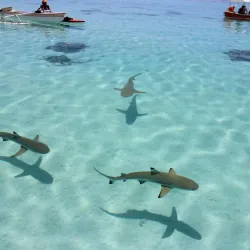
The waters around Amaru are rich in coral reefs and marine biodiversity, making them ideal for snorkeling and diving.
Several spots near the village offer opportunities to see tropical fish, coral formations, and other marine life.
Local Churches
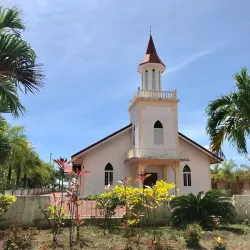
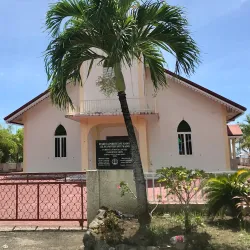
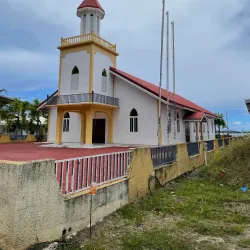
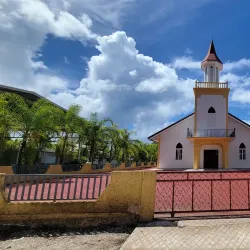
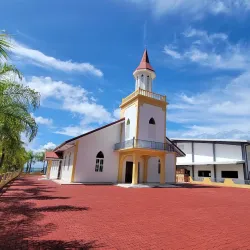
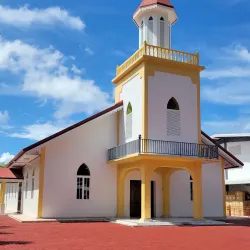
The churches in Amaru reflect the island’s religious history and architecture influenced by European missionaries.
They are peaceful places to visit and learn about the spiritual life of the community.