Traffic in Bocholt
Bocholt, a city in Germany, presents a unique transportation landscape with a focus on sustainability and efficiency.Despite the lack of detailed transportation data, Bocholt is known for its commitment to reducing traffic congestion and promoting eco-friendly commuting options.Average Commute Times
More Information
Seasonal Trends
Bocholt may experience increased bicycle usage during warmer months, aligning with Germany's cycling culture.
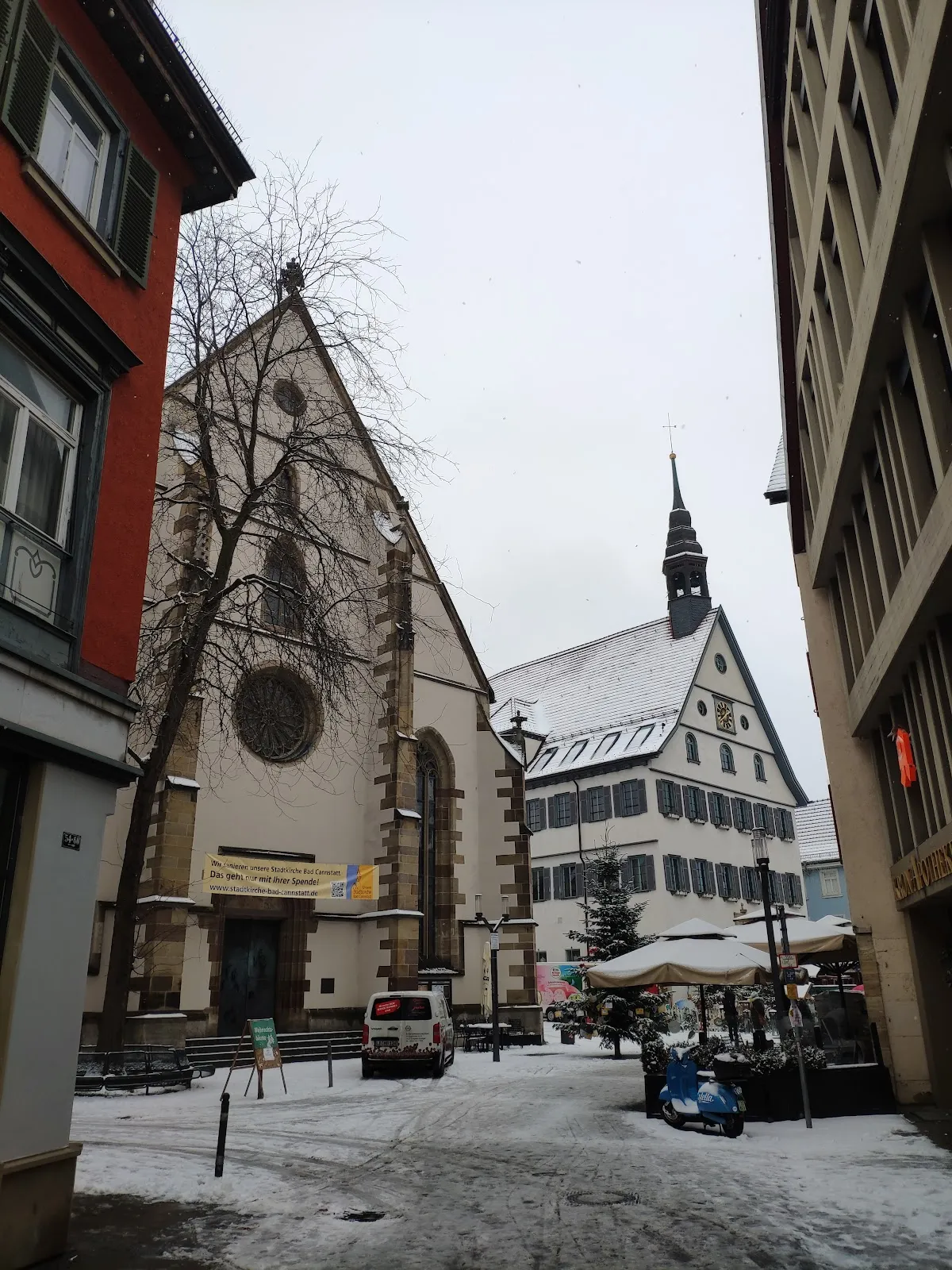
Winter months could see a shift towards more indoor or sheltered commuting options due to weather conditions.
Commuter Pain Points
Limited public transportation options might challenge commuters relying on buses or trains.
Weather conditions can impact cycling and walking, common in smaller German cities.
Best Travel Times
Early mornings and late evenings are typically less congested, providing smoother travel experiences.
Midday travel might be optimal for avoiding peak commuter traffic.
Event Impacts
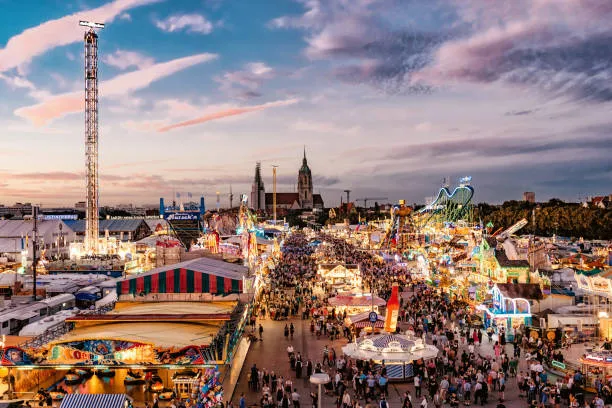
Local festivals and events can significantly impact traffic, necessitating alternative routes or transportation methods.
Public holidays may lead to reduced traffic volumes, offering a respite from usual patterns.
Sustainability Efforts
Bocholt is likely investing in bicycle-friendly infrastructure to promote sustainable commuting.
The city may be implementing green initiatives to reduce overall traffic emissions.
Ride-Sharing Impact
Ride-sharing services could be supplementing public transport, offering flexible commuting options.
These services may help reduce the number of personal vehicles on the road, contributing to lower emissions.