Traffic Rankings in Germany

Compare cities by Traffic metrics and find the best places to live

Worldwide
Germany
The Traffic Index for Germany combines user-contributed data on commute times, traffic dissatisfaction, CO2 emissions, and traffic system inefficiencies in Germany, to provide insights into overall traffic conditions.
Worst to BestUpdated: Oct, 2025
Cologne
1

Cologne

#1 in Traffic(#184 worldwide)

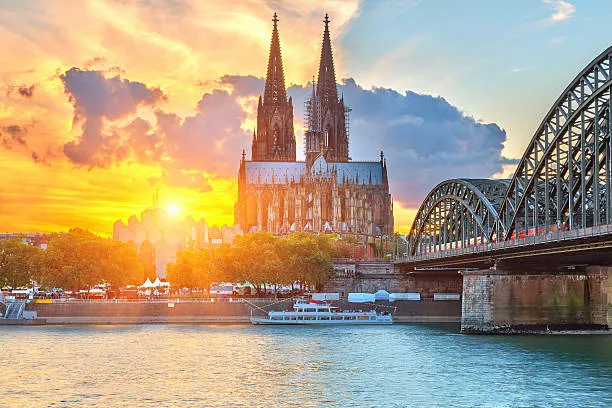
Cologne, a bustling city in Germany, offers a diverse range of transportation options for its residents. In 2024, the city sees a balanced use of cars, bicycles, and public transport, reflecting its commitment to sustainable urban mobility.

Hamburg
2

Hamburg

#2 in Traffic(#248 worldwide)

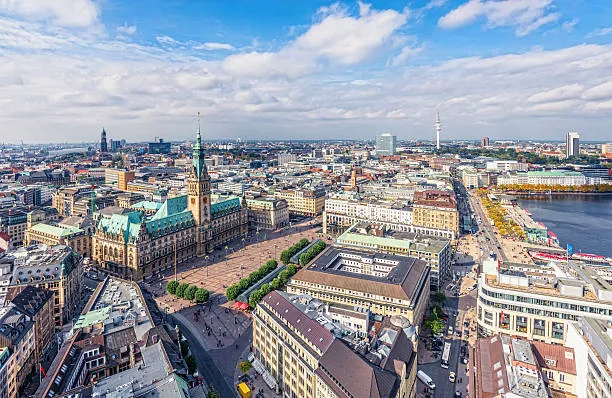
Hamburg, a bustling port city in Germany, showcases a diverse range of transportation options for its residents. In 2024, the city sees a balanced use of cars and trains, each accounting for over 25% of commutes, with a significant portion of the population also opting for walking and cycling.

Bremen
3

Bremen

#3 in Traffic(#251 worldwide)

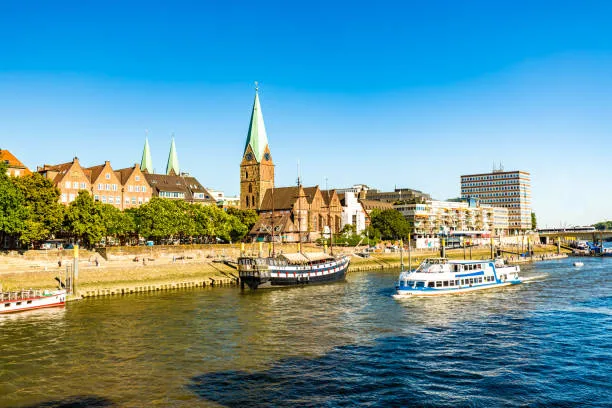
Bremen, Germany, showcases a diverse transportation landscape with a significant reliance on bicycles and cars. The city's commitment to sustainable transport is evident in its high percentage of bicycle usage, contributing to lower CO2 emissions.

Dusseldorf
4

Dusseldorf

#4 in Traffic(#259 worldwide)

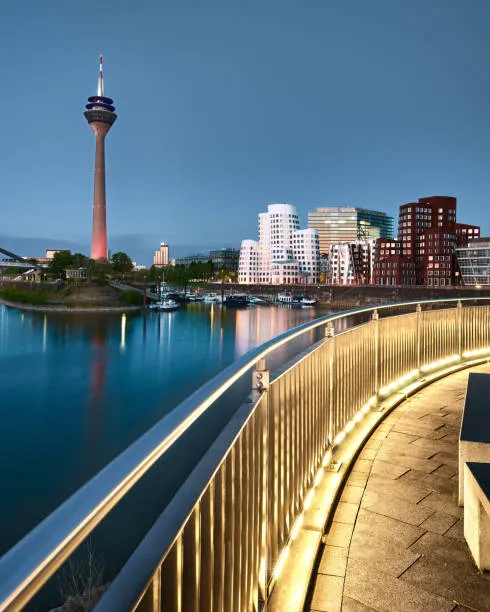
Dusseldorf's traffic landscape in 2024 is characterized by a diverse range of transportation modes, with cars being the most popular choice. The city is making strides in promoting sustainable transport options, with significant usage of bicycles and public transport.

Nuremberg
5

Nuremberg

#5 in Traffic(#281 worldwide)

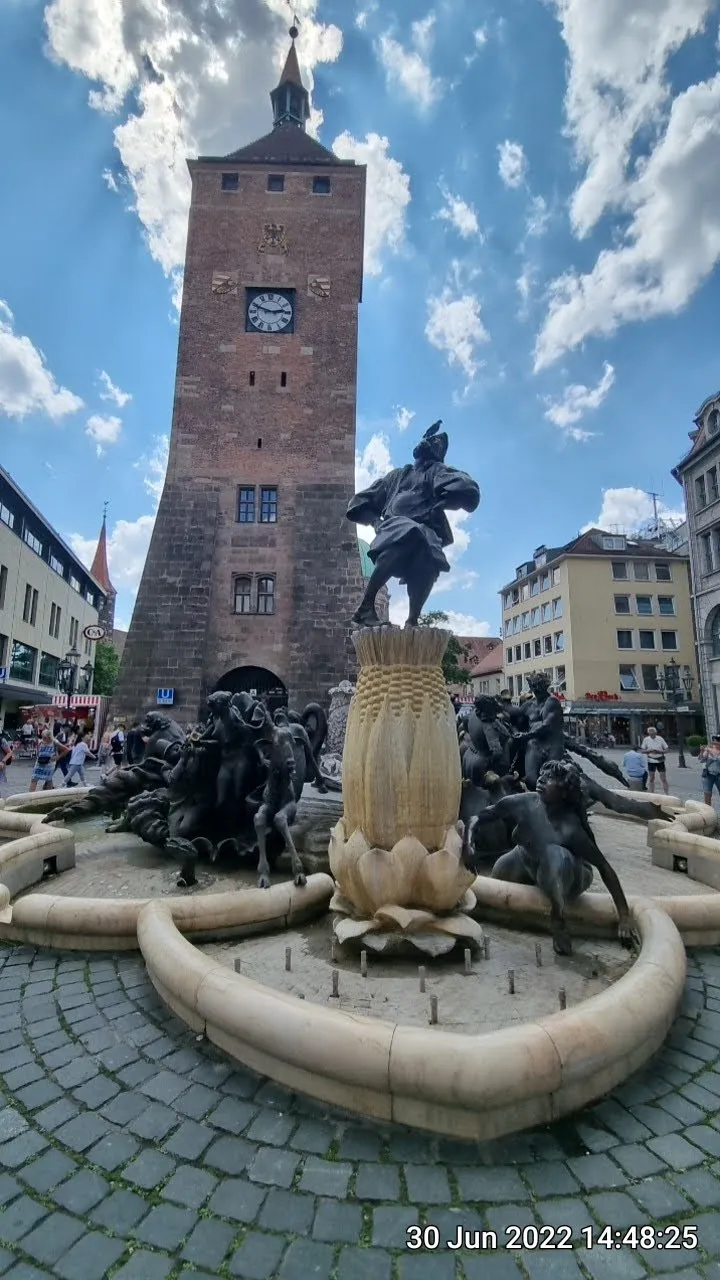
Nuremberg, a bustling city in Germany, showcases a diverse range of transportation modes with cars being the most popular choice. The city's transportation system is characterized by a significant percentage of residents walking and using trains, contributing to its unique traffic dynamics.

Berlin
6

Berlin

#6 in Traffic(#292 worldwide)

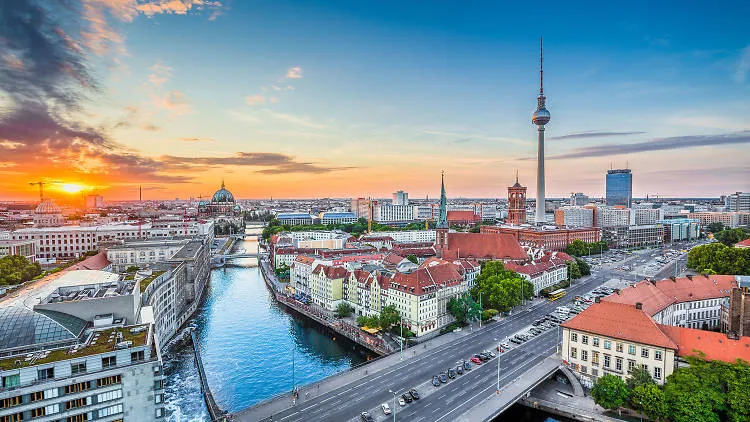
Berlin, a bustling metropolis, showcases a diverse range of transportation options with a significant portion of its population relying on trains and bicycles. In 2024, Berlin continues to emphasize sustainable commuting, with walking and cycling being popular choices among residents.

Munich
7

Munich

#7 in Traffic(#293 worldwide)

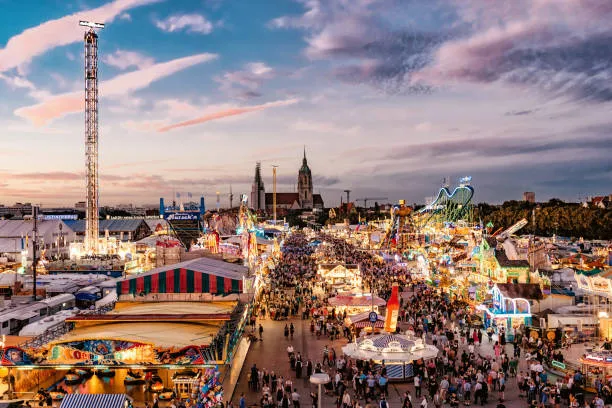
Munich, a bustling city in Germany, showcases a diverse range of transportation modes with trains and bicycles being the most popular among commuters. The city's transportation infrastructure supports a mix of public and private transport, contributing to varying commute times and environmental impacts.

Stuttgart
8

Stuttgart

#8 in Traffic(#295 worldwide)

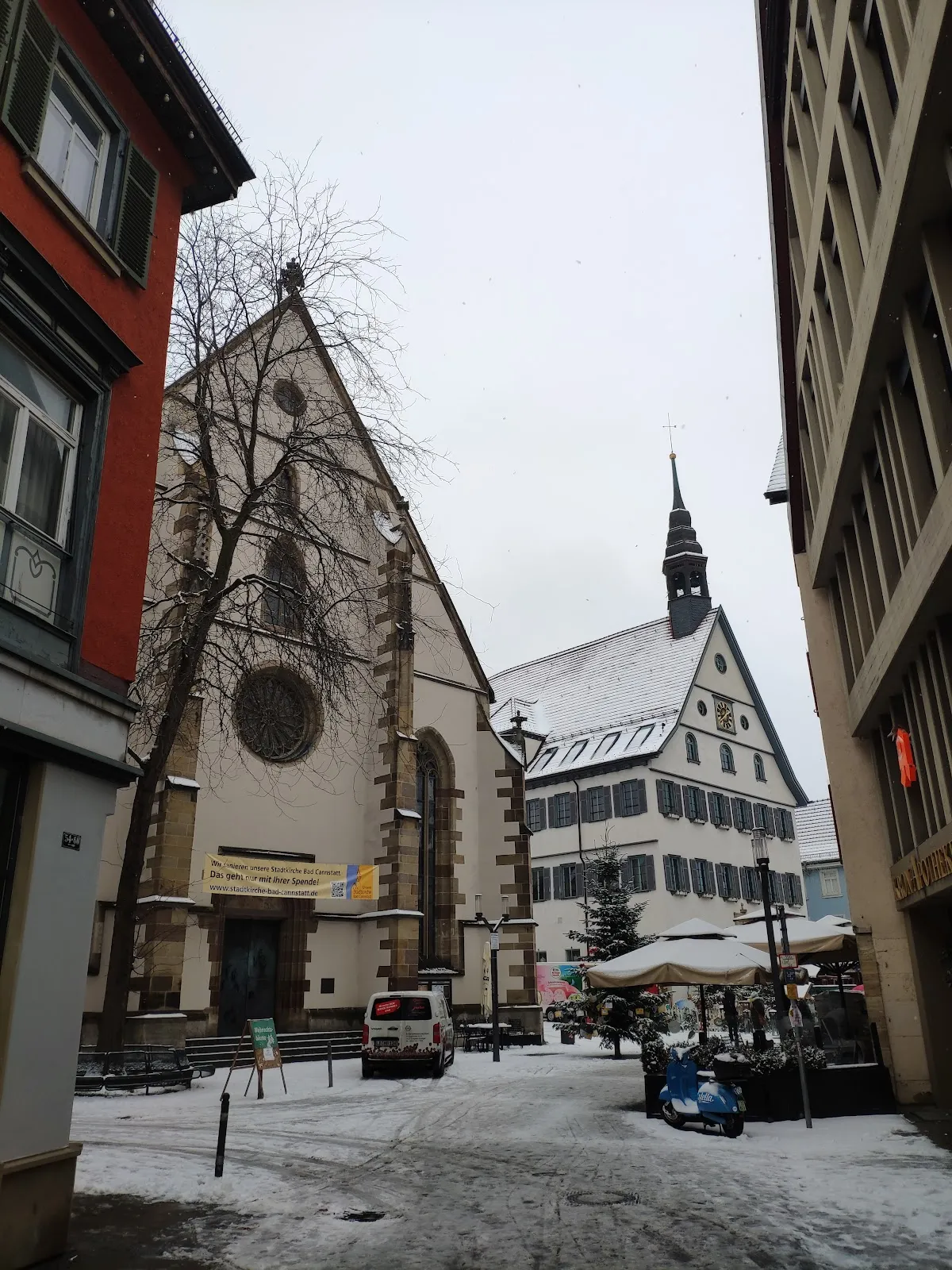
Stuttgart, a bustling city in Germany, showcases a diverse range of transportation modes with cars being the most popular choice. The city is actively working on reducing traffic inefficiencies and CO2 emissions through various initiatives.

Leipzig
9

Leipzig

#9 in Traffic(#312 worldwide)

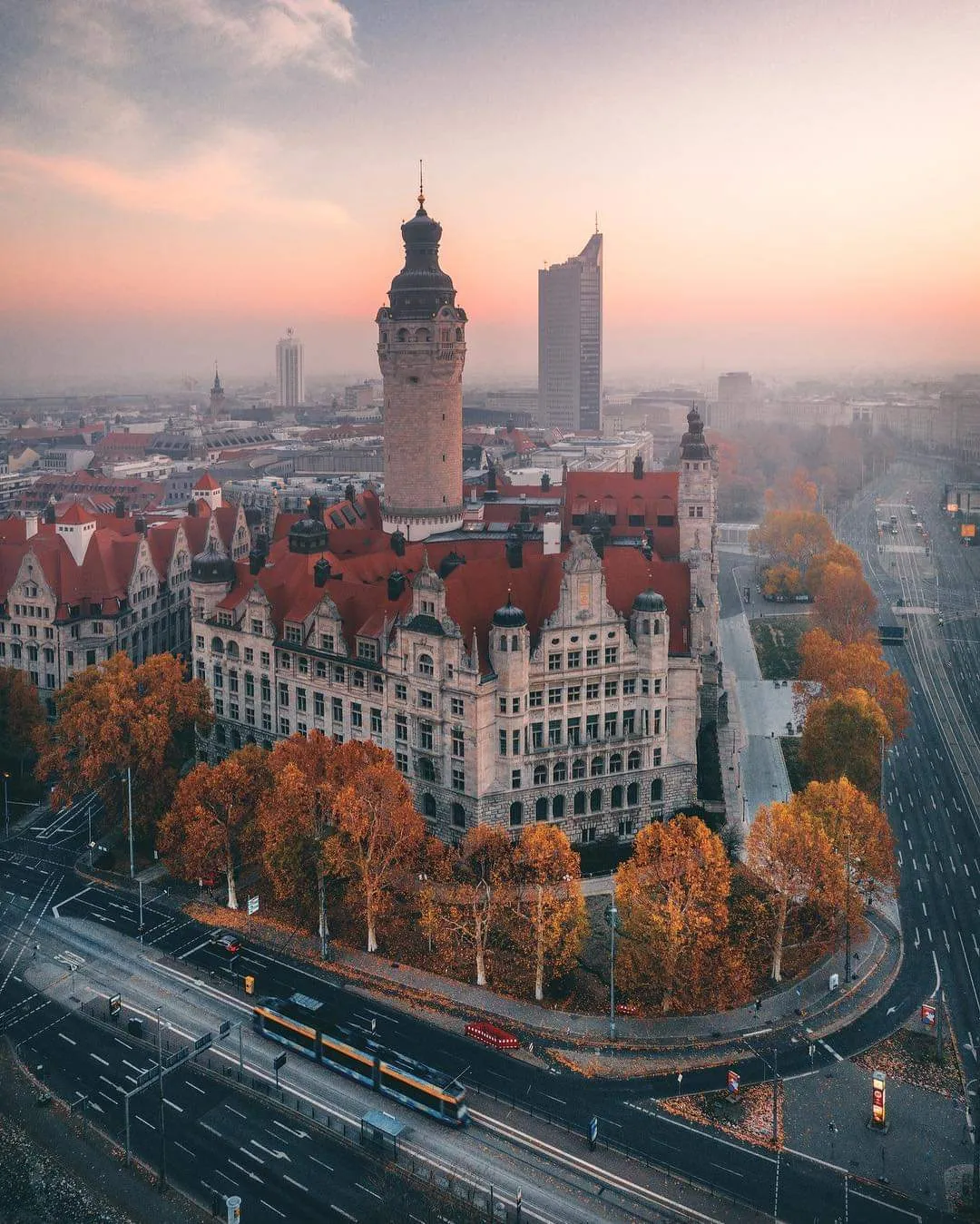
Leipzig, a vibrant city in Germany, showcases a diverse range of transportation options with a significant emphasis on public transport and cycling. In 2024, the city's transportation landscape is marked by a balanced mix of cars, trams, bicycles, and walking, reflecting its commitment to sustainable urban mobility.

Frankfurt
10

Frankfurt

#10 in Traffic(#320 worldwide)

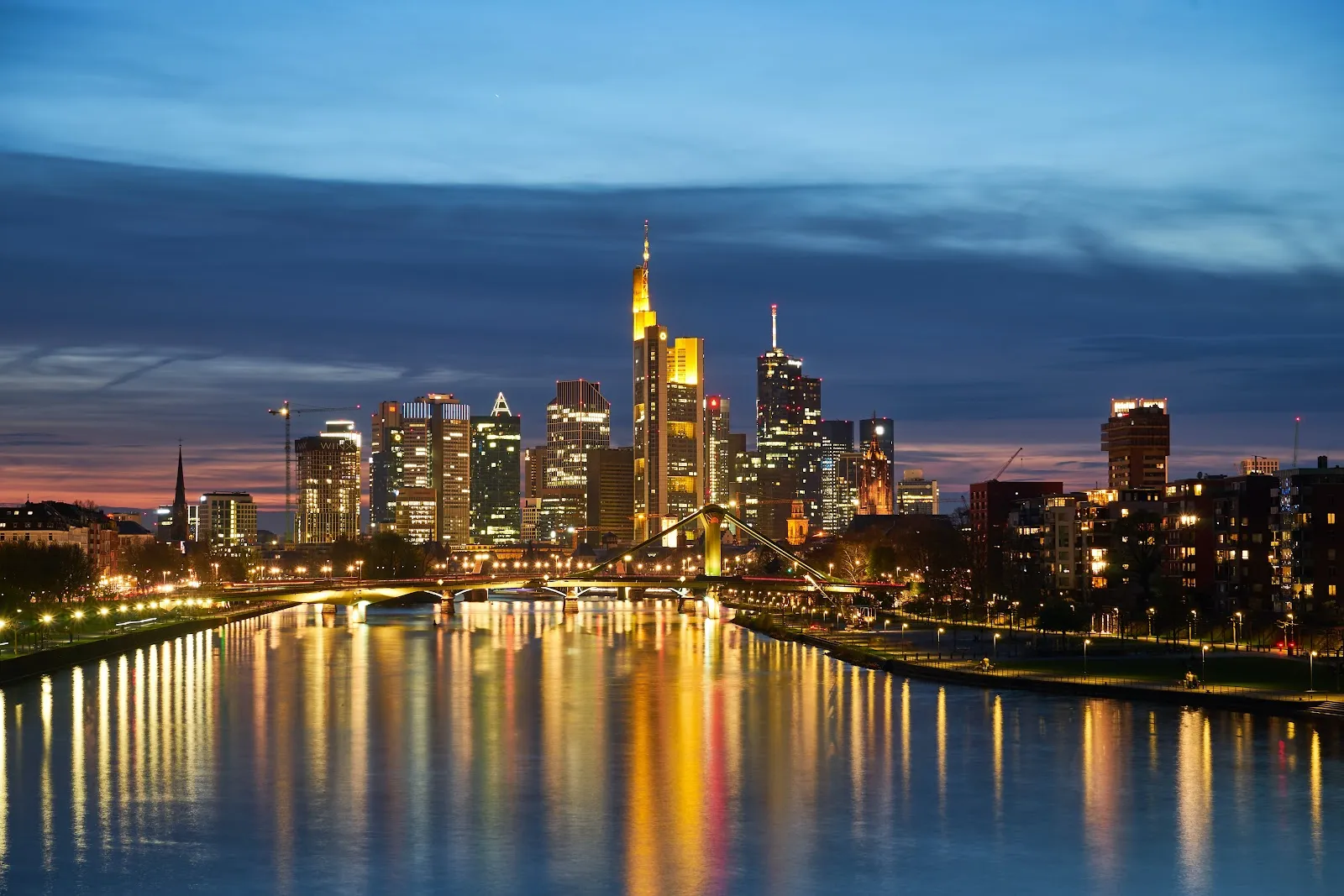
Frankfurt, a bustling hub in Germany, showcases a diverse range of transportation modes with cars being the most popular choice. The city's traffic data for 2024 reveals significant insights into commute times and CO2 emissions, providing a roadmap for future improvements.

Aachen
11

Aachen

#11 in Traffic(#329 worldwide)

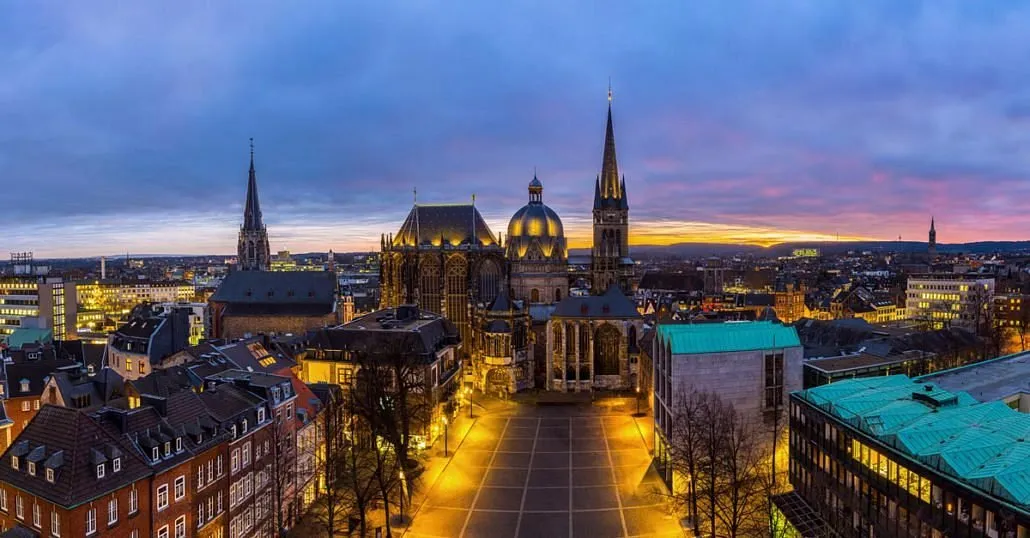
Aachen, Germany, presents a diverse transportation landscape with a significant reliance on bicycles and cars. In 2024, the city continues to focus on sustainable commuting options, with walking and bus usage also playing key roles.

Hanover
12

Hanover

#12 in Traffic(#330 worldwide)

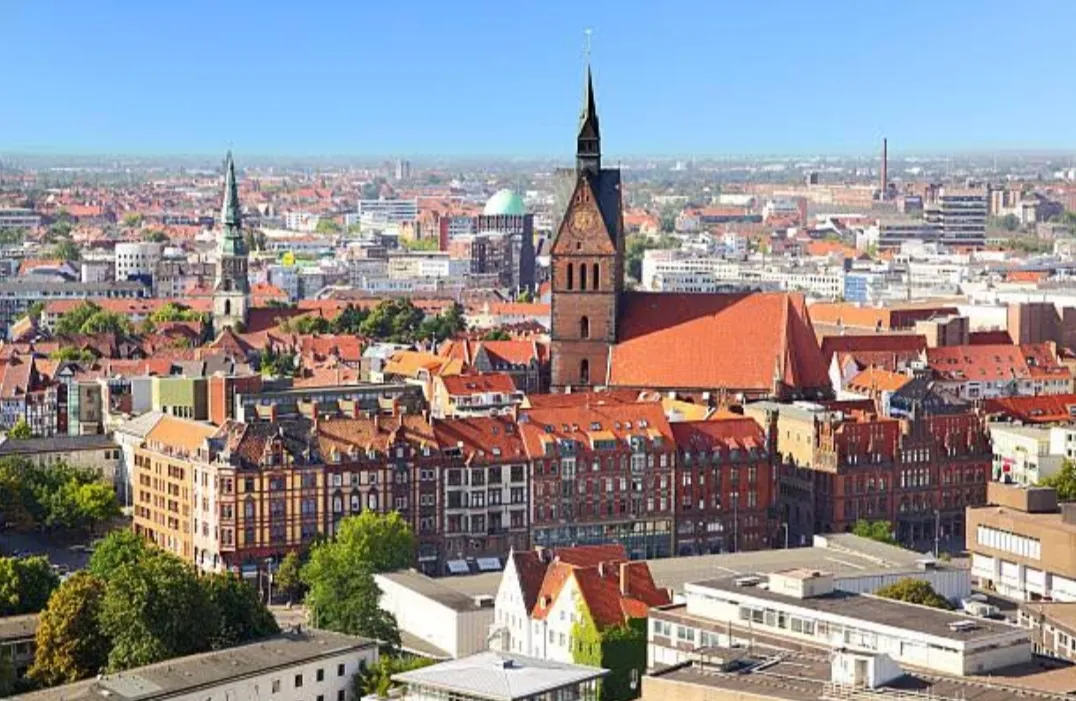
In 2024, Hanover's transportation landscape is dominated by bicycles, with 28% of commuters choosing this eco-friendly mode. Trains and cars are also popular, accounting for 24% and 20% of the commuting methods, respectively, highlighting a diverse transportation network.