Compare cities by Pollution metrics and find the best places to live

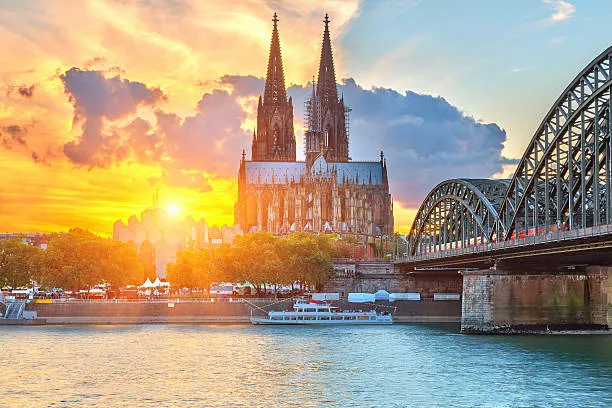
Cologne has made impressive strides in mitigating pollution, achieving a moderate overall pollution index. This reflects ongoing efforts to control emissions from urban and industrial sources. Overall air quality is rated positively, attributed to significant reductions in major pollutants such as PM2.5 and PM10, fostering a healthier urban environment.


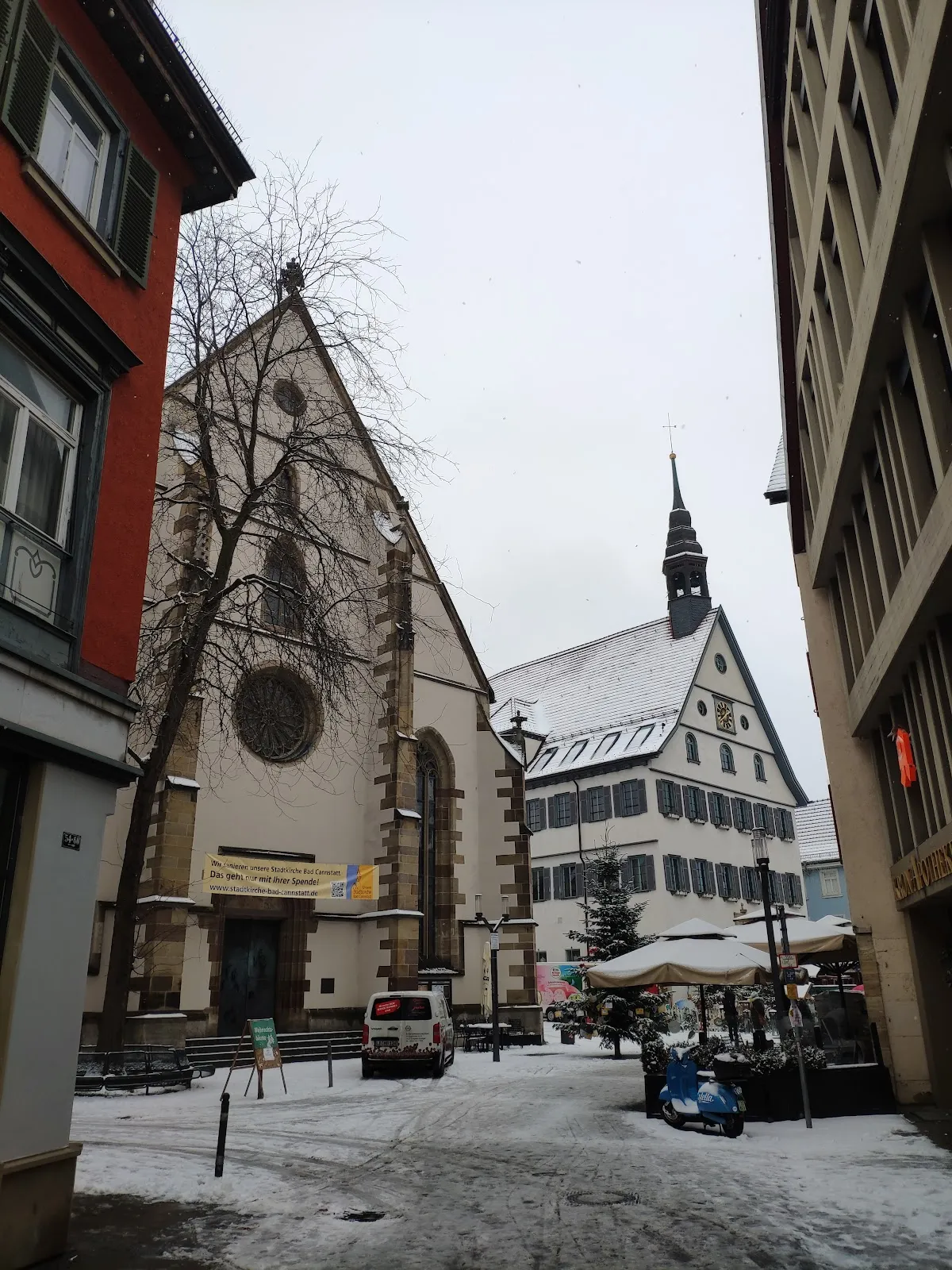
Stuttgart's air quality is considered moderate, with pollution levels stemming primarily from particulate matter such as PM2.5 and PM10. These levels, while manageable, require ongoing improvement efforts. The public remains aware of the city's air quality challenges and supports initiatives aimed at reducing pollution and safeguarding health.

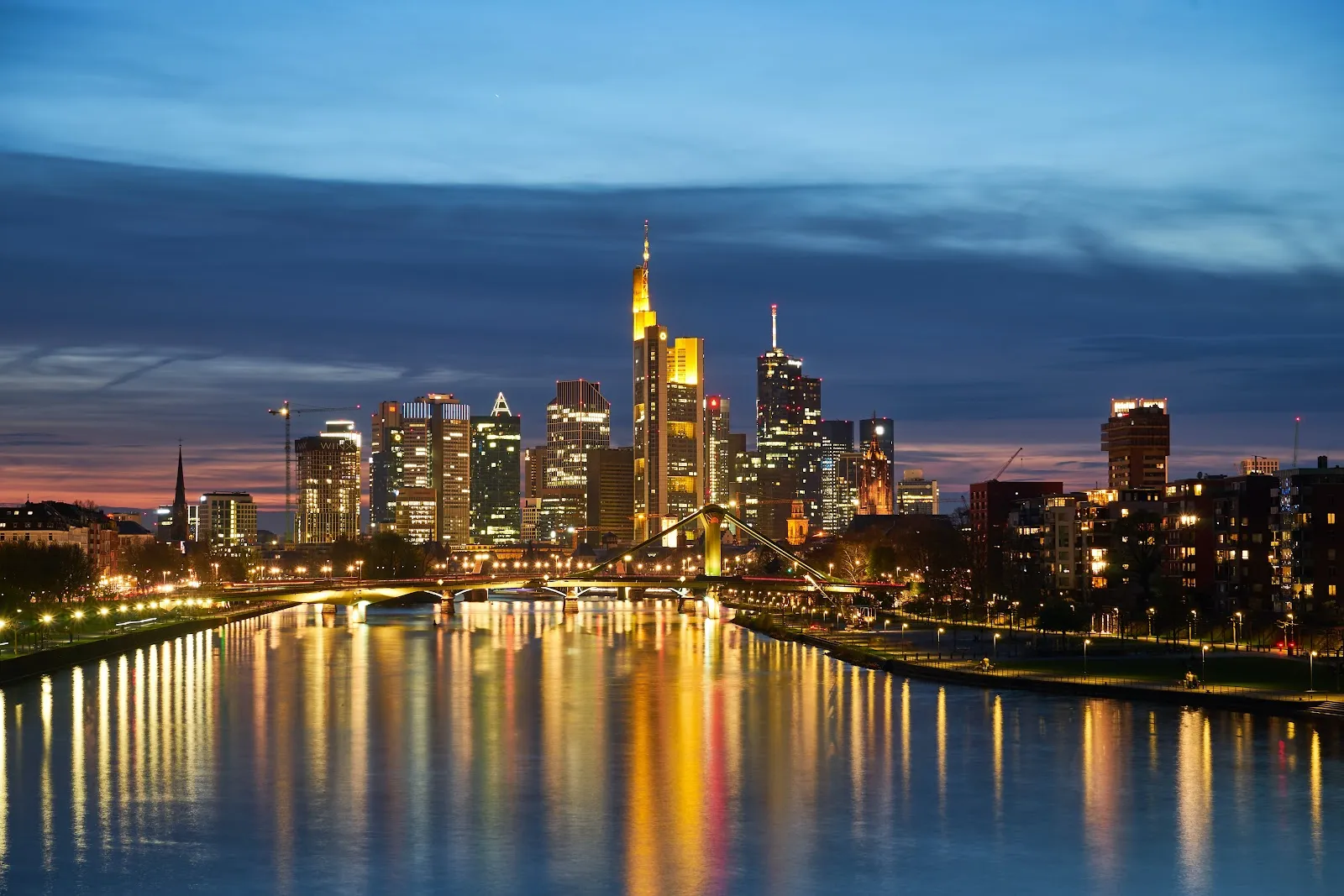
Frankfurt has made commendable progress in enhancing air quality, though challenges remain, particularly with particulate matter. Public awareness about pollution’s health impacts drives continuous improvement efforts.

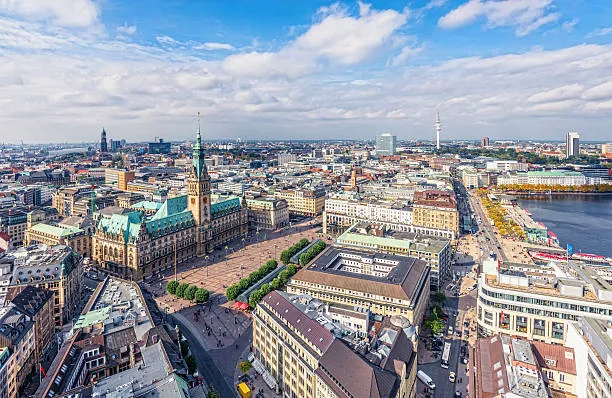
Hamburg boasts impressive air quality in 2024, marked by substantial improvements in environmental health metrics. Clean air in the city’s urban areas stands out, generating a positive public sentiment. Despite occasional fluctuations in pollution due to environmental variables, the city maintains a favorable air quality index, promoting a healthy lifestyle for its residents.

Munich's air quality is generally good, although moderate pollution still poses challenges. Traffic emissions and urban activities contribute to these levels, which are monitored to ensure they remain within acceptable limits. While air quality is a moderate concern, the city is proactive in addressing pollutants to mitigate long-term health impacts, maintaining a commitment to environmental health.