Things to do in Cottbus
Cottbus is a vibrant city located in the state of Brandenburg, Germany, known for its rich cultural heritage and beautiful natural surroundings. It offers a blend of historical sites, modern attractions, and green spaces, making it an appealing destination for visitors interested in history, art, and nature.The city is characterized by its charming old town, diverse museums, and the nearby Spreewald biosphere reserve, which provides unique outdoor experiences. Cottbus also hosts various cultural events and festivals throughout the year, enhancing its appeal as a cultural hub in the region.Branitz Park and Palace
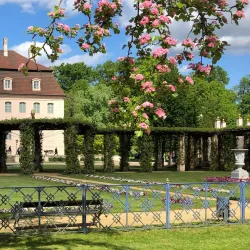
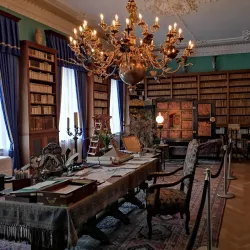
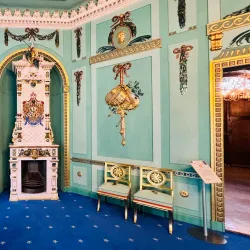
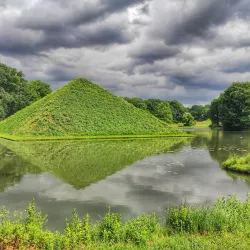
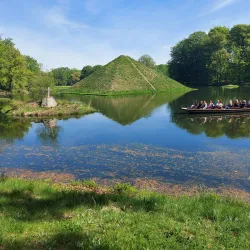
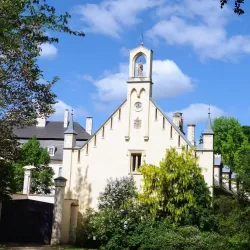
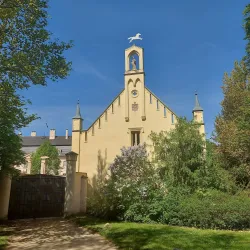
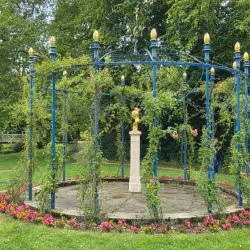
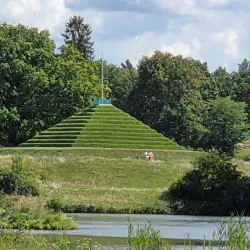
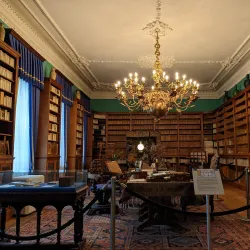
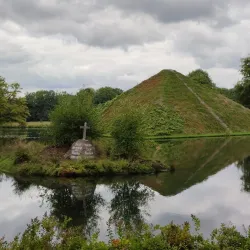
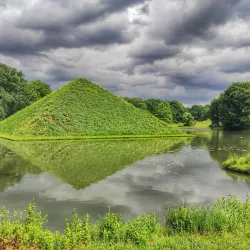
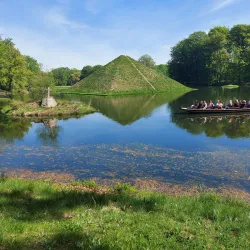
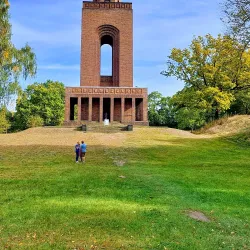
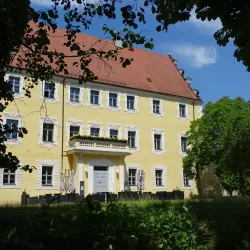
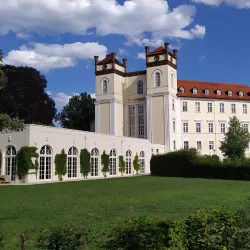
Branitz Park is a beautifully landscaped park surrounding the Branitz Palace, designed by the famous landscape architect Hermann von Pückler-Muskau. The park features unique pyramid-shaped burial mounds, water features, and exotic plants, making it a serene and picturesque place to explore.
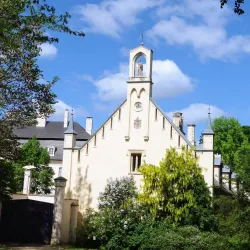
The Branitz Palace itself houses a museum showcasing the life and work of Pückler-Muskau, along with art exhibitions and cultural events.
Staatstheater Cottbus
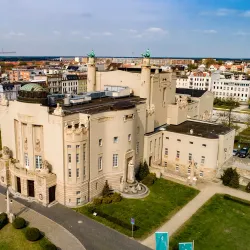
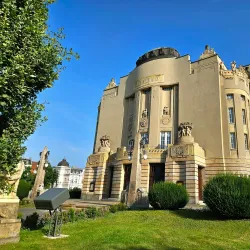
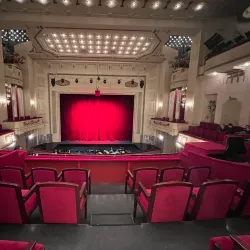
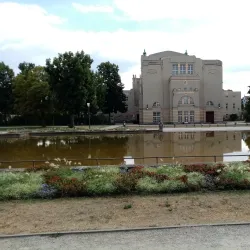
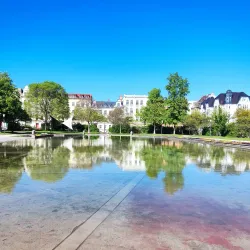
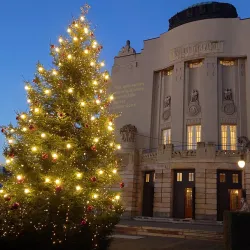
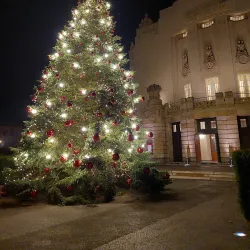
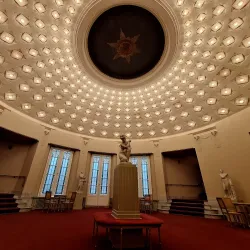
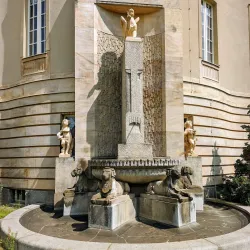
The State Theater of Cottbus is a prominent cultural institution offering a variety of performances including opera, ballet, drama, and concerts. It is known for its high-quality productions and serves as a cultural hub for the city and surrounding region.
The theater building is architecturally significant and hosts numerous events throughout the year, attracting both locals and visitors.
Spremberger Turm
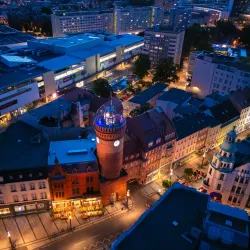
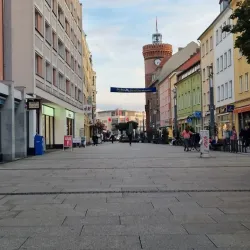
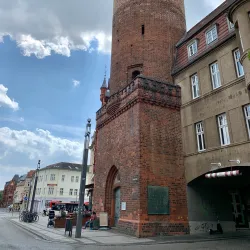
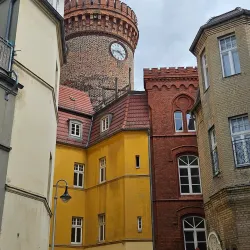
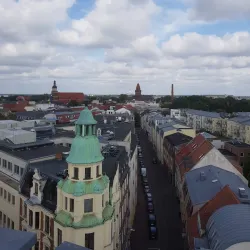
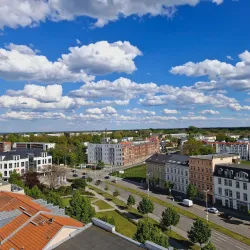
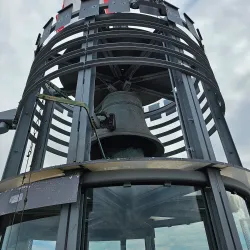
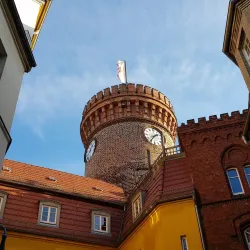
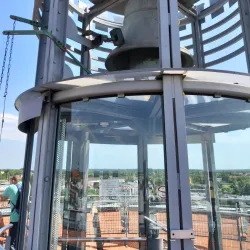
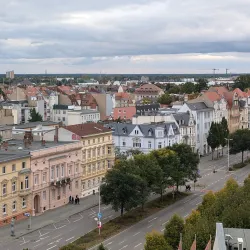
The Spremberger Tower is a historic medieval tower that once formed part of the city’s fortifications. It is one of the few remaining structures from Cottbus’s old defensive walls and offers insight into the city’s medieval past.
Visitors can admire the tower’s architecture and learn about the history of Cottbus through informational displays.
Cottbus Zoo
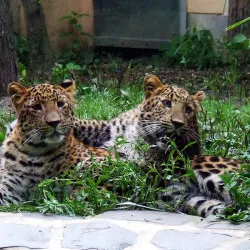
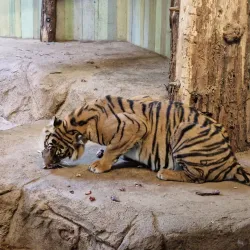
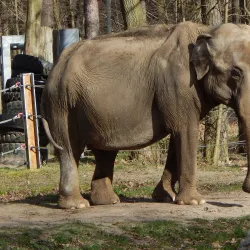
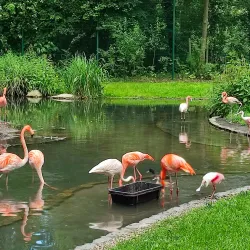
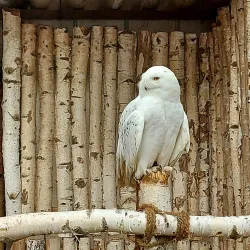

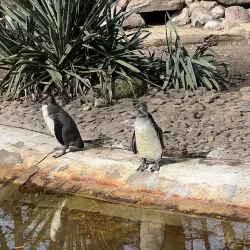
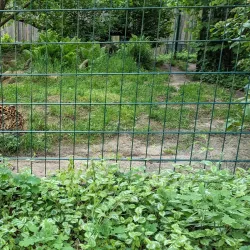
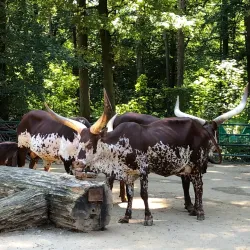
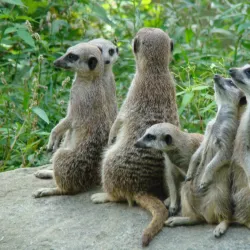
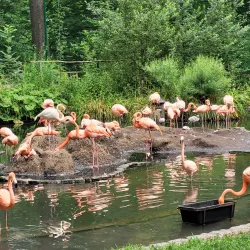
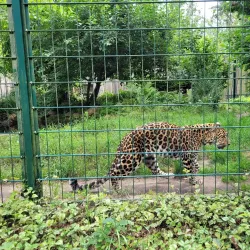
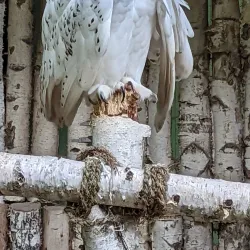
Cottbus Zoo is a family-friendly attraction featuring a wide variety of animals from around the world. It focuses on conservation and education, providing visitors with opportunities to learn about wildlife and environmental protection.
The zoo is well-maintained and offers interactive exhibits, making it a popular destination for families and animal lovers.
Museum of Lower Sorbian Culture
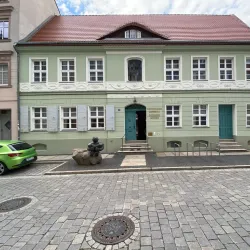
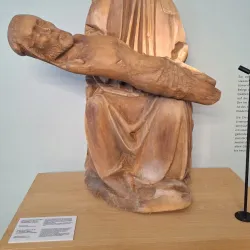
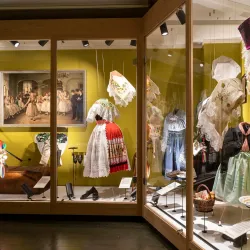
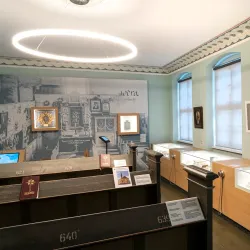
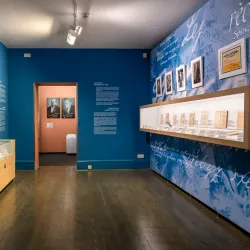
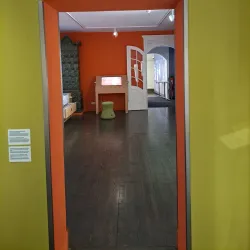

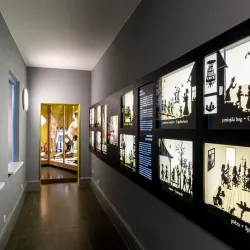
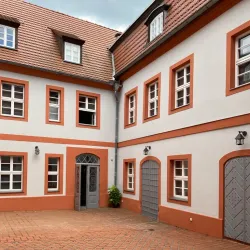
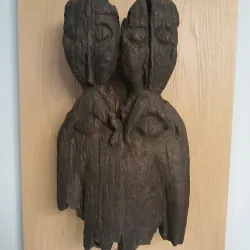
This museum is dedicated to the history, culture, and traditions of the Sorbian people, a Slavic minority in the region. It features exhibits on Sorbian language, crafts, folklore, and daily life.
The museum provides a unique cultural perspective and helps preserve the heritage of the Sorbian community in Cottbus and Brandenburg.
Altmarkt (Old Market Square)
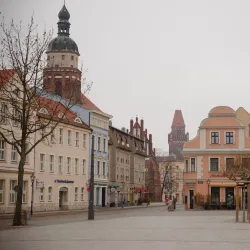
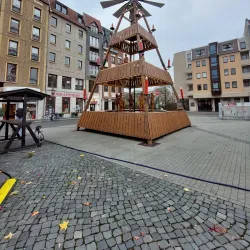
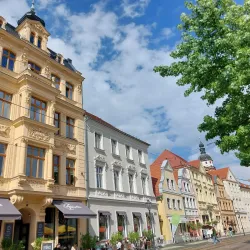
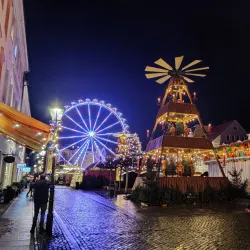
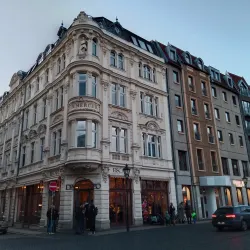
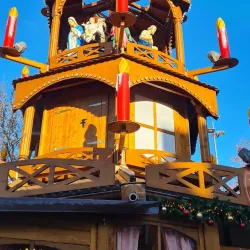
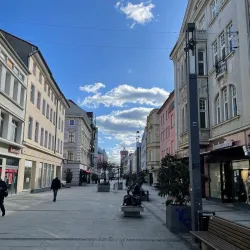
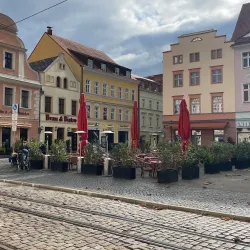
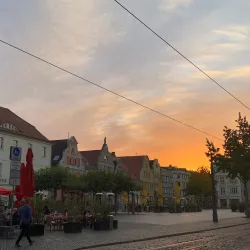
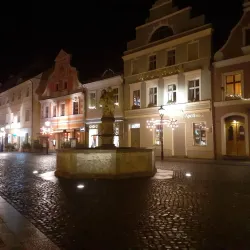
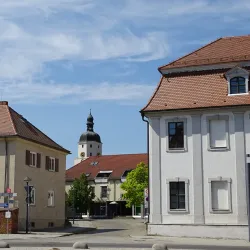
The Altmarkt is the historic heart of Cottbus, surrounded by charming buildings, shops, cafes, and restaurants. It is a lively area where locals and visitors gather for markets, festivals, and social events.
The square is notable for its traditional architecture and vibrant atmosphere, making it a great place to experience the local culture.
St. Nikolai Church
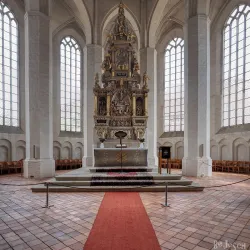
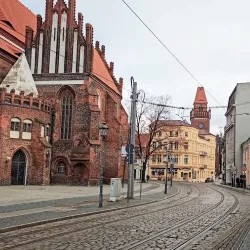
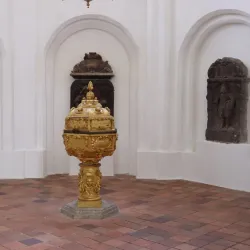
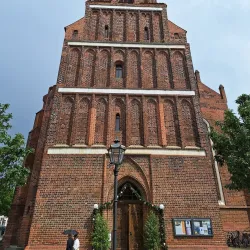
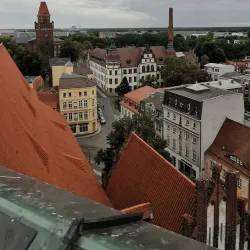
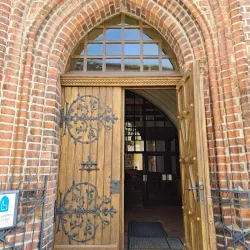
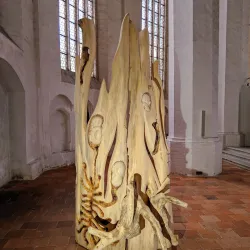
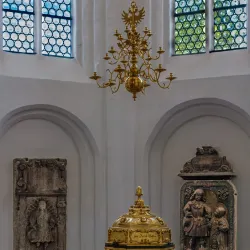
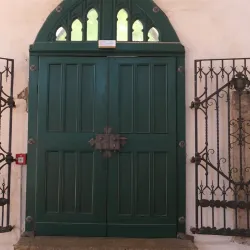
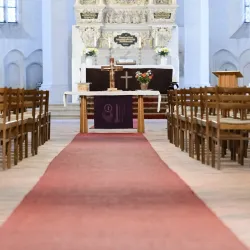
St. Nikolai Church is a significant religious and architectural landmark in Cottbus. The church features Gothic and Baroque elements and is known for its impressive interior and historic organ.
It remains an active place of worship and hosts concerts and cultural events, contributing to the city’s spiritual and cultural life.
Spreeauen Park
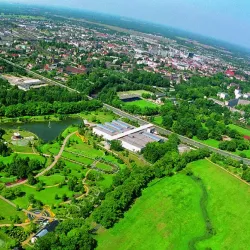
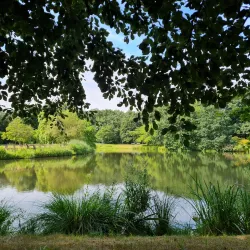
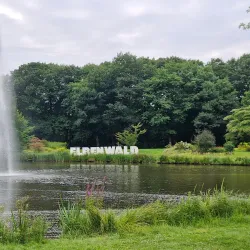
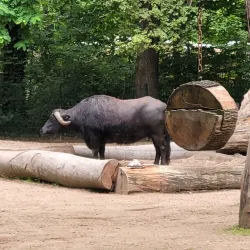
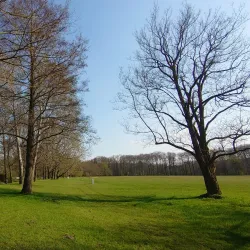
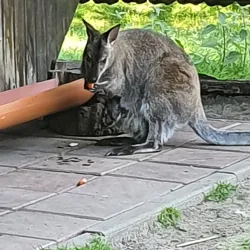
Spreeauen Park is a large green space along the Spree River, offering walking paths, picnic areas, and recreational facilities. It is ideal for outdoor activities and relaxation in a natural setting within the city.
The park is popular among locals for jogging, cycling, and family outings, providing a peaceful escape from urban life.
Pückler Museum Branitz
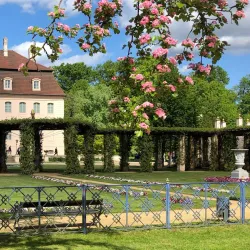
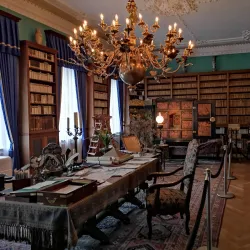
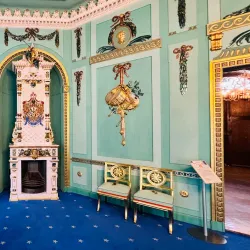
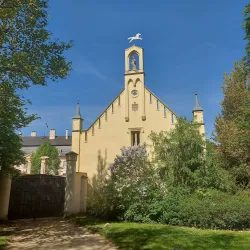
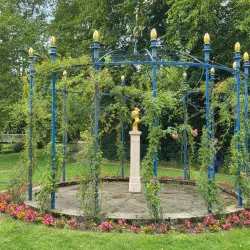
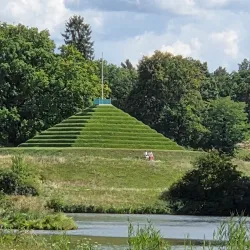
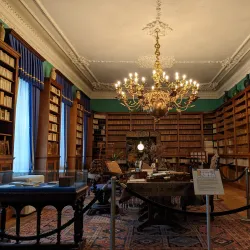
Located within Branitz Park, the Pückler Museum is dedicated to the life and work of Hermann von Pückler-Muskau, a notable landscape gardener and writer. The museum exhibits personal artifacts, manuscripts, and artworks related to Pückler’s legacy.
It offers visitors a deeper understanding of the cultural and historical significance of Branitz and its creator.
Spreewald Biosphere Reserve
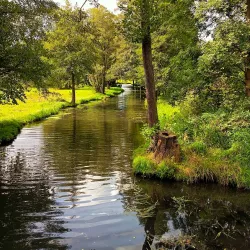
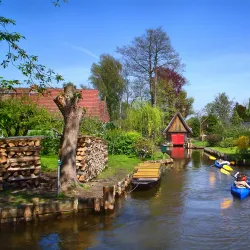
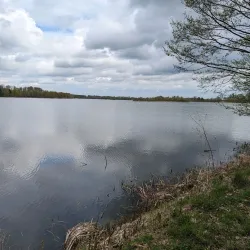
Just outside Cottbus, the Spreewald Biosphere Reserve is a unique natural area known for its network of waterways, traditional villages, and rich biodiversity. It is a UNESCO-designated biosphere reserve offering boat tours, hiking, and cycling.
The reserve provides a distinctive experience of nature and culture, showcasing traditional Sorbian customs and the region’s ecological importance.