Traffic in Fürth
Fürth, Germany, presents a unique transportation landscape with a blend of traditional and modern commuting methods.In 2024, the city continues to evolve its transportation infrastructure, focusing on sustainability and efficiency.Average Commute Times
More Information
Seasonal Trends
Traffic tends to increase during the summer months as tourists visit the city.
Winter months see a shift towards public transportation due to weather conditions.
Commuter Pain Points
Limited data availability makes it challenging to address specific commuter issues.
Potential congestion during peak hours remains a concern for residents.
Best Travel Times
Early mornings and late evenings are generally the best times to travel to avoid congestion.
Weekends typically see lighter traffic, making them ideal for leisurely travel.
Event Impacts
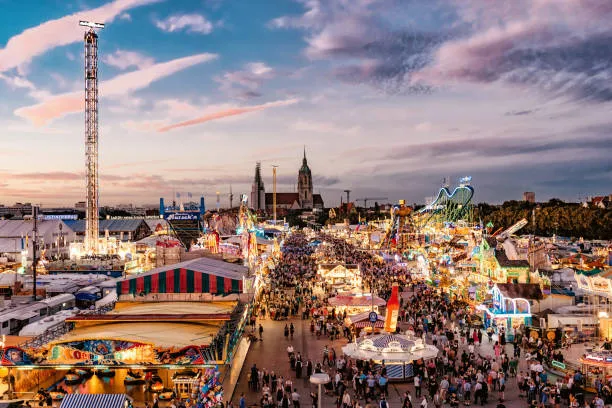
Public events, such as festivals and markets, can significantly impact traffic flow in the city center.
Residents are advised to use public transportation during major events to avoid delays.
Sustainability Efforts
Fürth is investing in green transportation initiatives, including expanding bicycle lanes and promoting electric vehicles.
The city is committed to reducing its carbon footprint through various environmental programs.
Ride-Sharing Impact
Ride-sharing services are gaining popularity, offering flexible commuting options for residents.
These services help reduce the number of private vehicles on the road, contributing to decreased traffic congestion.