Traffic in Neuruppin
Neuruppin, a picturesque town in Germany, presents a unique transportation landscape with its blend of historical charm and modern commuting needs.In 2024, Neuruppin's traffic data reveals a balanced approach to transportation, with efforts focused on sustainability and efficiency.Average Commute Times
More Information
Seasonal Trends
Traffic in Neuruppin tends to increase during the summer months due to tourism.
Winter months see a decrease in bicycle usage, with more reliance on public transport.
Commuter Pain Points
Limited data availability makes it challenging to pinpoint specific commuter issues.
Efforts are being made to gather more comprehensive traffic data to address commuter needs.
Best Travel Times
Early mornings and late evenings are generally the best times to travel to avoid potential congestion.
Weekends typically see less traffic, making them ideal for longer commutes.
Event Impacts
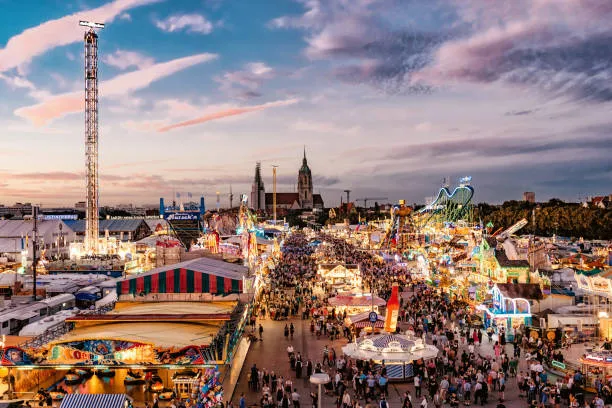
Public events in Neuruppin can lead to temporary traffic congestion, particularly in the city center.
Event organizers are encouraged to coordinate with local authorities to manage traffic flow effectively.
Sustainability Efforts
Neuruppin is investing in green transportation initiatives, including the promotion of cycling and public transport.
The city is exploring renewable energy sources to power public transport systems.
Ride-Sharing Impact
Ride-sharing services are gradually gaining popularity in Neuruppin, offering flexible commuting options.
These services help reduce the number of private vehicles on the road, contributing to lower emissions.