Things to do in Potsdam
Potsdam, the capital city of Brandenburg, Germany, is renowned for its historical significance, architectural beauty, and lush landscapes. Located just outside Berlin, Potsdam offers a unique blend of royal heritage and natural charm, making it a popular destination for history buffs, art lovers, and nature enthusiasts alike.The city is famous for its palaces and gardens, many of which are UNESCO World Heritage Sites. Visitors can explore a variety of neighborhoods, each with its own character, from the historic Dutch Quarter to the serene lakeside areas.Sanssouci Palace
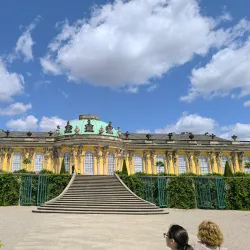
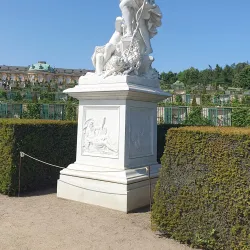
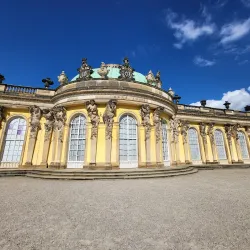
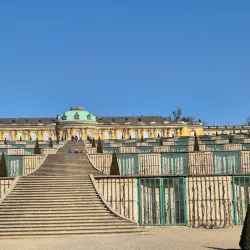
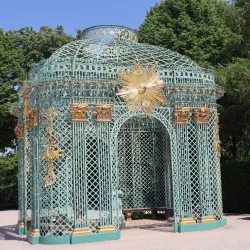
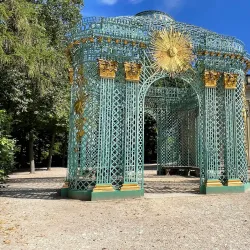
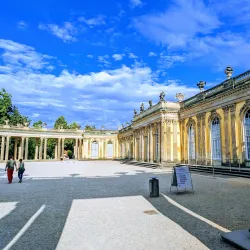
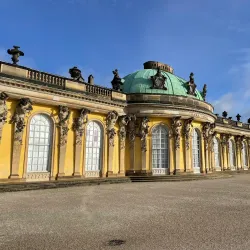
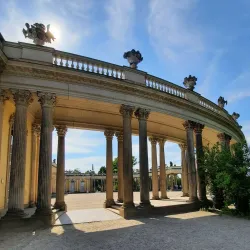
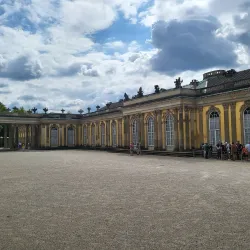
Sanssouci Palace is the former summer palace of Frederick the Great, King of Prussia. It is renowned for its Rococo architecture and beautifully landscaped terraced gardens. The palace and its grounds are a UNESCO World Heritage Site and a symbol of Prussian grandeur.
Visitors can tour the opulent interiors, stroll through the extensive gardens, and enjoy panoramic views of the city from the palace terraces.
Park Sanssouci
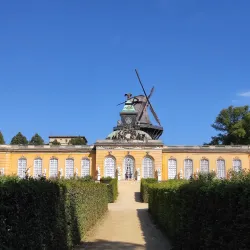
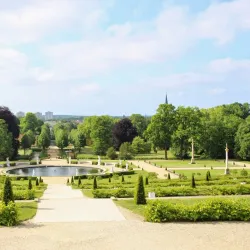
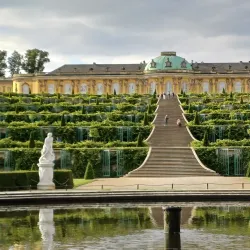
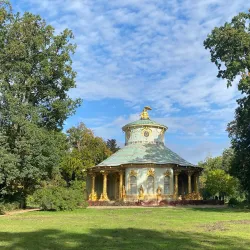
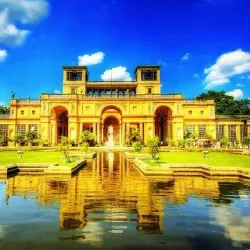

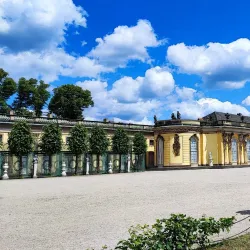


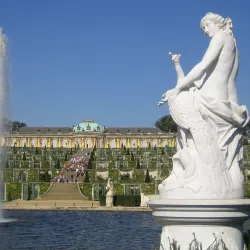
Park Sanssouci surrounds the Sanssouci Palace and is one of the most famous parks in Germany. It features a variety of gardens, fountains, sculptures, and other palaces such as the New Palace and the Orangery Palace.
The park is ideal for walking, cycling, and picnicking, offering visitors a peaceful retreat with stunning views and historical landmarks.
New Palace (Neues Palais)
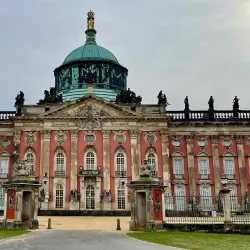
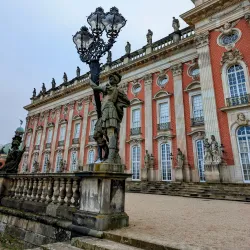


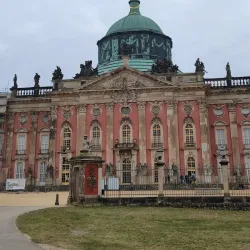

The New Palace is a grand Baroque palace located at the western end of Park Sanssouci. Built in the 18th century, it served as a royal residence and a venue for state functions.
The palace impresses with its lavish interiors, extensive art collections, and the grand Marble Hall. It is a highlight for visitors interested in royal history and architecture.
Dutch Quarter (Holländisches Viertel)
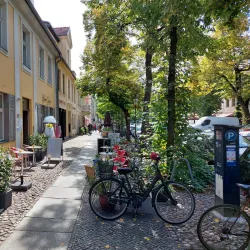
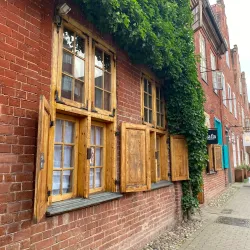
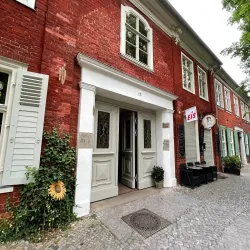
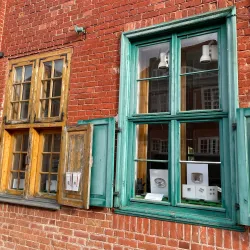
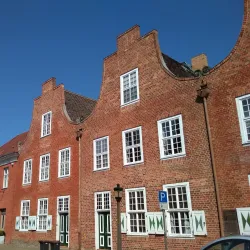
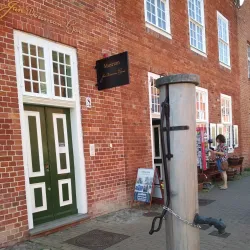
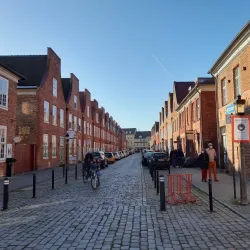
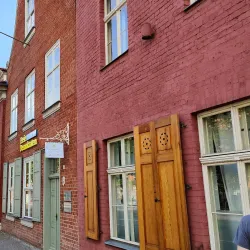
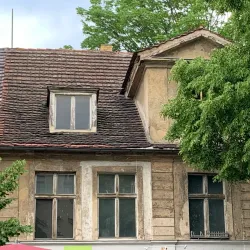
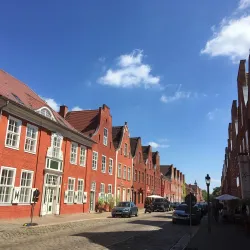
The Dutch Quarter is a unique neighborhood in Potsdam characterized by its red brick buildings and Dutch-style architecture. It was built in the 18th century to house Dutch craftsmen brought to Potsdam by Frederick William I.
Today, the area is vibrant with cafes, shops, galleries, and cultural events, making it a lively spot for both locals and tourists.
Cecilienhof Palace
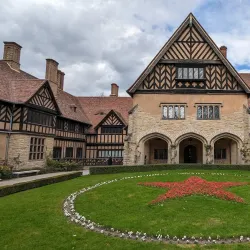
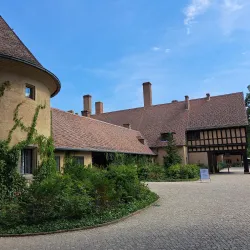
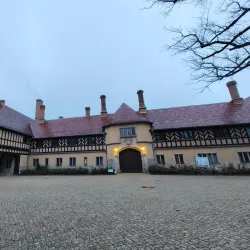
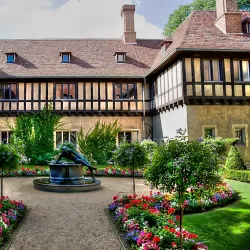
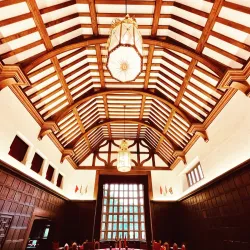
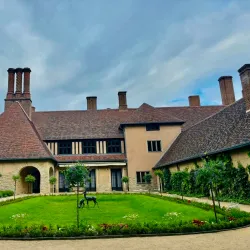
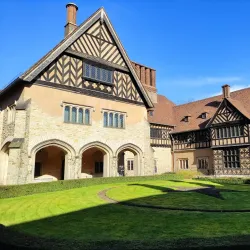
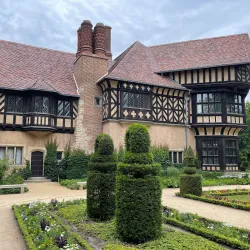
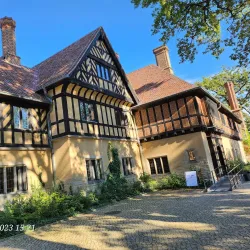
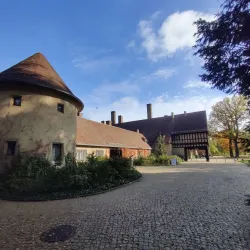
Cecilienhof Palace is famous as the site of the Potsdam Conference in 1945, where Allied leaders met to decide post-World War II arrangements. The palace is built in the English Tudor style and surrounded by a large park.
Visitors can explore the historic rooms, learn about the conference, and enjoy the peaceful gardens and nearby lakes.
Babelsberg Park and Palace
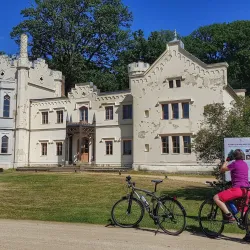
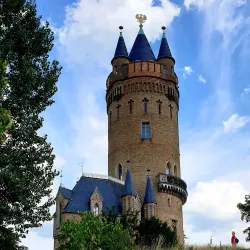
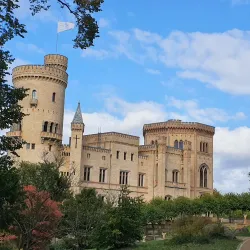
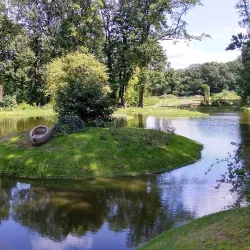
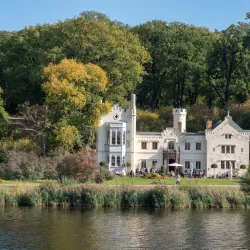
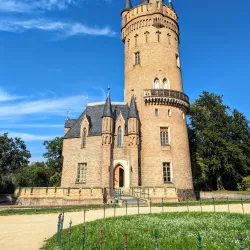
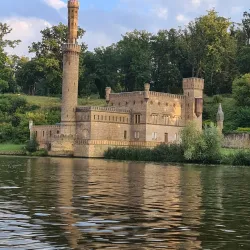
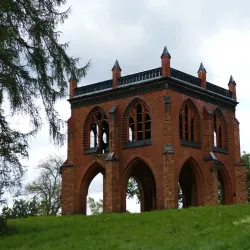
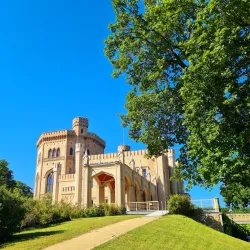
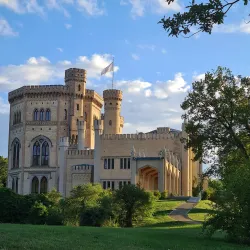
Babelsberg Park is a picturesque landscape park featuring the Gothic Revival Babelsberg Palace. The palace was the residence of Prince William, later Emperor Wilhelm I.
The park offers scenic walking paths, views of the Havel River, and a glimpse into 19th-century aristocratic life.
Film Museum Potsdam
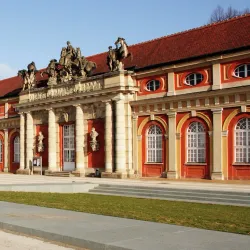
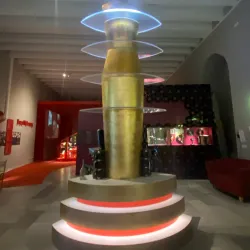
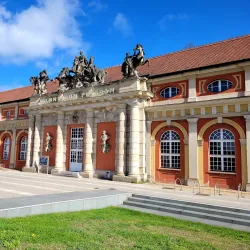
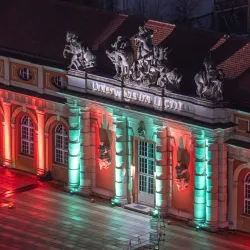

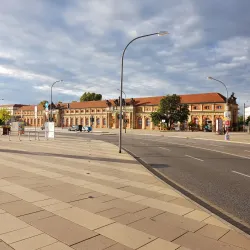
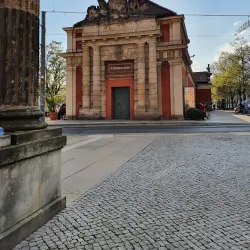
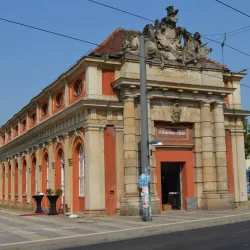
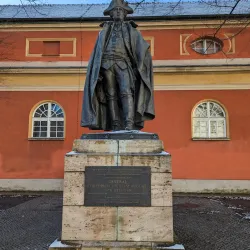
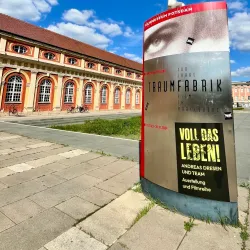
The Film Museum Potsdam showcases the history of German cinema, with a focus on the Babelsberg Film Studio, one of the oldest large-scale film studios in the world.
Exhibits include film memorabilia, interactive displays, and screenings, making it a must-visit for film enthusiasts.
St. Nicholas' Church (Nikolaikirche)
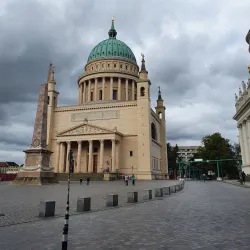
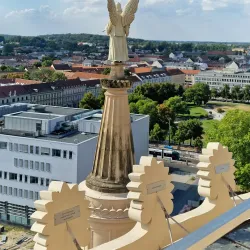
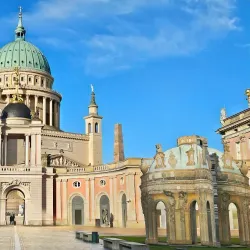

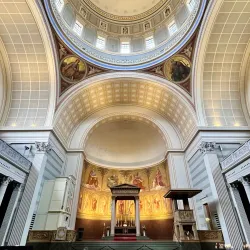
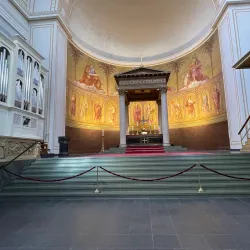
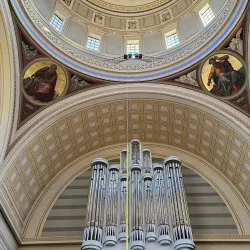
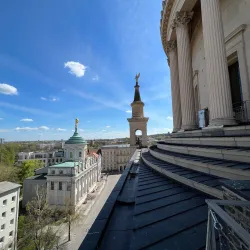
St. Nicholas' Church is a prominent landmark in Potsdam’s city center, known for its impressive neoclassical architecture and large dome.
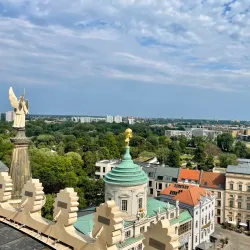
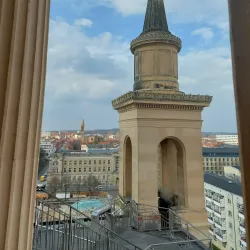
The church hosts regular services, concerts, and offers visitors the chance to climb the dome for panoramic views of Potsdam.
Glienicke Bridge
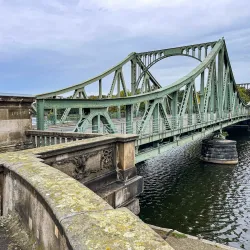
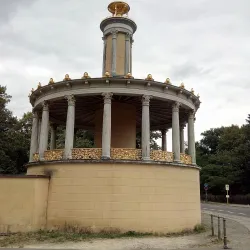
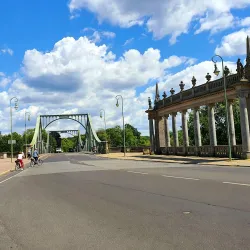
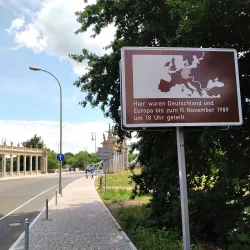
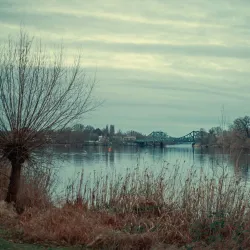
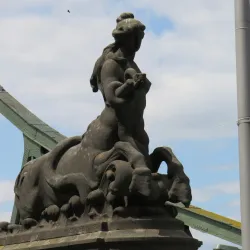
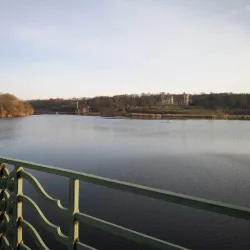
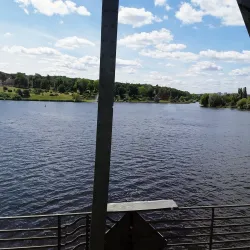
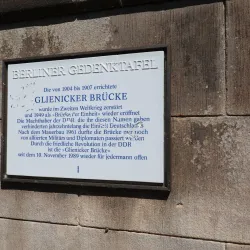
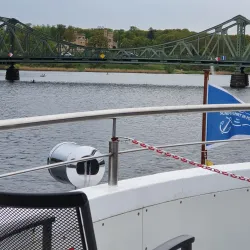
The Glienicke Bridge, also known as the 'Bridge of Spies,' connects Potsdam with Berlin and is famous for Cold War spy exchanges between the East and West.
The bridge offers historical significance and scenic views over the Havel River, attracting history buffs and photographers.
Orangery Palace (Orangerieschloss)
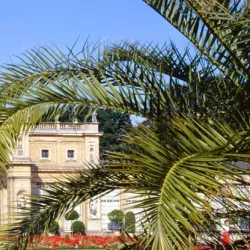
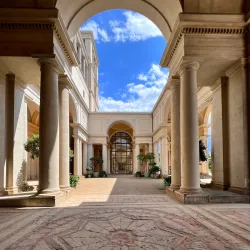
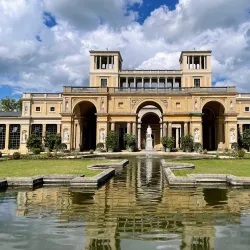
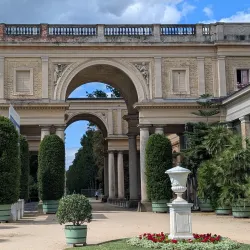
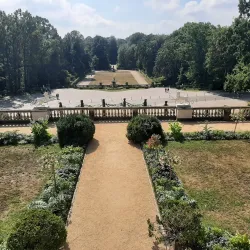

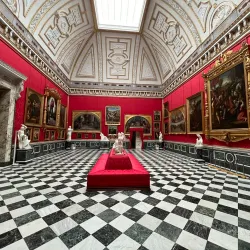


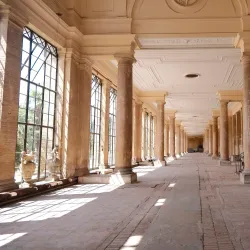
The Orangery Palace is located in Park Sanssouci and features Italian Renaissance-style architecture. It was built to house exotic plants and serve as a royal residence.
The palace includes beautiful gardens, a greenhouse, and art exhibitions, providing a cultural and botanical experience.