Traffic in Soest
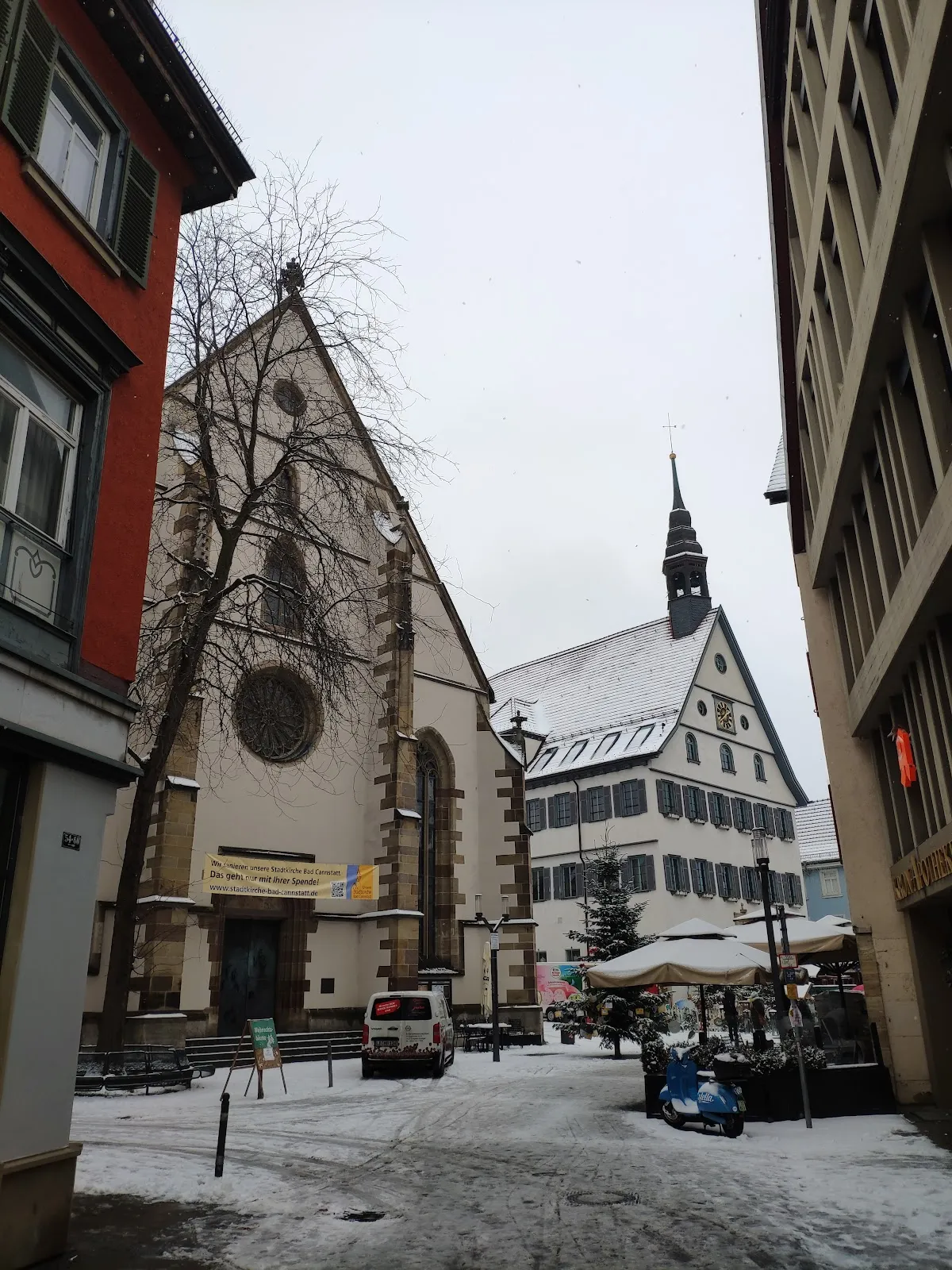
Soest, a picturesque town in Germany, is known for its historical charm and efficient transportation network.In 2024, Soest continues to maintain a balance between modern transportation needs and sustainability efforts.Average Commute Times
More Information
Seasonal Trends
Traffic tends to increase during the summer months as tourists visit Soest's historical sites.
Winter months see a slight decrease in traffic due to colder weather conditions.
Commuter Pain Points
Limited data makes it difficult to identify specific commuter challenges.
Potential issues could include parking availability and public transport frequency.
Best Travel Times
Early mornings and late evenings are generally the best times to travel to avoid potential congestion.
Weekends typically see less traffic compared to weekdays.
Event Impacts
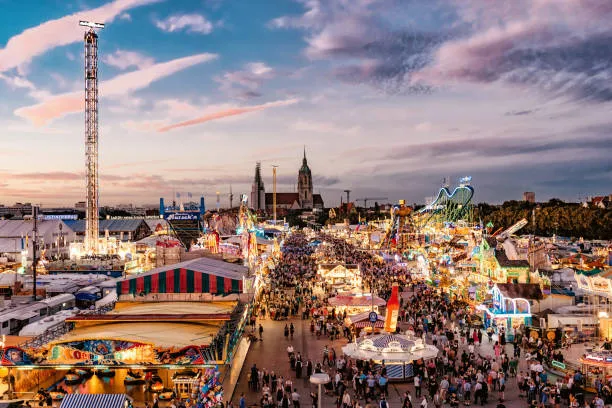
Public events such as the annual Soest Fair can lead to temporary increases in traffic congestion.
Local festivals and markets also contribute to higher traffic volumes during event days.
Sustainability Efforts
Soest is committed to enhancing its public transportation network to reduce reliance on cars.
The city is exploring green initiatives to lower its carbon footprint and promote eco-friendly travel.
Ride-Sharing Impact
Ride-sharing services are gradually gaining popularity in Soest, offering flexible travel options.
These services help reduce the number of cars on the road, contributing to lower traffic congestion.