Things to do in Trier
Trier, located in the Rhineland-Palatinate region of Germany, is renowned as one of the oldest cities in the country with a rich Roman heritage. It offers visitors a unique blend of ancient ruins, medieval buildings, and vibrant cultural experiences.The city is famous for its well-preserved Roman monuments, charming old town, and scenic surroundings along the Moselle River. Trier's neighborhoods feature a mix of historical sites, museums, and lively markets that attract tourists interested in history, architecture, and local culture.Porta Nigra
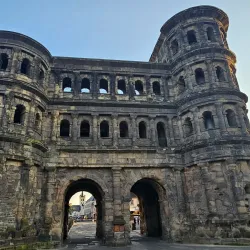
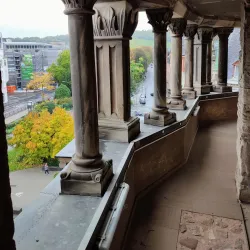
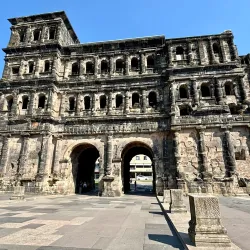
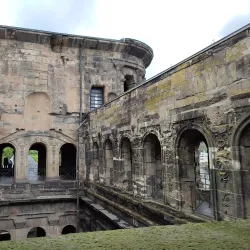
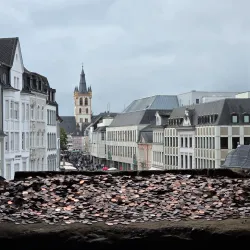
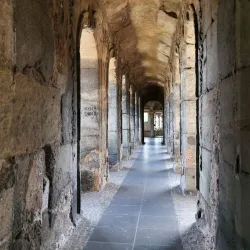
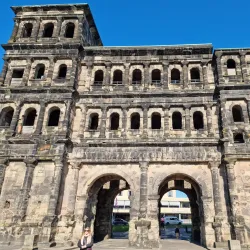
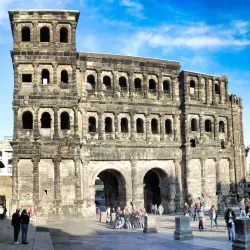
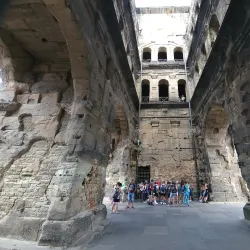
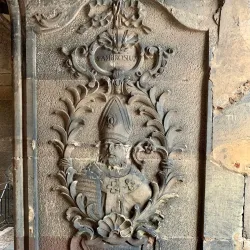
The Porta Nigra is the largest Roman city gate north of the Alps and a UNESCO World Heritage site. It dates back to the 2nd century AD and is remarkably well-preserved, offering insight into Roman engineering and city defense.
Visitors can explore the gate's interior and climb to the upper levels for panoramic views of Trier.
Trier Cathedral (Trierer Dom)
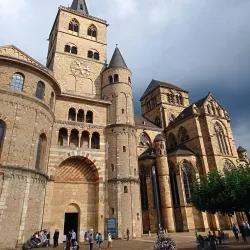
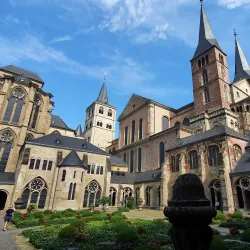
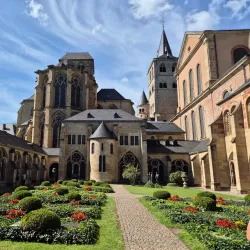
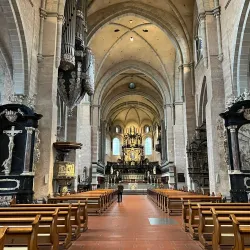
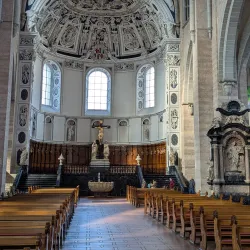
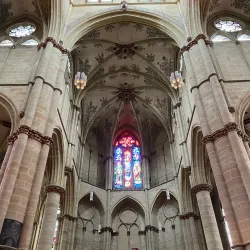
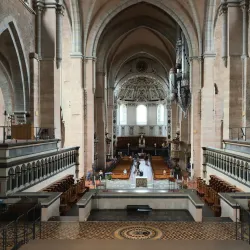
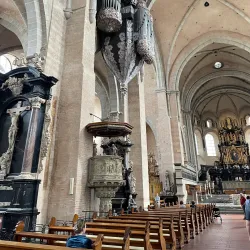
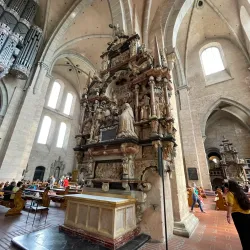
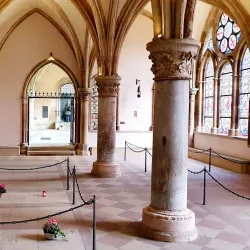
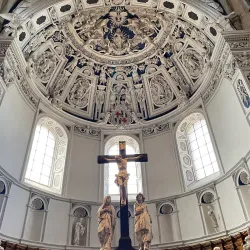
Trier Cathedral is Germany's oldest cathedral, with origins dating back to Roman times. It features a mix of Romanesque and Gothic architecture and houses important religious relics, including the Holy Tunic.
The cathedral is a central landmark in Trier's old town and a place of significant historical and spiritual importance.
Roman Imperial Baths (Kaiserthermen)
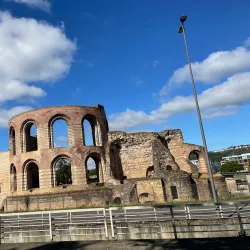


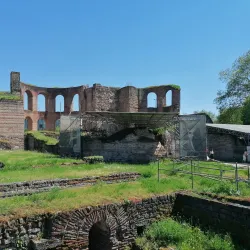

The Roman Imperial Baths are extensive ruins of a large bathing complex built in the 4th century AD. They provide a glimpse into the luxurious lifestyle of Roman elites in Trier.
The site includes impressive brickwork and foundations, with informative displays explaining the baths' function and history.
Aula Palatina (Basilica of Constantine)
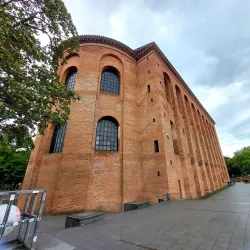
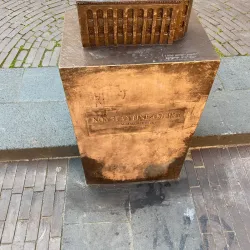
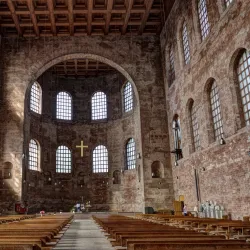
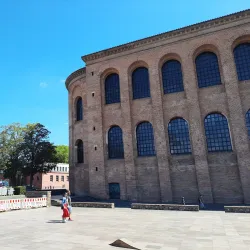
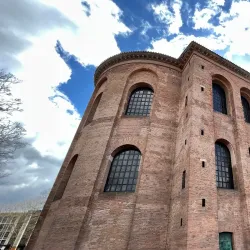
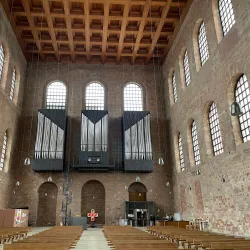
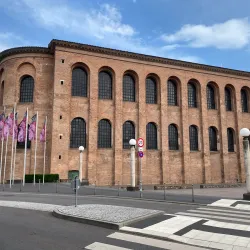
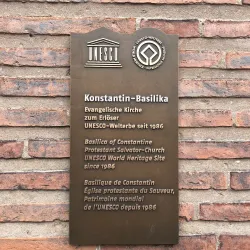
The Aula Palatina, also known as the Basilica of Constantine, is a massive Roman palace basilica built in the early 4th century. It is notable for its vast interior space and well-preserved structure.
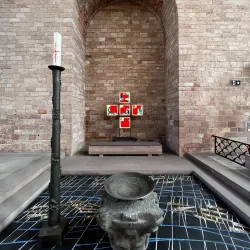
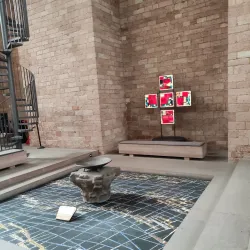
Today, it serves as a Protestant church and is a striking example of Roman architecture still in use.
Roman Bridge (Römerbrücke)
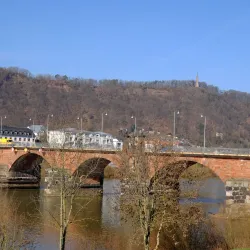
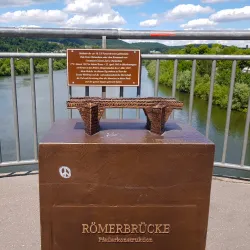

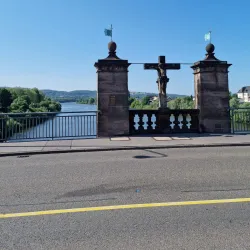
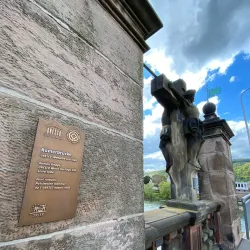
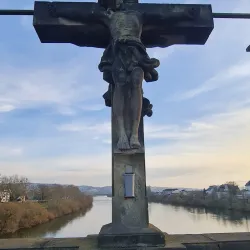
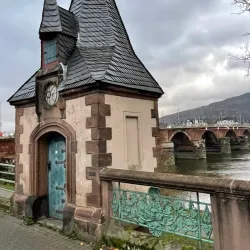
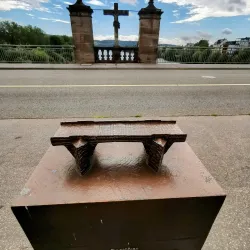
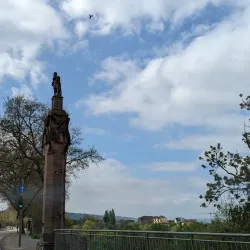

The Roman Bridge over the Moselle River is the oldest standing bridge in Germany, originally constructed in the 2nd century AD. It remains in use today and is a testament to Roman engineering.
The bridge offers scenic views of the river and the city, connecting Trier's historic center with the opposite bank.
Liebfrauenkirche (Church of Our Lady)
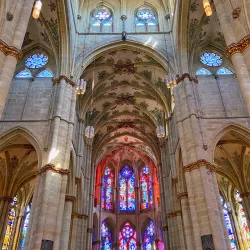
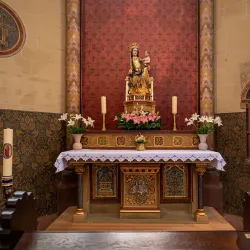
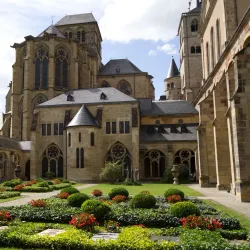
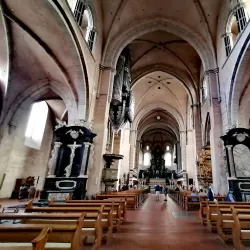
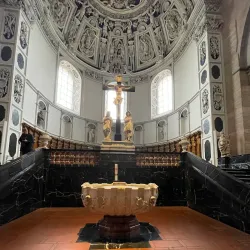
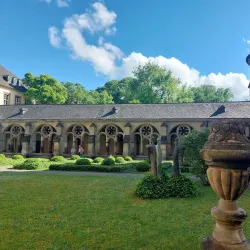
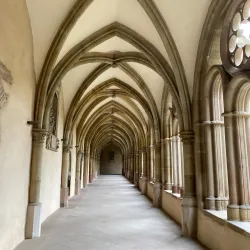
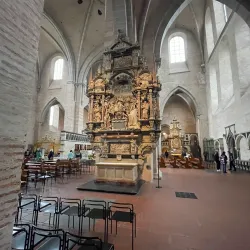
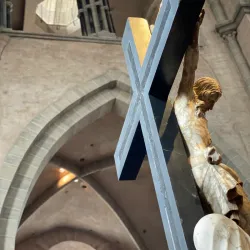
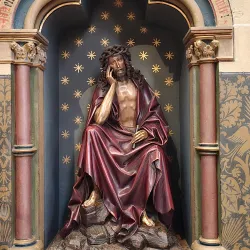
Liebfrauenkirche is one of the earliest Gothic churches in Germany, located adjacent to Trier Cathedral. It is known for its elegant architecture and beautiful stained glass windows.
The church is part of the UNESCO World Heritage ensemble in Trier and holds significant religious and artistic value.
Rheinisches Landesmuseum Trier

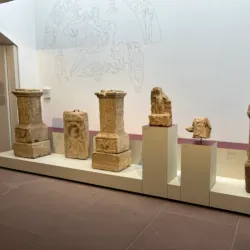
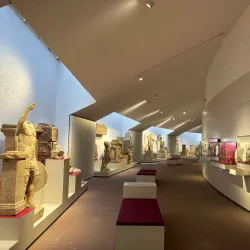
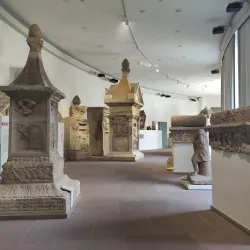
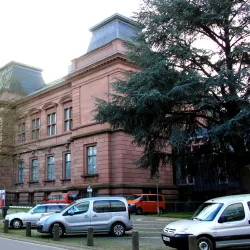
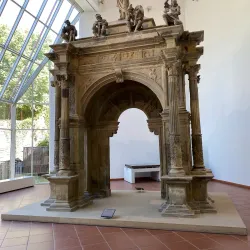
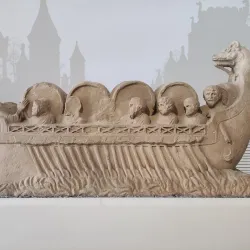
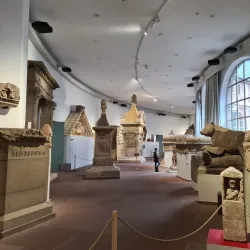
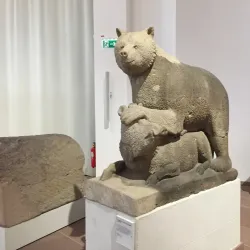
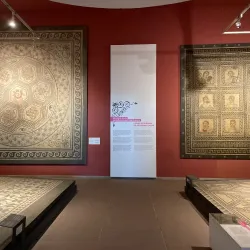
The Rheinisches Landesmuseum is one of Germany's most important archaeological museums, showcasing artifacts from Trier's Roman past and the surrounding region.
Exhibits include mosaics, sculptures, jewelry, and everyday items that illustrate life in ancient times.
Electoral Palace (Kurfürstliches Palais)
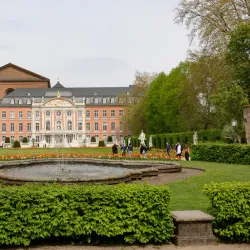
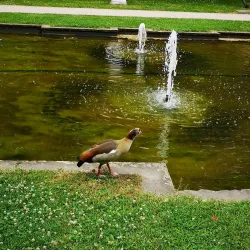
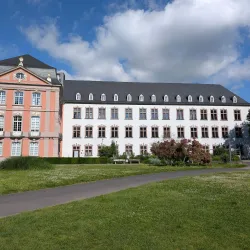
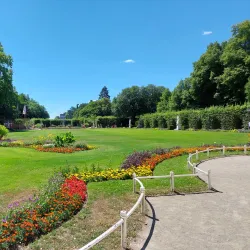
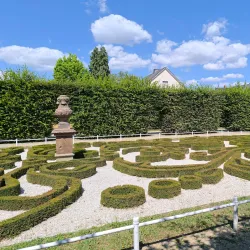
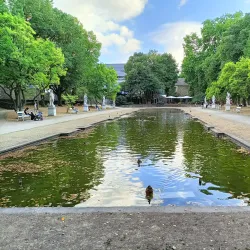
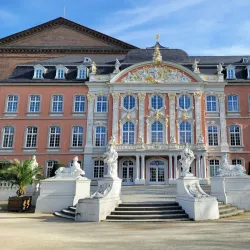
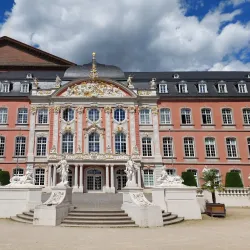
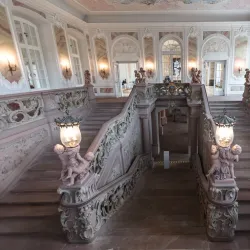
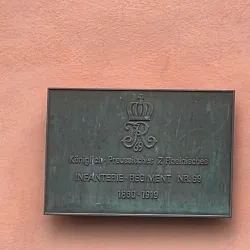
The Electoral Palace is a baroque palace built in the 18th century, featuring beautiful gardens and an impressive façade. It was the residence of the prince-electors of Trier.
The palace grounds are a popular spot for relaxation and cultural events, offering a glimpse into Trier's aristocratic history.
Karl Marx House
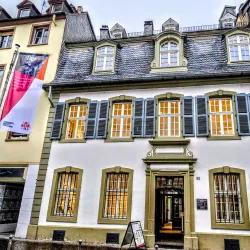
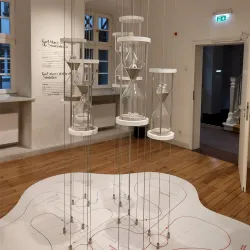
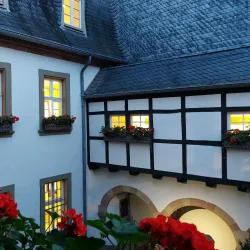
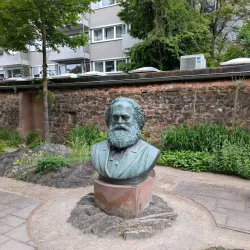
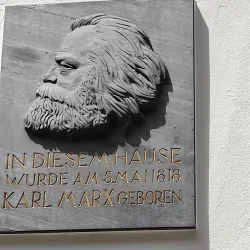
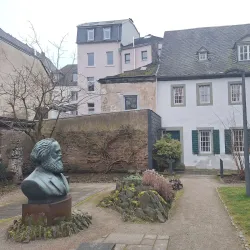
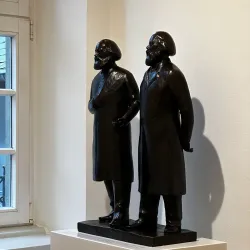
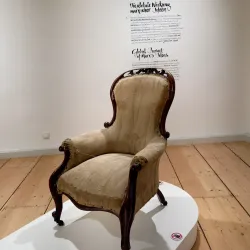
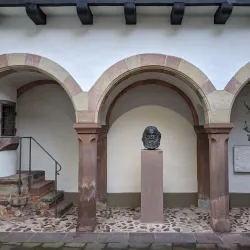
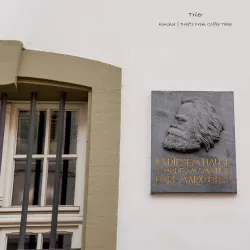
The Karl Marx House is the birthplace of the famous philosopher Karl Marx, now a museum dedicated to his life and works.
The museum provides historical context about Marx's ideas and their impact on political thought worldwide.
Hauptmarkt (Main Market Square)
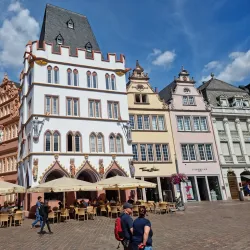
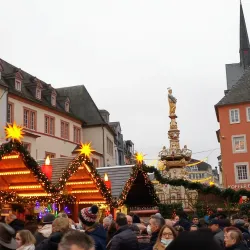
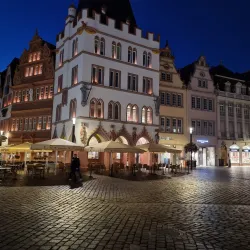
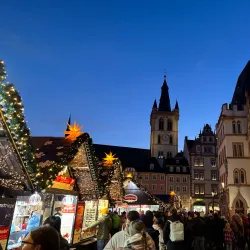
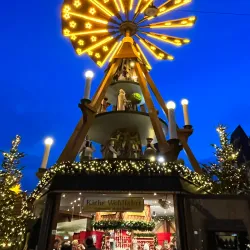
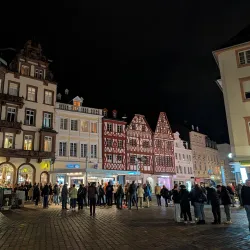
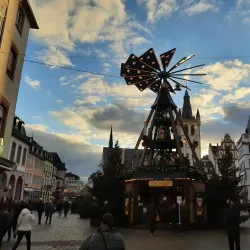
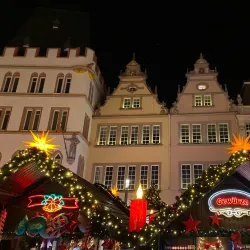
The Hauptmarkt is the vibrant central square of Trier's old town, surrounded by historic buildings, shops, and cafes.
It hosts regular markets and festivals, making it a lively place to experience local culture and cuisine.