Things to do in Ulm
Ulm is a historic city located in the state of Baden-Württemberg, Germany, known for its rich cultural heritage and stunning architecture. Situated on the banks of the Danube River, Ulm offers visitors a blend of medieval charm and modern vibrancy.The city is famous for its impressive Gothic Ulm Minster, which boasts the tallest church steeple in the world. Ulm's charming old town features narrow streets, historic buildings, and a variety of museums and cultural sites that reflect its long history and significance as a center of trade and learning.Ulm Minster (Ulmer Münster)


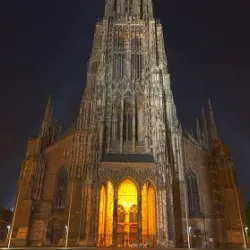


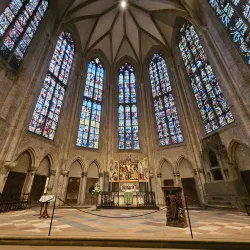
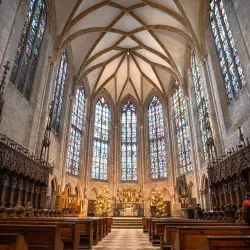
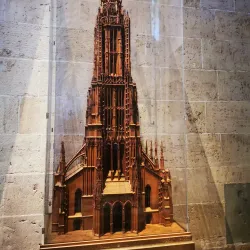
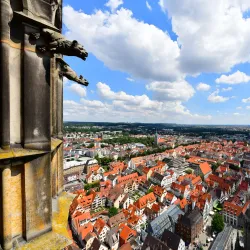

Ulm Minster is the city's most iconic landmark, renowned for having the tallest church steeple in the world at 161.5 meters. This Gothic masterpiece took over 600 years to complete and offers visitors the chance to climb the steeple for panoramic views of Ulm and the surrounding region.
The interior of the church is equally impressive, featuring beautiful stained glass windows, intricate woodwork, and a peaceful atmosphere for reflection.
Fishermen's Quarter (Fischerviertel)
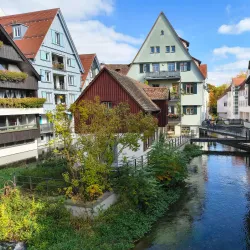

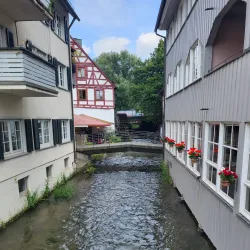
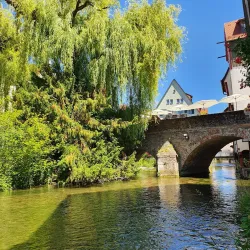
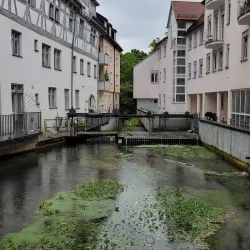
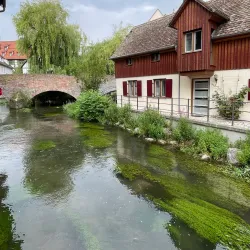
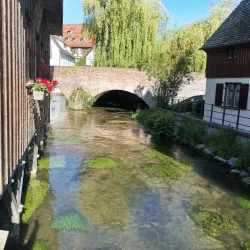

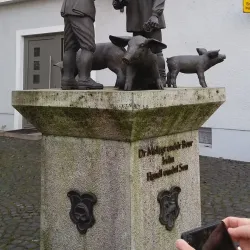

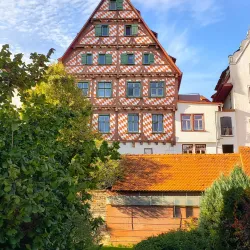
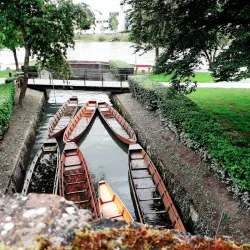
The Fishermen's Quarter is a picturesque area of Ulm characterized by narrow cobblestone streets, half-timbered houses, and charming canals. Historically home to the city's fishermen and tanners, it is now a lively neighborhood filled with cafes, restaurants, and shops.
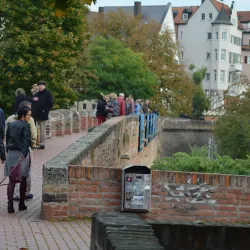
Visitors can enjoy leisurely walks along the water, explore quaint bridges, and soak in the medieval ambiance that makes this quarter a favorite among tourists.
Museum Ulm
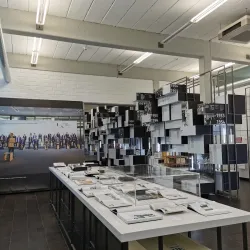


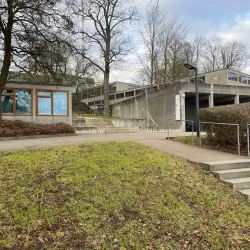
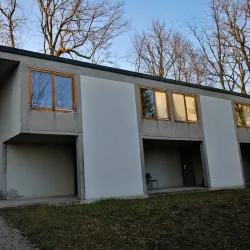
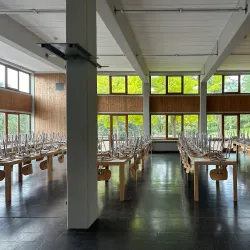

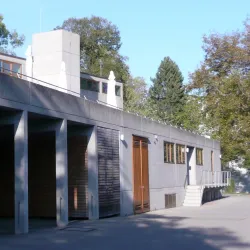
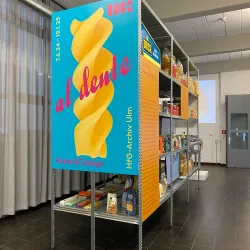

Museum Ulm is a cultural institution showcasing a diverse collection of art and archaeological finds. It features works from the Middle Ages to contemporary art, including pieces by notable artists such as Picasso and Chagall.
The museum also highlights the region's history through archaeological exhibits, making it a great place to learn about Ulm's past and artistic heritage.
Danube River Promenade
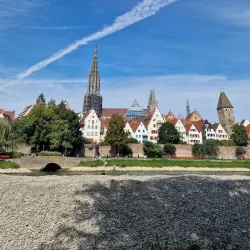

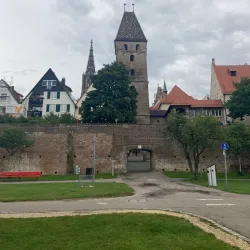
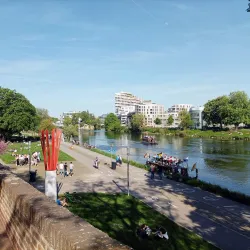



The Danube River Promenade offers scenic walking paths along the riverbank, perfect for relaxing strolls, cycling, and enjoying the natural beauty of the area. The promenade provides lovely views of the river and the city skyline, especially at sunset.
It is a popular spot for locals and visitors alike to unwind and experience the tranquil side of Ulm away from the bustling city center.
Schiefes Haus (Crooked House)
The Schiefes Haus is one of the most photographed buildings in Ulm, known for its distinctive leaning structure. This historic half-timbered house dates back to the 14th century and now houses a restaurant and beer garden.
Its unique architecture and charming setting make it a must-see for visitors exploring the old town.
Ulmer Museum

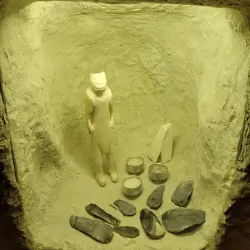
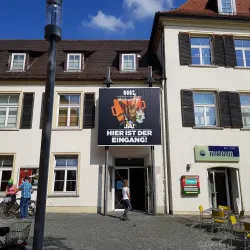
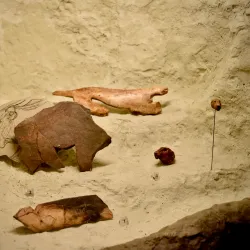
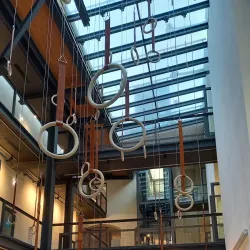


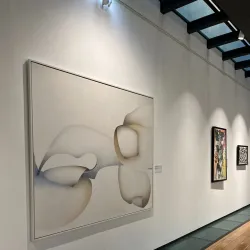


The Ulmer Museum offers a comprehensive look at the cultural history of Ulm and the surrounding region. Exhibits include medieval art, historical artifacts, and displays on the city's development over the centuries.
The museum is housed in a modern building that contrasts with the historic architecture of the city, providing an engaging experience for history enthusiasts.
Stadthaus Ulm
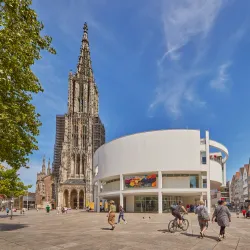


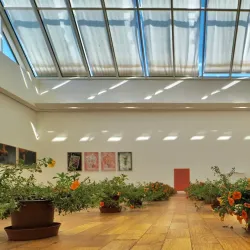


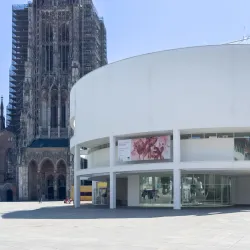
Stadthaus Ulm is a modern cultural and event center located near the city center. It hosts a variety of exhibitions, concerts, and community events throughout the year.
The building itself is an architectural highlight, blending contemporary design with functional public space, making it a hub for cultural activities in Ulm.
Botanical Garden Ulm
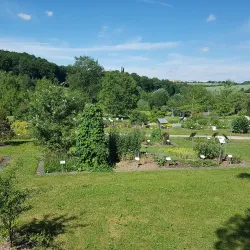
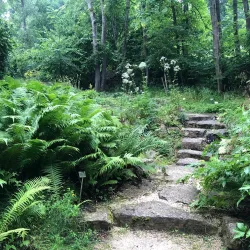
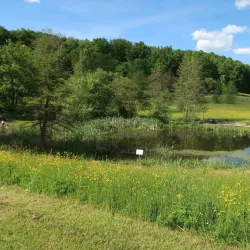
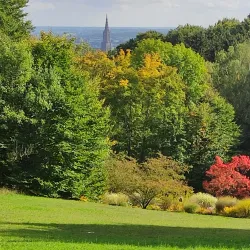


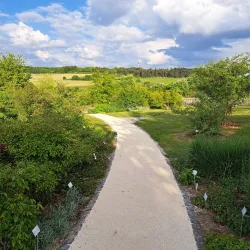


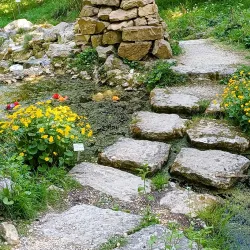
The Botanical Garden of Ulm University features a wide variety of plant species from around the world. It serves both as a research facility and a peaceful retreat for visitors interested in botany and nature.
The garden includes themed sections such as alpine plants, medicinal herbs, and tropical plants, providing educational opportunities and beautiful scenery.
Metzgerturm (Butchers' Tower)


The Metzgerturm is a historic tower located in the old town of Ulm. It is known for its distinctive leaning structure and is one of the city's medieval fortifications.
The tower offers insight into Ulm's defensive history and is a popular photo spot due to its unusual tilt and charming appearance.
Wilhelm Maybach Museum
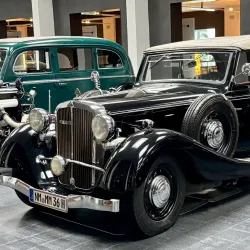
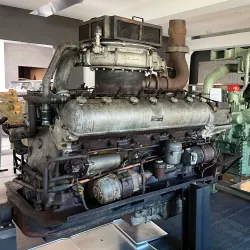

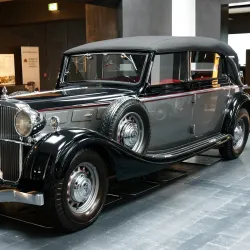



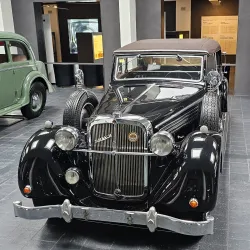
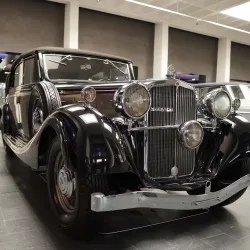
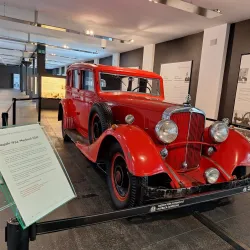
The Wilhelm Maybach Museum is dedicated to the life and work of Wilhelm Maybach, a pioneer in the automotive industry. The museum showcases early automobiles, engines, and technological innovations related to Maybach's contributions.
It provides an interesting perspective on industrial history and engineering, appealing to car enthusiasts and history buffs alike.