Things to do in Aigio
Aigio is a charming coastal town located in the northern part of the Peloponnese region in Greece. Known for its rich history, beautiful landscapes, and vibrant local culture, Aigio offers visitors a blend of archaeological sites, traditional architecture, and scenic views of the Gulf of Corinth.The town is a gateway to exploring the surrounding mountainous terrain, olive groves, and nearby beaches. Aigio's welcoming atmosphere and cultural heritage make it a notable destination for travelers interested in history, nature, and authentic Greek experiences.Church of Agios Nikolaos
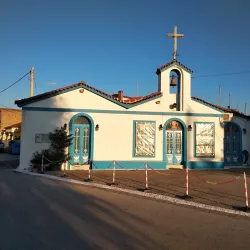


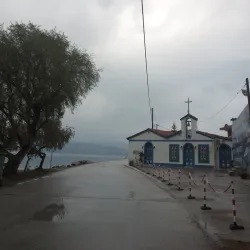

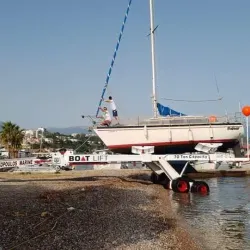

This historic Byzantine church is one of Aigio's most important religious sites, known for its impressive architecture and well-preserved frescoes. It offers insight into the town's religious and cultural history.
Archaeological Museum of Aigio
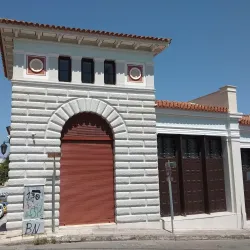
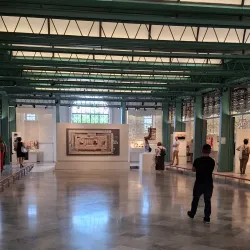
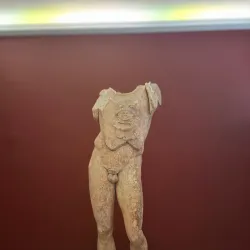
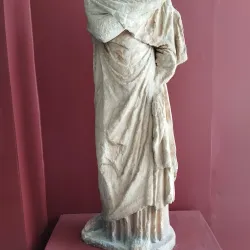

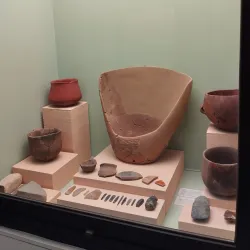
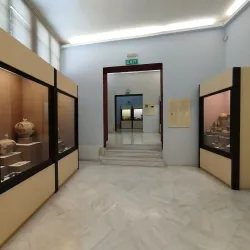
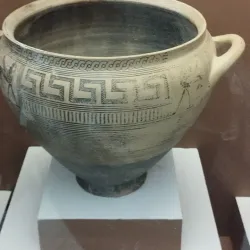
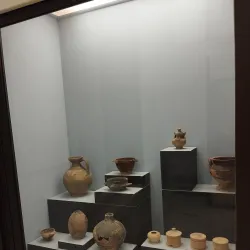
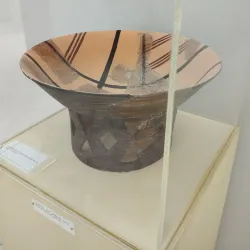
The museum houses artifacts from the surrounding region, including items from the ancient city of Aegium. Exhibits include pottery, sculptures, and tools that highlight the area's ancient heritage.
Ancient Theater of Aegium


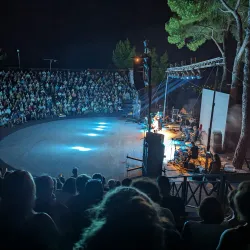
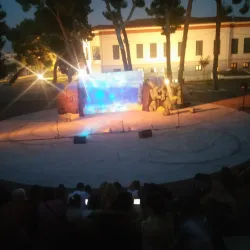






An archaeological site featuring the remains of an ancient Greek theater, offering a glimpse into the town's classical past. The site is a testament to the cultural and social life of ancient Aegium.
Aigio Beach
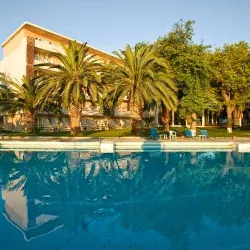
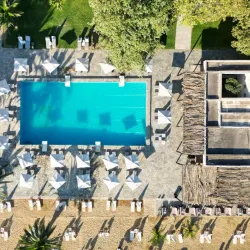

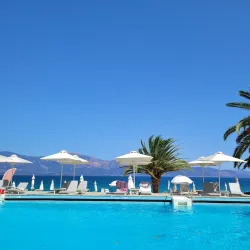

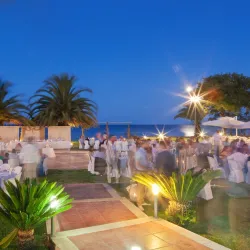


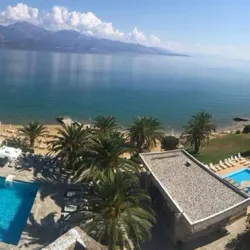

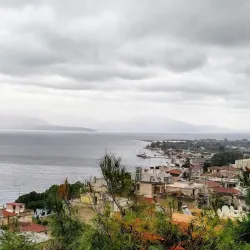
A popular spot for both locals and tourists, Aigio Beach provides a relaxing environment with clear waters and scenic views of the Gulf of Corinth. It is ideal for swimming, sunbathing, and water sports.
Monastery of Panagia Tripiti
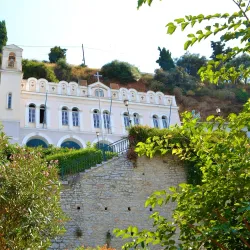
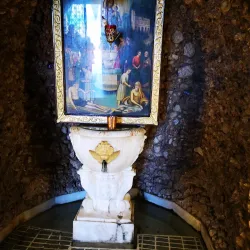
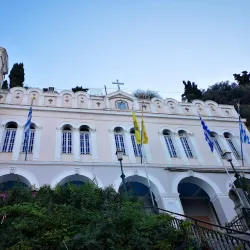

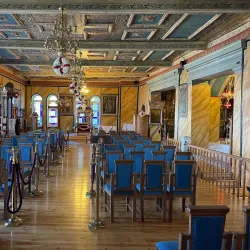
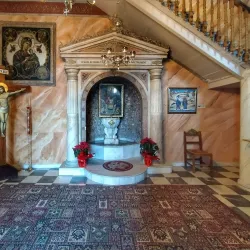
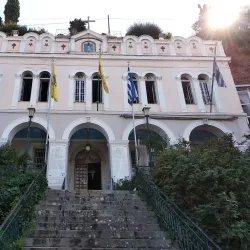
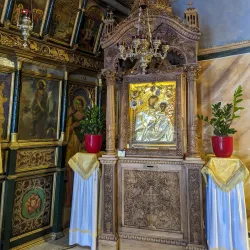
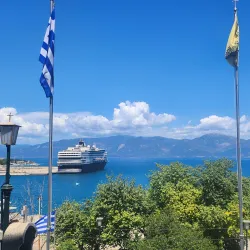

Located on a hill overlooking Aigio, this monastery is known for its serene atmosphere and beautiful views. It is a place of spiritual significance and offers visitors a peaceful retreat.
Olive Groves of Aigio


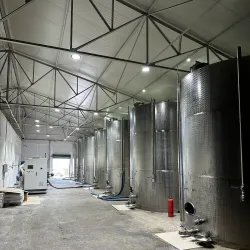



The region around Aigio is famous for its extensive olive groves, which produce some of Greece's finest olive oil. Visitors can explore these groves and learn about traditional olive cultivation methods.
Aigio Central Square (Plateia Agiou Nikolaou)
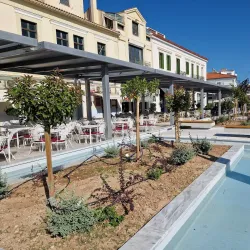


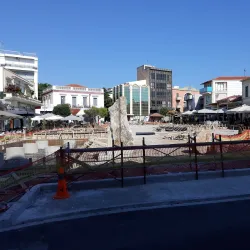
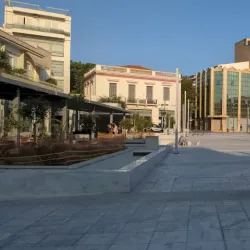


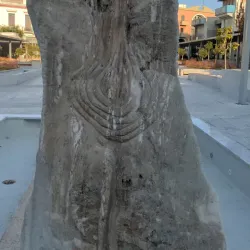

The lively central square is the heart of Aigio, surrounded by cafes, shops, and historic buildings. It is a great place to experience local life and enjoy traditional Greek hospitality.
Korinthos-Aigio Railway Station

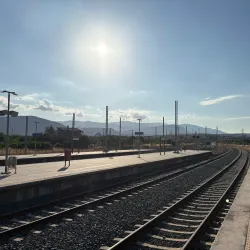
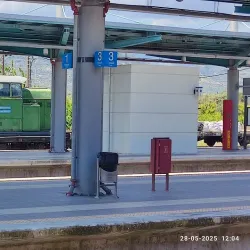



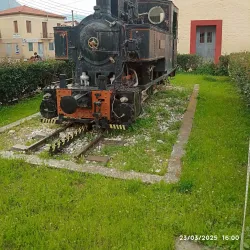


This historic railway station connects Aigio with other parts of Greece and is notable for its architectural style and role in regional transportation history.
Aigio Port


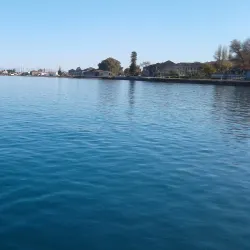
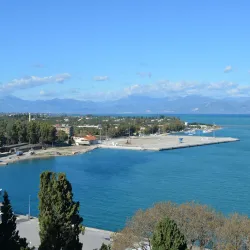

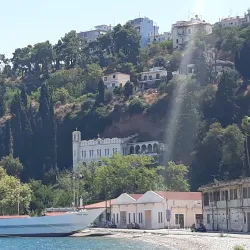


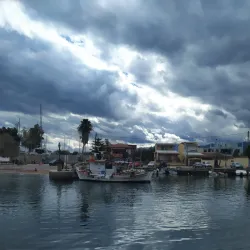

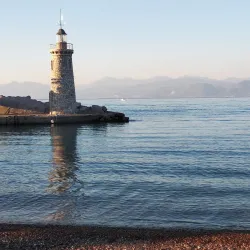
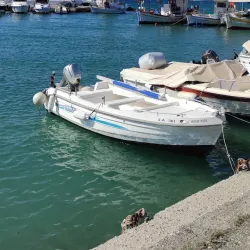
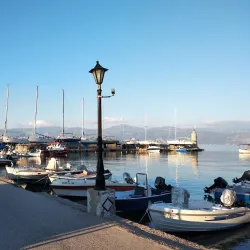
The port area is a hub of activity with fishing boats, ferries, and waterfront tavernas. It offers picturesque views and a chance to experience the maritime culture of the town.
Mount Panachaiko
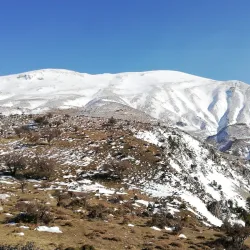


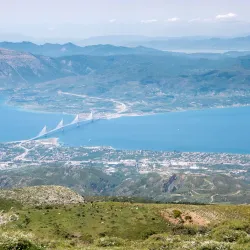
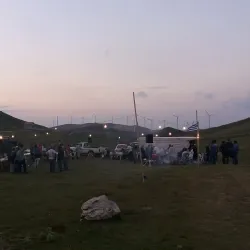


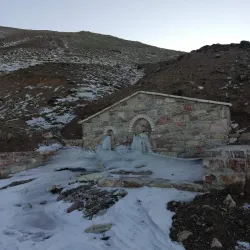


Located near Aigio, Mount Panachaiko is a popular destination for hiking and nature walks. The mountain offers panoramic views of the surrounding landscape and the Gulf of Corinth.