Things to do in Farsala
Farsala is a town located in the Thessaly region of Greece, known for its rich history and cultural heritage. It is situated in a fertile plain, surrounded by mountains and natural landscapes, making it an interesting destination for visitors who appreciate both history and nature.The town and its surroundings offer a variety of attractions, including ancient ruins, Byzantine churches, traditional villages, and scenic outdoor areas. Farsala is also famous for its agricultural products, especially cotton and cereals.Ancient City of Pharsalos
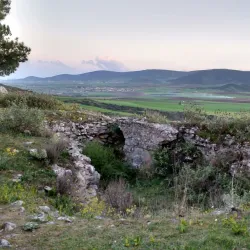
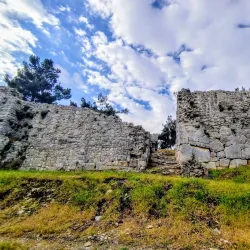
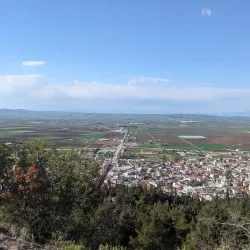
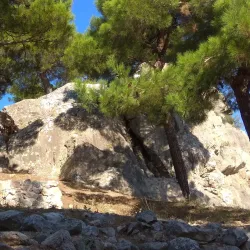
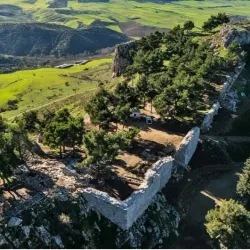
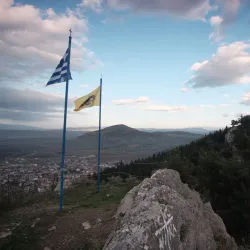
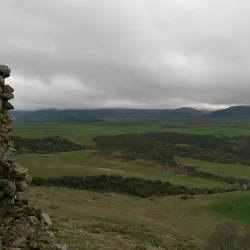
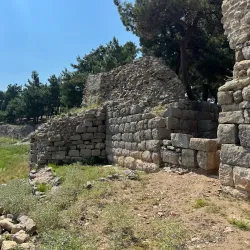
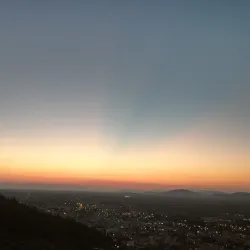
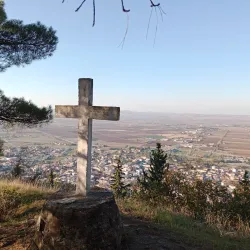
The ancient city of Pharsalos is a significant archaeological site near modern Farsala. It is historically famous as the site of the Battle of Pharsalus in 48 BC, where Julius Caesar defeated Pompey during the Roman civil war.
Visitors can explore ruins including city walls, foundations of buildings, and artifacts that provide insight into the area's ancient past.
Byzantine Church of Agios Georgios
This Byzantine church in Farsala is notable for its well-preserved frescoes and traditional architecture. It represents the religious and cultural history of the region during the Byzantine period.
The church is a peaceful place for visitors interested in religious art and history.
Farsala Archaeological Museum
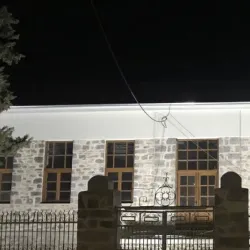
The museum houses artifacts from the surrounding area, including items from the ancient city of Pharsalos and other local archaeological sites.
It offers visitors a comprehensive view of the historical and cultural development of the region through various exhibits.
Mount Ossa (Kissavos)
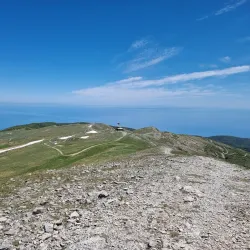
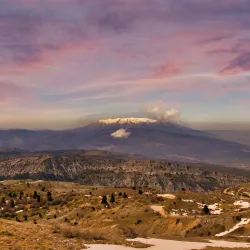
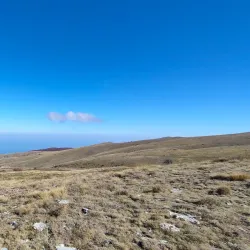
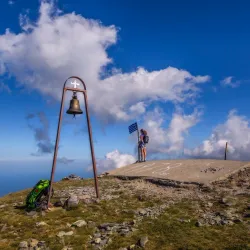
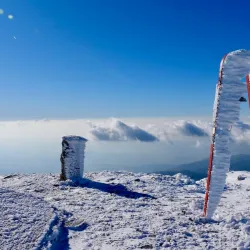
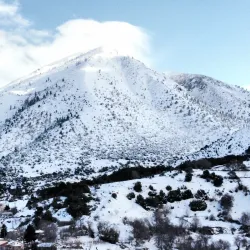
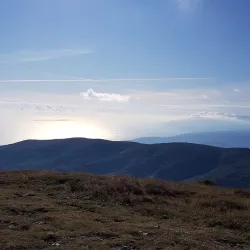
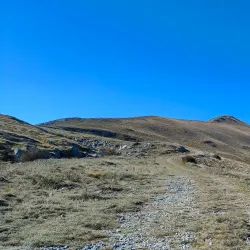
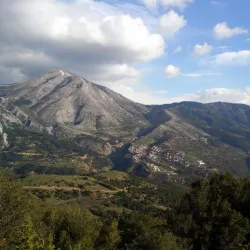

Located near Farsala, Mount Ossa is a popular destination for hiking and nature lovers. It offers scenic trails, diverse flora and fauna, and panoramic views of the Thessaly plain and the Aegean Sea.
The mountain is also associated with Greek mythology, adding a cultural dimension to outdoor activities.
Traditional Villages around Farsala
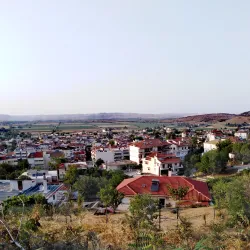
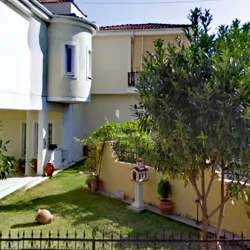
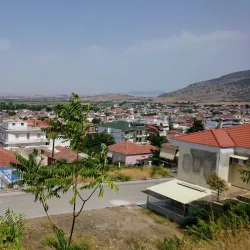
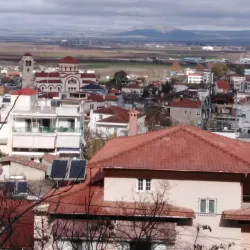
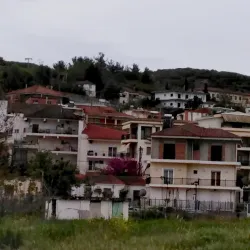
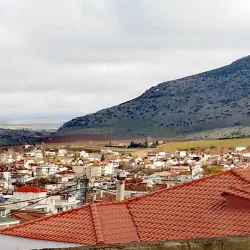
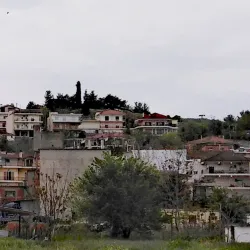
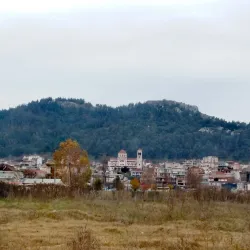
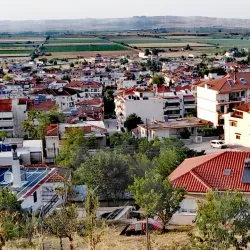
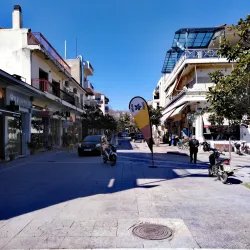
The area surrounding Farsala includes several traditional villages where visitors can experience authentic Greek rural life, local cuisine, and hospitality.
These villages often feature traditional architecture, local festivals, and crafts, providing a cultural immersion for travelers.
Thermal Springs of Edessa
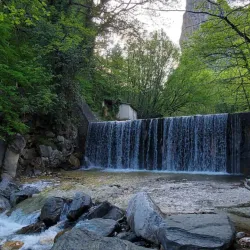
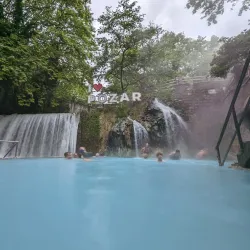
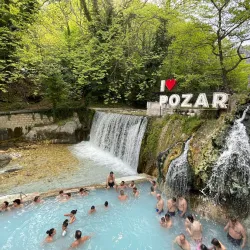
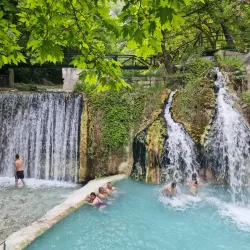
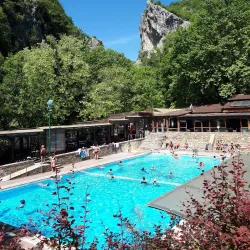
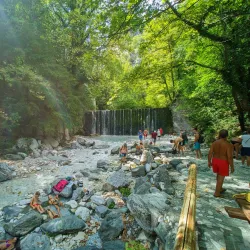
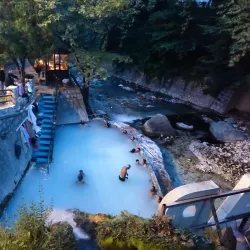
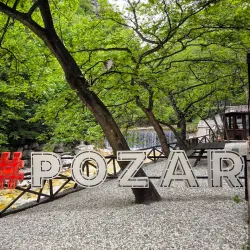
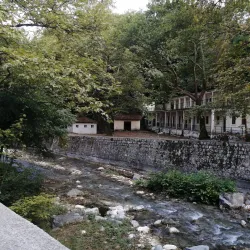
Though a bit farther from Farsala, the thermal springs of Edessa are a notable attraction for visitors interested in wellness and natural hot springs.
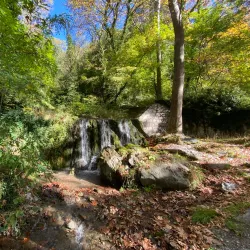
The springs are known for their therapeutic properties and beautiful natural surroundings, including waterfalls and lush greenery.
Platanos Square
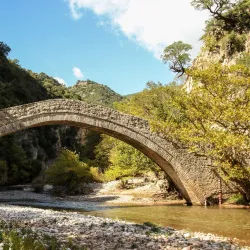
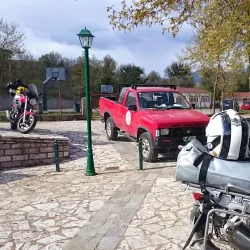
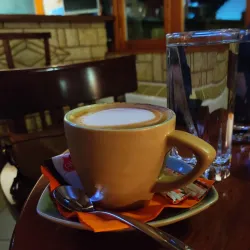
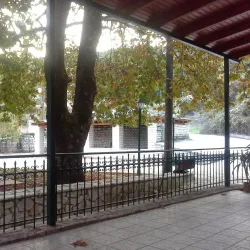
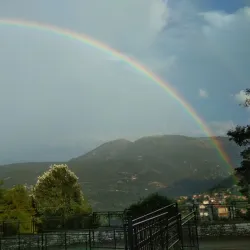
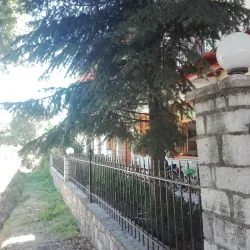
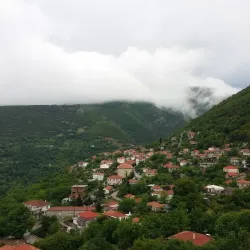
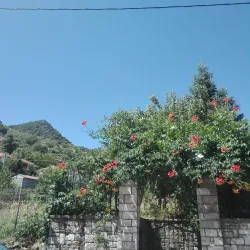
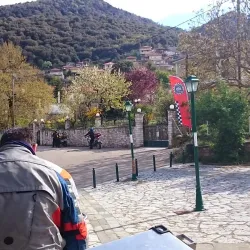
The central square of Farsala, Platanos Square, is a lively spot where locals and visitors gather. It features cafes, shops, and a large plane tree that provides shade and a pleasant atmosphere.
The square is ideal for experiencing everyday life in Farsala and enjoying local food and drinks.
Local Agricultural Markets
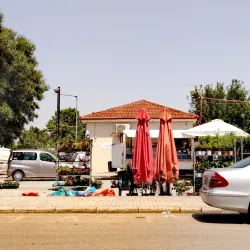

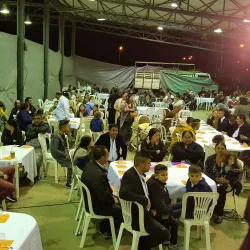

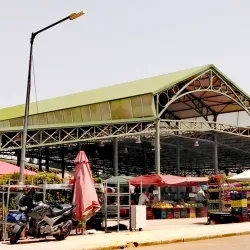
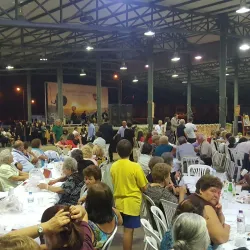

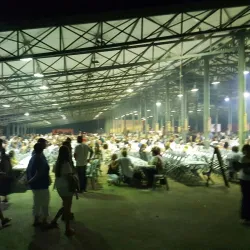
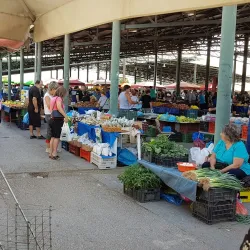
Farsala is known for its agricultural produce, and visiting local markets offers insight into the region's economy and culinary traditions.
Markets often sell fresh fruits, vegetables, cotton products, and traditional Greek foods, making them a vibrant part of the local culture.
Church of Panagia
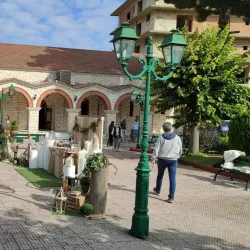
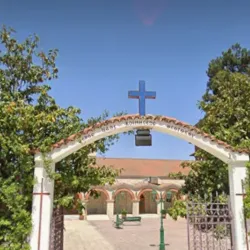
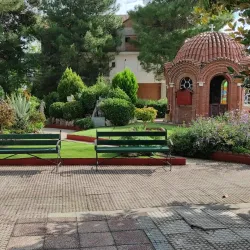
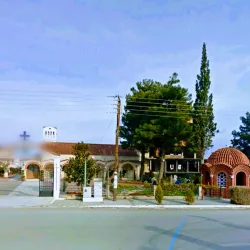
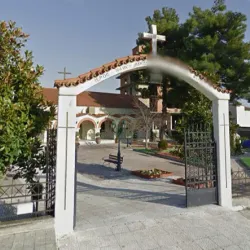
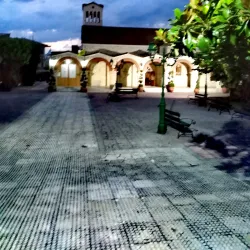
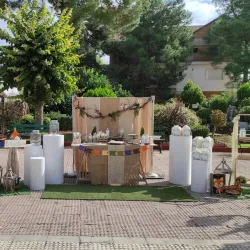
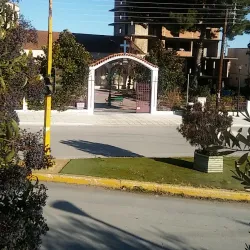
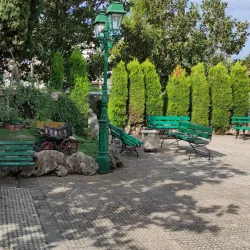
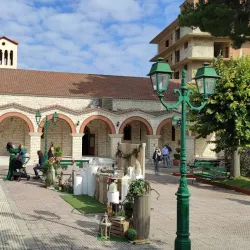
This church is another important religious site in Farsala, known for its architecture and religious significance to the local community.
It often hosts religious festivals and events that reflect the traditions of the area.
Kokkinopilos Village
A nearby village known for its scenic beauty and traditional lifestyle. It is a good spot for visitors looking to explore rural Thessaly and enjoy outdoor activities like hiking and bird watching.
The village offers a glimpse into the agricultural practices and local customs of the region.