
Quality of life in Los
Cost of Living, Healthcare, Safety, Education, and More
About Los
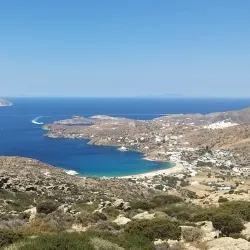
Los, a picturesque island in Greece, is renowned for its stunning landscapes, vibrant nightlife, and rich cultural heritage. Nestled in the heart of the Aegean Sea, Los offers a unique blend of traditional Greek charm and modern amenities, making it a popular destination for tourists and locals alike.The island is characterized by its beautiful beaches, crystal-clear waters, and charming villages. Los is also known for its lively atmosphere, with numerous bars, clubs, and restaurants that cater to a diverse crowd. The island's cultural scene is equally vibrant, with various festivals and events that celebrate its rich history and traditions.




History and Culture
Los has a rich history that dates back to ancient times. It was once a significant center for trade and culture in the Aegean region. The island is believed to be the birthplace of the famous Greek poet Homer, adding to its historical significance.
Throughout the centuries, Los has been influenced by various civilizations, including the Romans, Byzantines, and Venetians. These influences are evident in the island's architecture, art, and cultural practices. The Archaeological Museum of Los houses numerous artifacts that showcase the island's historical journey.
Culturally, Los is a melting pot of traditions and modern influences. The island hosts several festivals throughout the year, such as the Homer's Festival, which celebrates the legacy of the ancient poet. Traditional music and dance are integral parts of these celebrations, reflecting the island's vibrant cultural heritage.
Things to do in Los
Visitors to Los can enjoy a wide range of activities, from relaxing on its pristine beaches to exploring its historical sites. Mylopotas Beach is one of the most popular spots, offering water sports and beachside bars.
For those interested in history, the ruins of the ancient city of Skarkos provide a glimpse into the island's past. The site is well-preserved and offers stunning views of the surrounding landscape.
Los is also known for its vibrant nightlife, with numerous clubs and bars in Chora, the island's main town. The nightlife scene is lively and attracts a young, energetic crowd.
Food enthusiasts can indulge in traditional Greek cuisine at local tavernas, where fresh seafood and local delicacies are served. The island's culinary scene is a delightful mix of traditional and contemporary flavors.
Quality of Life Rankings

Weather in Los
Los, Greece experiences a Mediterranean climate characterized by hot, dry summers and mild, wet winters. The city receives an average annual precipitation of approximately 15 inches (380 mm), with December being the wettest month, averaging around 3 inches (76 mm) of rainfall.
Seasonal Breakdown
- Spring (March to May)Temperatures gradually rise from an average high of 63°F (17°C) in March to 75°F (24°C) in May. Rainfall decreases during this period, with March receiving the most precipitation, averaging around 2 inches (50 mm).
- Summer (June to August)The hottest months, with average highs ranging from 82°F (28°C) in June to 90°F (32°C) in July and August. Rainfall is minimal during the summer, averaging less than 0.5 inches (12 mm) per month.
- Autumn (September to November)Temperatures gradually decrease from an average high of 82°F (28°C) in September to 68°F (20°C) in November. Rainfall begins to increase, averaging around 2 inches (50 mm) per month.
- Winter (December to February)The coldest period, with average highs ranging from 59°F (15°C) in December to 57°F (14°C) in February. December is the wettest month, with rainfall averaging about 3 inches (76 mm).
Notable Weather Events
- Occasional heatwaves during the summer months.
- Heavy rainfall events in winter, particularly in December.
- Rare instances of frost during the coldest winter nights.
Los's Political Climate
Los, a city in Greece, is characterized by a dynamic political climate that reflects both its historical roots and modern aspirations. The governance of Los is deeply influenced by Greece's broader political landscape, which is known for its vibrant democratic traditions and active civic participation. The city is governed by a mayor-council system, where the mayor plays a significant role in shaping local policies and initiatives.
Historically, Los has been a hub for political discourse and activism, often mirroring the national political trends of Greece. The city has seen a mix of political affiliations over the years, with a strong presence of both conservative and progressive elements. This diversity is reflected in the city's policy directions, which often balance economic growth with social welfare and environmental sustainability.
In recent years, Los has implemented several progressive policies, particularly in the areas of renewable energy and social justice. The city has been at the forefront of Greece's efforts to transition to a more sustainable energy model, investing in solar and wind energy projects. Additionally, Los has been active in promoting social equity, with initiatives aimed at reducing poverty and improving access to education and healthcare.
The political climate in Los significantly influences its economic and social decisions. The city's leadership is committed to fostering an inclusive economy that supports local businesses while attracting foreign investment. Socially, there is a strong emphasis on community engagement and participatory governance, encouraging residents to take an active role in shaping the city's future.
Recent political events in Los include a shift towards more participatory governance models, with increased public consultations and community forums. This trend reflects a broader movement in Greece towards greater transparency and accountability in government.
Political Quick Facts
- Voter Turnout72%
- City GovernanceMayor-council system
- CompositionDiverse, with representation from multiple political parties
- Recent Political ChangesIncreased focus on participatory governance and public consultations
- EngagementHigh, with active civic participation and community involvement
- Political ScorecardB+ for governance and transparency
- Legislative PrioritiesRenewable energy expansion Social equity initiatives Economic development and investment
- Public OpinionGenerally progressive, with strong support for sustainability and social justice
Notable Political Figures
- Maria PapadopoulosCurrent mayor known for her focus on renewable energy and social justice.
- Nikos GeorgiouCity council member advocating for economic development and transparency.
- Elena KostasLocal activist and leader in community engagement initiatives.