Things to do in Sparta
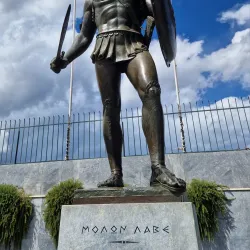
Sparta, located in the southeastern part of the Peloponnese peninsula in Greece, is a city rich in ancient history and cultural heritage. Known for its legendary warriors and significant role in Greek history, Sparta offers visitors a unique glimpse into the past alongside beautiful landscapes and archaeological treasures.The city and its surroundings are dotted with historical sites, museums, and natural parks that reflect the legacy of the ancient Spartan civilization and the broader history of the region.Ancient Theatre of Sparta


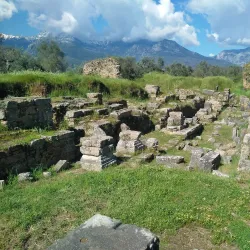
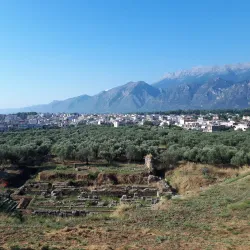
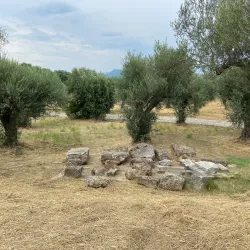
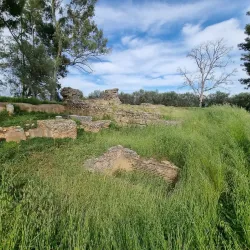
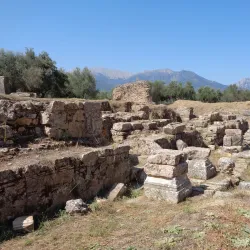
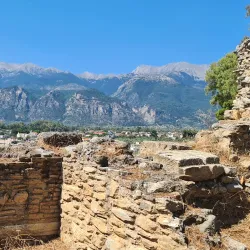
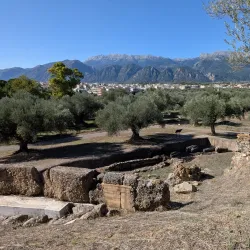
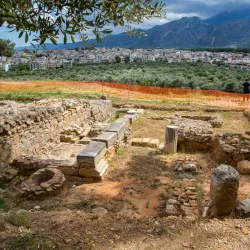
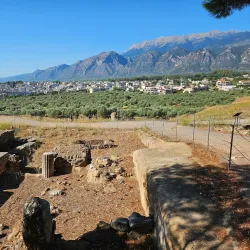
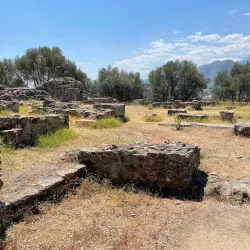
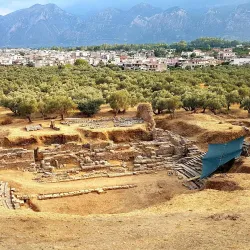
The Ancient Theatre of Sparta is a significant archaeological site that dates back to the Hellenistic period. It was used for performances and public gatherings and offers insight into the cultural life of ancient Sparta.
Visitors can explore the remains of the theatre and imagine the events that once took place in this historic venue.
Archaeological Museum of Sparta

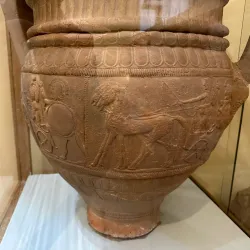
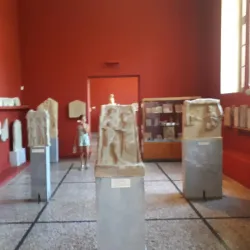
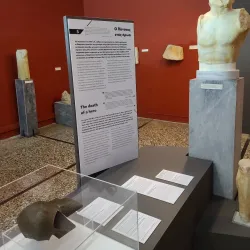
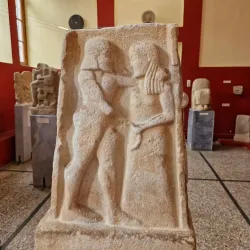
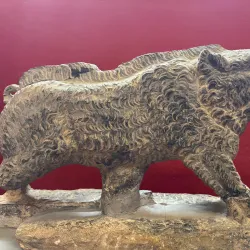
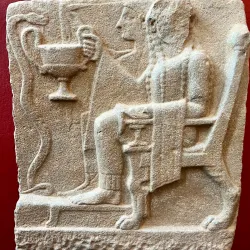
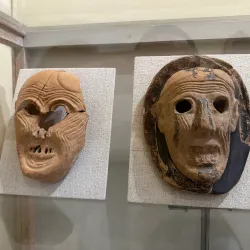
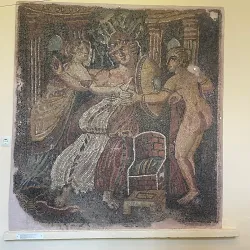
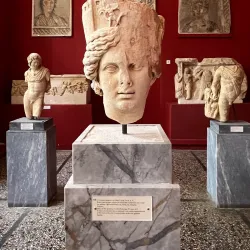
This museum houses a collection of artifacts from the ancient city and surrounding areas, including pottery, sculptures, and tools that illustrate the daily life and military history of Sparta.
It provides a comprehensive overview of Spartan history from prehistoric times through the Roman period.
Acropolis of Sparta

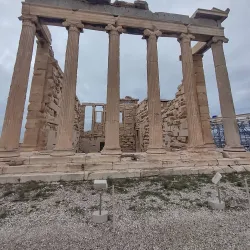
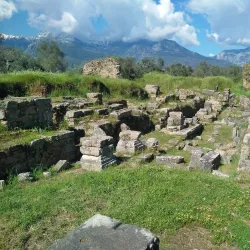
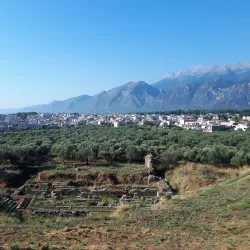
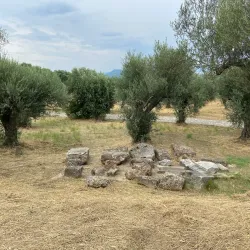
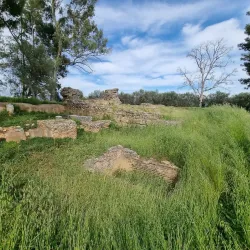
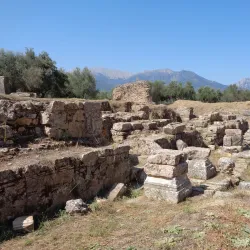
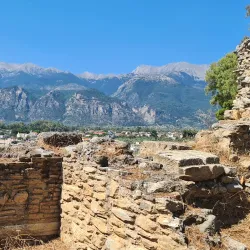
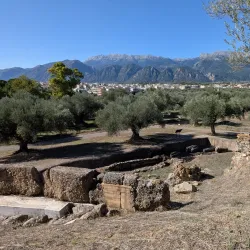
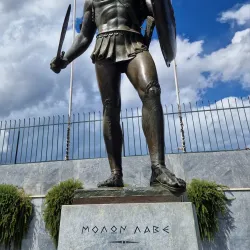
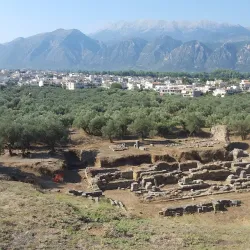
The Acropolis of Sparta is an ancient fortified site that was the center of the city in classical times. It includes remains of temples and public buildings.
The site offers panoramic views of the modern city and the surrounding landscape, connecting visitors with Sparta's historical roots.
Menelaion






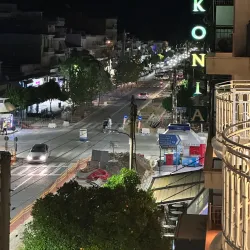

Located a few kilometers outside modern Sparta, the Menelaion is a shrine dedicated to Menelaus, the legendary king of Sparta and husband of Helen of Troy.
The site features ruins of a Mycenaean palace and later structures, making it an important archaeological and mythological landmark.
Mystras
Mystras is a Byzantine fortress town near Sparta, known for its well-preserved medieval ruins including churches, palaces, and monasteries.
It is a UNESCO World Heritage Site and offers a fascinating glimpse into Byzantine history and architecture in the Peloponnese.
Platanaki Park

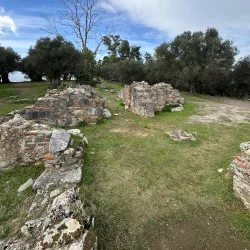
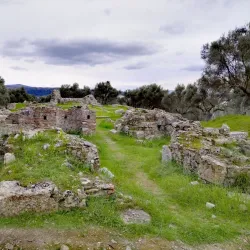
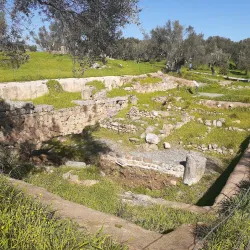
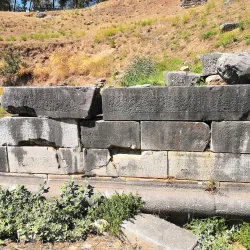
A popular green space in modern Sparta, Platanaki Park is ideal for relaxation and leisurely walks among plane trees and gardens.
The park is a favorite spot for locals and visitors to enjoy nature and outdoor activities in the city.
Church of Agios Ioannis Theologos


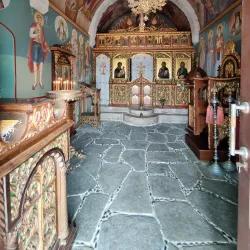
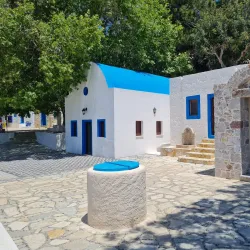
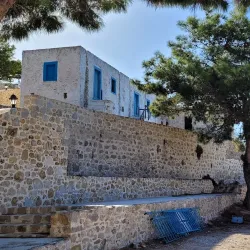
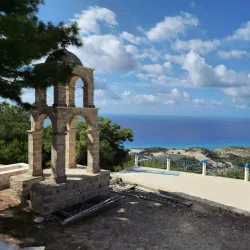
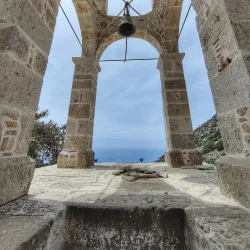
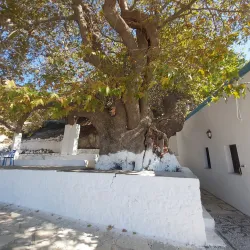

This historic church in Sparta is known for its beautiful architecture and religious significance.
It is a place of worship and cultural interest, reflecting the religious traditions of the region.
Laconia Olive Oil Museum

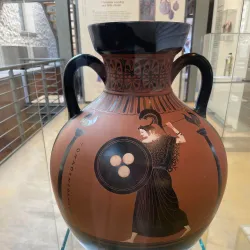


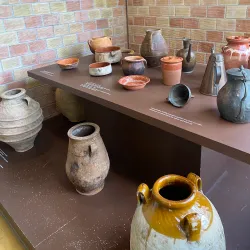
Located near Sparta, this museum showcases the history and production of olive oil, a staple of the local economy and culture.
Visitors can learn about traditional and modern olive oil extraction methods and sample local products.
Eurotas River

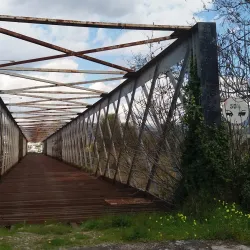

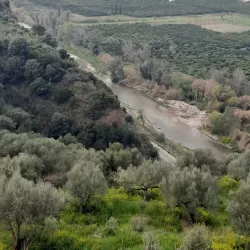
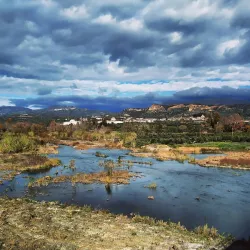
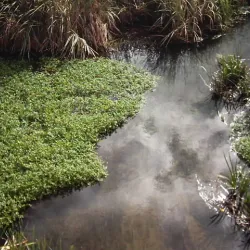
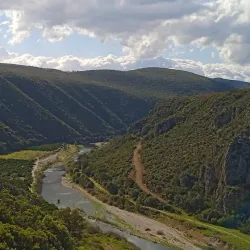
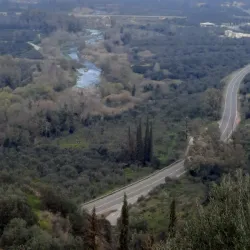
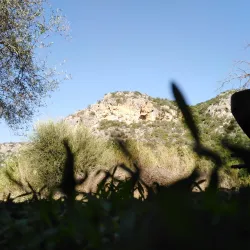
The Eurotas River flows through the Sparta region and is known for its scenic beauty and historical importance.
Visitors can enjoy walks along the riverbanks and appreciate the natural environment that supported ancient Spartan civilization.
Ancient Sparta Walls

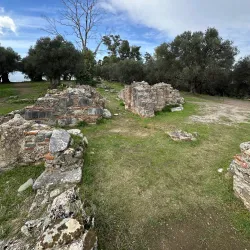


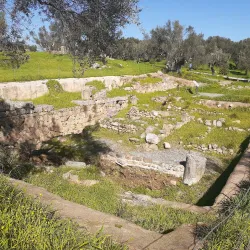
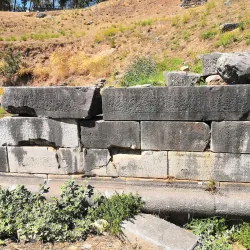
The remnants of the ancient city walls of Sparta provide insight into the defensive strategies of the Spartans.
These ruins are scattered around the city and offer a tangible connection to Sparta's military past.