Things to do in Port-au-Prince
Port-au-Prince, the capital city of Haiti, is a vibrant hub of culture, history, and art. Known for its lively markets, rich heritage, and artistic expression, the city offers visitors a unique glimpse into Haitian life and traditions.The city is characterized by its diverse neighborhoods, bustling streets, and significant landmarks that tell the story of Haiti's past and present. From museums and historic sites to colorful markets and cultural centers, Port-au-Prince provides a rich experience for travelers interested in history, art, and local culture.Iron Market (Marché en Fer)
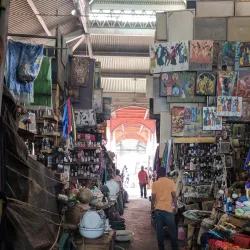

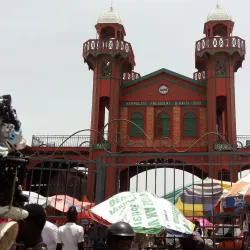


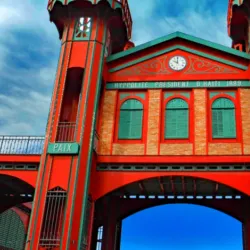




The Iron Market is one of Port-au-Prince's most famous landmarks, known for its vibrant atmosphere and wide array of goods. Originally constructed in the late 19th century, the market is a bustling center for local vendors selling everything from fresh produce and spices to crafts and souvenirs.
It is a great place to experience the local culture, interact with artisans, and purchase authentic Haitian products.
Musée du Panthéon National Haïtien (MUPANAH)
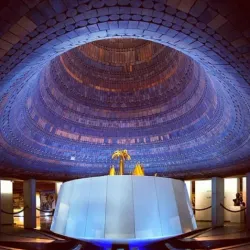
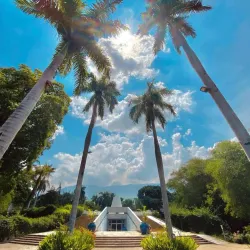
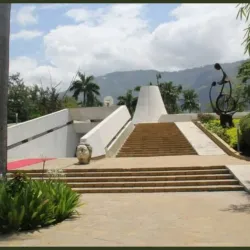

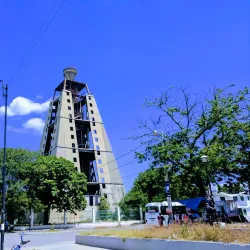

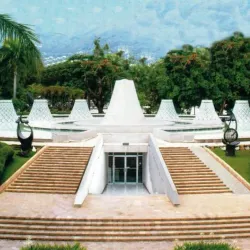
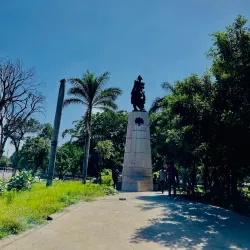
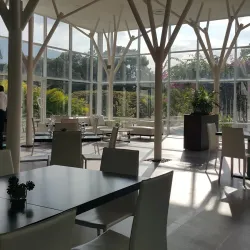
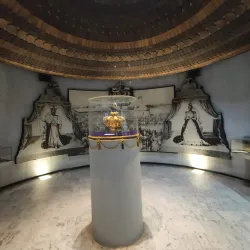
MUPANAH is the National Pantheon Museum of Haiti, dedicated to preserving and showcasing the history and heritage of the Haitian people. The museum features exhibits on Haiti's independence, notable historical figures, and cultural artifacts.
It serves as an educational and cultural institution that highlights the nation's struggle for freedom and its rich cultural identity.
Bassin Bleu
Located just outside Port-au-Prince, Bassin Bleu is a stunning natural attraction featuring a series of beautiful waterfalls and turquoise pools. It is a popular spot for hiking, swimming, and enjoying the scenic beauty of Haiti's landscape.
The area offers a refreshing escape from the city and a chance to experience Haiti's natural environment.
Cathedral of Our Lady of the Assumption
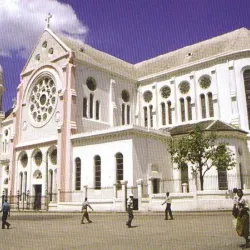
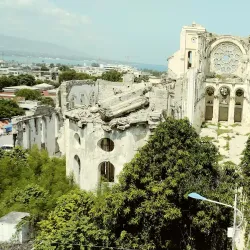
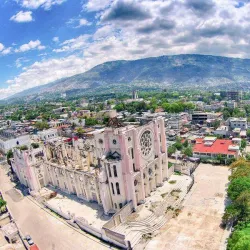
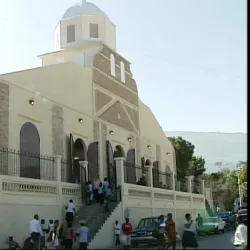
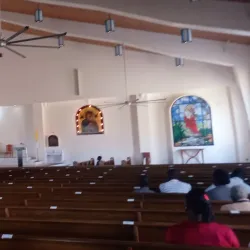


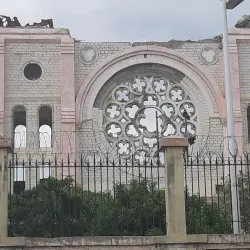
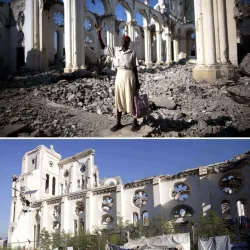
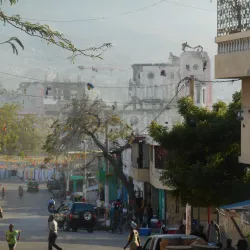
This historic cathedral was a central place of worship in Port-au-Prince before being severely damaged in the 2010 earthquake. It remains a symbol of the city's resilience and faith.
Visitors often come to see the ruins and reflect on the impact of the earthquake and the ongoing recovery efforts.
Centre d'Art
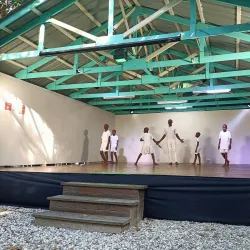
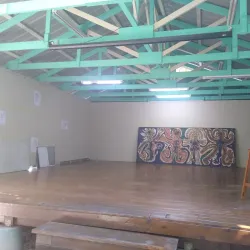
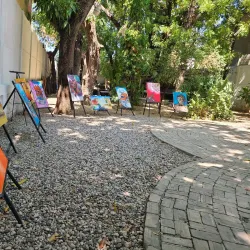

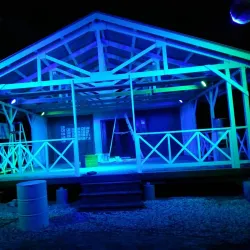


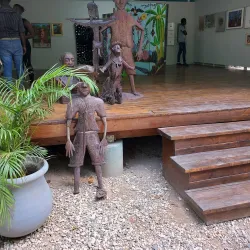
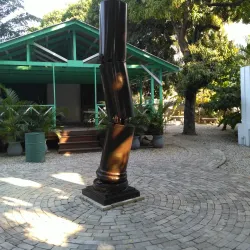
The Centre d'Art is a renowned cultural institution in Port-au-Prince that supports Haitian artists and promotes Haitian art. It features galleries, workshops, and exhibitions showcasing contemporary and traditional Haitian artwork.
The center plays a crucial role in preserving and advancing Haiti's artistic heritage.
Place Saint-Pierre
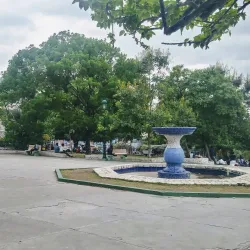

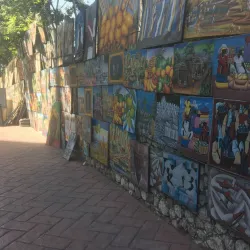

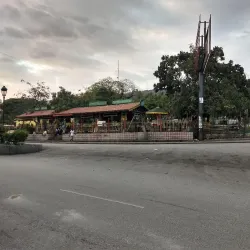
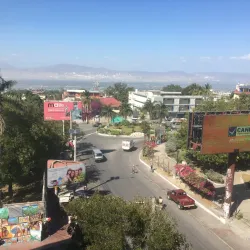
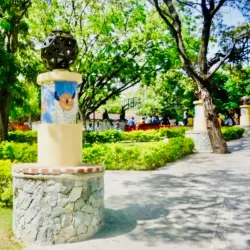

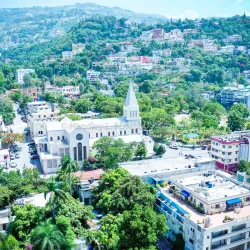
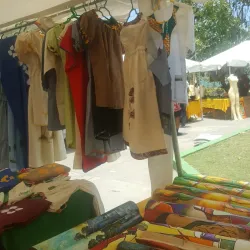
Place Saint-Pierre is a lively public square in the heart of Port-au-Prince, known for its vibrant street life and local vendors. It is a popular gathering spot for both locals and tourists, offering a glimpse into everyday life in the city.
The square is surrounded by shops, cafes, and cultural sites, making it a great place to explore on foot.
National Museum of Haiti
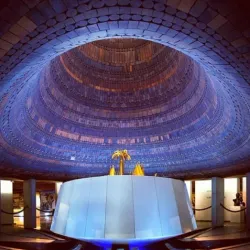
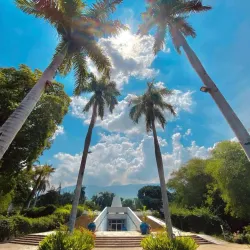
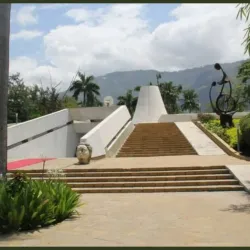

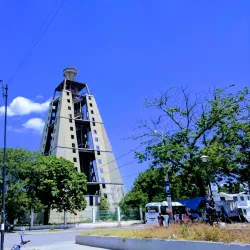

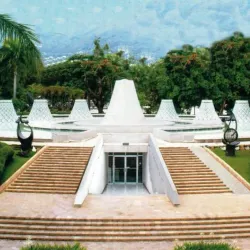
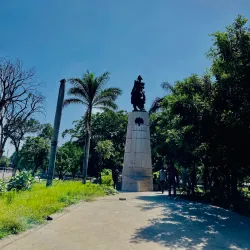
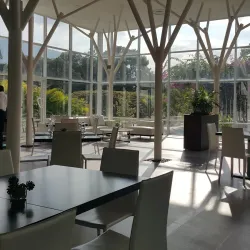
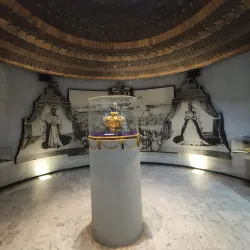
The National Museum of Haiti houses important artifacts and exhibits related to the country's history, culture, and art. It provides visitors with insights into Haiti's past, including its indigenous peoples, colonial history, and independence movement.
The museum is an essential stop for those interested in understanding the broader context of Haitian heritage.
Champ de Mars
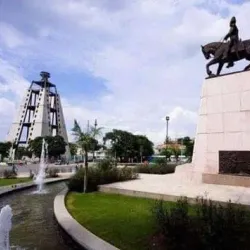
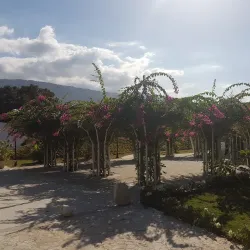
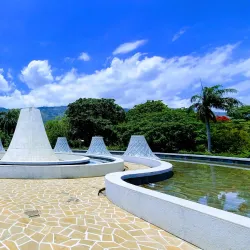
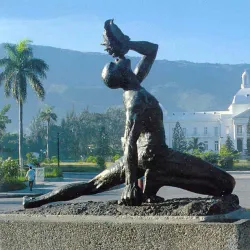
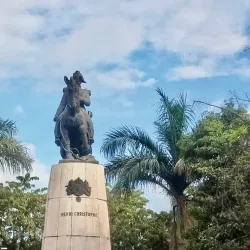
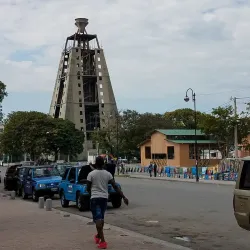
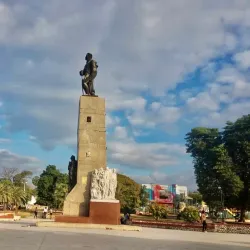
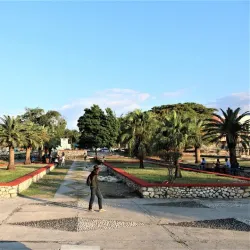
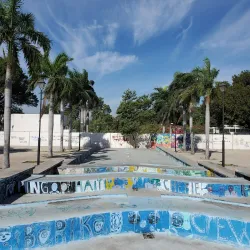
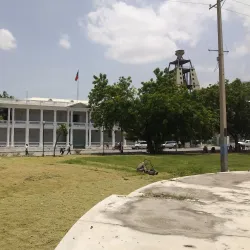
Champ de Mars is the main public square in Port-au-Prince, surrounded by important government buildings and historical monuments. It is a central location for public events, celebrations, and political gatherings.
The square offers a space to observe the city's civic life and architecture.
Fort Jacques
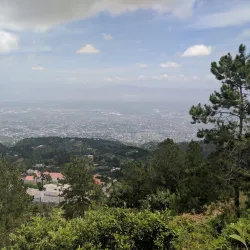
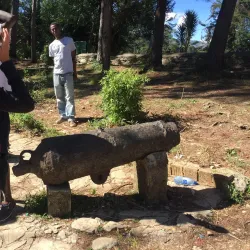
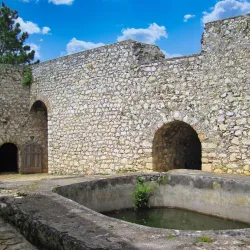
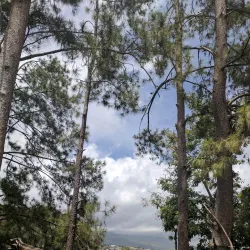
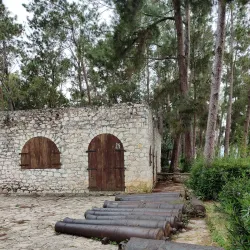
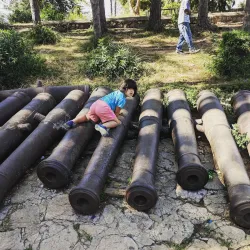
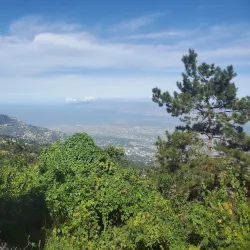
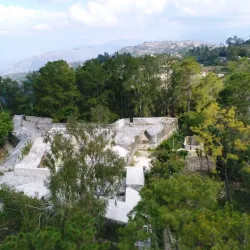
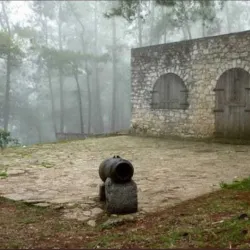
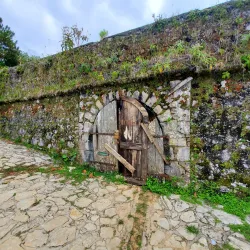
Fort Jacques is a historic fortress located on a hill overlooking Port-au-Prince. Built in the early 19th century, it was part of the city's defensive system and offers panoramic views of the city and the bay.
The site is significant for its historical military role and its scenic vantage point.
La Citadelle Laferrière
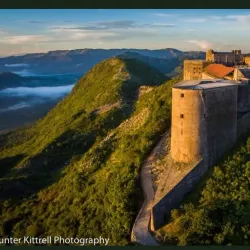
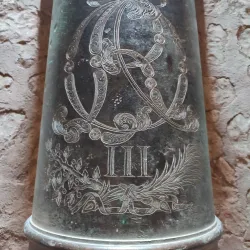
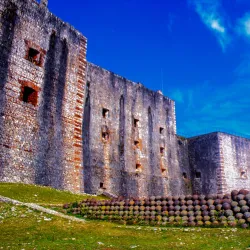
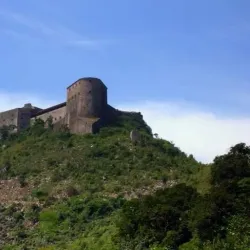
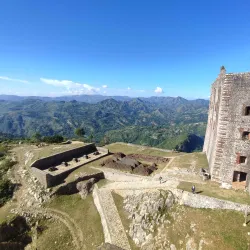
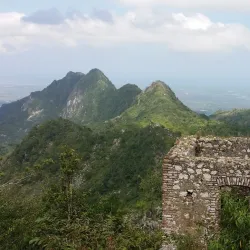
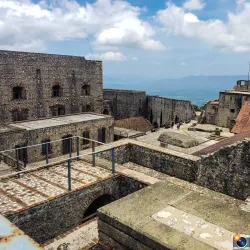
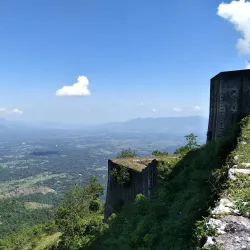
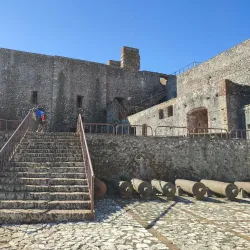
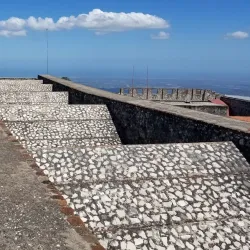
Though not in Port-au-Prince itself but accessible from the city, La Citadelle Laferrière is one of Haiti's most iconic landmarks. This massive mountaintop fortress was built in the early 19th century to defend against potential invasions and is a UNESCO World Heritage Site.
It represents Haitian ingenuity and determination and is a must-visit for those interested in history and architecture.