Things to do in Pecs
Pécs is a vibrant city located in the southwest of Hungary, known for its rich history, diverse cultural heritage, and beautiful architecture. It is one of Hungary's oldest cities, with roots dating back to Roman times, and it offers a unique blend of historical landmarks, museums, and lively urban spaces.The city is renowned for its Mediterranean atmosphere, charming old town, and numerous cultural festivals. Visitors can explore a variety of neighborhoods, each with its own character, from the historic center to modern art districts.Pécs Cathedral (Sts. Peter and Paul Cathedral)
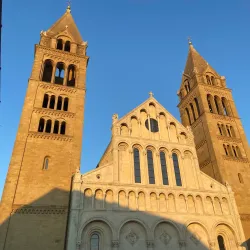
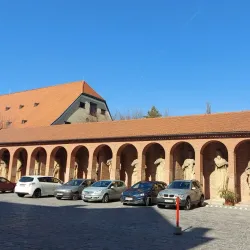
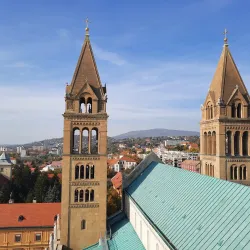
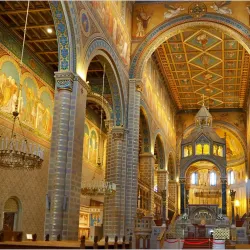
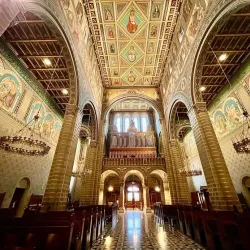
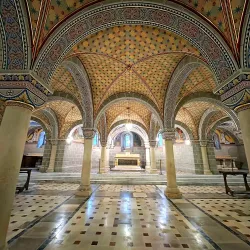
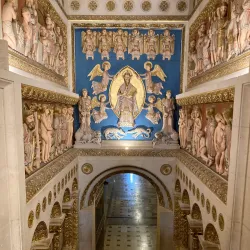
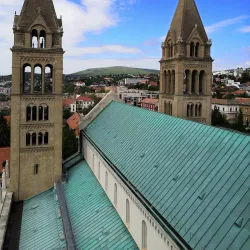
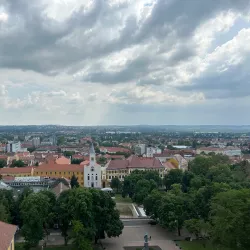
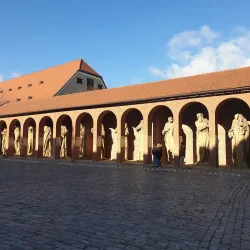
This iconic cathedral is one of the most significant religious buildings in Pécs, showcasing Romanesque and Gothic architectural styles. It has been a central place of worship since the Middle Ages and features impressive frescoes and a beautiful interior.
Visitors can explore the cathedral's crypt and climb the towers for panoramic views of the city.
Early Christian Necropolis of Pécs (Sopianae)

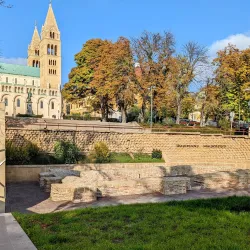


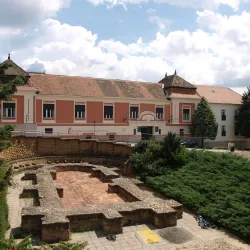
A UNESCO World Heritage site, this ancient Roman burial site contains well-preserved early Christian tombs and frescoes dating back to the 4th century. It offers a fascinating glimpse into the early Christian community in the region.
The site is an important archaeological and historical landmark, attracting scholars and tourists interested in early Christian art and history.
Zsolnay Cultural Quarter
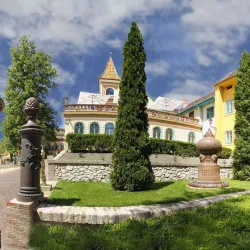
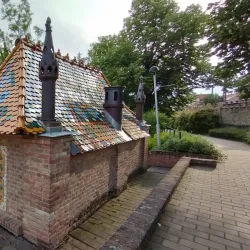
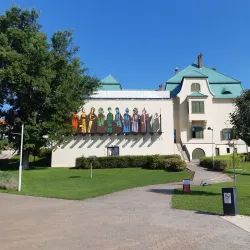
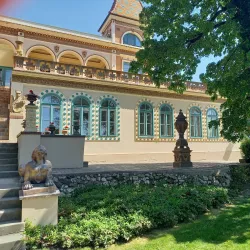
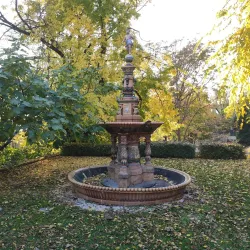
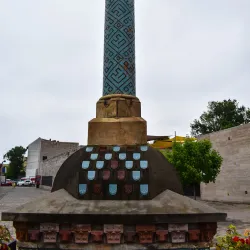
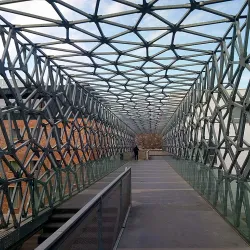
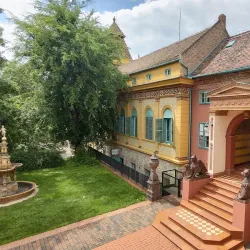
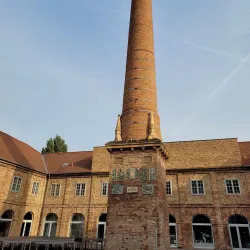
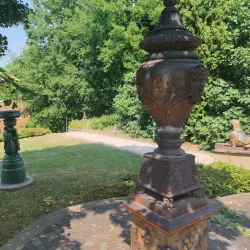
The Zsolnay Cultural Quarter is a vibrant cultural hub named after the famous Zsolnay porcelain manufacturer. It includes museums, galleries, and exhibition spaces dedicated to art, design, and local history.
The quarter is also home to workshops, cafes, and event venues, making it a lively place to experience contemporary culture in Pécs.
Pécs National Theatre
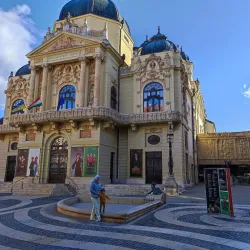
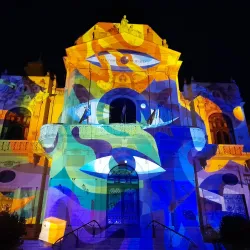
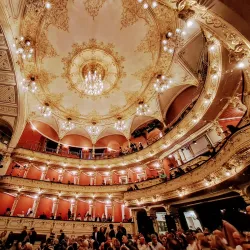
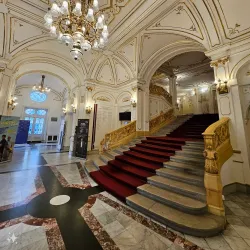
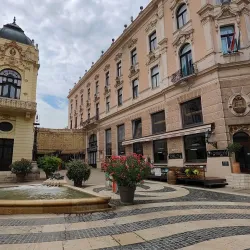
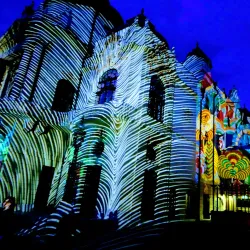
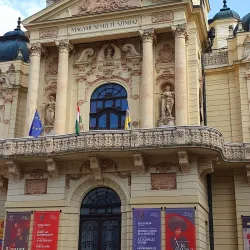
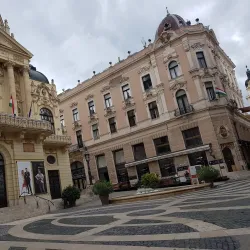
The National Theatre of Pécs is a prominent cultural institution offering a diverse program of drama, opera, and ballet performances. The historic building itself is an architectural gem.
It plays a key role in the city's cultural life and is a must-visit for those interested in performing arts.
Csontváry Museum
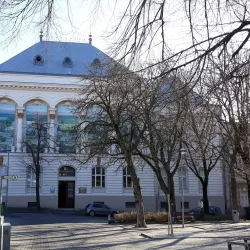
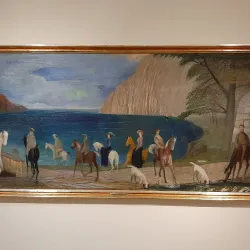
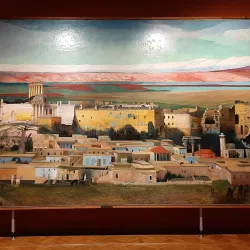
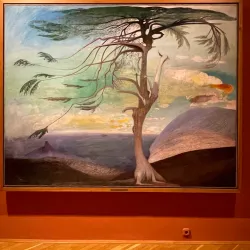
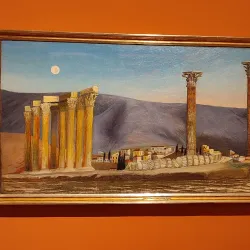
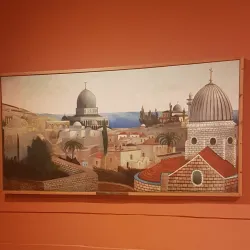
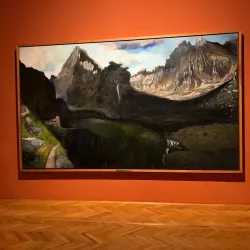
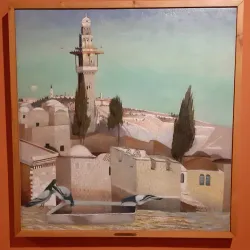
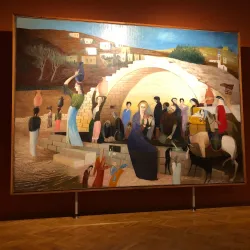
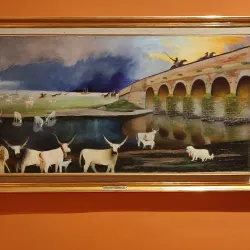
Dedicated to the works of Tivadar Csontváry Kosztka, one of Hungary's most famous painters, this museum houses a significant collection of his paintings.
The museum provides insight into Csontváry's unique style and contribution to Hungarian art, making it a highlight for art enthusiasts.
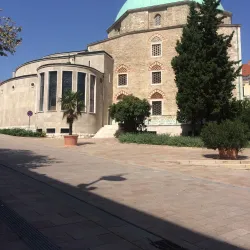
Mosque of Pasha Qasim
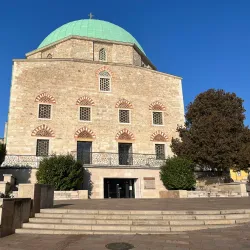
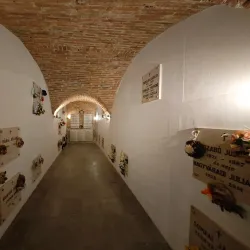
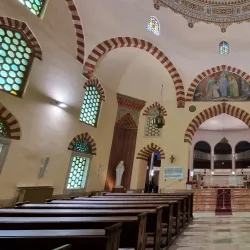
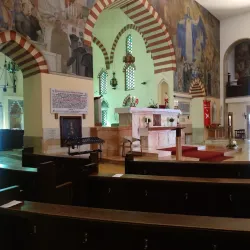
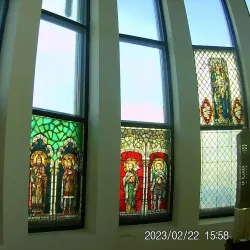
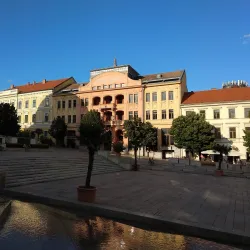
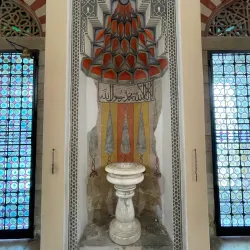
Originally built as a mosque during the Ottoman period, this building now serves as a Catholic church but retains much of its original Islamic architectural features.
It is one of the most striking examples of Ottoman architecture in Hungary and symbolizes the city's multicultural history.
Pécs Synagogue
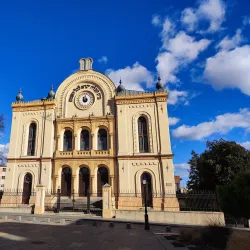
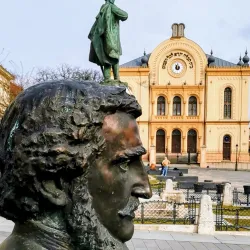
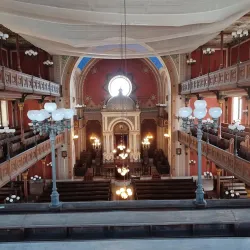
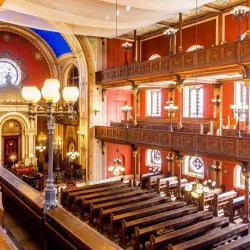
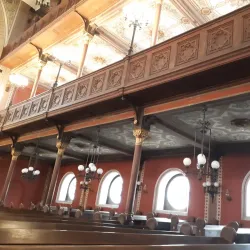
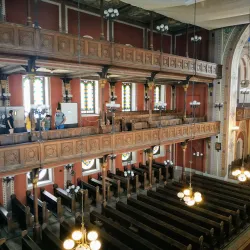
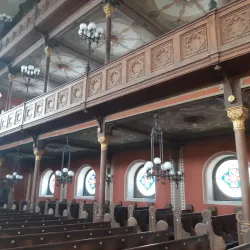
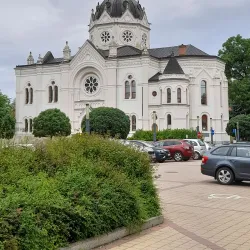
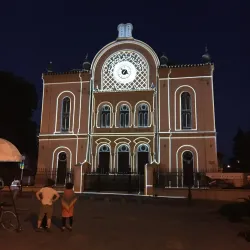
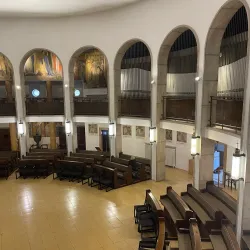
The Pécs Synagogue is an important historical and architectural landmark, reflecting the Jewish heritage of the city.
Visitors can admire its beautiful design and learn about the history of the Jewish community in Pécs.
Tettye Ruins and Park
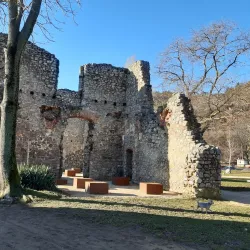
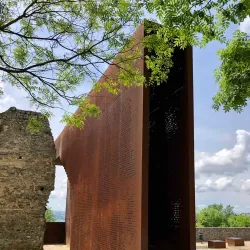

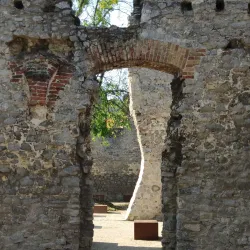


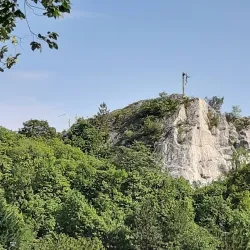


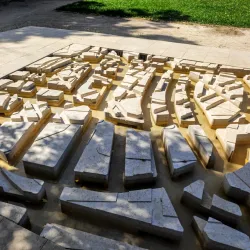
The Tettye area offers scenic ruins of a former monastery and a lovely park with walking trails, perfect for nature lovers and those seeking a peaceful retreat within the city.
The park also provides great views over Pécs and is a popular spot for locals and tourists alike.
Csontváry Kosztka Tivadar Museum
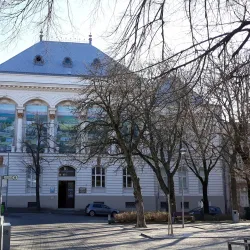
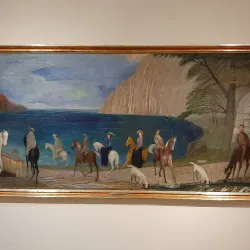
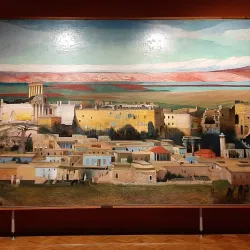
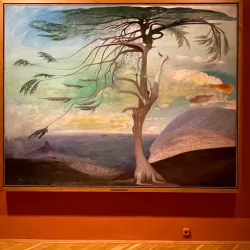
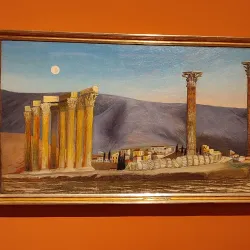
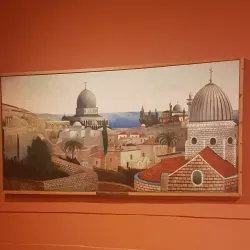
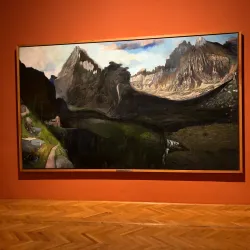
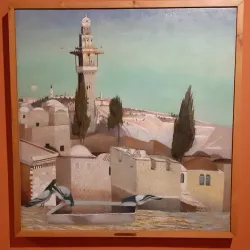
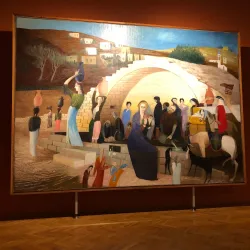
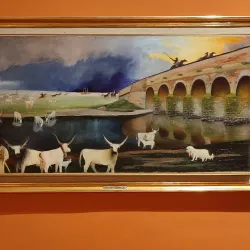
This museum showcases the life and works of Tivadar Csontváry Kosztka, featuring a collection of his paintings and personal artifacts.
It offers a deeper understanding of this influential Hungarian artist and his impact on modern art.
Pécs Market Hall
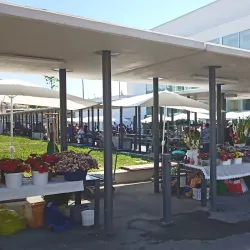

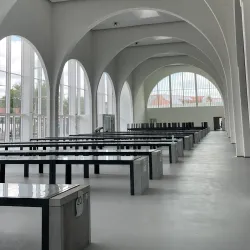
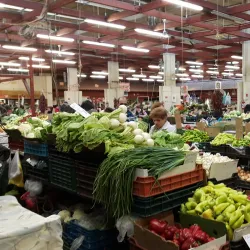
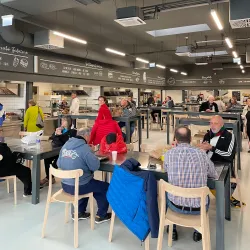
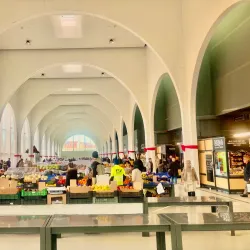
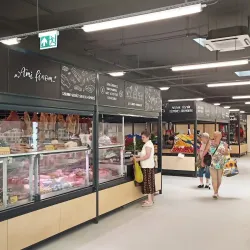
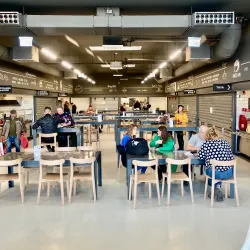
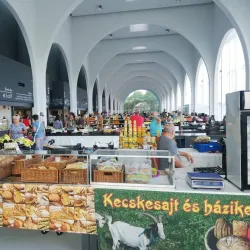

A bustling market hall where visitors can experience local life, buy fresh produce, traditional Hungarian foods, and handicrafts.
The market is a great place to taste local flavors and interact with the friendly vendors.