
Quality of life in Dalvik
Cost of Living, Healthcare, Safety, Education, and More
About Dalvik
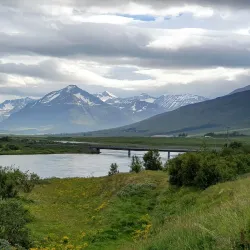
Dalvik, a charming town in Iceland, is nestled on the Tröllaskagi Peninsula, offering breathtaking views of the surrounding mountains and the Eyjafjörður fjord. Known for its vibrant fishing industry, Dalvik is a hub of maritime activity, contributing significantly to the local economy. The town exudes a quaint yet lively atmosphere, with a strong sense of community and a deep connection to nature.In recent years, Dalvik has emerged as a popular destination for tourists seeking authentic Icelandic experiences. Its unique blend of natural beauty, cultural richness, and outdoor adventures makes it a standout location. Visitors are drawn to its serene landscapes, friendly locals, and the opportunity to engage in a variety of activities, from whale watching to hiking.




History and Culture
Dalvik's history is deeply intertwined with Iceland's maritime heritage. The town's development was significantly influenced by its strategic location along the fjord, making it an ideal spot for fishing and trade. Over the years, Dalvik has grown from a small fishing village into a thriving community, while still maintaining its traditional roots.
Culturally, Dalvik is known for its vibrant festivals and events that celebrate Icelandic traditions. The Great Fish Day, an annual event held in August, is a highlight, attracting visitors from all over the country to enjoy free fish meals and entertainment. This festival reflects the town's deep connection to the sea and its importance in local culture.
The town is also home to several cultural institutions, including museums and galleries that showcase the region's history and artistic endeavors. The local music scene is lively, with various performances and concerts held throughout the year, contributing to Dalvik's cultural vibrancy.
Things to do in Dalvik
Dalvik offers a plethora of activities for visitors and locals alike. Outdoor enthusiasts can explore the stunning landscapes through hiking trails that offer panoramic views of the fjord and mountains. Whale watching tours are a must-do, providing a chance to see these majestic creatures up close in their natural habitat.
For those interested in cultural experiences, the local museums provide insights into the town's history and maritime heritage. The Hvoll Folk Museum is particularly noteworthy, offering a glimpse into the daily lives of past generations.
Food lovers will enjoy the local cuisine, with fresh seafood being a staple. The town's restaurants offer a variety of dishes that highlight the flavors of Iceland, making dining in Dalvik a delightful experience.
Quality of Life Rankings
Weather in Dalvik
Dalvik, Iceland experiences a subarctic climate characterized by cold winters and cool summers. The city receives an average annual precipitation of approximately 28 inches (711 mm), with October being the wettest month, averaging 4 inches (102 mm) of rainfall.
Seasonal Breakdown
- Spring (March to May)Temperatures gradually rise from an average high of 36°F (2°C) in March to 46°F (8°C) in May. Rainfall is moderate during this period, with May receiving the most precipitation, averaging 3 inches (76 mm).
- Summer (June to August)The warmest months, with average highs ranging from 52°F (11°C) in June to 57°F (14°C) in July. Rainfall is relatively low during the summer, averaging around 2 inches (51 mm) per month.
- Autumn (September to November)Temperatures gradually decrease from an average high of 50°F (10°C) in September to 36°F (2°C) in November. Rainfall increases, with October being the wettest month, averaging 4 inches (102 mm).
- Winter (December to February)The coldest period, with average highs ranging from 32°F (0°C) in December to 30°F (-1°C) in February. Snowfall is common, especially in January, averaging about 10 inches (254 mm).
Notable Weather Events
- Frequent snowstorms during winter months.
- Occasional summer fog due to the proximity to the ocean.
- Potential for strong winds throughout the year, especially in winter.
Dalvik's Political Climate
Dalvik, a picturesque town in Iceland, is known for its unique political climate that reflects the broader Icelandic values of democracy, transparency, and social welfare. The town operates under a municipal government structure, which is common in Iceland, where local councils play a significant role in governance. Dalvik's political landscape is characterized by a strong emphasis on community involvement and sustainability, aligning with Iceland's national priorities.
Historically, Dalvik has been influenced by Iceland's progressive political movements, which focus on environmental conservation and renewable energy. The town has implemented several green initiatives, including efforts to reduce carbon emissions and promote sustainable tourism. These policies are in line with Iceland's commitment to environmental stewardship and have positioned Dalvik as a leader in eco-friendly practices.
The political leadership in Dalvik is committed to social justice and equality, reflecting the country's broader social policies. Recent political discussions in the town have centered around improving public services, enhancing educational opportunities, and supporting local businesses. These initiatives are aimed at fostering a vibrant and inclusive community, ensuring that all residents have access to essential services and opportunities for growth.
Political Quick Facts
- Voter Turnout85%
- City GovernanceMunicipal council
- CompositionMajority Progressive, Minority Independent
- Recent Political ChangesIntroduction of new sustainability policies and increased funding for local education
- EngagementHigh civic participation with active community forums and public consultations
- Political ScorecardA+ for transparency and governance
- Legislative PrioritiesSustainability and environmental protection Enhancing public education Supporting local economic development
- Public OpinionGenerally progressive with strong support for environmental and social policies
Notable Political Figures
- Jónas GuðmundssonMayor of Dalvik known for his environmental advocacy and community engagement.
- Sigríður JónsdóttirCity council member focused on educational reform and youth programs.
- Björn EinarssonLocal activist and leader in sustainable tourism initiatives.