Things to do in Hvolsvollur
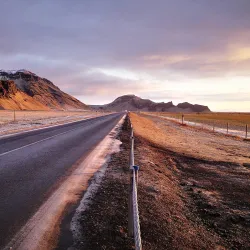
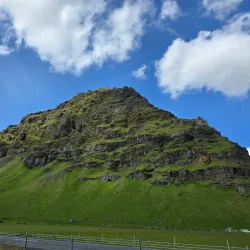
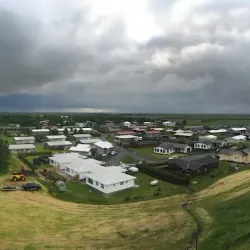
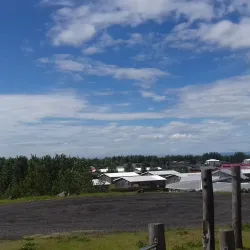
Hvolsvollur is a small town located in the southern part of Iceland, known for its proximity to some of the country's most stunning natural landscapes and historical sites. It serves as a gateway to exploring the volcanic and glacial wonders of the region, making it a popular stop for travelers seeking adventure and cultural experiences.The town itself offers a glimpse into Icelandic rural life and is surrounded by dramatic scenery including waterfalls, lava fields, and black sand beaches. Visitors can enjoy a mix of outdoor activities and cultural heritage sites in and around Hvolsvollur.Seljalandsfoss Waterfall
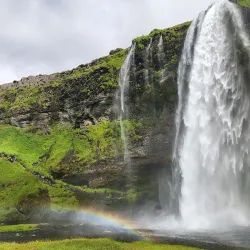

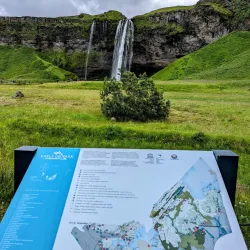
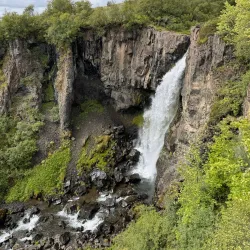
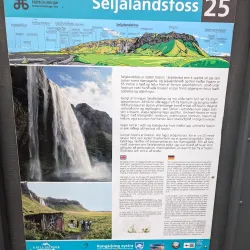
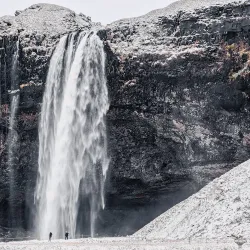
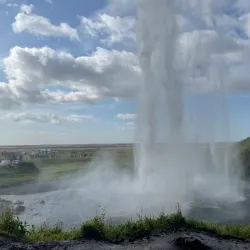
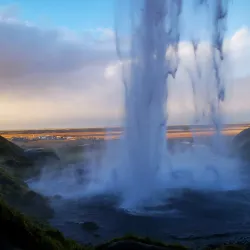
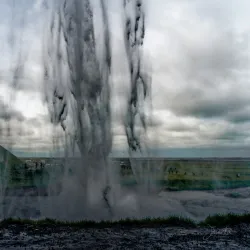
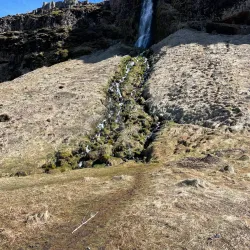
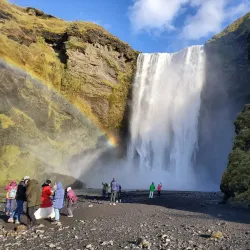
Seljalandsfoss is one of Iceland's most iconic waterfalls, known for the unique experience it offers: visitors can walk behind the waterfall and view it from inside a cave-like space. The waterfall drops 60 meters and is part of the Seljalands River, which originates from the Eyjafjallajökull glacier.
This attraction is especially popular for photography and is easily accessible from the main road, making it a must-see for travelers in the region.
Lava Centre

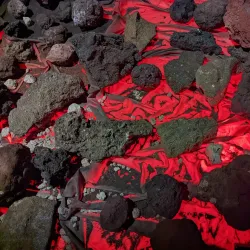


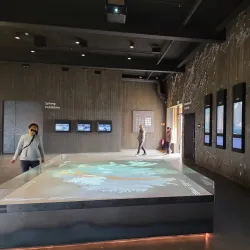
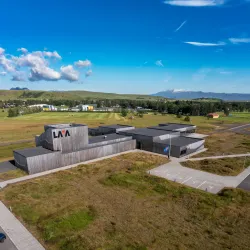
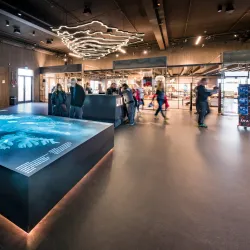
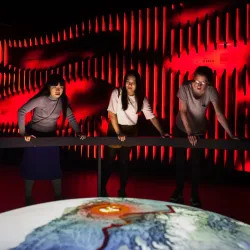
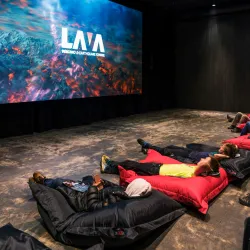
The Lava Centre is an interactive exhibition and educational center focused on Iceland's volcanic activity and earthquakes. It provides visitors with a comprehensive understanding of the geological forces shaping Iceland, including multimedia displays and simulations.
Located near Hvolsvollur, the center is a great stop for families and anyone interested in learning about the natural phenomena that define Iceland's landscape.
Þórsmörk (Thorsmork) Valley
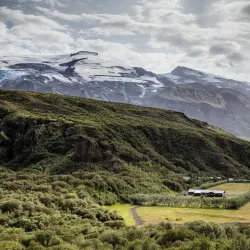
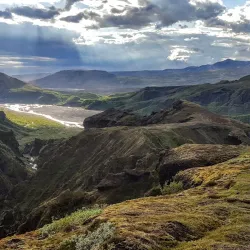
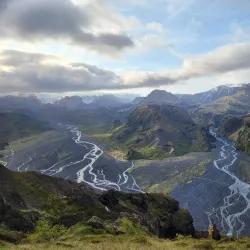
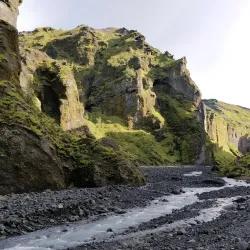
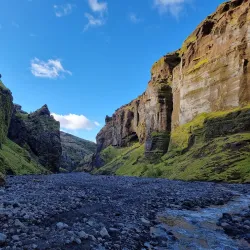
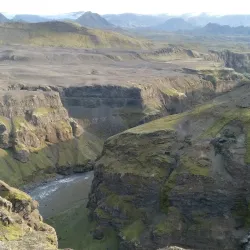
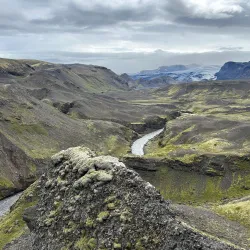
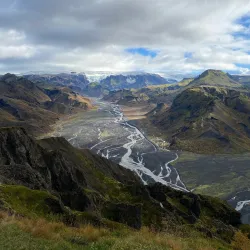
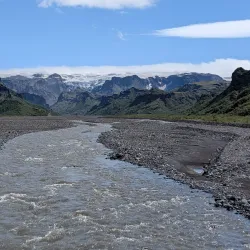
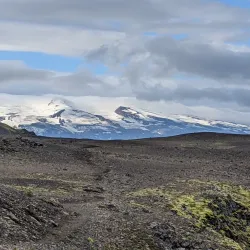
Þórsmörk is a stunning nature reserve and valley named after the Norse god Thor. It is surrounded by glaciers and mountains, offering spectacular hiking trails and breathtaking views. The area is known for its rugged terrain, lush vegetation, and diverse birdlife.
Accessible by specialized vehicles, Þórsmörk is a favorite destination for outdoor enthusiasts seeking adventure and tranquility in Iceland's wilderness.
Skógar Museum
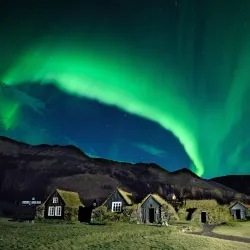
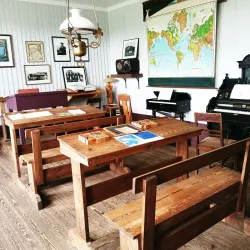
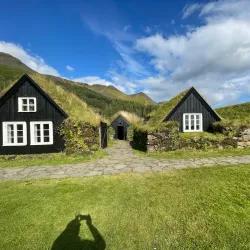
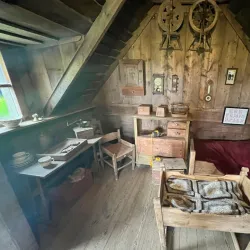
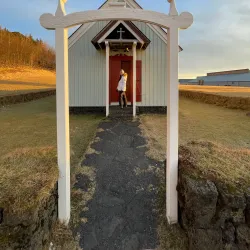
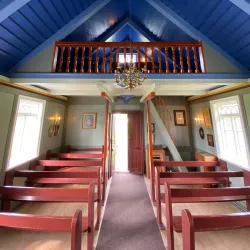
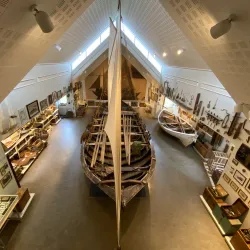
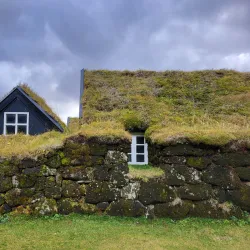
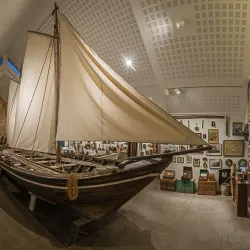
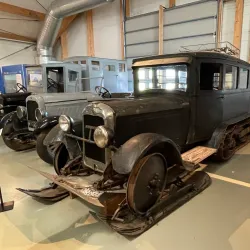
The Skógar Museum is a folk museum located near Hvolsvollur, showcasing Icelandic cultural heritage and history. It features traditional turf houses, artifacts, and exhibitions about rural life in Iceland.
The museum provides insight into the lifestyle of Icelanders in past centuries and is a valuable stop for those interested in the country's history and traditions.
Eyjafjallajökull Visitor Center
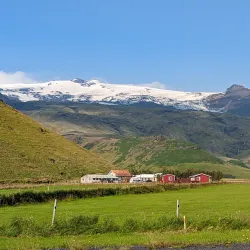
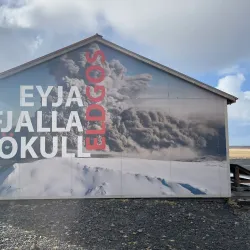
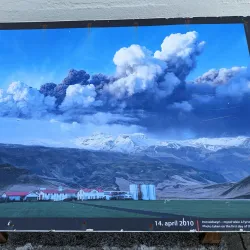
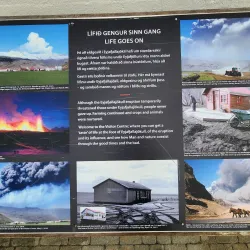
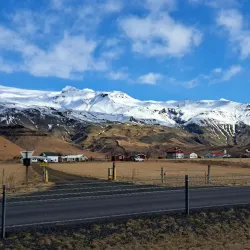
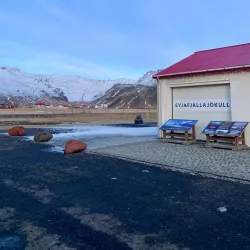
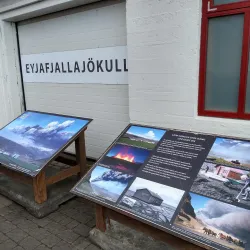
This visitor center offers detailed information about the Eyjafjallajökull volcano, famous for its 2010 eruption that disrupted air travel across Europe. Exhibits include geological data, eruption footage, and the impact of volcanic activity on the environment and local communities.
The center is educational and provides context for understanding Iceland's volcanic landscape.
Hvolsvollur Church
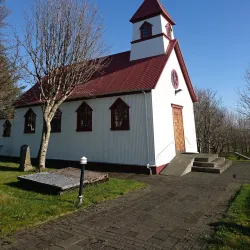
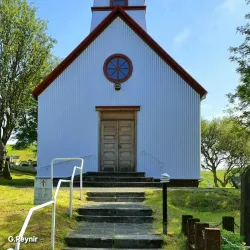
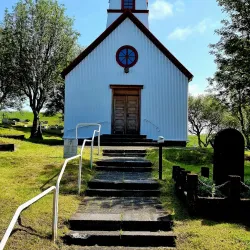
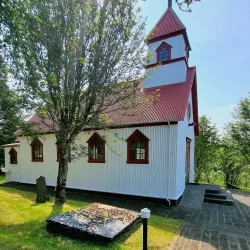
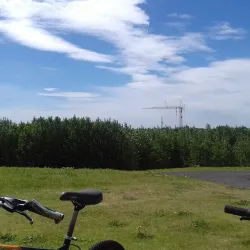
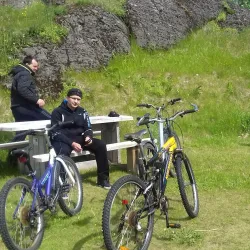
Hvolsvollur Church is a charming local church known for its simple architecture and peaceful surroundings. It represents the town's cultural and religious heritage and is a quiet place for reflection.
The church is a notable landmark within the town and often visited by those interested in Icelandic ecclesiastical architecture.
Seljavallalaug Pool
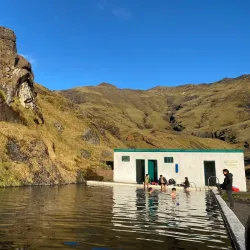
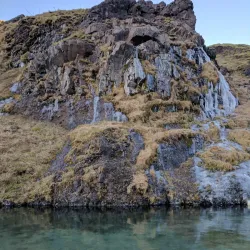
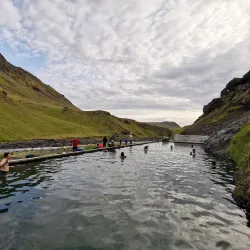
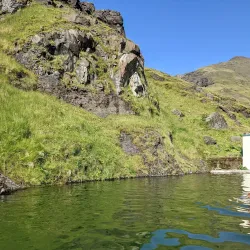
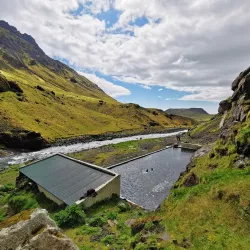
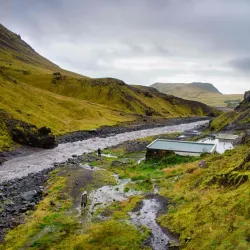
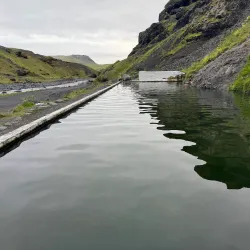
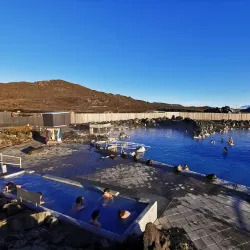
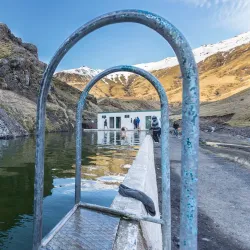
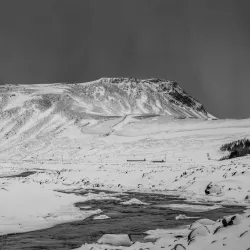
Seljavallalaug is one of Iceland's oldest swimming pools, nestled in a scenic valley near Hvolsvollur. The pool is fed by natural hot springs and offers a unique swimming experience surrounded by mountains.
It is a popular spot for hikers and travelers looking to relax in warm waters after exploring the nearby trails.
Black Sand Beaches of Reynisfjara
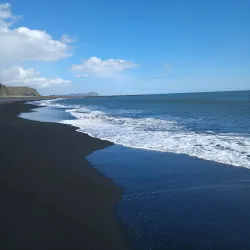
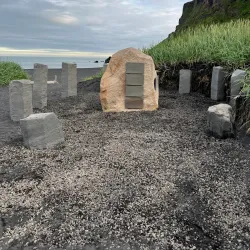
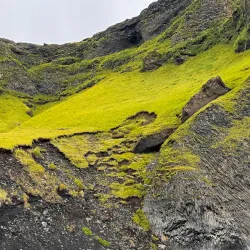
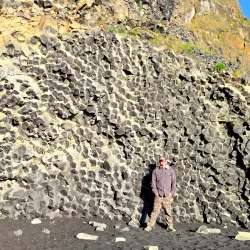
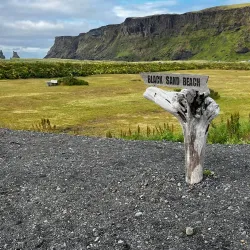
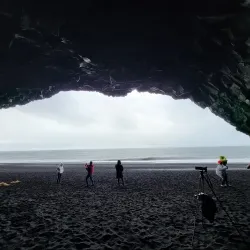
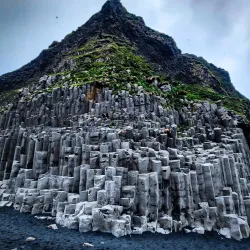
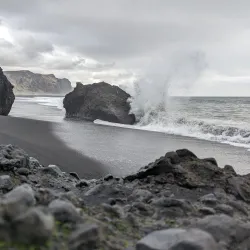
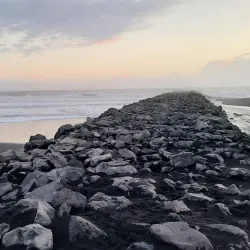
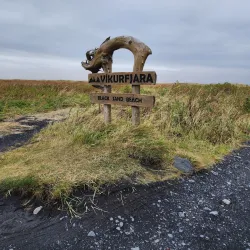
While a bit further from Hvolsvollur, the black sand beaches of Reynisfjara are a must-visit attraction in southern Iceland. Known for their striking basalt columns, powerful waves, and sea stacks, these beaches offer dramatic coastal scenery.
Visitors should exercise caution due to strong currents but are rewarded with some of Iceland's most photogenic landscapes.
Lava Fields Around Hvolsvollur
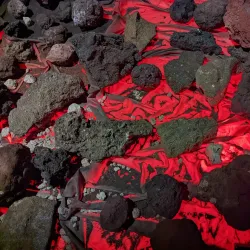
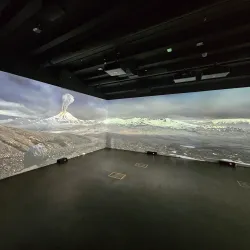

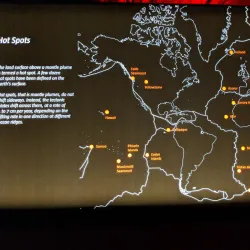
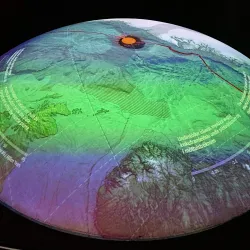
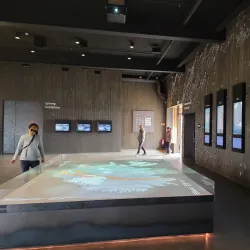
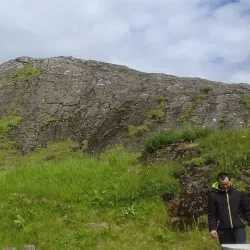
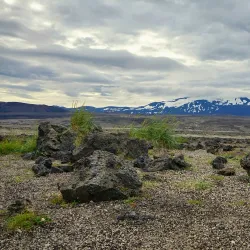
The extensive lava fields surrounding Hvolsvollur are remnants of past volcanic eruptions and create a rugged, otherworldly landscape. These fields are ideal for hiking and exploring Iceland's volcanic history up close.
The contrast between the dark lava rock and the green moss that often covers it is a distinctive feature of the Icelandic countryside.
Hekla Volcano
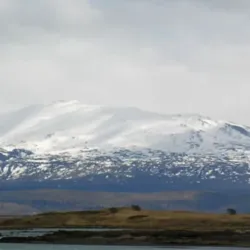
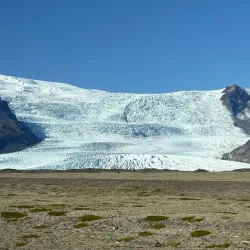
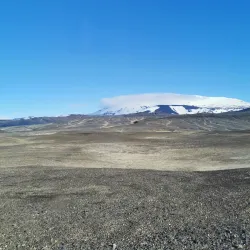
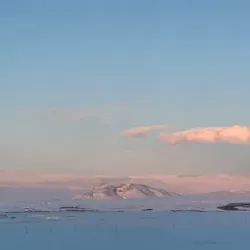
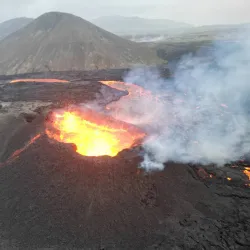
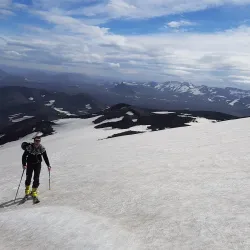
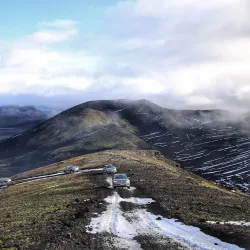
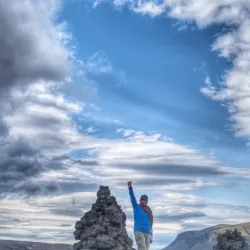
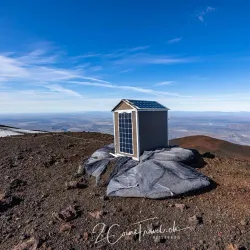
Hekla is one of Iceland's most active volcanoes and is located near Hvolsvollur. It has erupted numerous times throughout history and is a prominent feature of the Icelandic landscape.
While climbing Hekla requires preparation and caution, the volcano is a significant natural landmark and a symbol of Iceland's dynamic geology.