Things to do in Kirkjubaejarklaustur
Kirkjubæjarklaustur is a small village located in the southern part of Iceland, known for its stunning natural landscapes and rich history. It serves as a gateway to some of Iceland's most remarkable geological formations and natural attractions.The village and its surroundings offer visitors a blend of cultural heritage and outdoor adventures, including hiking, exploring lava fields, and visiting waterfalls and caves.Fjaðrárgljúfur Canyon
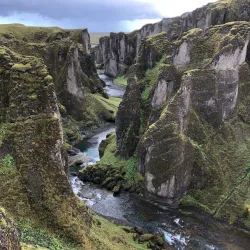
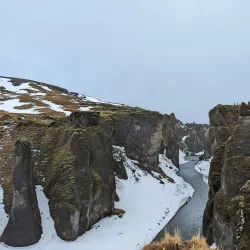
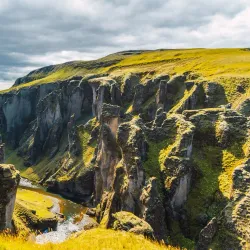
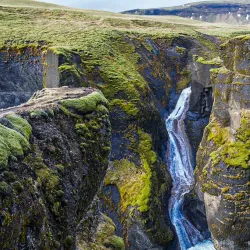
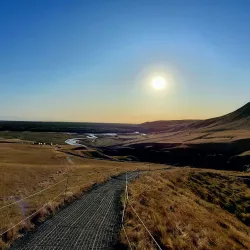
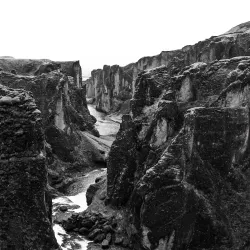
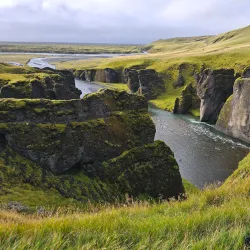
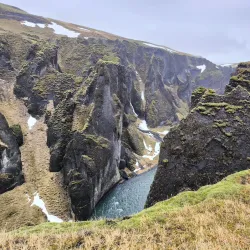
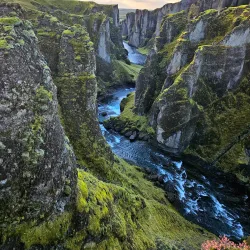
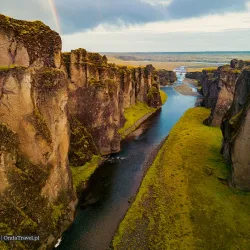
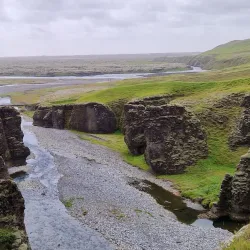
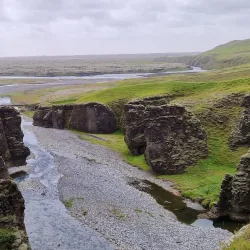
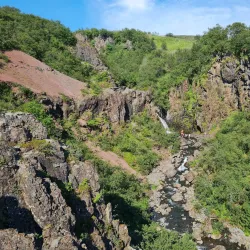
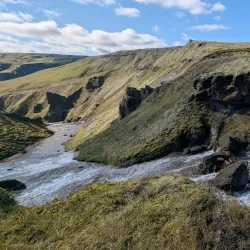
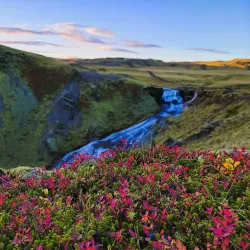
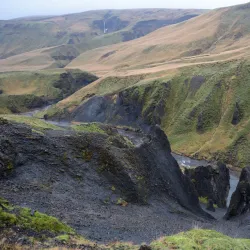
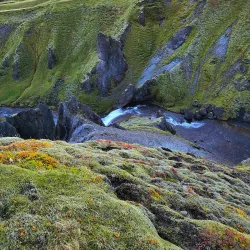
Fjaðrárgljúfur is a magnificent canyon about 2 kilometers long and up to 100 meters deep, carved by glacial waters over thousands of years. It features steep walls and winding water channels, creating a dramatic and picturesque landscape.
The canyon is accessible via walking paths that allow visitors to enjoy panoramic views and explore the unique geology and flora of the area.
Systrafoss Waterfall

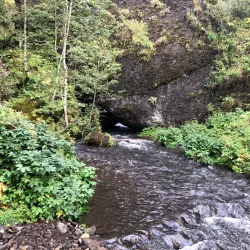


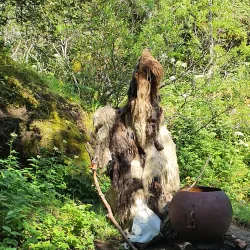
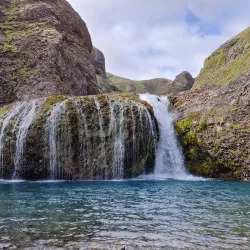
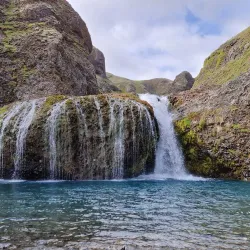
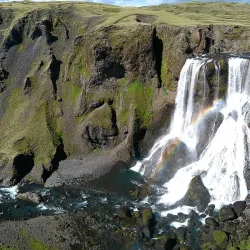
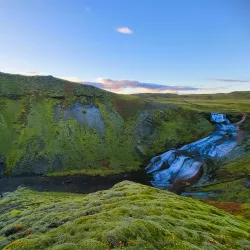
Systrafoss is a beautiful waterfall located near Kirkjubæjarklaustur, known for its twin cascades flowing into a serene pool below. It is situated close to the historic Kirkjubæjarklaustur church and convent ruins.
The waterfall is a peaceful spot for visitors to enjoy nature and take scenic photographs, especially during the summer months when the surrounding vegetation is lush.
Kirkjugólf (The Church Floor)
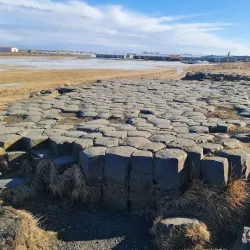
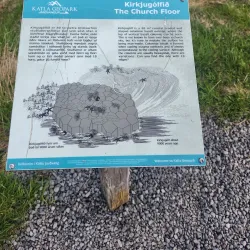
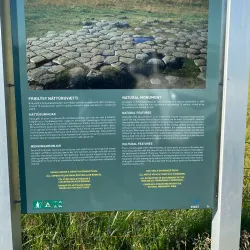
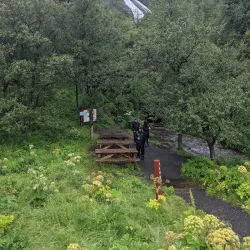
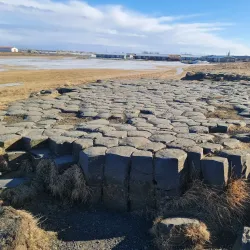
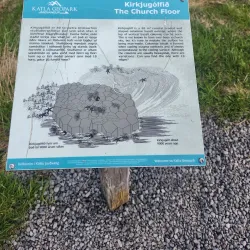
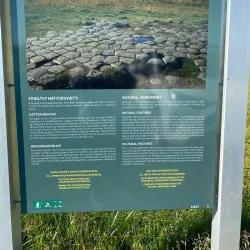
Kirkjugólf is a natural pavement of basalt columns that resembles a tiled church floor, hence its name. This geological formation is a striking example of columnar basalt, created by the cooling and cracking of lava flows.
It is located just outside Kirkjubæjarklaustur and is a popular stop for visitors interested in Iceland's volcanic landscapes.
Eldhraun Lava Field
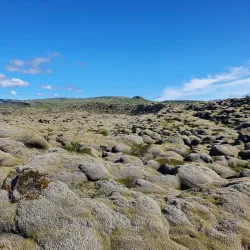
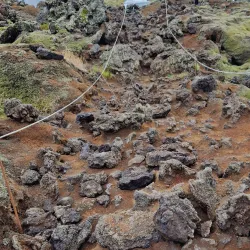
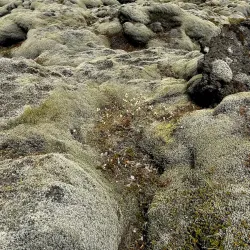
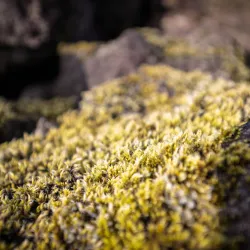
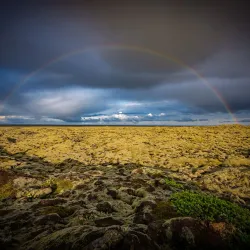
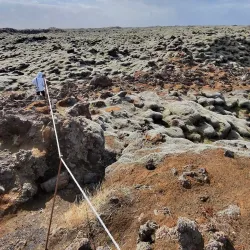
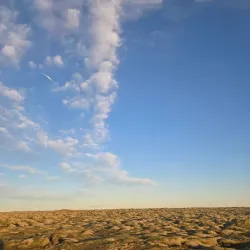
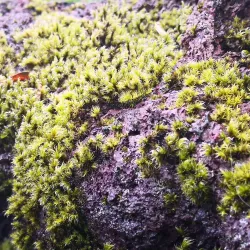
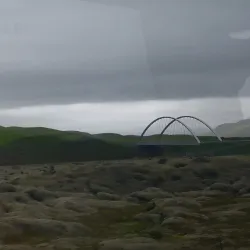
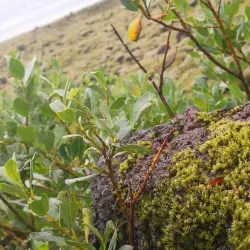
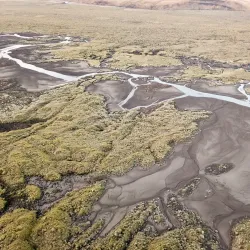
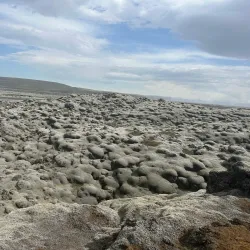
Eldhraun is one of the largest lava fields in the world, formed by a massive volcanic eruption in the 18th century. The field is covered with a thick layer of moss, giving it a surreal, almost otherworldly appearance.
Visitors can explore the lava field by walking or driving along designated paths, experiencing the vastness and unique beauty of this natural wonder.
Kirkjubæjarklaustur Church
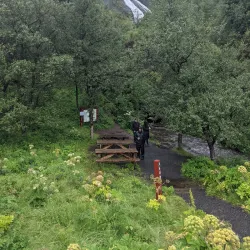
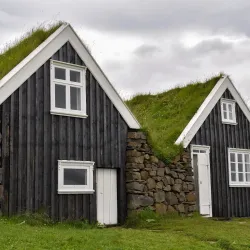
This church is a notable landmark in the village, with a history dating back to the early Christian period in Iceland. The current building features traditional Icelandic architecture and serves as a cultural and religious center for the community.
The church is often visited for its historical significance and its peaceful setting amidst the Icelandic countryside.
Laki Craters
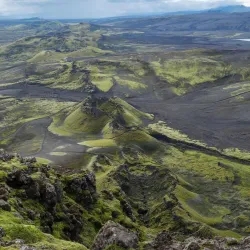

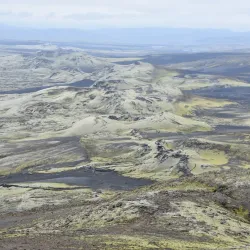
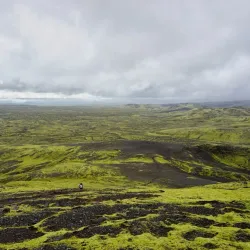
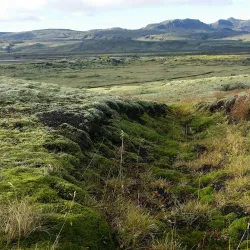
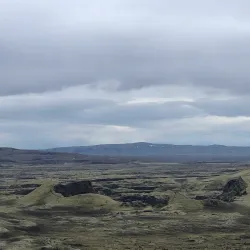

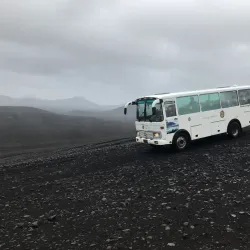
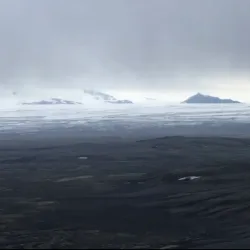
The Laki Craters are a volcanic fissure system located near Kirkjubæjarklaustur, famous for the catastrophic eruption in 1783-1784 that had significant environmental and climatic impacts.
Hiking tours to the craters offer a chance to witness the rugged volcanic landscape and learn about the geological history of the region.
Vatnajökull National Park (Skaftafell Area)
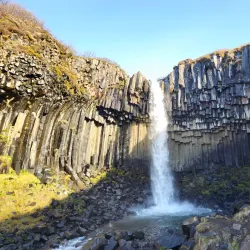
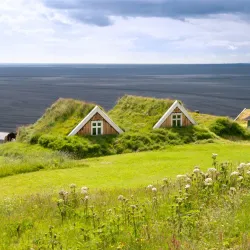
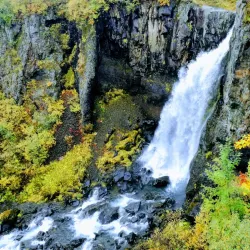
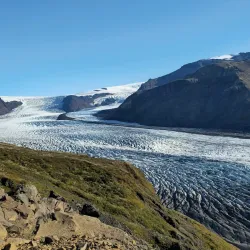
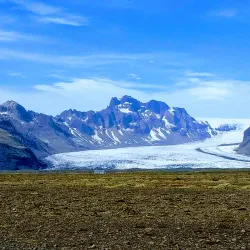
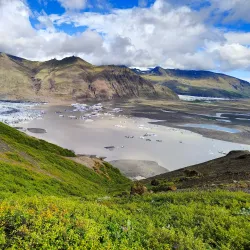
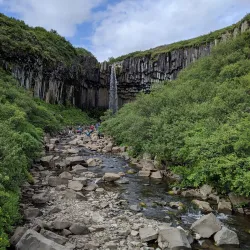
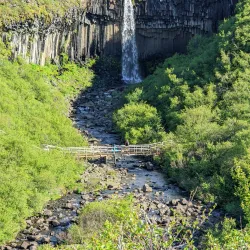
While not directly in Kirkjubæjarklaustur, the Skaftafell area of Vatnajökull National Park is nearby and accessible for day trips. It features glaciers, waterfalls, and hiking trails with stunning views of Iceland's largest glacier.
The park is ideal for outdoor enthusiasts interested in glacier hiking, ice climbing, and exploring diverse natural environments.
Dverghamrar (Dwarf Cliffs)
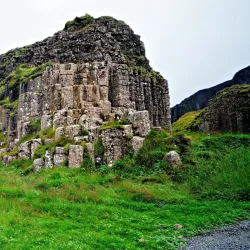

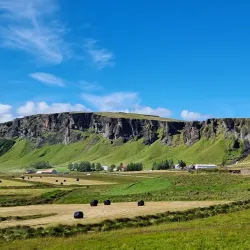
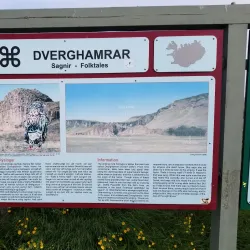
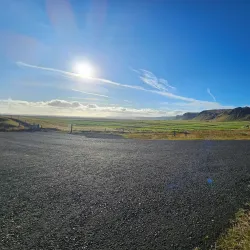
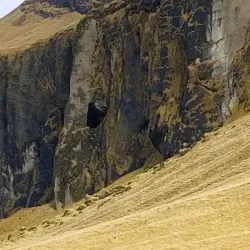
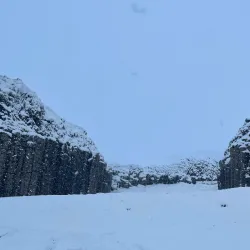
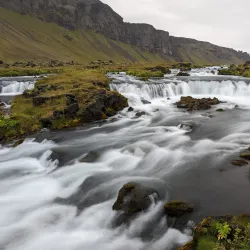
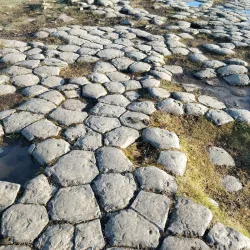
Dverghamrar is a small area of basalt columns and cliffs near Kirkjubæjarklaustur, named after the mythical dwarfs believed to inhabit the formations according to Icelandic folklore.
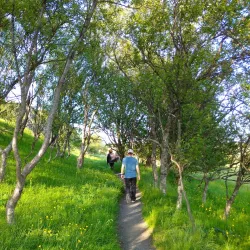
The site offers a fascinating glimpse into the volcanic geology of the region and is a popular spot for photography and short hikes.
Skaftárhreppur Heritage Museum
This local museum showcases the cultural history and heritage of the Skaftárhreppur region, including artifacts, photographs, and exhibits related to the area's settlement and natural environment.
It provides visitors with insights into the lives of the people who have lived in this remote part of Iceland over the centuries.
Laufskálavarða
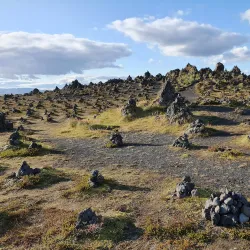
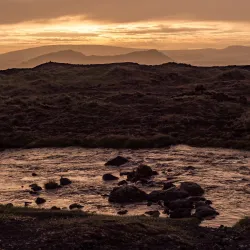
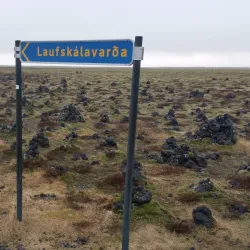
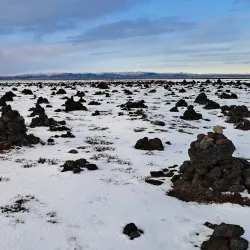
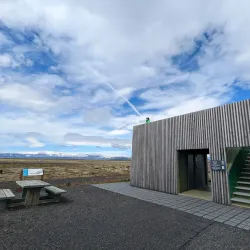
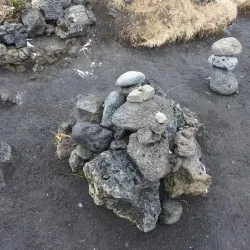
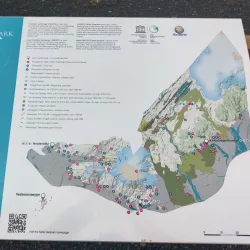
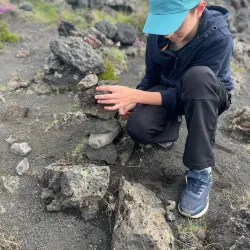
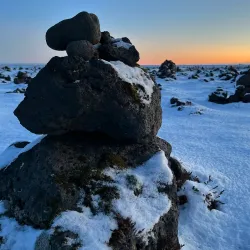
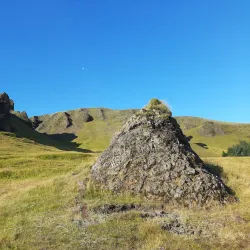
Laufskálavarða is a historic cairn located near Kirkjubæjarklaustur, traditionally used as a navigation marker for travelers crossing the challenging Icelandic highlands.
The site is significant for its cultural heritage and offers panoramic views of the surrounding landscapes.