Things to do in Ajmer
Ajmer is a city in the Indian state of Rajasthan, known for its rich history, religious significance, and cultural heritage. It is a prominent pilgrimage destination and a hub of architectural marvels dating back to various periods of Indian history.The city is famous for its blend of Hindu and Islamic cultures, reflected in its monuments, shrines, and bustling markets. Ajmer offers visitors a unique experience through its historical forts, ancient temples, and the revered Dargah Sharif.Ajmer Sharif Dargah
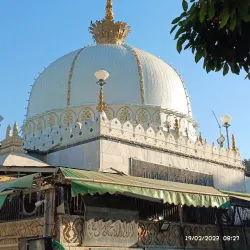
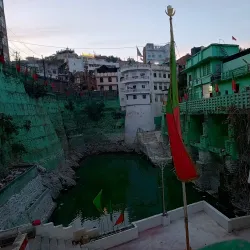
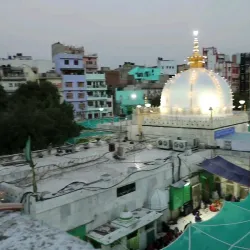
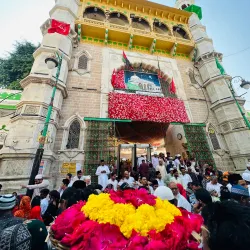
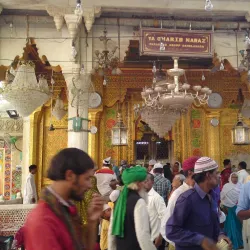
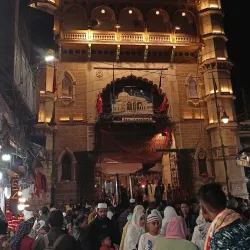
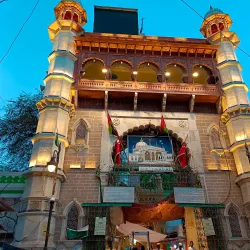
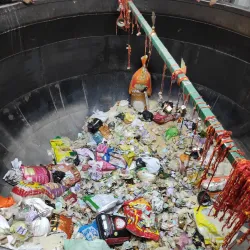
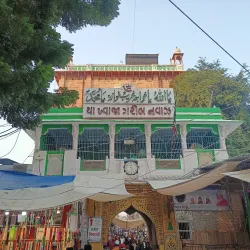
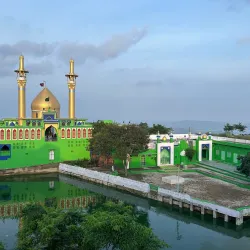
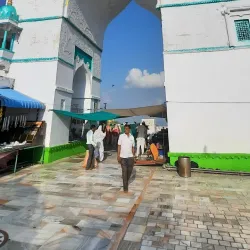
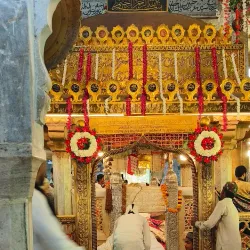
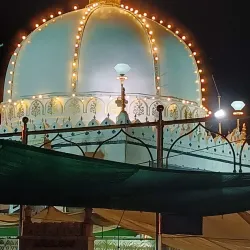
The Ajmer Sharif Dargah is the shrine of the Sufi saint Khwaja Moinuddin Chishti and is one of the most important pilgrimage sites in India. It attracts millions of devotees from all over the world, regardless of religion.
The complex includes a mosque, a large courtyard, and several tombs, showcasing exquisite Mughal architecture and spiritual significance.
Taragarh Fort
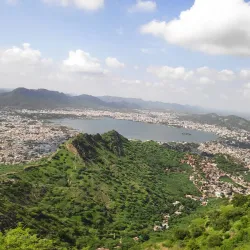
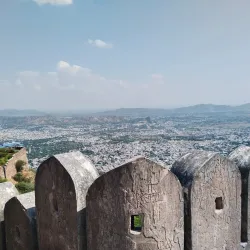
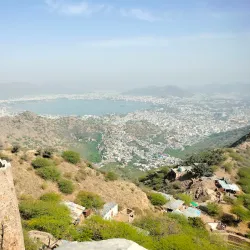
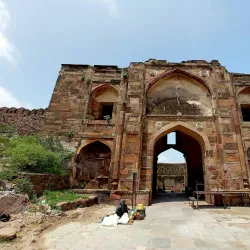
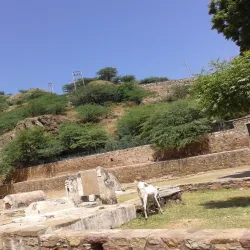
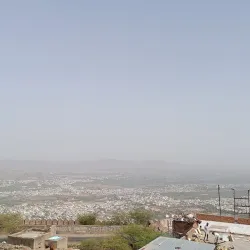
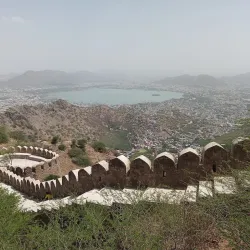
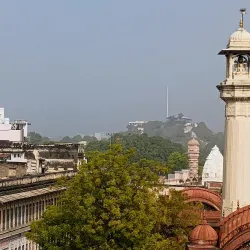
Taragarh Fort, also known as Star Fort, is a historic fort perched on a hill overlooking Ajmer. It dates back to the 14th century and is known for its impressive defensive architecture and panoramic views of the city and surrounding Aravalli hills.
The fort features massive walls, bastions, and ancient water reservoirs, making it a fascinating site for history enthusiasts and trekkers.
Adhai-din-ka-Jhonpra
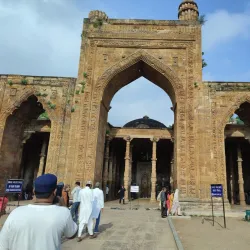
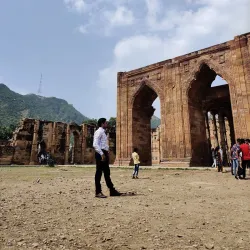
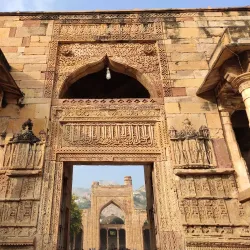
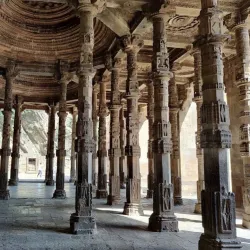
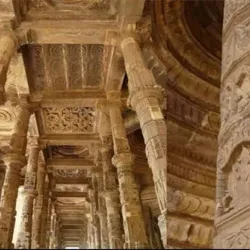
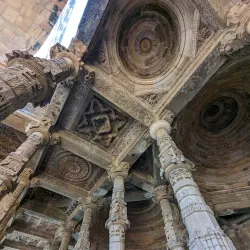
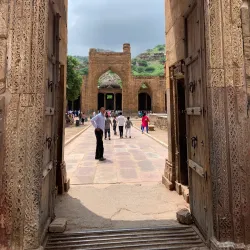
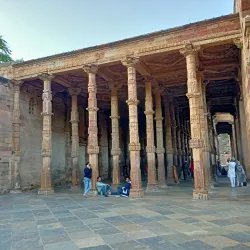
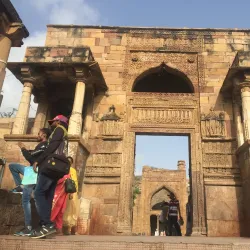
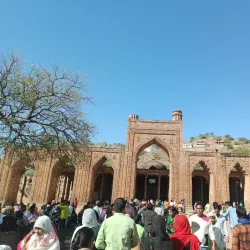
Adhai-din-ka-Jhonpra is an ancient mosque built in the 12th century and is one of the oldest Islamic monuments in India. It was originally a Sanskrit college before being converted into a mosque by Qutb-ud-Din Aibak.
The structure is renowned for its intricate Indo-Islamic architecture, including beautifully carved pillars and arches.
Anasagar Lake
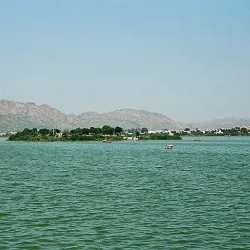
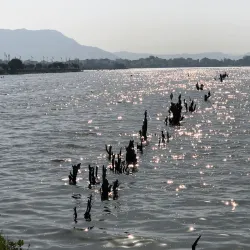
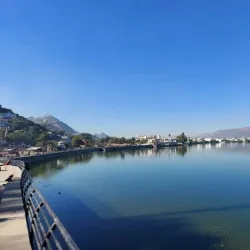
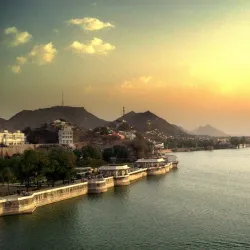
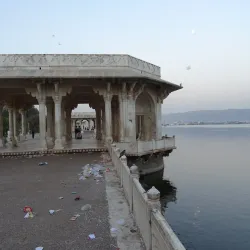
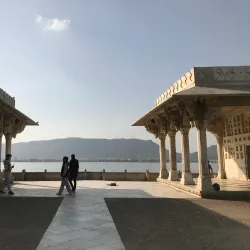
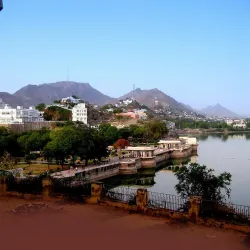
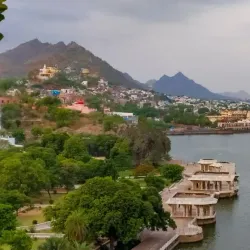

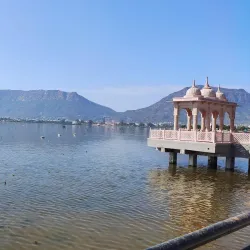
Anasagar Lake is an artificial lake built in the 12th century, providing a serene environment for visitors. It is surrounded by beautiful gardens and offers boating facilities.
The lake is a popular spot for locals and tourists alike to relax and enjoy the scenic views, especially during sunset.
Nasiyan Jain Temple
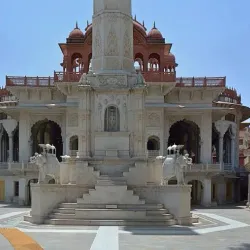
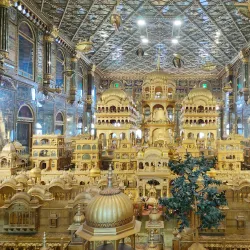
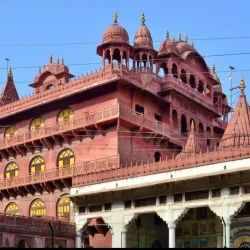
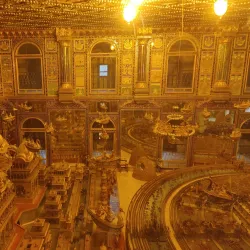
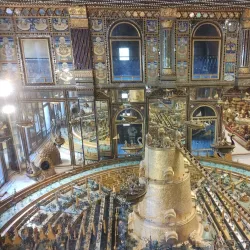
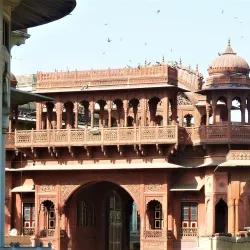
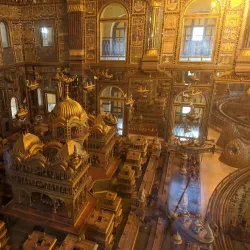
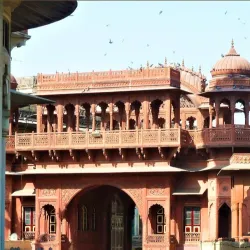
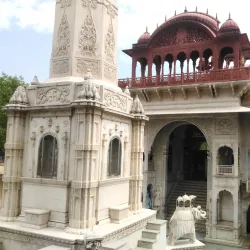
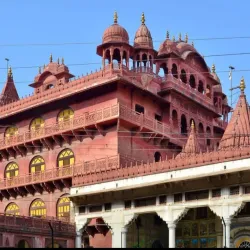
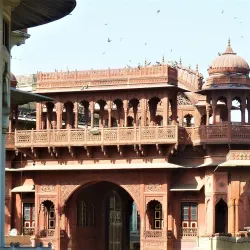
The Nasiyan Jain Temple, also known as the Red Temple, is famous for its stunning architecture and intricate wooden carvings. It houses a museum called the 'Swarna Nagari' that depicts Jain cosmology and mythology.
The temple is a significant religious site for Jains and a visual treat for visitors interested in art and spirituality.
Foy Sagar Lake

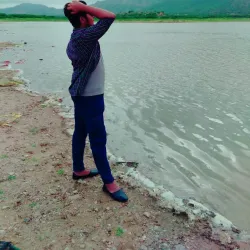


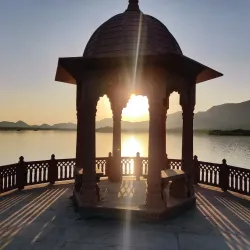
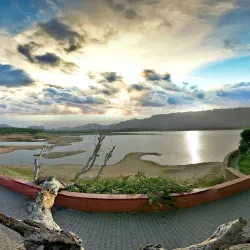
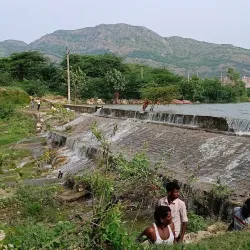
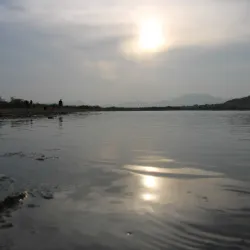

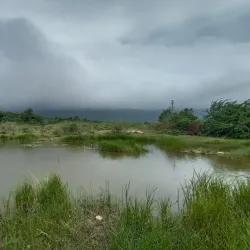
Foy Sagar Lake is a large artificial lake located on the outskirts of Ajmer, built by Colonel Foy in the 19th century. It is surrounded by hills and offers a peaceful retreat from the city bustle.
The lake area is ideal for picnics, bird watching, and enjoying nature walks.
Rangji Temple
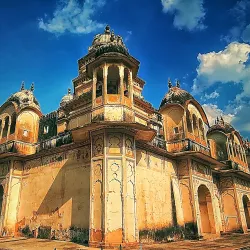
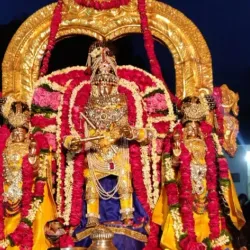
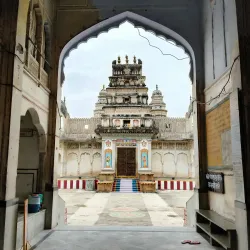
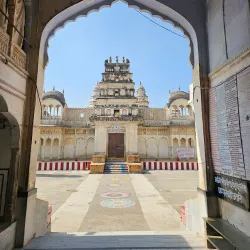
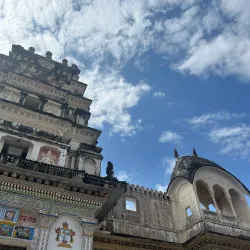
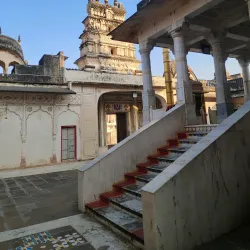
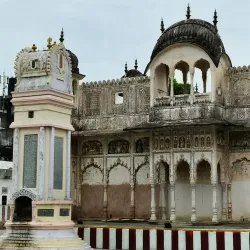
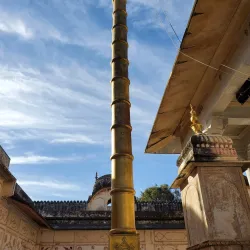
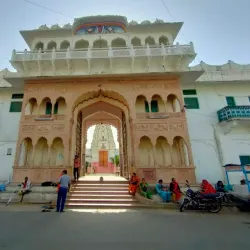
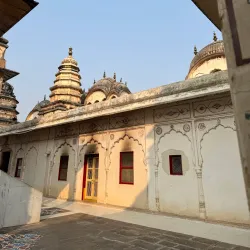
Rangji Temple is a notable Hindu temple dedicated to Lord Rangji (a form of Lord Vishnu). It is known for its South Indian architectural style, which is unique in Rajasthan.
The temple complex includes beautifully carved pillars, a large hall, and a sanctum adorned with colorful paintings and sculptures.
Government Museum Ajmer
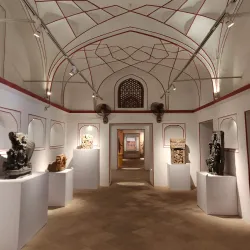

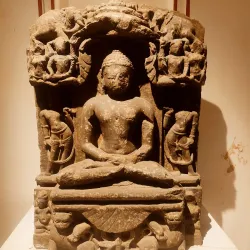
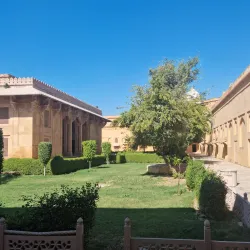

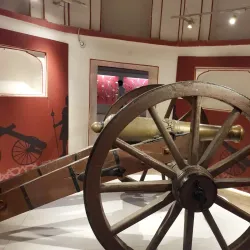

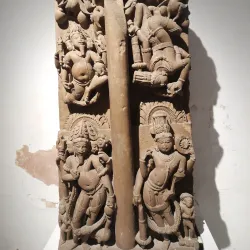
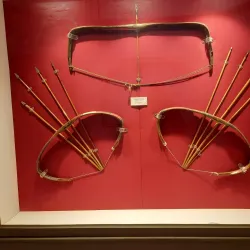
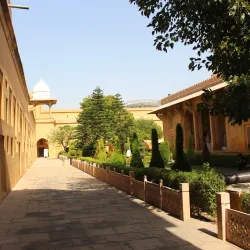
The Government Museum in Ajmer showcases a collection of artifacts related to the history, culture, and art of Rajasthan. It includes sculptures, coins, paintings, and manuscripts.
The museum provides valuable insights into the region's heritage and is a great place for history buffs to explore.
Nasiyan Jain Temple Museum
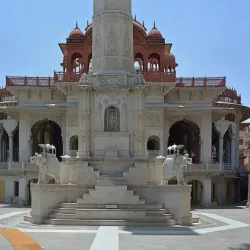
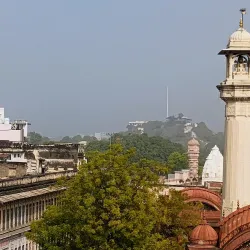
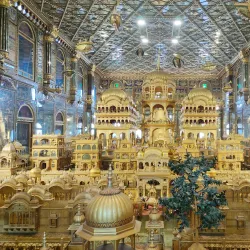
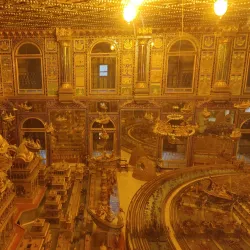
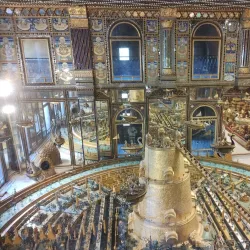
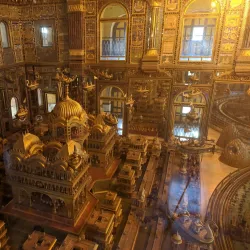
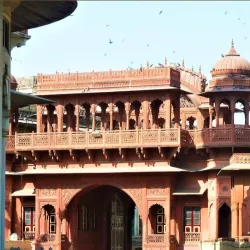
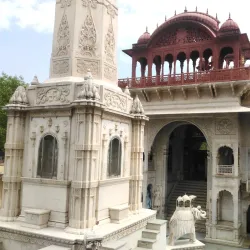
This museum within the Nasiyan Jain Temple complex displays detailed models and dioramas illustrating Jain philosophy and history. It is known for its artistic and educational value.
Visitors can learn about Jainism's teachings and the temple's architectural significance through the exhibits.
Soni Ji Ki Nasiyan
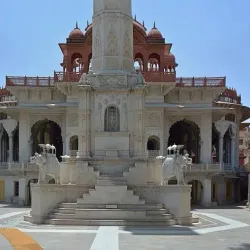
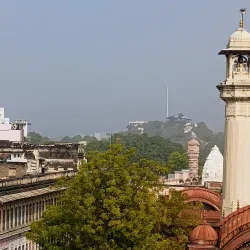
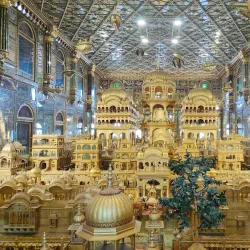
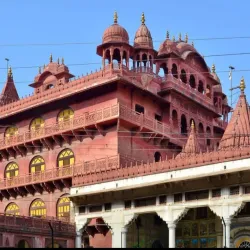
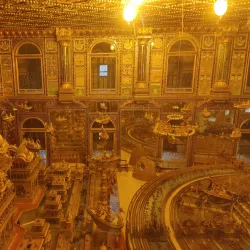
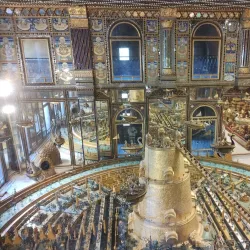
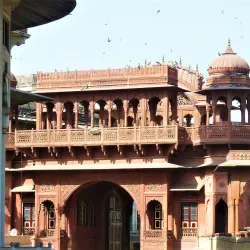
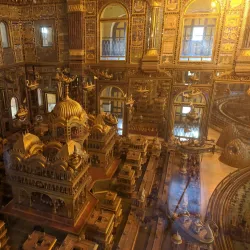
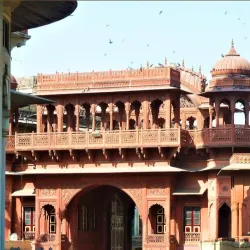
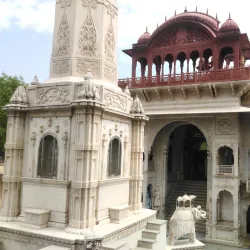
Soni Ji Ki Nasiyan is another name for the Nasiyan Jain Temple, highlighting its importance as a religious and architectural landmark in Ajmer.
The temple's red facade and intricate interiors make it a must-visit for those interested in religious art and history.