Things to do in Bijapur
Bijapur, located in the state of Karnataka, India, is renowned for its rich historical and architectural heritage. The city was a prominent center during the Adil Shahi dynasty and is famous for its impressive Islamic architecture, including grand mosques, mausoleums, and forts.Bijapur offers visitors a glimpse into the past with its well-preserved monuments, intricate carvings, and unique blend of Persian and Deccan styles. The city is also known for its peaceful ambiance and cultural significance, making it a fascinating destination for history enthusiasts and travelers alike.Gol Gumbaz
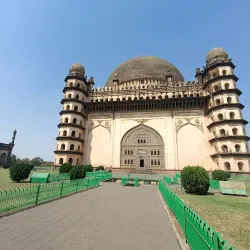

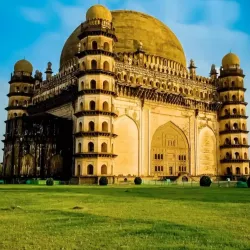
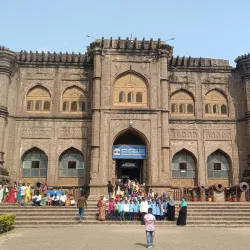
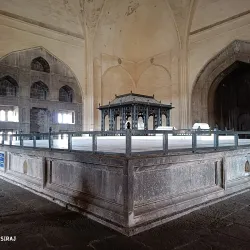
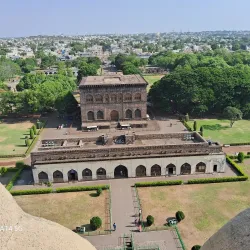
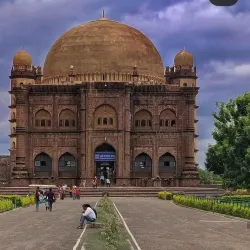
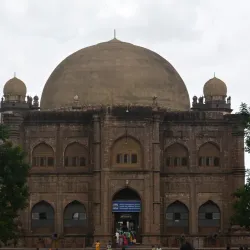
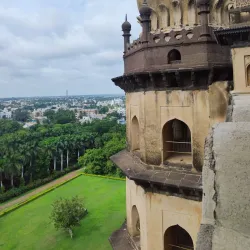
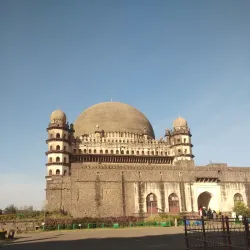
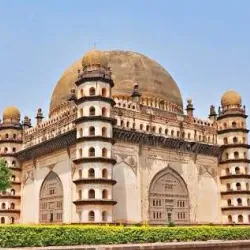
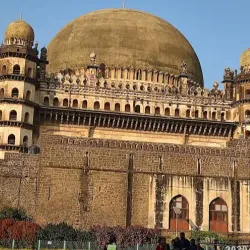
Gol Gumbaz is the most famous monument in Bijapur, known for its massive dome which is one of the largest in the world. The mausoleum houses the tomb of Sultan Mohammed Adil Shah and features remarkable acoustics in its whispering gallery, where even the slightest sound can be heard across the dome.
This architectural marvel is a prime example of Deccan Sultanate architecture and attracts visitors for its grandeur and historical significance.
Bijapur Fort
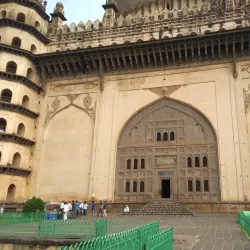
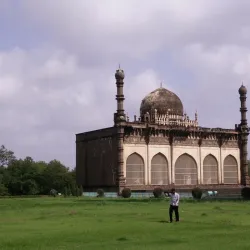
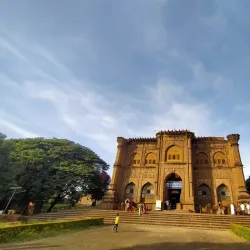
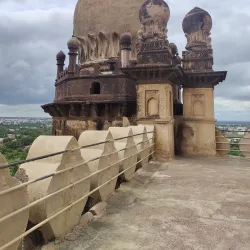
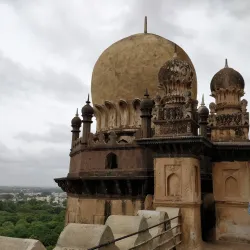
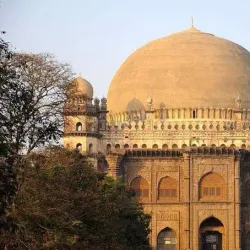
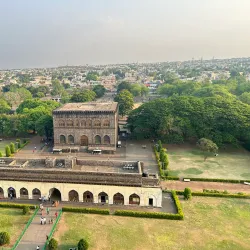
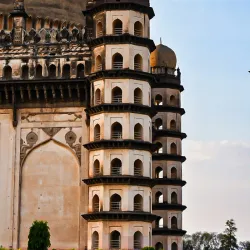
Bijapur Fort is a historic fortification that encompasses several important structures including palaces, mosques, and gardens. The fort walls and gates reflect the military architecture of the Adil Shahi dynasty.
Inside the fort complex, visitors can explore various monuments that showcase the blend of Persian and Indian architectural styles.
Jama Masjid
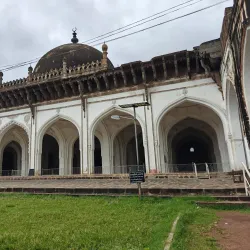
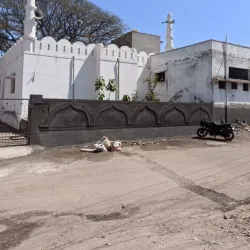
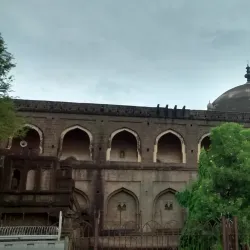
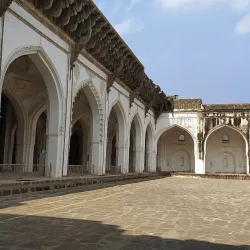
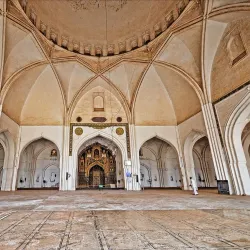
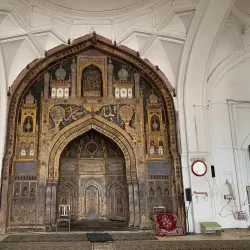
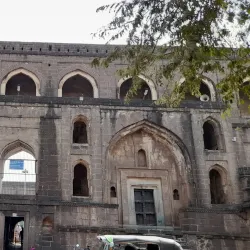
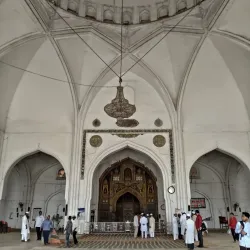
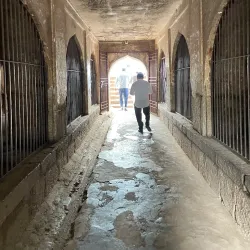
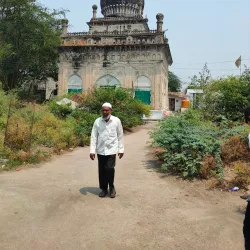
Jama Masjid is a grand mosque built during the Adil Shahi period, known for its impressive arches and intricate stone carvings. It serves as a significant place of worship and a fine example of Islamic architecture in the region.
The mosque’s spacious courtyard and detailed craftsmanship make it a popular site for visitors interested in religious and architectural history.
Ibrahim Rauza
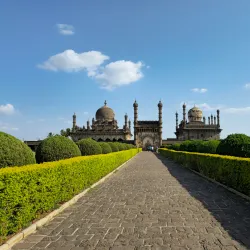
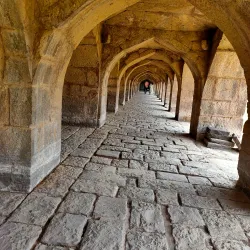
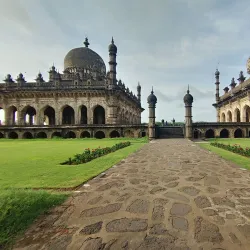
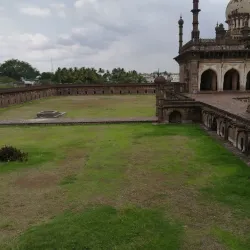
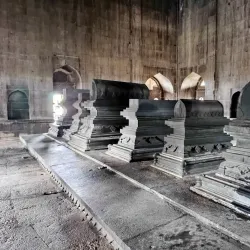
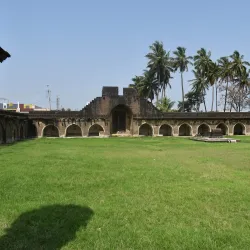
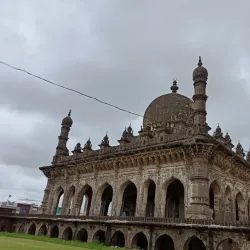
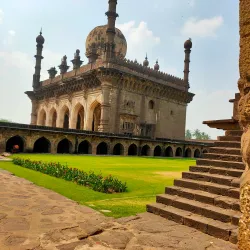
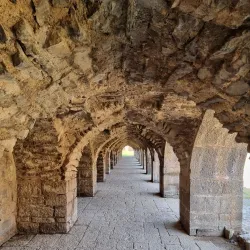

Ibrahim Rauza is a beautiful tomb complex that is often compared to the Taj Mahal for its elegance and symmetry. It houses the tomb of Ibrahim Adil Shah II and is surrounded by well-maintained gardens.
The monument is admired for its detailed ornamentation and balanced proportions, representing the zenith of Adil Shahi architecture.
Malik-e-Maidan
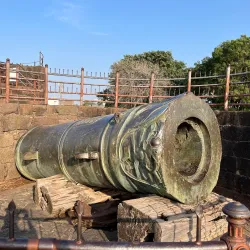
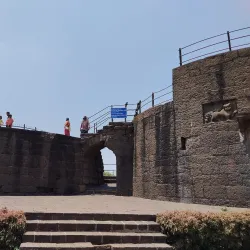
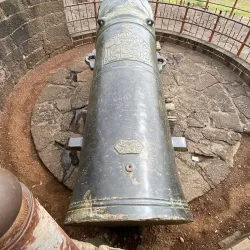
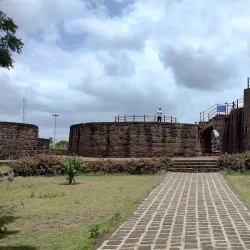
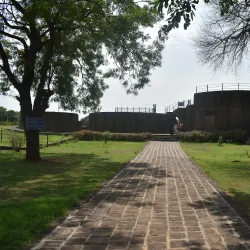
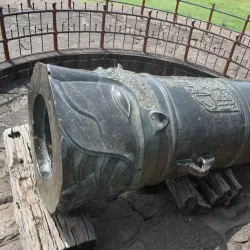
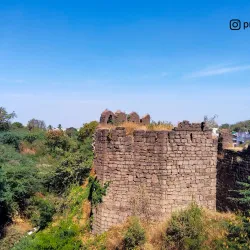
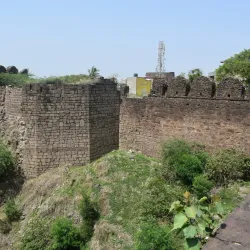
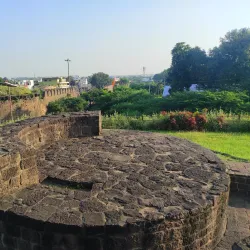
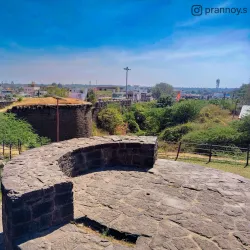
Malik-e-Maidan is a massive cannon located near Bijapur Fort, reputed to be one of the largest medieval cannons in the world. It symbolizes the military strength of the Adil Shahi rulers.
The cannon is an impressive sight and a popular attraction for those interested in historical weaponry and military history.
Asar Mahal
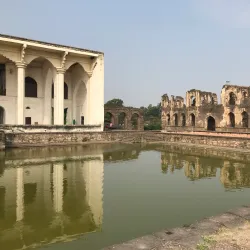
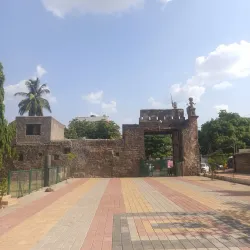
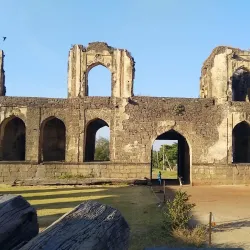
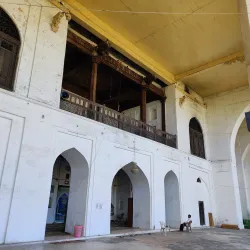
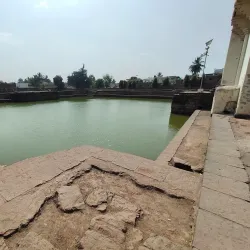
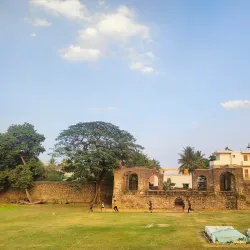
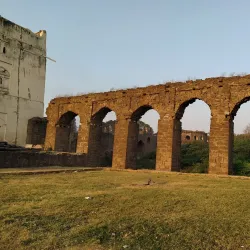
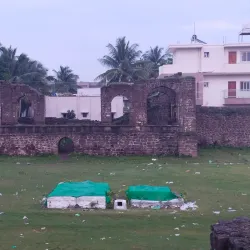
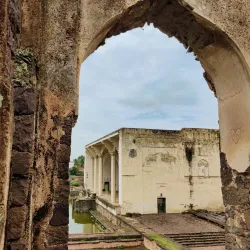
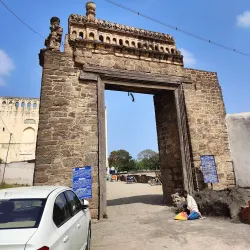
Asar Mahal is a historic palace known for its architectural beauty and historical significance. It was used as a court and a place for royal gatherings during the Adil Shahi era.
The palace features intricate designs and offers insight into the royal lifestyle and governance of the time.
Chand Bawdi
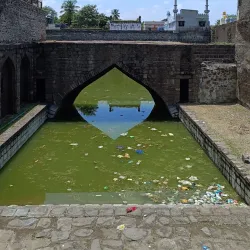



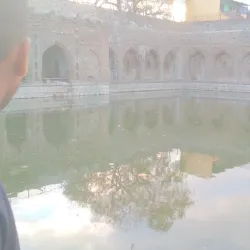
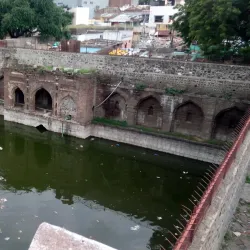

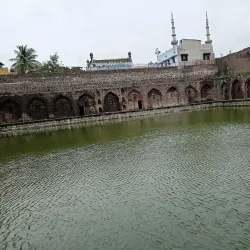
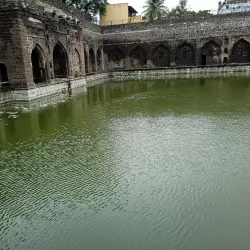

Chand Bawdi is an ancient stepwell located in Bijapur, known for its unique design and historical importance. Stepwells were used for water storage and social gatherings in the past.
This site provides a glimpse into the engineering and cultural practices of the region during the medieval period.
Gagan Mahal
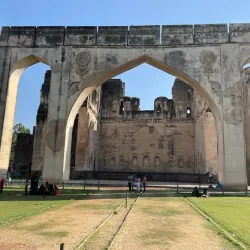
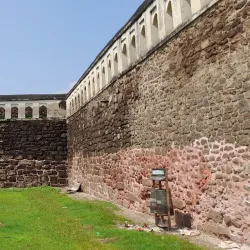
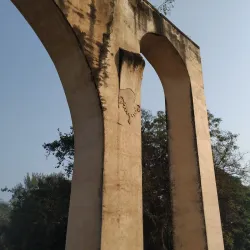
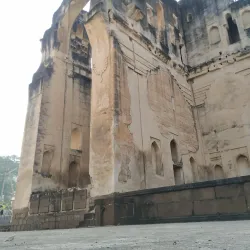
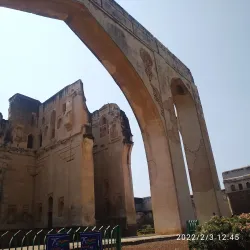
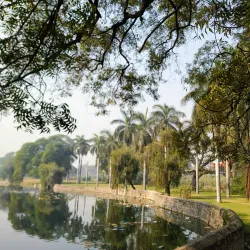
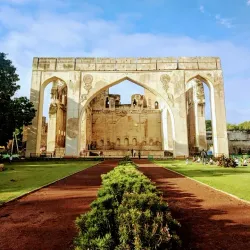
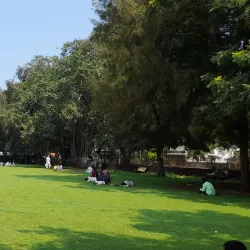
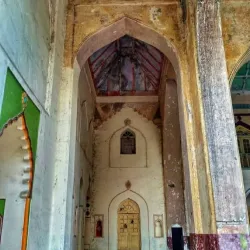

Gagan Mahal is a palace built by the Adil Shahi rulers, notable for its large hall and impressive architecture. It served as a royal residence and a place for official functions.
The palace is an important cultural landmark that reflects the grandeur of Bijapur’s historical era.
Barakaman
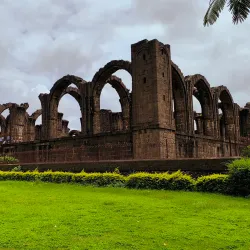
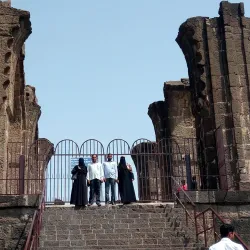
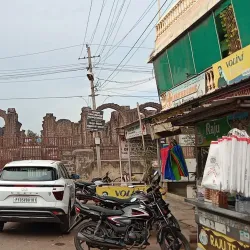
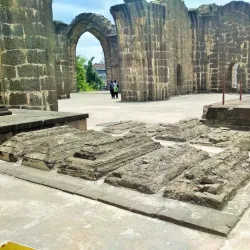
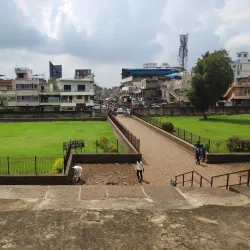
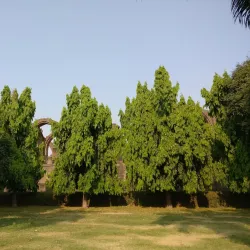
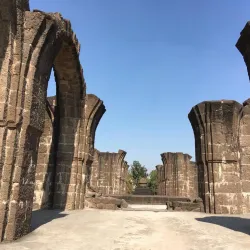
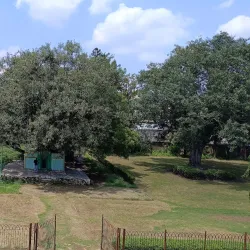

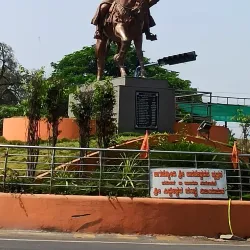
Barakaman is a group of twelve arches that are part of an unfinished mausoleum complex. The site is significant for its architectural style and historical context within the Adil Shahi dynasty.
Visitors appreciate the site for its unique design and the insight it offers into the region’s architectural evolution.
Sat Manzil
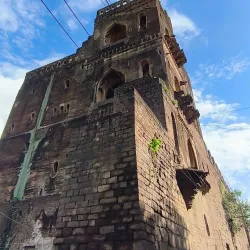
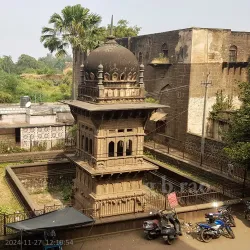
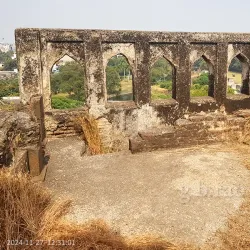
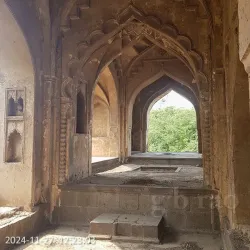
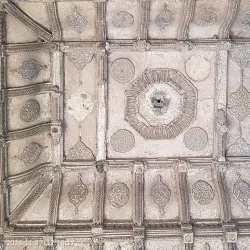
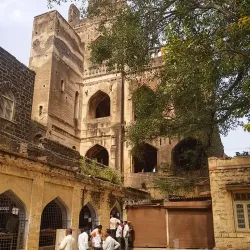
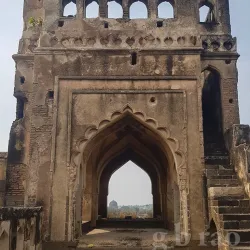
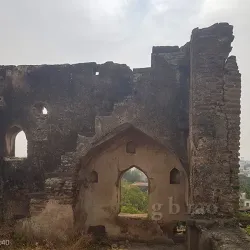
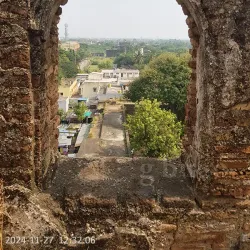
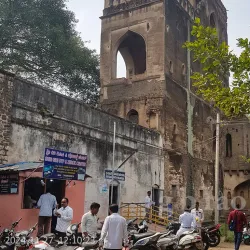
Sat Manzil is a seven-storied palace known for its distinctive architecture and historical relevance. It was used as a royal residence and administrative center.
The palace’s structure and design provide a fascinating look into the lifestyle and governance of the Adil Shahi rulers.