
Quality of life in Gurgaon
Cost of Living, Healthcare, Safety, Education, and More
About Gurgaon
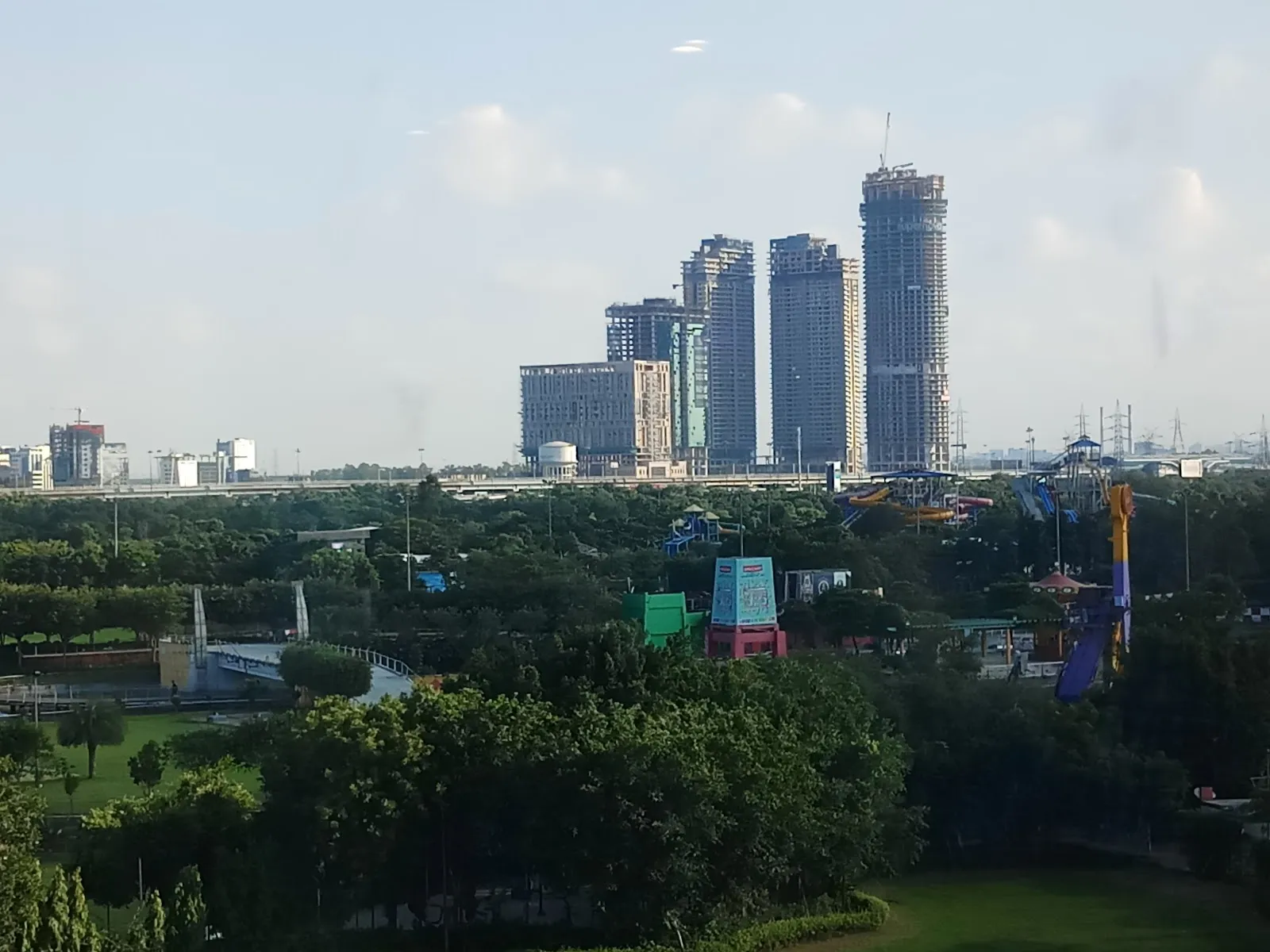
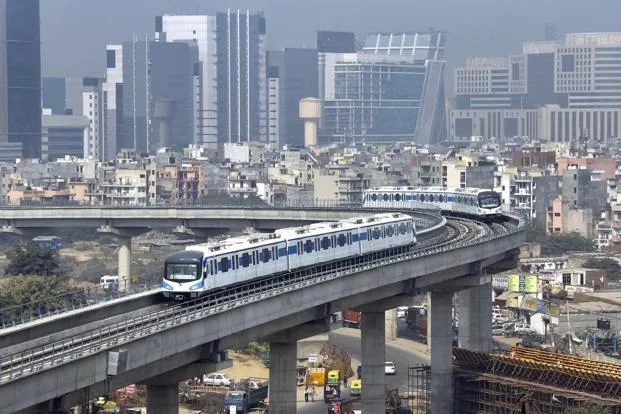
Gurgaon, officially known as Gurugram, is a bustling city located in the northern part of India, within the state of Haryana. Known for its rapid urbanization and modern infrastructure, Gurgaon has emerged as a leading financial and industrial hub in India. The city is home to numerous multinational companies, making it a significant center for business and technology.Gurgaon is characterized by its impressive skyline, featuring a mix of contemporary architecture and traditional Indian elements. The city offers a vibrant lifestyle with a plethora of shopping malls, entertainment centers, and dining options. Despite its modernity, Gurgaon retains a rich cultural heritage, with various festivals and cultural events celebrated throughout the year.


History and Culture
Gurgaon's history dates back to ancient times, with its name derived from Guru Dronacharya, a revered figure in Indian mythology. The city has witnessed significant historical events, including its role in the Mahabharata epic. Over the centuries, Gurgaon has evolved from a small agricultural village to a thriving urban center.
The cultural landscape of Gurgaon is diverse, influenced by its proximity to the national capital, Delhi. The city hosts several cultural institutions, including art galleries, theaters, and museums, which contribute to its vibrant arts scene. Traditional music and dance forms are an integral part of Gurgaon's cultural fabric, with numerous performances and festivals held throughout the year.
Gurgaon's ethnic diversity is reflected in its culinary offerings, with a wide range of cuisines available, from traditional Indian dishes to international flavors. The city is also known for its local festivals, such as the Surajkund Mela, which showcases traditional crafts and cultural performances, attracting visitors from across the country.
Things to do in Gurgaon
Gurgaon offers a variety of activities and attractions for visitors and residents alike. The city is home to several parks and green spaces, such as the Leisure Valley Park, which provides a serene escape from the urban hustle. For those interested in shopping and entertainment, the Ambience Mall and Cyber Hub are popular destinations, offering a mix of retail outlets, restaurants, and entertainment options.
Cultural enthusiasts can explore the Kingdom of Dreams, a unique entertainment destination that combines theater, music, and cuisine to showcase India's diverse cultural heritage. The city also hosts numerous events and festivals, such as the Gurgaon Utsav, which celebrates local art, music, and dance.
For outdoor activities, the Aravalli Biodiversity Park offers hiking trails and opportunities to explore the region's natural beauty. Additionally, Gurgaon is known for its vibrant nightlife, with a range of bars, clubs, and lounges catering to different tastes.
Quality of Life Rankings
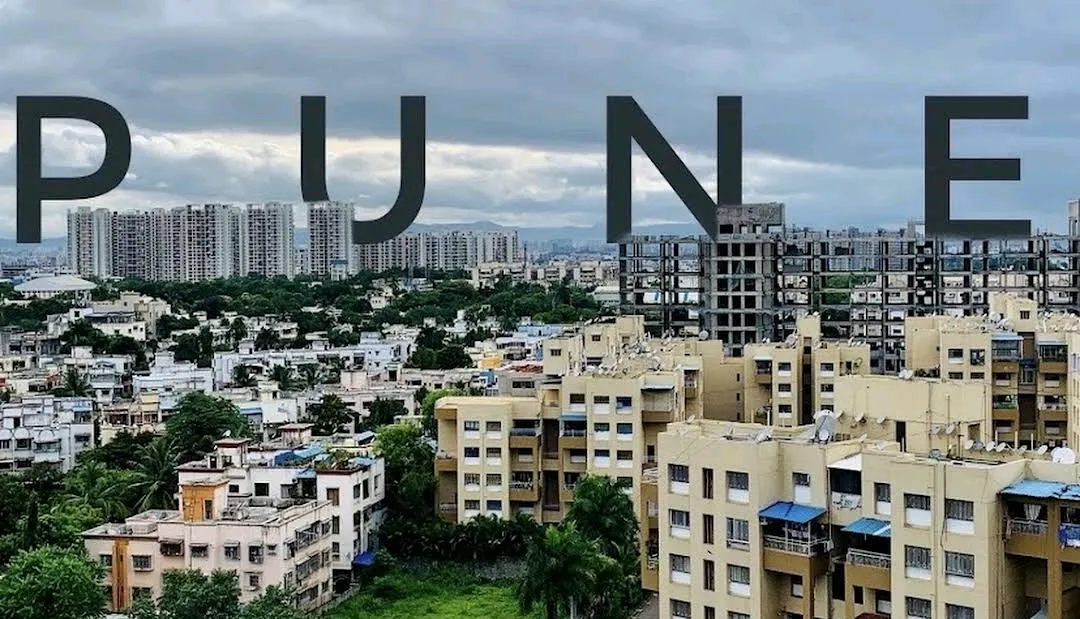
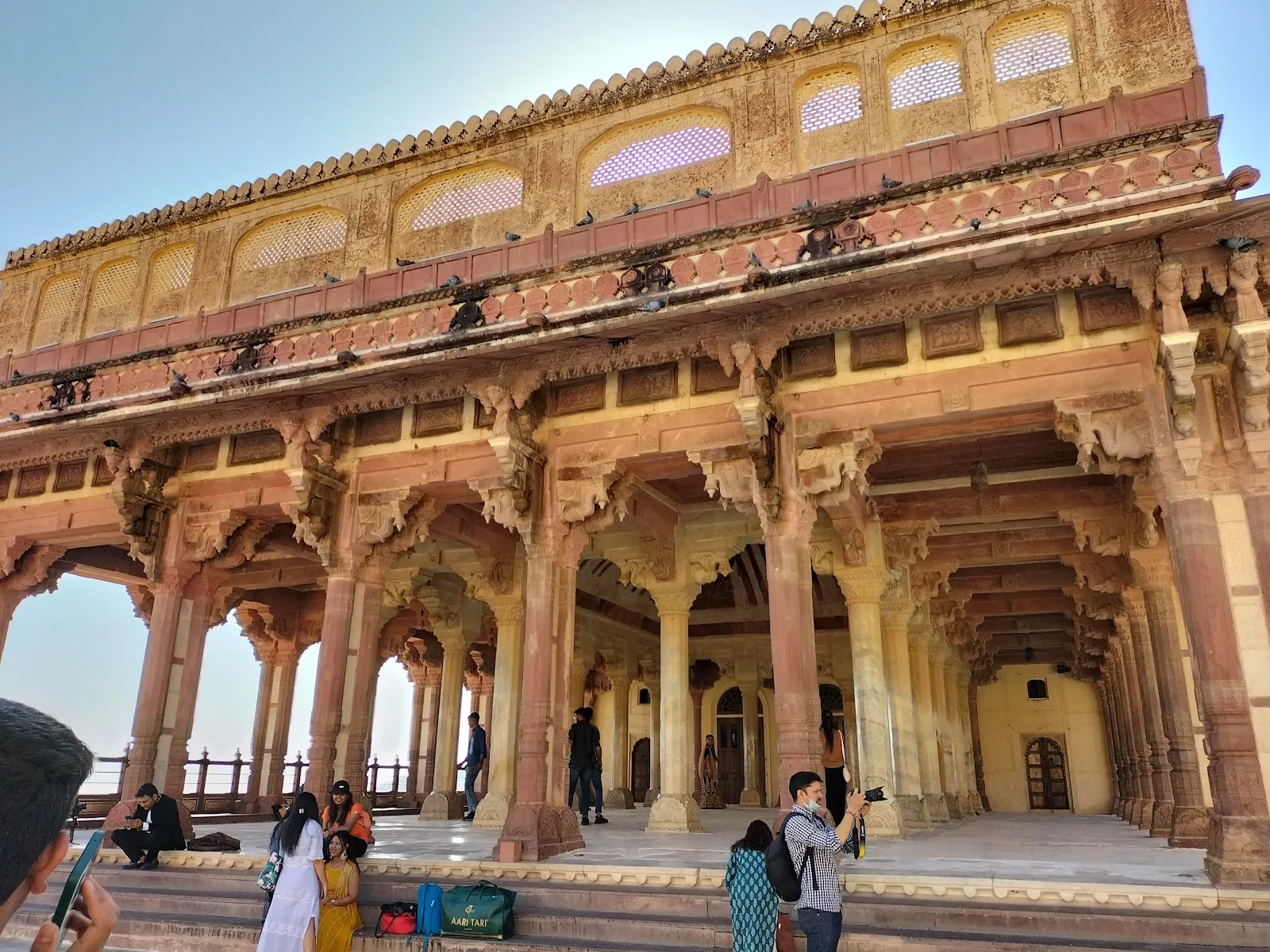
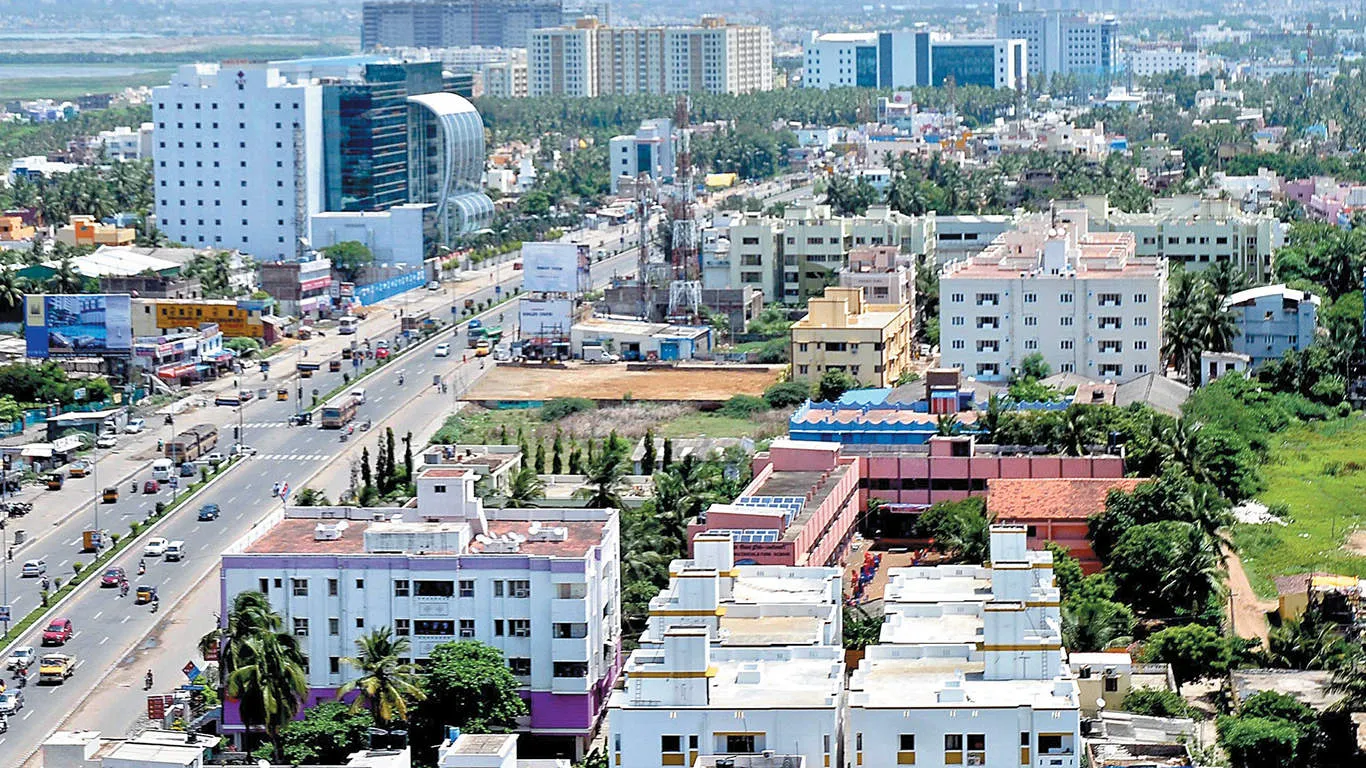
Gurgaon ranks 10th on the Quality of Life rankings in India.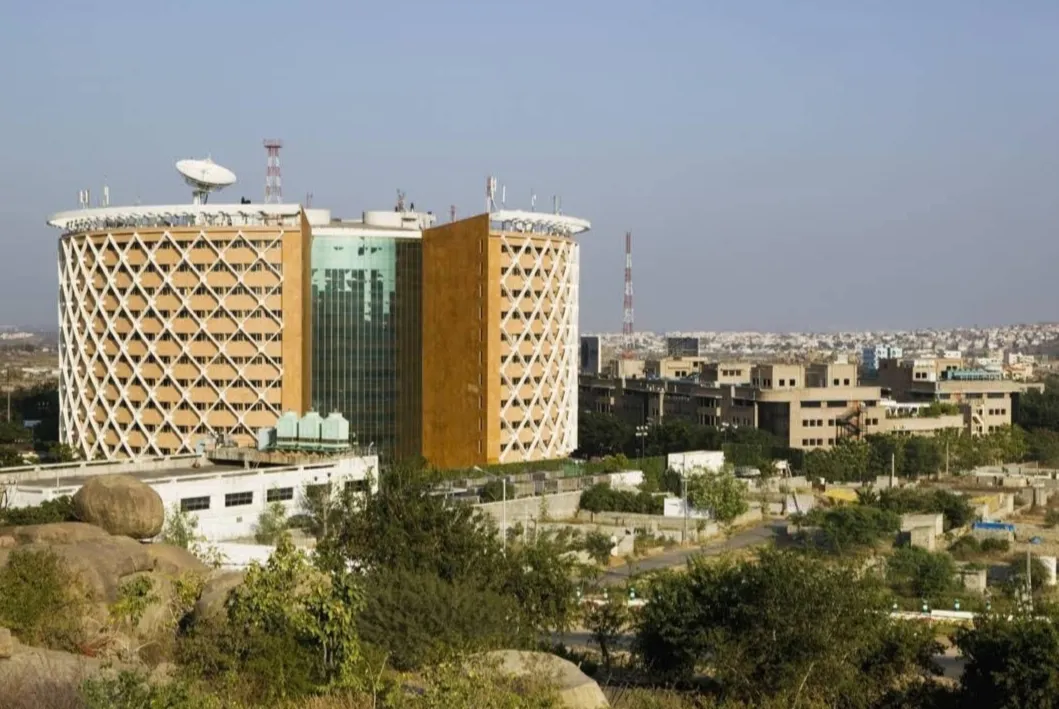

Weather in Gurgaon
Gurgaon, India experiences a humid subtropical climate characterized by hot summers, a monsoon season, and mild winters. The city receives an average annual precipitation of approximately 29 inches (737 mm), with July being the wettest month, averaging around 9 inches (229 mm) of rainfall.
Seasonal Breakdown
- Spring (March to May)Temperatures gradually rise from an average high of 82°F (28°C) in March to 104°F (40°C) in May. Rainfall is minimal during this period, with occasional pre-monsoon showers in May.
- Summer (June to August)The hottest months, with average highs ranging from 104°F (40°C) in June to 95°F (35°C) in August. The monsoon season begins in late June, bringing heavy rainfall, especially in July, which averages around 9 inches (229 mm).
- Autumn (September to November)Temperatures gradually decrease from an average high of 93°F (34°C) in September to 77°F (25°C) in November. Rainfall decreases significantly after the monsoon, averaging around 1.5 inches (38 mm) per month.
- Winter (December to February)The coldest period, with average highs ranging from 68°F (20°C) in December to 73°F (23°C) in February. Nights can be chilly, with lows dropping to around 45°F (7°C). Rainfall is minimal, averaging about 0.8 inches (20 mm) in January.
Notable Weather Events
- Heatwaves during May and June with temperatures exceeding 110°F (43°C).
- Heavy monsoon rains in July and August, occasionally leading to flooding.
- Cold waves in January with temperatures dropping below 40°F (4°C).
Gurgaon's Political Climate
Gurgaon, officially known as Gurugram, is a rapidly growing city in the northern part of India, located in the state of Haryana. It is part of the National Capital Region (NCR) and has emerged as a leading financial and industrial hub. The political climate in Gurgaon is influenced by its proximity to the national capital, New Delhi, and the policies of the Haryana state government.
The city is governed by the Municipal Corporation of Gurugram (MCG), which is responsible for the city's infrastructure and civic amenities. The political landscape is shaped by the Bharatiya Janata Party (BJP), which holds significant influence in the region. Gurgaon has seen a shift towards urbanization and modernization, with policies focusing on infrastructure development, digitalization, and investment in technology sectors.
Historically, Gurgaon has been a center for political and economic activities due to its strategic location. The current political leadership is focused on addressing urban challenges such as traffic congestion, pollution, and water scarcity. The city has also been at the forefront of implementing progressive policies, including initiatives for sustainable urban development and smart city projects.
The political climate in Gurgaon significantly impacts its economic decisions, with a strong emphasis on attracting foreign investment and promoting ease of doing business. Socially, the city is diverse, with a mix of traditional and modern influences, which is reflected in its political discourse. Environmental policies are increasingly becoming a priority, with efforts to improve air quality and promote green spaces.
Recent political trends in Gurgaon include a growing emphasis on digital governance and public participation in policy-making. The city has witnessed local movements advocating for better public transportation and environmental conservation, reflecting a shift towards more engaged civic activism.
Political Quick Facts
- Voter Turnout65%
- City GovernanceMunicipal Corporation of Gurugram (MCG)
- CompositionMajority BJP with representation from Indian National Congress and independent candidates
- Recent Political ChangesIntroduction of digital governance initiatives and smart city projects
- EngagementModerate to high, with increasing public participation in local governance
- Political ScorecardHigh on economic development, moderate on environmental sustainability
- Legislative PrioritiesInfrastructure development Digital governance Environmental sustainability
- Public OpinionGenerally supportive of economic growth and modernization, with growing concern for environmental issues
Notable Political Figures
- Manohar Lal KhattarChief Minister of Haryana, known for his focus on development and governance reforms.
- Rao Inderjit SinghMember of Parliament from Gurgaon, involved in national and local development projects.
- Madhu AzadMayor of Gurugram, advocating for urban development and civic improvements.