
Quality of life in Pune
Cost of Living, Healthcare, Safety, Education, and More
About Pune
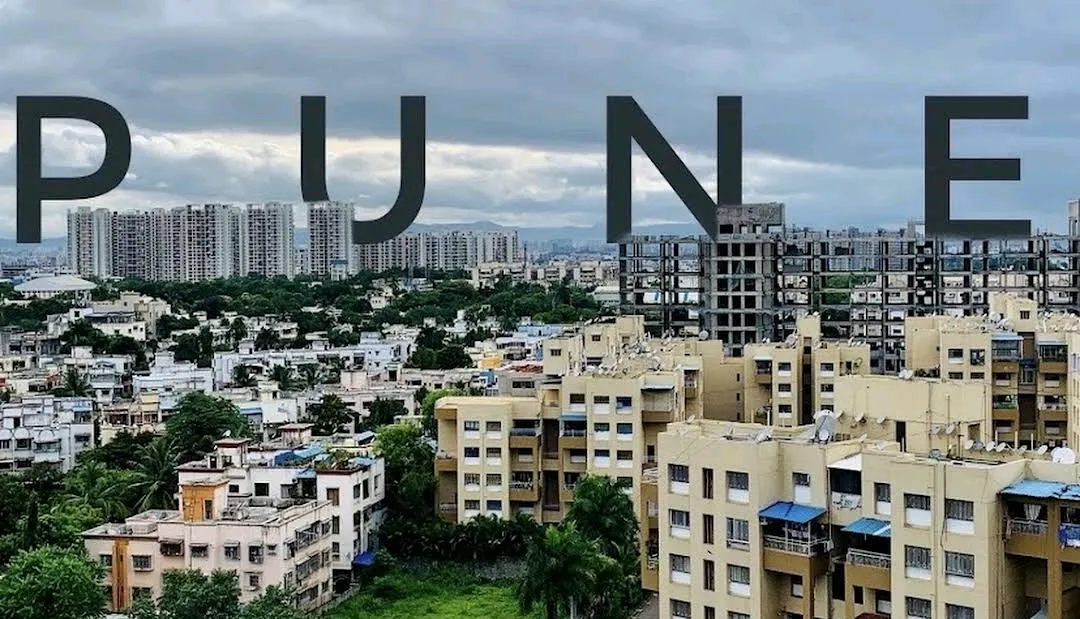
Pune, located in the western state of Maharashtra, India, is a city known for its rich cultural heritage and vibrant educational scene. Often referred to as the 'Oxford of the East', Pune hosts a plethora of prestigious educational institutions, attracting students from across the globe.The city is a burgeoning hub for the IT and automotive industries, contributing significantly to India's economic growth. Pune's blend of traditional and modern lifestyles offers a unique charm, making it a desirable place to live and work.Emerging trends in Pune include a growing focus on sustainable living and smart city initiatives, enhancing the quality of life for its residents. The city's pleasant climate, coupled with its rich history and cultural vibrancy, makes it a compelling destination for tourists and locals alike.


History and Culture
Pune's history dates back to the 8th century, with its roots deeply embedded in the Maratha Empire. It was the seat of the Peshwas, the prime ministers of the Maratha Empire, and played a pivotal role in the Indian independence movement.
The city is renowned for its cultural contributions, particularly in the fields of classical music, theater, and literature. Pune hosts several cultural festivals, such as the Pune International Film Festival and the Sawai Gandharva Bhimsen Mahotsav, celebrating its rich artistic heritage.
Notable figures from Pune include Bal Gangadhar Tilak, a prominent freedom fighter, and social reformer Jyotirao Phule, who have left an indelible mark on the city's cultural and social landscape.
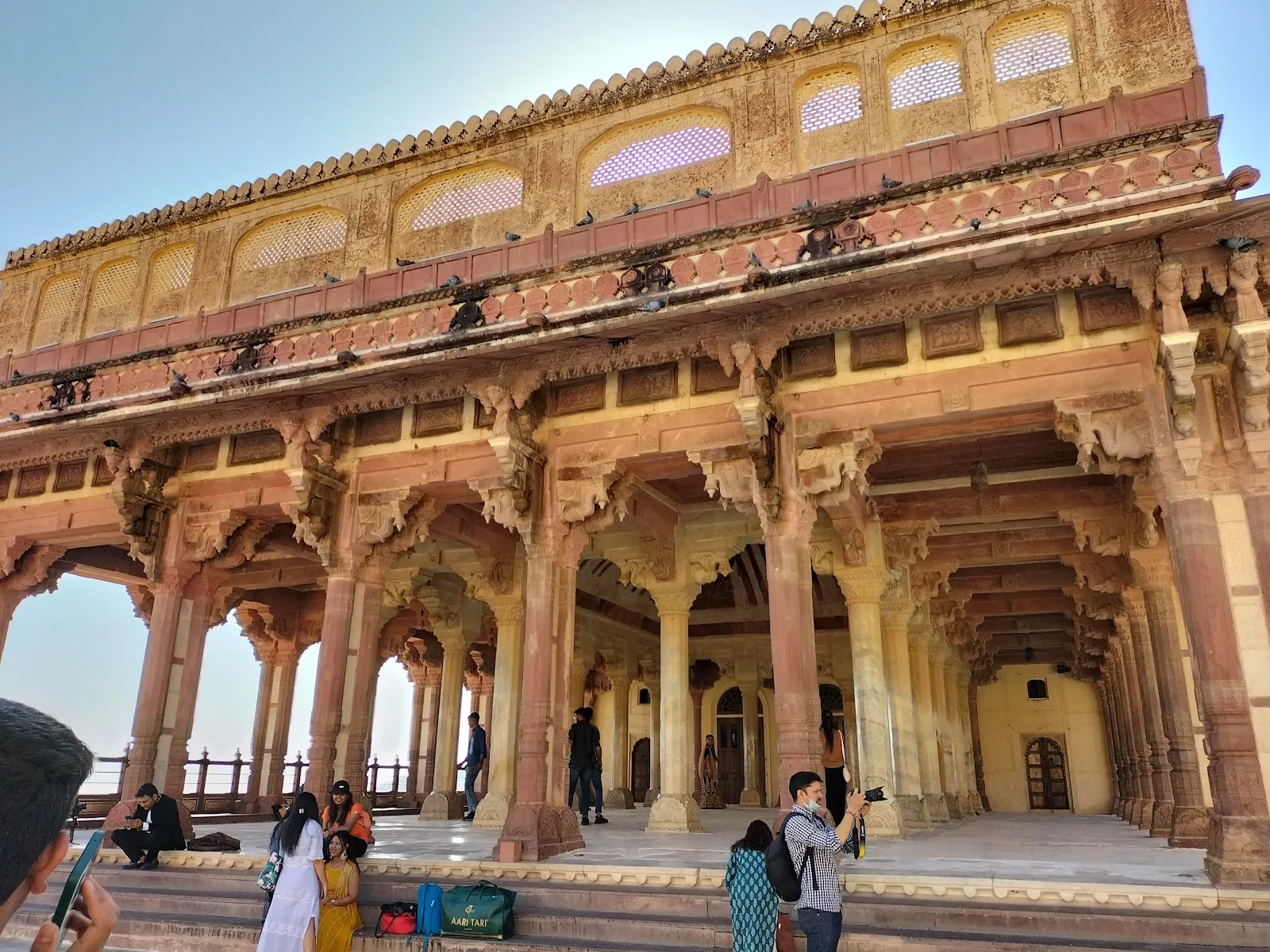
Pune's ethnic diversity is reflected in its vibrant neighborhoods, each offering a unique cultural experience. The city's architectural landmarks, such as the Shaniwar Wada and Aga Khan Palace, stand as testaments to its historical significance.
Local traditions and festivals, like Ganesh Chaturthi, are celebrated with great fervor, showcasing the city's communal harmony and cultural richness.
Things to do in Pune
Pune offers a wide array of activities and attractions for visitors and residents alike. The city's lush green parks, such as the Osho Teerth Park and Pashan Lake, provide serene escapes from urban life.
For history enthusiasts, exploring the Shaniwar Wada, a historic fortification, and the Aga Khan Palace, a significant site in India's freedom struggle, are must-visit landmarks.
Pune's culinary scene is diverse, with local eateries serving traditional Maharashtrian dishes like Misal Pav and Puran Poli, alongside international cuisines.
The city is also known for its vibrant nightlife, with numerous pubs and clubs offering live music and entertainment. Shopping enthusiasts can explore the bustling markets of Laxmi Road and FC Road for a variety of goods.
Annual events such as the Pune Festival and the NH7 Weekender music festival add to the city's dynamic cultural calendar, attracting visitors from all over the country.
Quality of Life Rankings
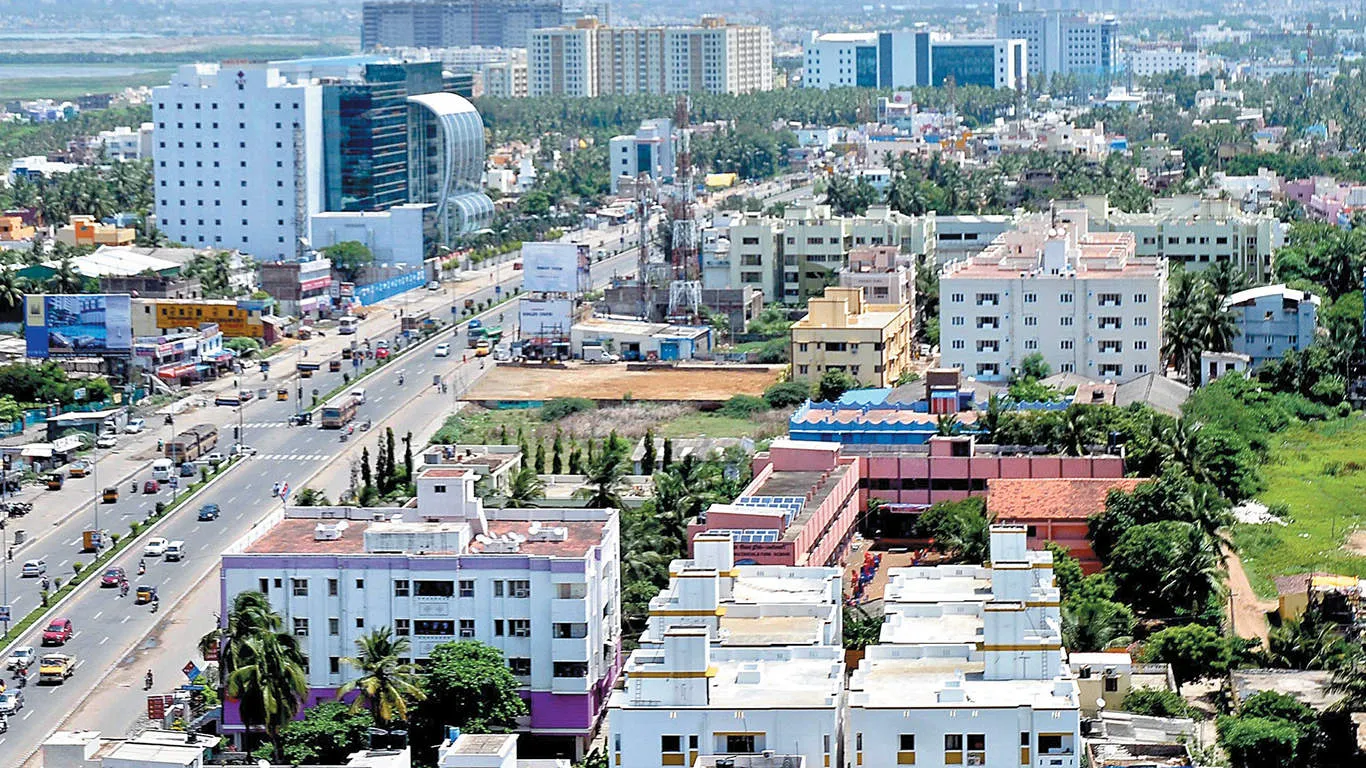
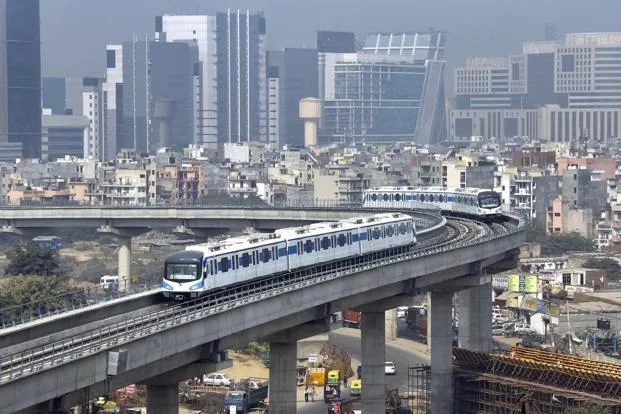
Pune ranks 2nd on the Quality of Life rankings in India.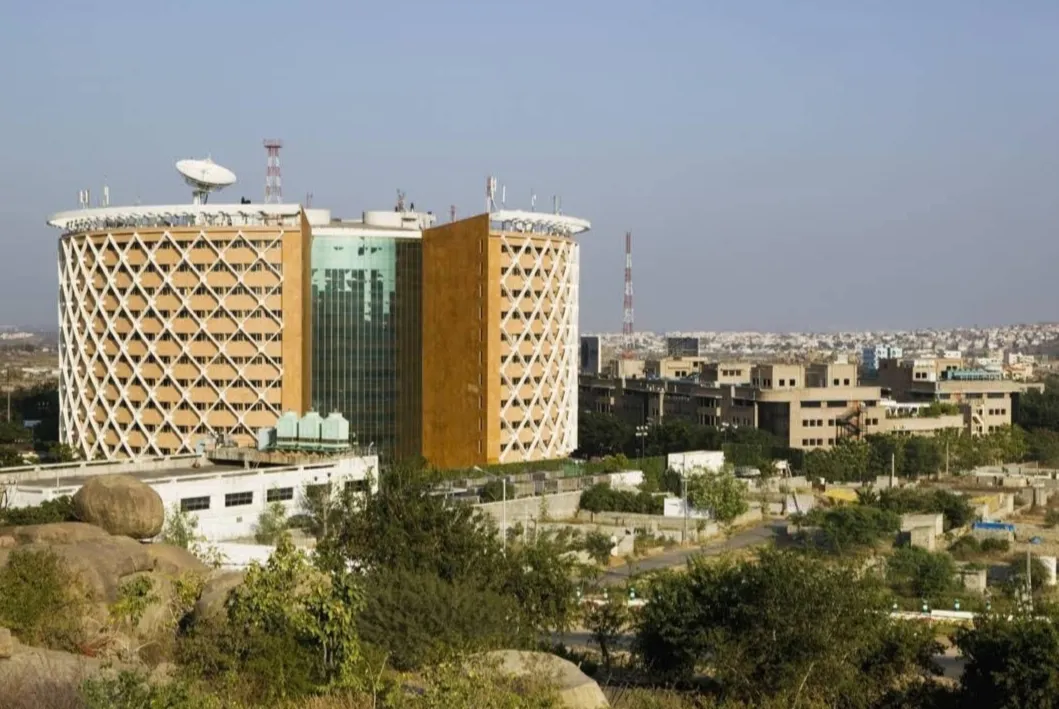

Weather in Pune
Pune, India experiences a tropical wet and dry climate characterized by distinct wet and dry seasons. The city has moderate temperatures throughout the year, with a significant monsoon season. Pune receives an average annual precipitation of approximately 28 inches (700 mm), with July being the wettest month, averaging around 7 inches (180 mm) of rainfall.
Seasonal Breakdown
- Spring (March to May)Temperatures gradually rise from an average high of 88°F (31°C) in March to 97°F (36°C) in May. Rainfall is minimal during this period, with occasional pre-monsoon showers towards the end of May.
- Summer (June to August)The monsoon season begins in June, bringing cooler temperatures and heavy rainfall. Average highs range from 82°F (28°C) in June to 77°F (25°C) in August. Rainfall is at its peak, with July receiving the most precipitation, averaging around 7 inches (180 mm).
- Autumn (September to November)Temperatures gradually decrease from an average high of 84°F (29°C) in September to 86°F (30°C) in November. Rainfall decreases significantly after the monsoon, with September still receiving moderate rainfall.
- Winter (December to February)The coolest period, with average highs ranging from 81°F (27°C) in December to 86°F (30°C) in February. Rainfall is minimal, and the weather is generally dry and pleasant.
Notable Weather Events
- Monsoon season with heavy rainfall from June to September
- Occasional pre-monsoon showers in May
- Mild winter temperatures with minimal rainfall
Pune's Political Climate
Pune, located in the western state of Maharashtra, India, is known for its vibrant political climate. The city has a rich history of political activism and has been a hub for progressive movements. Pune's governance is characterized by a mix of traditional and modern political ideologies, reflecting its diverse population and cultural heritage.
The political landscape in Pune is shaped by its history as a center of education and culture, which has fostered a politically aware and active citizenry. The city is governed by the Pune Municipal Corporation, which is responsible for local administration and development. The political leadership in Pune is often aligned with the broader state-level politics of Maharashtra, where regional parties like the Shiv Sena and the Nationalist Congress Party (NCP) play significant roles.
Pune has been at the forefront of implementing progressive policies, particularly in areas such as sustainability and urban development. The city has launched several initiatives aimed at improving public transportation, reducing pollution, and promoting green spaces. Social justice and inclusivity are also key themes in Pune's political discourse, with efforts to address issues such as affordable housing and education.
The political climate in Pune influences its economic and social decisions, with a focus on balancing growth with sustainability. Recent trends in Pune's political scene include a growing emphasis on digital governance and citizen engagement, reflecting the city's tech-savvy population. Significant political events include local movements advocating for environmental conservation and improved civic amenities.
Political Quick Facts
- Voter Turnout65%
- City GovernanceMunicipal Corporation
- CompositionMixed representation with members from BJP, NCP, Shiv Sena, and Congress
- Recent Political ChangesIncreased focus on digital governance and smart city initiatives
- EngagementHigh, with active participation in local governance and civic issues
- Political ScorecardModerate, with room for improvement in transparency and efficiency
- Legislative PrioritiesSustainability and environmental conservation Affordable housing and urban development Enhancement of public transportation
- Public OpinionGenerally progressive with strong support for sustainability and social justice initiatives
Notable Political Figures
- Devendra FadnavisFormer Chief Minister of Maharashtra and influential BJP leader
- Sharad PawarVeteran politician and leader of the Nationalist Congress Party
- Supriya SuleMember of Parliament and prominent figure in Maharashtra politics
- Uddhav ThackerayFormer Chief Minister of Maharashtra and leader of Shiv Sena
- Anil ShiroleFormer Member of Parliament from Pune and BJP leader